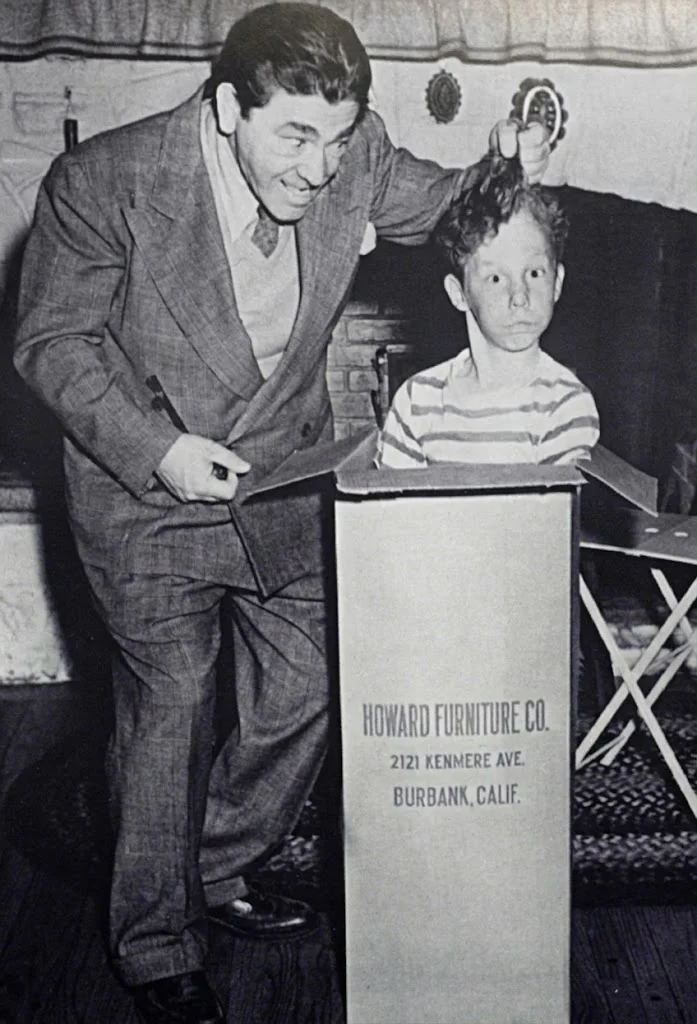
The passing of Paul Howard, which occurred earlier this week in New York City, marks the loss of one of the final living links to the Golden Age of American slapstick comedy. As the son of Moses Harry Horwitz—better known to the world as Moe Howard, the "boss" of The Three Stooges—Paul spent the better part of his nine decades serving as a custodian of his father’s immense cultural legacy. His death at 91 concludes a life defined by the preservation of a cinematic heritage that shaped the landscape of television and film comedy for nearly a century.
A Life Defined by Legacy
Paul Howard was more than a familial observer of the Stooge phenomenon; he was an active participant in keeping the troupe’s influence alive for new generations. While his father was the iconic figure behind the bowl-cut, the eye-pokes, and the constant badgering of Larry and Curly, Paul became the voice of the man behind the persona. He was a frequent fixture at film festivals, fan conventions, and retrospective screenings, where he bridged the gap between the chaotic, violent slapstick seen on screen and the grounded, domestic reality of the man who performed it.
For decades, fans sought Paul out not just for autographs, but for anecdotes that humanized the Stooges. He offered a unique vantage point on the grueling work ethic, the business negotiations, and the internal dynamics of a trio that survived shifting cultural tides from the vaudeville circuit of the 1920s to the television syndication boom of the 1960s.
The Hey Moe, Hey Dad! Docuseries
Perhaps Paul Howard’s most significant contribution to the historical record was his 2015 docuseries, Hey Moe, Hey Dad!. The project served as a definitive biographical deep-dive into the lives of Moe Howard, Larry Fine, Curly Howard, Shemp Howard, and Curly Joe DeRita. Spanning nine episodes, the series utilized a wealth of rare archival footage, private home movies, and candid interviews with the families of the various performers.
The series was more than a tribute; it was an exercise in archival preservation. By securing the participation of celebrity fans and industry icons—including Whoopi Goldberg, voice acting legend Billy West, and film historian Leonard Maltin—Paul ensured that the Stooges’ legacy was contextualized within the broader history of American entertainment. Produced and distributed by C3 Entertainment, Inc., the series remains a primary resource for researchers studying the evolution of physical comedy.
A Birth Surrounded by Chaos
The story of Paul Howard’s entry into the world on July 8, 1935, reads like a script from one of his father’s own short films—a fact that was not lost on the family. According to archival records and the memoirs of his sister, Joan Howard Maurer, the birth was a momentous occasion for Moe, who had long desired a son to share in his off-stage life.
The birth took place at Doctor’s Hospital in New York City, timed to coincide with a vaudeville tour in the East. Moe, ever the performer, was in the midst of a live engagement at the Metropolitan Theatre in Boston when the news arrived. His wife, Helen, sent a telegram that famously joked, "Keep out of the gutter," a nod to Moe’s previous hyperbole about how he would celebrate the birth of a boy.
The irony of the situation deepened just days later. While attempting to transport his wife and newborn son home, Moe was involved in a severe automobile accident during a torrential rainstorm in Manhattan. His car struck a concrete lamppost with enough force to bring the structure down upon the vehicle, shattering the windshield and leaving the comedian with visible facial injuries. In a twist that mirrored the surreal, escalating complications of a Stooge routine, his sister-in-law, who was a passenger, went into labor as a result of the accident. The incident—resulting in the early birth of his cousin Carole—became a permanent part of the Howard family lore, a testament to the unpredictable nature of the era’s celebrity lives.
Chronology of the Stooges’ Influence
To understand the importance of Paul Howard’s stewardship, one must look at the timeline of the troupe he represented:
- 1920s: Moe, Shemp, and Larry begin performing in vaudeville alongside Ted Healy.
- 1934: The Three Stooges sign their first contract with Columbia Pictures. Paul Howard is born at the height of their initial film success.
- 1950s: As the theatrical short film market collapses, the Stooges transition to the nascent medium of television, finding a massive new audience.
- 1975: Moe Howard passes away, leaving the preservation of his image and estate to his family.
- 2015: Paul Howard releases Hey Moe, Hey Dad!, consolidating the family’s narrative.
The Business of Comedy: Implications for Estate Preservation
The passing of Paul Howard highlights the ongoing challenge of managing a legacy that is simultaneously a public commodity and a private family history. The Three Stooges represent one of the most recognizable brands in entertainment history. Throughout his life, Paul was instrumental in the intellectual property management of the Stooges’ likenesses and works.
His work with C3 Entertainment and his personal commitment to the history of the troupe ensured that the Stooges did not fade into obscurity. In an era where many classic comedy acts have lost their cultural relevance, the Stooges remain a fixture of pop culture—a reality due in no small part to the efforts of those like Paul, who meticulously curated the archival records and protected the integrity of the brand.
Family and Legacy
Paul Howard is survived by his wife, Joanne, and his daughter, Jennifer. His death signals the closing of a chapter in the Howard family history. While the slapstick violence of the Stooges was designed to be ephemeral and disposable, the work Paul did in his later years ensures that the individuals behind the personas—the husbands, fathers, and brothers—are remembered with the same fervor as their characters.
The implications of his passing are significant for historians and fans alike. With the departure of those who had first-hand knowledge of the early 20th-century entertainment landscape, the burden of historical accuracy falls to the digitized archives and recorded interviews that Paul Howard spent his life cultivating. His life served as a bridge between the frantic, black-and-white world of the 1930s and the digital era of the 21st century.
As the industry reflects on the impact of The Three Stooges, the contribution of Paul Howard serves as a reminder that the longevity of a comedy legend is not solely determined by the quality of their work, but by the dedication of those who keep their story alive. Paul Howard did not merely watch the legacy of the Stooges from the sidelines; he was its most diligent guardian, ensuring that the man behind the screen—the father who was "drunk with glee" at his birth—would never be forgotten.