
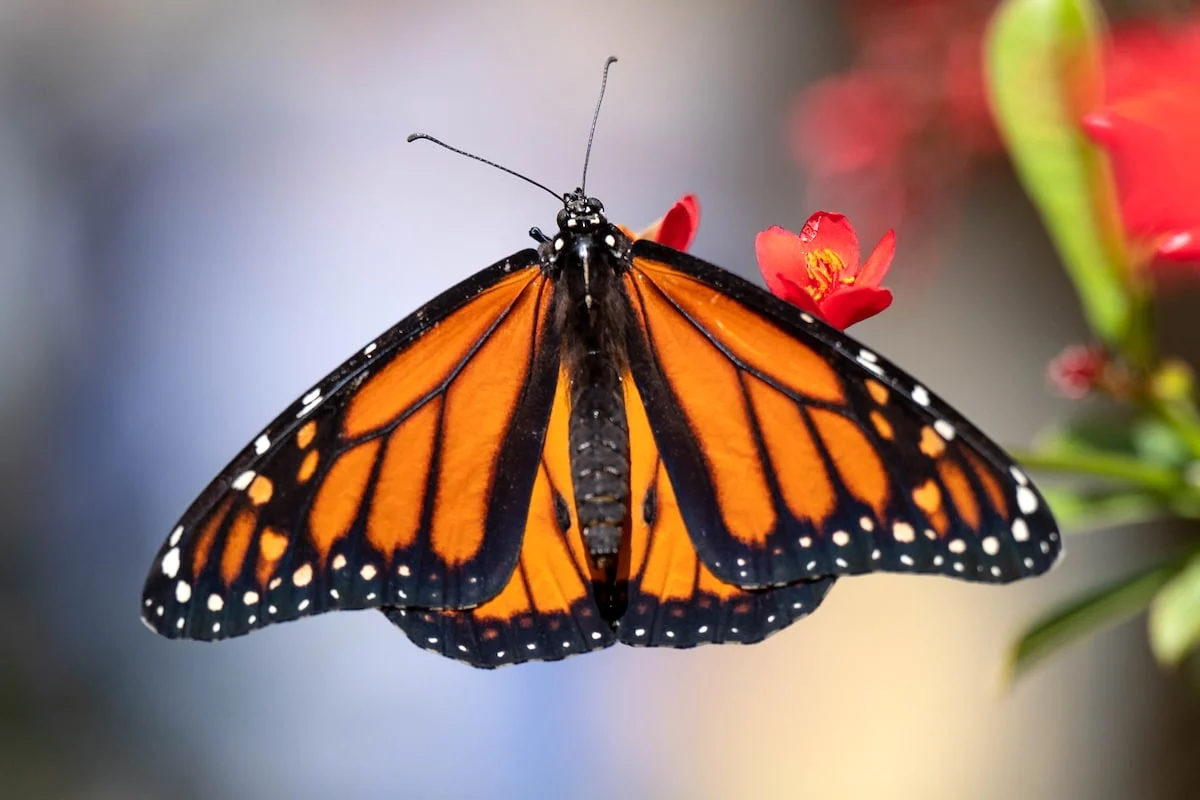
The delicate balance of the Western monarch butterfly’s migratory cycle has been dealt a devastating blow, as new peer-reviewed research confirms that a "toxic cocktail" of pesticides was the primary driver behind a mass die-off event in early 2024. The study, published in the prestigious journal Environmental Toxicology and Chemistry, provides a forensic look at the tragic events that unfolded near the Pacific Grove Monarch Sanctuary in California, a site historically celebrated as a vital overwintering refuge for the iconic orange-and-black insects. For years, conservationists have warned that the Western monarch population is teetering on the brink of extinction, but the latest findings suggest that even within protected sanctuaries, these pollinators are not safe from the reach of modern chemical agriculture and urban pest management.
In January 2024, residents and researchers in Pacific Grove—a coastal community often referred to as "Butterfly Town, USA"—were met with a harrowing sight: hundreds of monarchs lay dead or convulsing on the forest floor. Initial observations noted that the butterflies were exhibiting classic symptoms of neurotoxic poisoning, including tremors and an inability to fly. This prompted an immediate investigation by the Xerces Society for Invertebrate Conservation and academic researchers, who collected specimens for rigorous laboratory analysis. The resulting data has now painted a clear and alarming picture of the chemical gauntlet these insects must navigate to survive.
Forensic Analysis of a Mass Casualty Event
To determine the exact cause of death, researchers utilized highly sensitive analytical techniques, including liquid and gas chromatography paired with mass spectrometry. These methods allow scientists to detect minute traces of chemical compounds within biological tissue. The results were staggering. Rather than finding a single "smoking gun" chemical, the team discovered a complex mixture of 15 different substances, including various insecticides, herbicides, and fungicides.
According to Staci Cibotti, the lead author of the study and a pesticide risk prevention specialist at the Xerces Society, each butterfly tested contained an average of seven different pesticides. Among the most concerning findings were high concentrations of pyrethroids, a class of synthetic insecticides designed to mimic the natural oils of chrysanthemum flowers but engineered to be far more persistent and lethal. Specifically, the study identified bifenthrin, cypermethrin, and permethrin at levels reaching or exceeding lethal doses for lepidoptera.
The presence of these chemicals is particularly significant because of how they interact with the insect’s nervous system. Pyrethroids work by overstimulating the nerve cells, leading to paralysis and eventually death. For a migratory species that relies on precise movements and energy conservation during the cold winter months, even sub-lethal exposure can be a death sentence, as it prevents the butterflies from clustering for warmth or escaping predators.
The Overwintering Crisis and the 2024 Timeline
The timing of the die-off is a critical component of the study’s implications. Western monarchs spend their summers breeding across the Western United States, including states like Oregon, Washington, and Idaho. As temperatures drop, they migrate to the relatively temperate California coast to overwinter in groves of eucalyptus and Monterey cypress. This period, typically lasting from November to February, is when the population is at its most concentrated and vulnerable.
The January 2024 incident occurred at a time when the monarchs should have been in a state of semi-dormancy. Instead, the influx of neurotoxins caused a sudden collapse of the local colony. While the Monterey County agricultural commissioner’s office conducted a review of the incident, they were unable to pinpoint a specific point source for the contamination. This lack of a single culprit suggests a more systemic issue: the "drift" and accumulation of chemicals from a variety of sources, including nearby commercial farms, residential landscaping, and municipal mosquito abatement programs.
This event is not an isolated tragedy but part of a worsening trend. In September 2020, a similar mass mortality event occurred in North Dakota, where hundreds of migrating monarchs were killed following aerial spraying for mosquito control. These incidents highlight the extreme vulnerability of the species during their migratory windows, where a single ill-timed application of pesticide can wipe out a significant percentage of a local population.
A Population in Freefall: Supporting Data and Trends
The context of the 2024 die-off is made even more somber by the long-term population data for the Western monarch. In the 1980s, it was estimated that millions of monarchs overwintered along the California coast. However, the Xerces Society’s annual Western Monarch Count has tracked a catastrophic decline of approximately 95% over the last four decades.

The 2024 count recorded the second-lowest numbers in history, and the preliminary data for 2025 is even more dire. Reports indicate that the overwintering population has plummeted to just 9,119 individuals. To put this in perspective, many biologists believe that the "extinction threshold" for the Western migration—the point at which the population is too small to recover from natural fluctuations or localized disasters—is around 30,000 individuals. By falling below 10,000, the Western monarch is now in what scientists call an "extinction vortex."
The International Union for Conservation of Nature (IUCN) has already listed the migratory monarch butterfly as endangered. Furthermore, the U.S. Fish and Wildlife Service has provided sobering projections, estimating a 99% probability that the Western monarch population will be functionally extinct by the year 2080 if current trends in habitat loss, climate change, and pesticide use are not reversed.
Implications for Conservation and Policy
The findings of the Environmental Toxicology and Chemistry study have sparked urgent calls for policy reform and public education. The fact that butterflies are dying from pesticide exposure within or adjacent to designated sanctuaries suggests that current "buffer zones" are insufficient. Pesticides are highly mobile; they can travel miles from their application site via wind drift or be carried through the watershed during rain events.
The Xerces Society and other conservation groups have outlined a series of necessary actions to prevent further mass die-offs:
- Establishment of Pesticide-Free Zones: Advocates are calling for a total ban on the use of highly toxic insecticides within a specific radius of known overwintering sites. This would include both agricultural and residential applications.
- Enhanced Regulatory Oversight: Public officials are being urged to implement more rigorous tracking of pesticide applications, particularly during the sensitive overwintering and migration months (September through March).
- Public Education on Neonicotinoids and Pyrethroids: Many homeowners unknowingly contribute to the problem by using "weed and feed" products or structural pest control services that utilize the very chemicals found in the dead monarchs.
- Integration of Pesticide Risk into Recovery Plans: Conservation strategies have traditionally focused on planting milkweed (the monarch’s host plant) and nectar sources. While habitat is vital, this study proves that habitat without pesticide protection is essentially a "sink" that attracts and then kills the insects.
Emily May, a co-author of the study and agricultural conservation lead at the Xerces Society, emphasized that protecting these butterflies requires a shift in how society views pest management. "Protecting monarchs from pesticides will require both public education and policy change," May stated. "We are committed to working with communities and decision-makers to ensure that overwintering sites are healthy refuges rather than traps."
Analysis of the Broader Ecological Impact
The plight of the Western monarch serves as a "canary in the coal mine" for the broader state of insect biodiversity in North America. Monarchs are considered an indicator species; their health reflects the health of the ecosystems they inhabit. If a large, charismatic, and relatively hardy insect like the monarch is being decimated by chemical exposure, the impact on smaller, less visible pollinators—such as native bees, beetles, and moths—is likely even more severe.
Furthermore, the loss of the monarch migration has cultural and economic implications. In Pacific Grove, the annual return of the butterflies is a cornerstone of the local identity and a significant draw for tourism. The potential extinction of this phenomenon represents a profound loss of natural heritage.
From a scientific perspective, the study highlights the "synergistic effects" of pesticide exposure. While an insect might survive exposure to a single chemical at a low dose, the cumulative stress of seven or fifteen different chemicals can overwhelm its metabolic defenses. This "cocktail effect" is rarely accounted for in standard regulatory toxicity trials, which typically test one chemical at a time in controlled laboratory settings.
Conclusion and Future Outlook
The 2024 Pacific Grove die-off is a stark reminder that the window of opportunity to save the Western monarch is rapidly closing. The transition from millions of butterflies to fewer than ten thousand in just forty years is an ecological collapse occurring in real-time. While climate change and the loss of milkweed habitat remain significant hurdles, the direct toxicity of pesticides represents a clear and present danger that can be addressed through immediate regulatory and behavioral changes.
As the 2025 season progresses, conservationists will be watching the remaining 9,119 butterflies with bated breath. The survival of the Western migration now depends on a coordinated effort to de-escalate the chemical warfare in our landscapes and provide these "international travelers" with the safe passage they require to complete their ancient journey. Without a fundamental shift in pesticide policy, the orange-and-black wings that once filled the California skies may soon be nothing more than a memory recorded in scientific journals.










Leave a Reply