
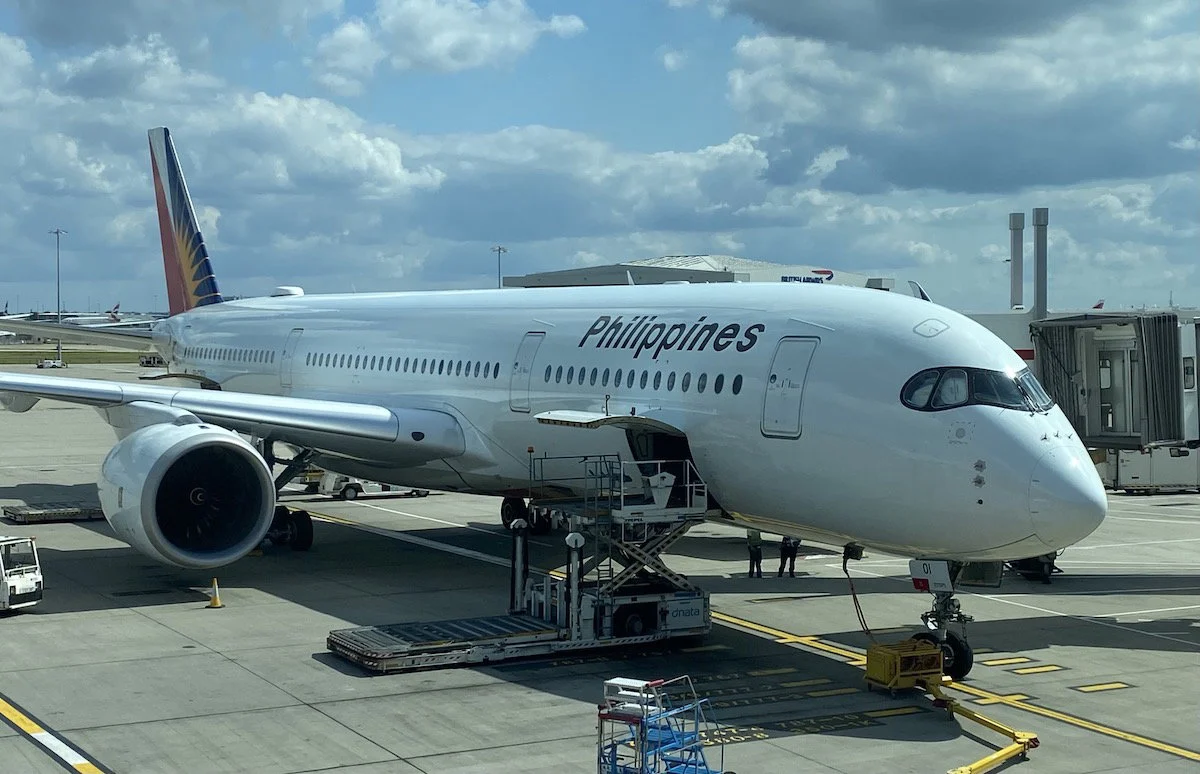
Philippine Airlines (PAL), the flag carrier of the Philippines, has officially announced the expansion of its North American network with the introduction of nonstop service between Manila’s Ninoy Aquino International Airport (MNL) and Chicago O’Hare International Airport (ORD). Scheduled to commence on November 9, 2026, the new route marks a significant milestone in the airline’s post-pandemic recovery and strategic growth plan. The service will operate three times weekly, providing the first direct link between the Philippines and the United States Midwest, a region home to one of the largest Filipino-American populations in the country.
The launch of the Manila-Chicago corridor is the latest step in PAL’s aggressive transpacific expansion. At a distance of approximately 8,132 miles, the flight will rank among the 25 longest commercial airline routes in the world. This ultra-long-haul service is designed to cater to both the "Visiting Friends and Relatives" (VFR) market and growing business ties between Southeast Asia and the American industrial heartland.
Flight Schedule and Operational Details
The new service will utilize the flight numbers PR132 for the eastbound leg and PR133 for the westbound return. According to the schedule filed by the airline, the flights will operate on a Monday, Wednesday, and Friday rotation.
- Flight PR132: Departs Manila (MNL) at 4:40 PM and arrives in Chicago (ORD) at 4:45 PM on the same day. The total blocked time for this eastbound journey is approximately 14 hours and 15 minutes.
- Flight PR133: Departs Chicago (ORD) at 10:45 PM and arrives in Manila (MNL) at 5:25 AM two days later. Due to prevailing headwinds over the Pacific, the westbound return is significantly longer, with a blocked time of 16 hours and 40 minutes.
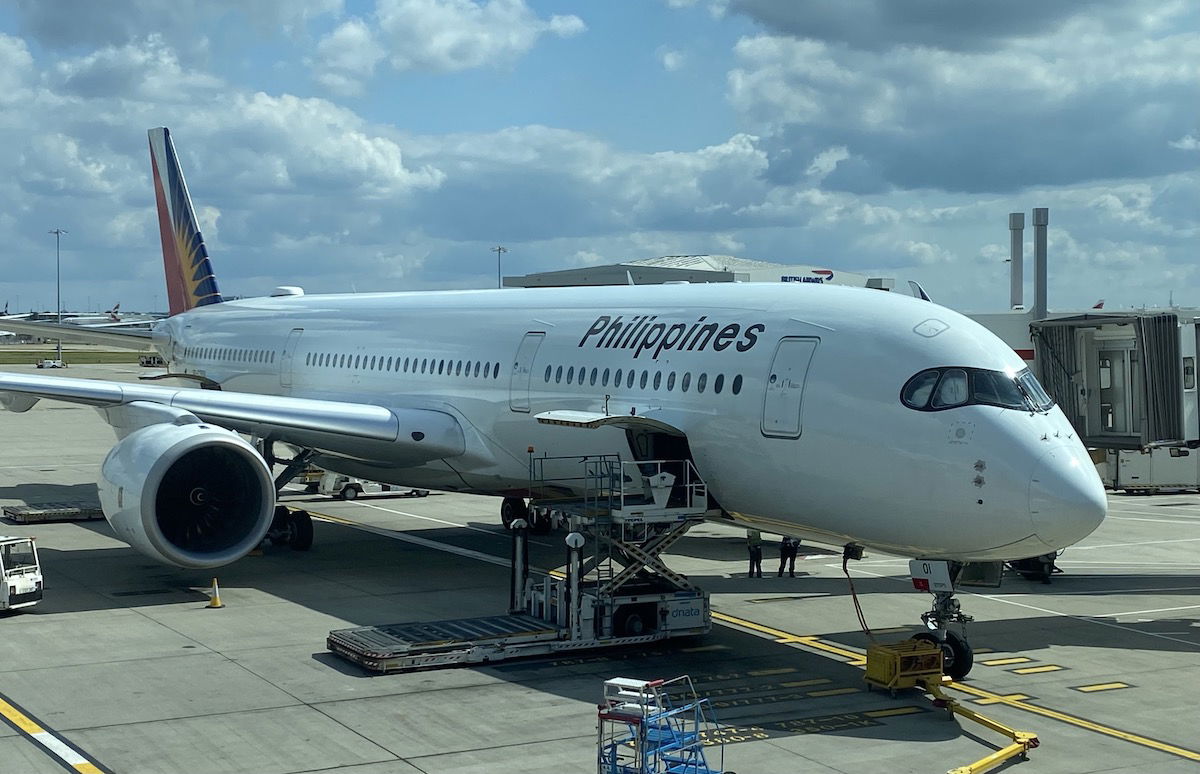
The airline has selected the Airbus A350-900 for this route, an aircraft specifically designed for ultra-long-range efficiency and passenger comfort. The configuration for this service includes 295 seats across three cabins: 30 lie-flat Business Class seats in a 1-2-1 configuration, 24 Premium Economy seats, and 241 Economy seats. The A350-900’s advanced cabin altitude and humidity controls are expected to mitigate the physical toll of the nearly 17-hour journey.
Strategic Context and Fleet Evolution
The decision to connect Manila and Chicago comes after several years of structural transformation for Philippine Airlines. In September 2021, the carrier filed for Chapter 11 bankruptcy protection in the United States to restructure its debt and downsize its fleet in response to the global collapse in air travel. Having emerged from that process as a leaner, more financially stable entity, PAL has shifted its focus from survival to expansion.
A critical component of this growth was the 2023 announcement of an order for nine Airbus A350-1000s. While the Chicago route will initially be serviced by the A350-900, the arrival of the larger and longer-range -1000 variant allows the airline to optimize its existing fleet. By deploying the A350-900 to Chicago, PAL can leverage the aircraft’s range capabilities while utilizing the forthcoming A350-1000s for higher-density routes or even longer missions.
Richard Nuttall, President and Chief Operating Officer of Philippine Airlines, emphasized that Chicago serves as a "premier hub" that provides vital connectivity. "Our entry into this vibrant city will provide direct connectivity to the Midwest," Nuttall stated. "At the same time, serving the Chicago–Manila corridor will create vital links to key regional destinations and major Philippine domestic markets through our Manila hub."
Demographic and Economic Drivers
The selection of Chicago as the eighth U.S. destination for Philippine Airlines is backed by significant demographic data. Within the United States, the Filipino diaspora is concentrated in several key metropolitan areas. While California remains the primary gateway with hubs in Los Angeles and San Francisco, Chicago represents the seventh-largest concentration of Filipinos in the country.
Currently, travelers from the Midwest heading to the Philippines must endure layovers in hubs such as Los Angeles, San Francisco, Vancouver, Tokyo, or Seoul. The introduction of a nonstop flight eliminates the need for domestic transfers or international transits, saving travelers between four and seven hours of total travel time.
Beyond the VFR market, Chicago is a global financial and logistics center. The route is expected to facilitate trade in electronics, agricultural products, and medical supplies—sectors where both the Philippines and the state of Illinois have strong economic interests. Furthermore, the direct connection is likely to boost tourism, encouraging American travelers to explore the Philippines’ archipelago without the friction of a connecting flight.
Strengthening the North American Gateway
With the addition of Chicago, Philippine Airlines’ U.S. network now includes:
- Los Angeles (LAX): The airline’s primary U.S. gateway with high-frequency service.
- San Francisco (SFO): A major hub for the Northern California Filipino community.
- New York (JFK): Serving the East Coast via a nonstop ultra-long-haul flight.
- Seattle (SEA): Launched in late 2024, targeting the Pacific Northwest.
- Honolulu (HNL): A critical link for the substantial Filipino population in Hawaii.
- Guam (GUM): A regional short-haul connection.
- Saipan (SPN): Serving the Northern Mariana Islands.
The expansion into Chicago and the recent launch of Seattle signify a strategic pivot toward capturing secondary markets that have historically been underserved by direct flights from Southeast Asia. Unlike many of its regional competitors, PAL does not belong to a major global airline alliance like Star Alliance, Oneworld, or SkyTeam. Consequently, the airline relies heavily on its unique ability to provide nonstop service where other carriers require a hub connection.
Challenges and Competitive Landscape
Despite the clear demand, the Manila-Chicago route presents operational challenges. Ultra-long-haul flights are notoriously sensitive to fuel prices and payload restrictions. The 16-hour and 40-minute return flight from Chicago to Manila will require careful management of weight and balance, particularly during the winter months when jet streams are strongest.
Competition for transpacific travel is also intensifying. While no other airline currently offers nonstop service between Chicago and Manila, carriers such as United Airlines, Cathay Pacific, and EVA Air offer robust one-stop connections through their respective hubs in San Francisco, Hong Kong, and Taipei. To compete, Philippine Airlines must rely on the convenience of the nonstop product and its distinct "Heart of the Filipino" service philosophy to attract premium and economy passengers alike.
Furthermore, the late 2026 launch date suggests that the airline is allowing ample time for the delivery of new aircraft and the completion of infrastructure improvements at Manila’s Ninoy Aquino International Airport. The airport is currently undergoing a multi-billion dollar modernization project led by a San Miguel Corporation-led consortium, aimed at increasing terminal capacity and improving runway efficiency.
Chronology of PAL’s Transpacific Expansion
The announcement of the Chicago route is the culmination of a decade-long effort to modernize PAL’s long-haul capabilities:
- 2014: The U.S. Federal Aviation Administration (FAA) upgraded the Philippines’ safety rating to Category 1, allowing PAL to expand its U.S. footprint and introduce new aircraft.
- 2018: PAL took delivery of its first Airbus A350-900s, enabling nonstop flights to New York JFK, which became one of the longest flights in the world.
- 2021: The airline underwent a financial restructuring under Chapter 11, resulting in a temporary reduction of the fleet and the return of several A350s to lessors.
- 2023: PAL signed a memorandum of understanding (and later a firm order) for nine A350-1000s, signaling a return to growth.
- 2024: Launch of nonstop flights to Seattle-Tacoma International Airport.
- November 2026: Projected commencement of the 3x weekly Chicago service.
Implications for the Aviation Industry
The Manila-Chicago route is a testament to the increasing viability of ultra-long-haul travel. As aircraft technology improves—specifically with the fuel efficiency of the A350 and Boeing 787 families—airlines are finding it more profitable to bypass traditional hubs in favor of point-to-point "long-and-thin" routes.
For the Philippines, this route is more than just a commercial venture; it is a point of national pride and a tool for diplomatic and economic engagement. By connecting the "Windy City" with the "Pearl of the Orient," Philippine Airlines is bridging a gap that has existed for decades, offering the 150,000+ Filipinos in the Chicago metropolitan area a direct path home.
As the airline prepares for the 2026 launch, industry analysts will be watching closely to see if the demand holds and if the airline might eventually increase frequency. For now, the opening of ticket sales marks the beginning of a new chapter in the storied history of Asia’s first commercial airline, as it continues to reclaim its position as a major player in the competitive transpacific market.










Leave a Reply