
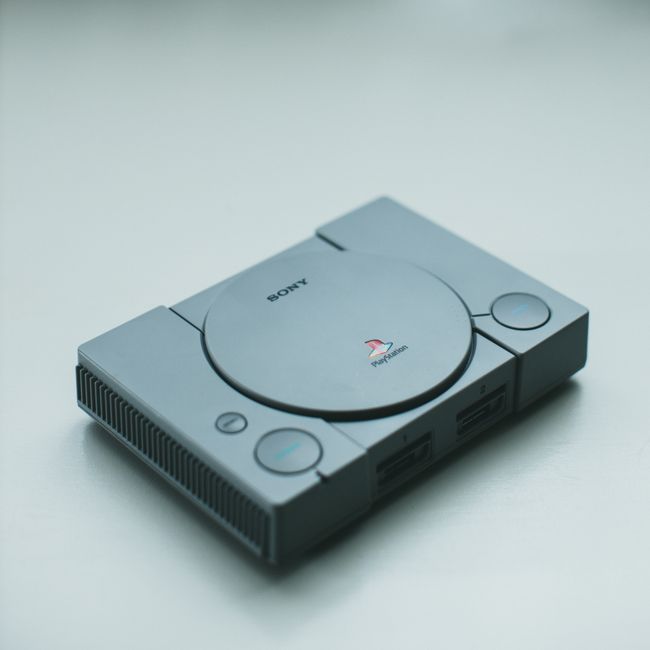
PlayStation: Can The Console Still Compete?
The landscape of home video game consoles is a fiercely competitive arena, dominated by established giants and innovative newcomers alike. At the heart of this ongoing battle for consumer attention and disposable income stands PlayStation, a brand synonymous with immersive gaming experiences and a rich legacy. The question, however, remains pertinent: in the current generation, and looking towards the future, can PlayStation still effectively compete? The answer is a resounding, yet nuanced, yes. This article will delve into the multifaceted strengths and potential vulnerabilities of the PlayStation brand, exploring its hardware capabilities, its unparalleled first-party software library, its robust online ecosystem, and its evolving strategies in the face of changing consumer habits and emerging technologies.
The current flagship console, the PlayStation 5 (PS5), represents Sony’s latest foray into next-generation gaming. Its technical specifications are undeniably impressive, boasting a custom AMD Zen 2 CPU, a RDNA 2-based GPU, and a revolutionary ultra-high-speed SSD. This SSD is perhaps the most significant hardware leap, virtually eliminating loading times and enabling developers to create more seamless and expansive game worlds. The raw processing power, coupled with advanced ray tracing capabilities, translates into visually stunning games with realistic lighting, reflections, and shadows. These technical advancements aren’t mere benchmarks; they translate directly into tangible gameplay benefits, enhancing immersion and pushing the boundaries of what is visually possible. While the Xbox Series X boasts comparable, and in some areas superior, raw horsepower, the PS5’s integrated approach and specific optimizations have allowed it to deliver a compelling visual and performance experience. The DualSense controller, with its haptic feedback and adaptive triggers, further distinguishes the PS5 experience, providing a level of tactile immersion previously unattainable. This innovative controller design is not just a gimmick; it actively contributes to gameplay by conveying nuanced in-game sensations, from the tension of a bowstring to the impact of a raindrop.
However, hardware alone does not guarantee market dominance. The true lifeblood of any console platform is its software library, and this is where PlayStation has historically, and continues to, excel. The brand is renowned for its critically acclaimed and commercially successful first-party studios, including Naughty Dog, Insomniac Games, Santa Monica Studio, and Guerrilla Games. These studios consistently deliver exclusive titles that define generations and drive hardware sales. Games like "Marvel’s Spider-Man 2," "God of War Ragnarök," "The Last of Us Part I," and "Horizon Forbidden West" are not only exceptional gaming experiences but also powerful drawcards for the PlayStation platform. These exclusives often push the narrative and gameplay boundaries of their respective genres, offering a level of polish and artistic vision that is difficult for third-party developers to replicate consistently. The "PlayStation Studios" brand has become a mark of quality, a promise of a curated and high-fidelity gaming experience that resonates deeply with a significant portion of the gaming audience. Furthermore, Sony’s willingness to invest heavily in single-player, narrative-driven experiences, often perceived as a riskier proposition in the current market, has paid dividends, cultivating a loyal fanbase that values these cinematic and emotionally resonant games.
Beyond its exclusive offerings, PlayStation has cultivated a robust ecosystem that fosters community and engagement. The PlayStation Network (PSN), while not without its occasional controversies, provides a comprehensive suite of online services, including multiplayer gaming, digital storefronts, and social features. PlayStation Plus, the subscription service, has evolved significantly, moving beyond simple monthly free games to offer a tiered system. PlayStation Plus Extra and Premium provide access to a vast catalog of PS4 and PS5 titles, including many classic PlayStation games. This "game catalog" approach mirrors that of Xbox Game Pass and represents a strategic shift to retain subscribers and offer compelling value. The ability to access a wide range of games for a recurring fee makes the platform more attractive to budget-conscious gamers and those who want to explore a diverse library without purchasing every title individually. The online multiplayer infrastructure, while sometimes criticized for its matchmaking and party systems, generally provides a stable platform for competitive and cooperative gaming across a wide array of popular titles.
The competitive landscape, however, is not static. Microsoft’s acquisition of Activision Blizzard and its continued investment in Xbox Game Pass present a formidable challenge. Game Pass offers a compelling value proposition, providing access to a vast library of first-party and third-party titles, including day-one releases of Bethesda and now Activision Blizzard games. This aggressive strategy forces PlayStation to constantly re-evaluate its own subscription offerings and the perceived value of its exclusives. While PlayStation’s exclusives are undeniably high-quality, the sheer volume and day-one availability of AAA titles on Game Pass is a powerful incentive for many gamers. The rise of PC gaming as a dominant force, with its own vast library of titles and a growing modding community, also presents competition. Many PlayStation exclusives eventually find their way to PC, diminishing their exclusive appeal over time, though often with a significant delay.
Sony’s strategy in the face of this competition has been to double down on its core strengths while also adapting to market trends. The company has signaled a greater willingness to bring its first-party titles to PC, albeit at a later stage in their lifecycle. This expansion into the PC market allows PlayStation to tap into a wider audience and generate additional revenue from games that have already recouped their development costs on console. Furthermore, Sony has also been investing in mobile gaming and exploring cloud gaming solutions, recognizing the increasing importance of accessibility and diverse gaming platforms. The PlayStation VR2 (PSVR2) represents a commitment to virtual reality, offering a premium VR experience for the PS5. While VR gaming remains a niche market, the PSVR2’s advanced features and its integration with PS5 hardware position it as a significant player in the evolving VR space.
The current generation of consoles is characterized by longer lifecycles and a greater emphasis on iterative hardware improvements rather than drastic generational leaps. This means that the PS5, with its current capabilities, is likely to remain relevant for a considerable period. Sony’s continued commitment to releasing major first-party titles throughout the PS5’s lifecycle will be crucial in maintaining its competitive edge. The ability to consistently deliver games that not only look and play exceptionally well but also offer compelling narratives and innovative gameplay mechanics is PlayStation’s greatest asset. The brand’s legacy and established fanbase provide a strong foundation, but sustained success will depend on Sony’s ability to innovate, adapt, and continue to deliver the kinds of experiences that gamers have come to expect from the PlayStation name. The ongoing "console wars" are less about raw technical specifications and more about ecosystem, content, and strategic vision. In this context, PlayStation’s deep well of talent, its focus on quality exclusive content, and its evolving subscription and platform strategies suggest that it is not only capable of competing but is actively shaping the future of the gaming industry. The question is not if PlayStation can compete, but rather how effectively it will continue to differentiate itself and capture the imagination of gamers in an increasingly complex and dynamic market.





Leave a Reply