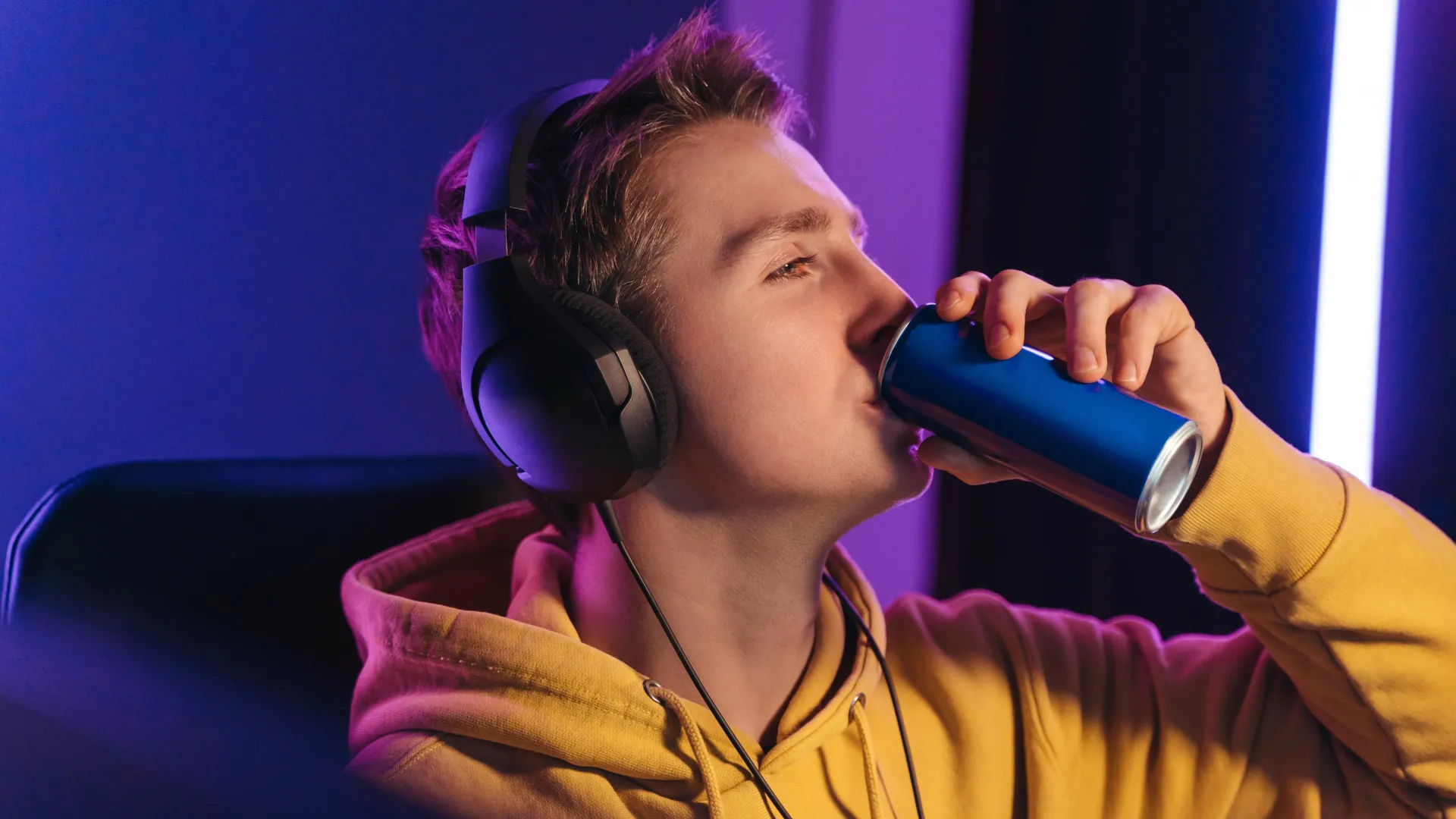
The rapid proliferation of energy drinks and highly concentrated stimulant supplements has triggered a significant reassessment of public health safety standards. A recent investigation presented at the American Heart Association’s (AHA) Scientific Sessions 2026 has brought to light a troubling correlation between the consumption of these products and an increased frequency of serious cardiovascular emergencies. While the study does not definitively establish a causal link, the data derived from federal safety reporting suggests that products marketed as "pick-me-ups" may pose risks that were previously underestimated, particularly among the demographic of young adults aged 18 to 34.
The energy drink industry has experienced unprecedented growth over the last decade, evolving from a niche product for extreme athletes into a multi-billion-dollar global juggernaut. As of 2024, industry sales have exceeded $20 billion, with these beverages becoming ubiquitous in convenience stores, supermarkets, and gyms. Despite this mass-market adoption, there remains a critical gap in scientific understanding regarding the long-term cardiovascular impact of regular consumption of products containing high concentrations of caffeine, guarana, taurine, and other stimulants.
Chronology of Regulatory Scrutiny
The landscape of stimulant-containing products has shifted significantly between 2017 and 2025, the period covered by the research team’s analysis. Throughout this timeframe, the U.S. Food and Drug Administration (FDA) has grappled with the classification of these products. Under current U.S. law, many energy drinks and supplements are categorized as "foods" or "dietary supplements" rather than pharmaceutical drugs. This classification is pivotal, as it exempts these products from the rigorous, pre-market clinical safety testing required of traditional medications.
The research team, led by Sai Samayamanthula, a medical student at the University of Virginia School of Medicine, reviewed 28,345 reports of adverse events submitted to the FDA’s Center for Food Safety and Applied Nutrition Adverse Event Reporting System (CAERS). Of these reports, 854 were specifically linked to products containing caffeine or other stimulants, while the remaining 27,491 served as a control group of non-stimulant food products.
The analysis specifically focused on reports submitted between 2017 and 2025, a period that saw a surge in the marketing of high-intensity pre-workout powders and "mega-dose" energy shots. By identifying a higher concentration of cardiac-related reports in the stimulant group, the researchers have reignited the debate over whether the current regulatory framework is sufficient to protect consumers from products that can, in some cases, contain 12 times the concentration of caffeine found in a standard cup of coffee.
Analyzing the Data: A Signal of Concern
It is essential to contextualize the findings presented at the 2026 AHA sessions. The researchers observed that products containing stimulants appeared with significantly higher frequency in reports of cardiac arrest, heart attacks, and arrhythmias compared to the control group of non-stimulant foods.
"These products are marketed as everyday pick-me-ups and sold next to soda and bottled water, so most people assume they carry no real risk," noted Samayamanthula. The data indicates that the risks are not distributed equally. Younger adults, specifically those between the ages of 18 and 34, represent a disproportionately large share of the reported adverse cardiovascular events.
The study highlights that while the general population can safely consume up to 400 mg of caffeine daily—a threshold established by the AHA’s 2026 Scientific Statement on Caffeine and Cardiovascular Disease—the sheer potency of modern supplements can cause individuals to hit or exceed this limit in a single serving. When consumers ingest multiple products in a day, or combine them with other stressors such as high-intensity interval training or the ingestion of alcohol, the risk of cardiovascular stress increases significantly.
The Biological Mechanism and Clinical Perspective
Medical professionals have long documented the potential for caffeine to trigger heart-related complications. In high doses, caffeine acts as a sympathomimetic, stimulating the central nervous system and the heart. This can lead to palpitations, elevated blood pressure, and, in susceptible individuals, the triggering of arrhythmias.
Dr. Gregory M. Marcus, professor of medicine at the University of California, San Francisco, and chair of the 2026 AHA scientific statement, emphasizes that there is a biological plausibility to the risks highlighted in the report. "There are biological reasons why that connection could be possible," Dr. Marcus stated, while noting that the voluntary nature of the FDA reporting database limits the ability to draw a direct line of causation. Because the data relies on self-reporting, it is impossible to determine if the products themselves were the sole cause of the cardiac events, or if underlying, undiagnosed heart conditions in the affected individuals were exacerbated by the stimulant use.
The Vulnerability of Young Adults
The focus on the 18-to-34 age group remains a focal point for future research. Several theories exist as to why this cohort is experiencing a higher rate of adverse events. Beyond higher consumption rates, younger adults may be more likely to use these products in ways that amplify their physiological effects.
- Lifestyle Factors: The use of "pre-workout" stimulants immediately prior to strenuous physical exertion places a double demand on the cardiovascular system—one from the drug and one from the exercise.
- Co-ingestion: The mixing of high-caffeine beverages with alcohol or other substances can mask the physical symptoms of intoxication, leading to higher consumption levels and an increased burden on the heart.
- Underlying Conditions: A significant portion of the population in this age group may have undiagnosed congenital heart defects or rhythm disorders that remain asymptomatic until triggered by the rapid elevation of heart rate and blood pressure caused by concentrated stimulants.
Regulatory and Public Health Implications
The findings underscore a growing consensus among cardiologists that the current regulatory status of these products requires re-evaluation. Because these supplements are not subject to the same rigorous scrutiny as pharmaceuticals, the burden of safety currently rests largely on the consumer, who may be unaware of the ingredient potency or their own biological sensitivity to stimulants.
The researchers suggest a two-pronged approach to addressing these concerns. First, they advocate for more systematic safety monitoring by federal agencies. Second, they urge healthcare providers to be more proactive during routine check-ups. "Healthcare professionals should remember to ask their younger patients who have palpitations, chest pain, or fainting spells if they recently or regularly consume these products," said Samayamanthula.
Methodological Constraints and Future Directions
While the study provides a critical "safety signal," it is not without limitations. The use of voluntary FDA reporting means the data is subject to "reporting bias"—a phenomenon where certain products are reported more frequently because they are perceived as more likely to cause harm, or because consumers are more aware of their potential side effects. Furthermore, the study could not calculate the absolute risk, as it lacks data on the total number of people who consume these products without experiencing adverse events.
To bridge this gap, future research must move beyond voluntary reports and toward longitudinal, prospective studies. Such research would track consumers over time, measuring baseline cardiovascular health against specific intake patterns of stimulant-containing products.
Broader Public Health Impact
The 2026 AHA findings serve as a stark reminder that consumer-friendly marketing often obscures the potency of ingredients in modern dietary supplements. As the market for "performance-enhancing" beverages continues to expand, the intersection of lifestyle habits and cardiovascular health will likely become a primary focus of public health policy.
The medical community is now moving toward a more nuanced understanding of caffeine and stimulant intake. While for the average, healthy adult, the consumption of coffee or tea remains well within the bounds of safety, the trend toward highly concentrated, high-volume stimulant intake represents a departure from traditional consumption patterns.
As regulatory bodies weigh the evidence, the primary takeaway for the public remains one of caution. Consumers are encouraged to scrutinize labels, understand the total caffeine content of the products they consume, and consider the potential risks associated with high-stimulant intake, particularly when combined with intense physical activity. For the younger demographic, who may feel invincible in the face of these stimulants, the data suggests that the heart is not immune to the physiological pressures exerted by these increasingly potent, readily available substances. Moving forward, the scientific community’s goal will be to transform these safety signals into concrete guidelines that ensure the safety of consumers without stifling a massive, globally integrated industry.