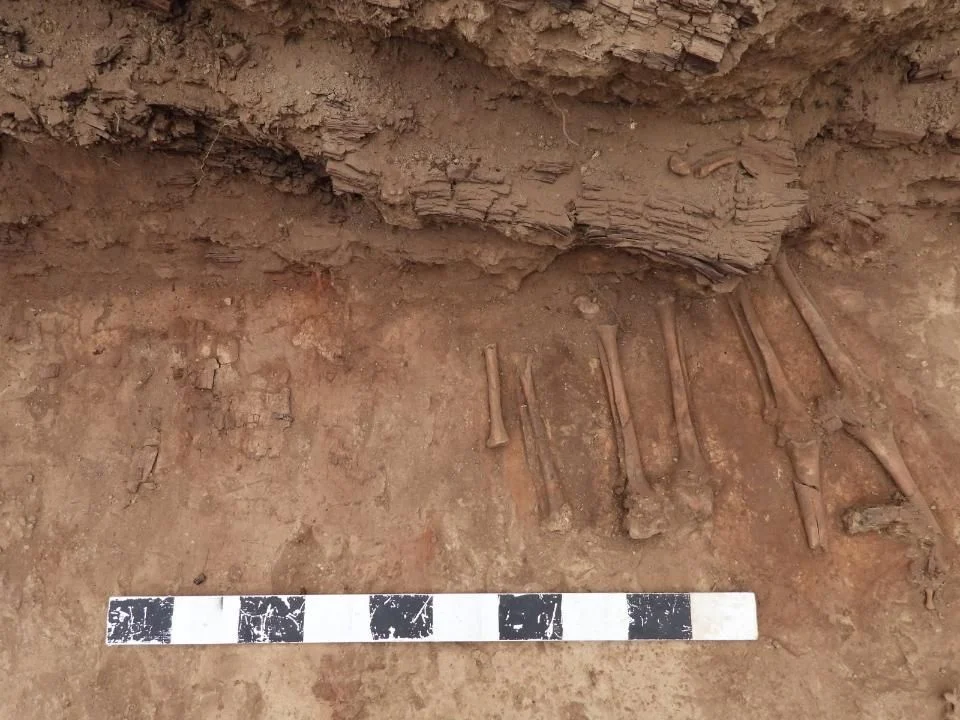
Archaeologists operating in the Central Asian nation of Kazakhstan have made a remarkable discovery that sheds new light on the artistic sophistication and cultural practices of ancient nomadic societies. Unearthed during recent excavations overseen by the Almaty City Administration, the find centers on a meticulously crafted, small gold bear artifact that historical experts believe was originally worn as an ornamental element on a ceremonial headdress. This glittering relic, showcasing the advanced metallurgical and artistic capabilities of early Eurasian steppe populations, has immediately captured the attention of the international archaeological community.
The Discovery and Physical Characteristics
The centerpiece of the recent find is a tiny yet remarkably detailed gold bear figurine. Measuring only a fraction of a typical palm, the object demonstrates an extraordinary level of precision and craftsmanship that challenges traditional, often oversimplified perceptions of nomadic lifestyles as purely utilitarian or crude. The bear is rendered with distinct anatomical features, capturing a sense of movement and volume despite its miniature scale.
According to preliminary analyses conducted by regional cultural heritage officials and partnering researchers, the artifact was not designed to stand alone as a figurine. Instead, microscopic examination of the object’s reverse side and attachment points reveals small loops or stitching holes, indicating it was intended to be fastened to fabric or leather. Experts deduce that the gold bear would have adorned an elaborate headdress, likely belonging to a high-ranking individual, a tribal leader, or a shaman within the nomadic hierarchy.
Gold held profound symbolic, economic, and spiritual significance for the ancient cultures inhabiting the Eurasian steppes. Beyond its monetary value, the precious metal was frequently associated with solar symbolism, power, and eternity. The choice of a bear as the subject of the ornament is equally telling. In many ancient Eurasian belief systems, the bear embodied strength, protection, and a deep connection to the natural and spiritual worlds.
Historical Context of the Eurasian Steppe
To fully understand the significance of the gold bear from Almaty, it is essential to examine the broader historical and geographical landscape of Kazakhstan. For millennia, the vast expanses of the Central Asian steppe served as a bustling crossroads of civilizations. This region was the primary corridor for migration, trade, and cultural exchange between East and West, famously forming a crucial segment of the historic Silk Road networks long before the formal establishment of urban trade routes.
During the first millennium BCE and the early centuries of the Common Era, the region was dominated by various nomadic and semi-nomadic confederations. These groups, often collectively referred to by ancient chroniclers by names such as the Scythians, Saka, or Wusun, developed sophisticated social structures, military tactics, and artistic traditions. Among these traditions, the "Animal Style" of art stands out as one of the most distinctive cultural achievements of the Eurasian nomads.
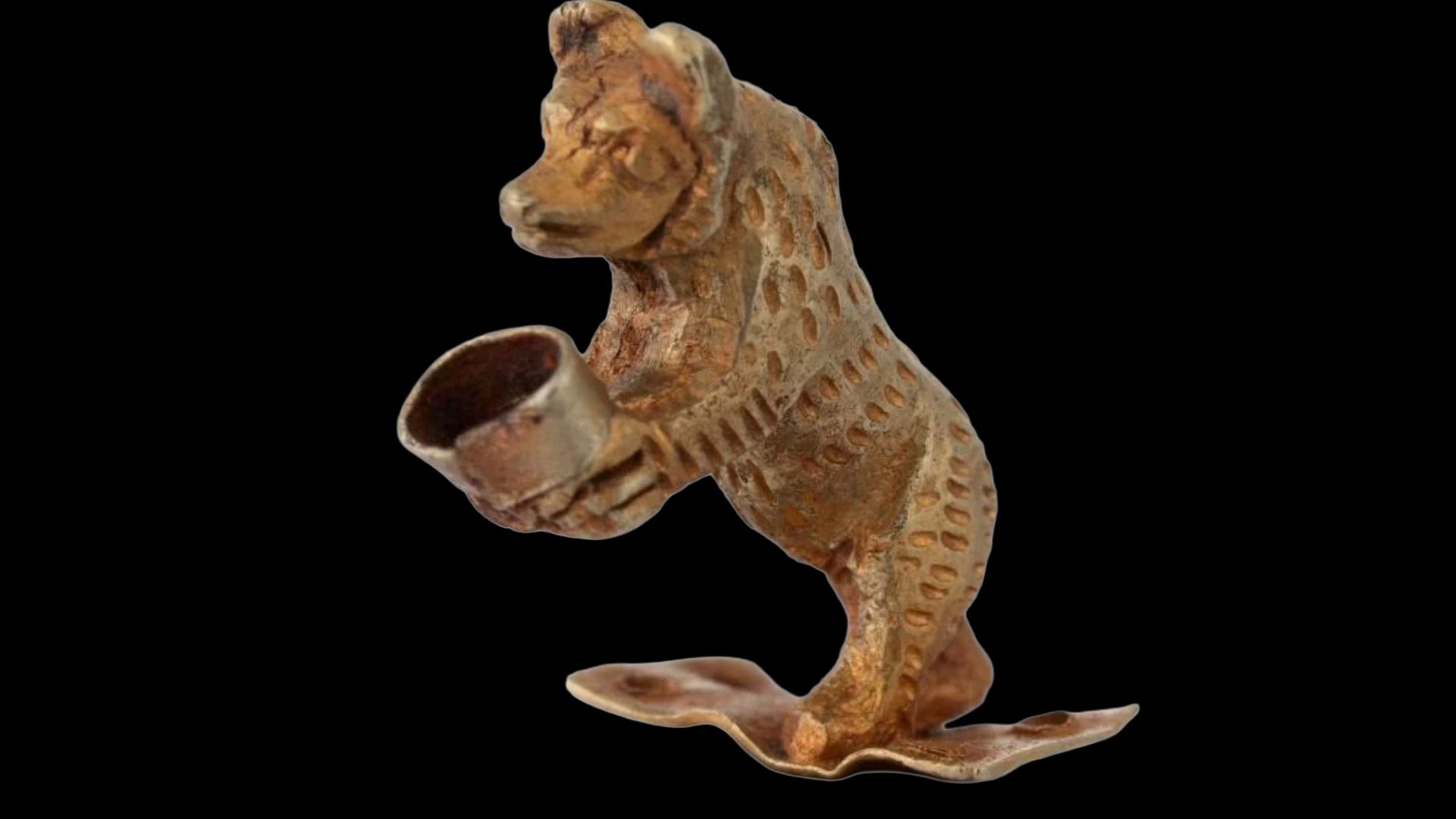
The Animal Style is characterized by dynamic, highly stylized representations of animals, including predators, cervids, equines, and mythical beasts. Artisans working within this tradition demonstrated a profound understanding of animal anatomy, frequently abstracting forms to fit onto weapons, horse harnesses, belt plaques, and personal adornments made of gold, bronze, and iron. The newly discovered gold bear fits comfortably within this rich artistic lineage, reflecting an aesthetic that prioritized the natural world and spiritual symbolism.
Chronology of Regional Archaeological Investigations
The uncovering of the gold bear is the latest in a series of significant archaeological breakthroughs in the Almaty region and broader Kazakhstan over the past several decades.
In the late 20th century, following the dissolution of the Soviet Union and the subsequent surge in independent archaeological research, Kazakh institutions placed a high priority on uncovering and preserving the nation’s pre-Islamic heritage. Landmark discoveries, such as the famous "Golden Man" found in the Issyk kurgan (burial mound) in the 1970s—which featured thousands of gold pieces meticulously sewn into a warrior’s ceremonial tunic—established Kazakhstan as a treasure trove of ancient goldwork.
Throughout the 2000s and 2010s, ongoing urban expansion and infrastructure projects around major modern cities like Almaty prompted comprehensive rescue archaeology initiatives. These efforts frequently led to unexpected finds as construction crews and municipal planners cooperated with academic researchers to survey historical sites before development commenced.
In the years leading up to the most recent excavation, methodological advancements—including non-invasive ground-penetrating radar, high-resolution aerial mapping, and sophisticated metallurgical testing—allowed archaeologists to locate and analyze undisturbed burial mounds and settlement layers with unprecedented precision. The recovery of the gold bear is a direct result of these modern, systematic excavation protocols implemented by the Almaty City Administration and regional research bodies.
Statements and Reactions from Cultural Officials
The announcement of the gold bear find has drawn enthusiastic responses from regional administrators, cultural historians, and museum curators. Representatives from the Almaty City Administration emphasized the importance of safeguarding and promoting local heritage as a vital component of national identity and public education.
"This artifact is much more than a precious metal object; it is a direct window into the minds and artistic souls of the people who inhabited our lands thousands of years ago," stated a regional cultural official during a recent press briefing detailing the find. "The level of detail achieved by these ancient metalsmiths forces us to continually reevaluate the sophistication of ancient steppe civilizations. We are committed to ensuring that this treasure, along with the broader context of the excavation, is thoroughly studied and ultimately displayed for the public to appreciate."
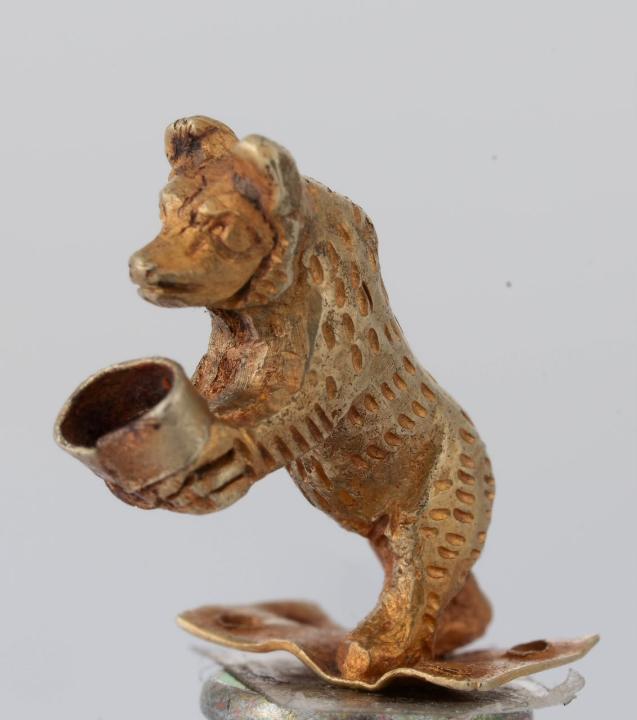
Local archaeological teams have echoed these sentiments, stressing that the discovery provides critical data points for mapping trade routes, social stratification, and technological advancements within ancient Central Asian communities. Plans are already underway to subject the gold bear to advanced non-destructive analyses, including spectroscopy and scanning electron microscopy, to determine the exact purity of the gold and potentially trace the geographical origin of the raw ore used by the ancient artisans.
Broader Implications and Future Research
The discovery of the gold bear near Almaty carries several important implications for the fields of archaeology, art history, and anthropology.
First, it contributes to a growing body of evidence demonstrating the widespread mastery of non-ferrous metallurgy among ancient Eurasian nomads. While the extraction and processing of gold are often associated with sedentary, urban civilizations possessing complex state apparatuses, the nomadic cultures of the steppe repeatedly prove that high-level metallurgy could be successfully sustained within mobile societies. This suggests the existence of specialized artisan guilds or trade networks capable of supplying skilled craftspeople with raw materials and high-precision tools.
Second, the artifact enhances our understanding of ancient mortuary practices and elite self-representation. Items like headdress ornaments were potent visual markers of status, lineage, and cosmic authority. By analyzing how these objects were manufactured, worn, and eventually interred with their owners, researchers can reconstruct the complex social hierarchies that governed ancient steppe life.
Finally, the find holds significant value for cultural tourism and public engagement in Kazakhstan. As local authorities continue to invest in heritage preservation, high-profile artifacts such as the gold bear serve as powerful educational tools, sparking public interest in history and fostering a deeper appreciation for the region’s diverse cultural legacy.
As laboratory analyses proceed and additional excavation data is compiled, researchers hope to publish comprehensive findings in peer-reviewed archaeological journals. In the meantime, the gold bear remains a glittering testament to the ingenuity, artistry, and enduring legacy of the ancient peoples who once roamed the vast landscapes of Central Asia.