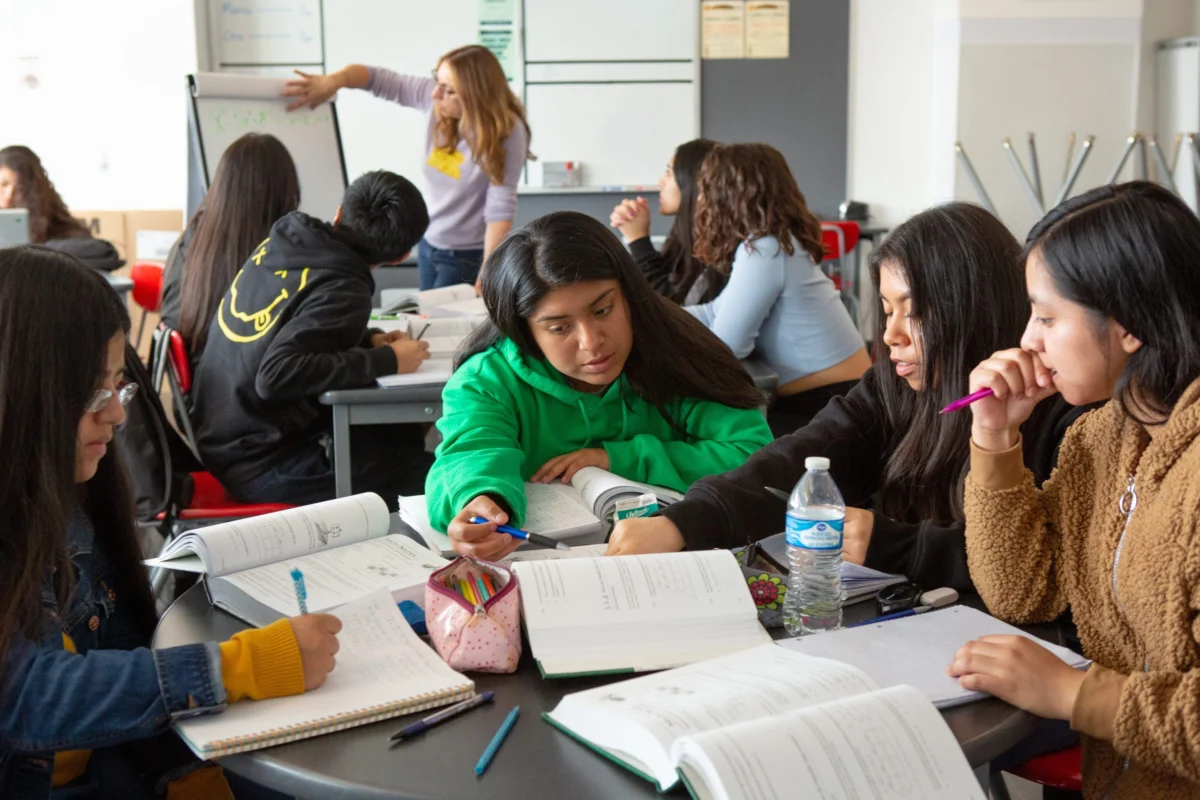
The American educational system has long prioritized the mastery of curriculum-based subjects—algebraic functions, chemical bonding, and historical chronologies—as the primary indicators of student success. However, a growing body of evidence suggests that this focus neglects a fundamental prerequisite for academic achievement: the science of learning itself. Students frequently graduate without a foundational understanding of how cognitive processes such as memory, attention, and stress regulation influence their ability to acquire and retain knowledge. This structural oversight often leads to a pervasive misconception among students that academic struggle is a direct reflection of diminished intellectual capacity rather than a lack of specialized learning strategies.
The Cognitive Gap in Modern Curricula
The prevailing pedagogical model often assumes that "learning" is an intuitive process. Yet, research in educational psychology indicates that cognitive functions are highly susceptible to environmental and physiological variables, including sleep hygiene, nutritional intake, and psychological stress. When students attempt to navigate high-stakes assessments without an understanding of these variables, they often resort to ineffective study habits, such as cramming, which can exacerbate anxiety and lead to cognitive burnout.
For many students in under-resourced districts, this lack of guidance is particularly acute. Without access to resources that explain the physiological underpinnings of concentration or the impact of sleep deprivation on memory consolidation, students are left to troubleshoot their academic performance in isolation. The result is a cycle of trial and error that frequently ends in frustration, academic underperformance, and a diminished sense of self-efficacy.
A Chronology of Student-Led Intervention
The movement toward "brain-health literacy" has gained momentum largely through student-led initiatives rather than top-down policy shifts. The trajectory of this shift can be observed through several key developments:
- 2019-2020: Increased awareness of the "stress-achievement gap" in urban school districts, where students began informally sharing study strategies to cope with the rigor of state-mandated testing, such as the Georgia Milestones Assessment.
- 2021-2022: The rise of digital literacy and independent research, fueled by online educational influencers, allowed students to access neuroscientific data previously confined to higher education. This period saw the informal implementation of "Cognition Clubs" where students began auditing their own study habits.
- 2023: The formalization of programs like the NeuroPioneers Pathway, which sought to bridge the gap between neurological research and K-12 classrooms by providing structured, six-week curricula focused on brain health, sleep cycles, and focused attention.
- 2024-2026: Educators and district administrators have begun to express interest in integrating these "learning-to-learn" modules into existing advisory and health courses, recognizing that cognitive health is an essential component of student retention and achievement.
Data-Driven Perspectives on Learning Science
The necessity for integrating learning science into the K-12 environment is supported by significant psychological data. According to studies published in the Journal of Educational Psychology, interventions that teach students "metacognition"—or thinking about one’s own thinking—can improve academic outcomes by as much as 15% to 20% over a single academic year.
Furthermore, sleep research highlights a critical barrier: data from the Centers for Disease Control and Prevention (CDC) suggests that more than 70% of high school students do not receive the recommended eight to ten hours of sleep. This deficit is not merely a lifestyle choice; it is a neurological impediment. Research shows that memory consolidation, the process by which short-term memories are converted into long-term knowledge, occurs primarily during the REM and deep-sleep cycles. When students "pull all-nighters," they effectively sabotage the very physiological mechanism required to store the information they are attempting to memorize.
The Impact of Socioeconomic Disparity
Educational equity is deeply intertwined with the dissemination of this knowledge. Students from affluent backgrounds often benefit from parental guidance or private tutoring that includes coaching on time management, stress reduction, and organizational strategies. In contrast, students in lower-income communities are disproportionately impacted by environmental stressors—such as food insecurity, limited access to quiet study environments, and higher rates of family-related responsibilities—which directly affect cognitive load.

By explicitly teaching the science of how these stressors affect the brain, schools can provide a level playing field. Providing a student with the knowledge of how cortisol (the stress hormone) inhibits the hippocampus (the brain’s memory center) can be an empowering tool. It shifts the narrative from "I am not smart enough" to "My brain is currently under high stress, and I need specific strategies to regulate my nervous system to perform optimally."
Institutional Responses and Pedagogical Integration
While many school districts have hesitated to add new graduation requirements to an already crowded schedule, educational leaders are exploring more efficient ways to incorporate brain-science literacy.
Educational experts suggest three primary avenues for integration:
- Cross-Curricular Infusion: Incorporating learning science into existing health or biology classes, where the discussion of the nervous system is already part of the curriculum.
- Advisory and Mentorship Programs: Using homeroom or advisory periods to facilitate workshops on focus, attention, and emotional regulation.
- Professional Development for Staff: Training counselors and social workers to act as "learning coaches," helping students identify the physiological barriers to their success.
Dr. Elena Rossi, an educational psychologist specializing in neuro-education, notes: "The goal is not to turn every student into a neuroscientist, but to give them the keys to their own cognitive engine. When a student understands that their brain is plastic—that it can grow and change in response to habits—we see a measurable increase in academic resilience."
Broader Implications for the Future of Education
The long-term implications of failing to teach students how to learn are significant. As the global economy shifts toward roles that require continuous upskilling and rapid adaptation to new information, the ability to self-regulate learning is becoming a primary career asset.
If the educational system remains focused solely on the content of learning while ignoring the process, it risks producing graduates who are unprepared for the complexities of adult learning environments. Conversely, a systemic shift toward integrating neuroscience into the classroom could lead to more confident, self-aware, and autonomous learners.
The transition from a passive recipient of information to an active manager of one’s own cognitive processes is a developmental milestone that schools are uniquely positioned to facilitate. By normalizing conversations around brain health, memory, and stress, institutions can foster a culture where academic success is viewed as a skill set to be cultivated rather than an innate trait to be possessed.
As the current academic landscape evolves, the focus must shift from merely increasing the volume of information presented to students to ensuring that they possess the cognitive framework necessary to process, retain, and apply that information effectively. The integration of learning science into K-12 education represents a critical step toward true educational equity and excellence, ensuring that all students, regardless of their background, have the tools to unlock their full potential.