Southwest Airlines is officially preparing to welcome the Boeing 737 MAX 7 into its active commercial fleet, with internal rollout documents indicating a targeted passenger flight launch in March 2027. This long-awaited addition represents a significant technological and passenger-experience leap for the carrier, as the airline looks to phase out its aging narrowbody inventory in favor of a modern, efficient, and amenity-rich aircraft.

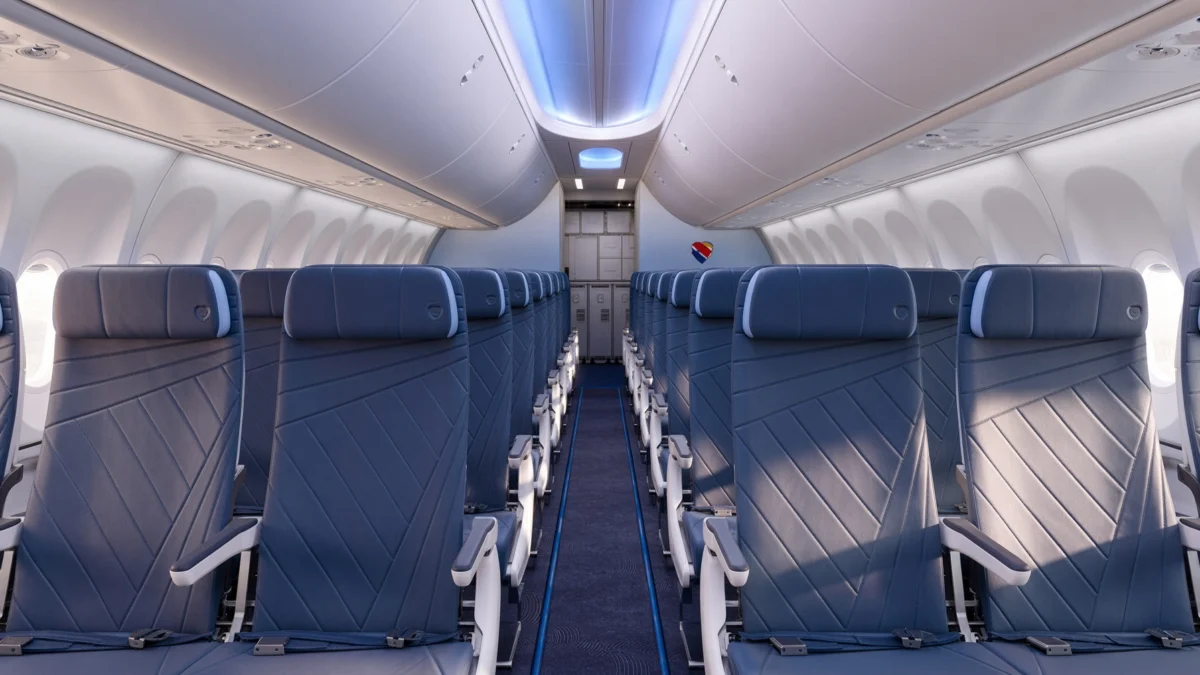
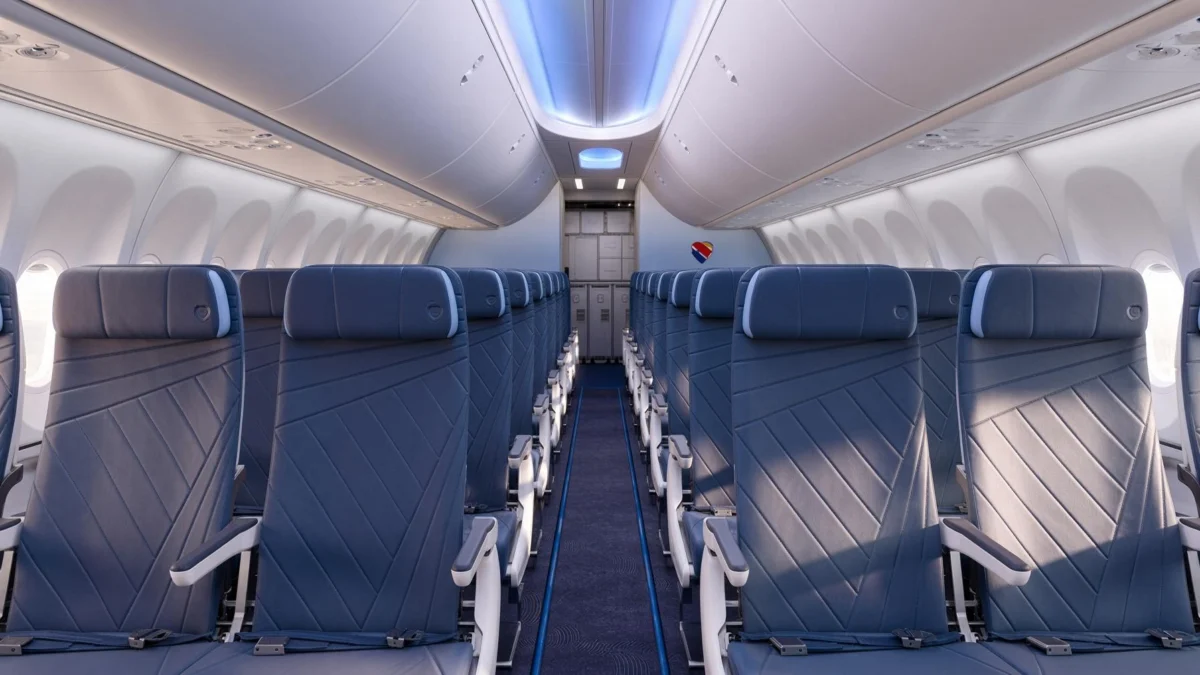
According to leaked operational schedules and planning documents, the incoming MAX 7 fleet will feature a standardized 150-passenger cabin configuration outfitted with modern Recaro seating. Beyond the physical seats, passengers can look forward to high-speed inflight connectivity powered by Starlink internet, individual seat power outlets for electronic devices, and substantially larger overhead bins designed to mitigate the perennial boarding scramble for carry-on luggage space. For frequent flyers accustomed to Southwest’s older, legacy single-aisle aircraft, the transition promises a markedly superior onboard environment.

The path to the MAX 7’s introduction has been protracted, shaped heavily by regulatory scrutiny, certification delays, and shifting market dynamics within the commercial aviation sector. While certification hurdles have pushed back initial timelines repeatedly over the past several years, current planning suggests that the Federal Aviation Administration (FAA) and Boeing are navigating the final phases of clearance, paving the way for Southwest to integrate the plane by early 2027.

Fleet Modernization and Passenger Experience Upgrades
The introduction of the 737 MAX 7 is not merely a fleet expansion; it is a vital component of Southwest’s broader strategy to modernize its product offering and improve operational efficiency. The carrier has historically relied heavily on uniformity within its fleet—flying exclusively Boeing 737 variants to streamline maintenance, crew training, and scheduling. However, as customer expectations evolve, the lack of modern amenities such as seatback power and reliable high-speed Wi-Fi on older aircraft has become a competitive disadvantage.

By outfitting the MAX 7 with Starlink internet and in-seat power, Southwest is directly addressing modern connectivity demands. Furthermore, the inclusion of enlarged overhead bins addresses one of the most common passenger complaints in commercial aviation. Larger bins allow rolling bags to be stored wheels-first, increasing bin capacity and significantly accelerating the boarding and deplaning processes—a critical metric for an airline whose business model relies on quick aircraft turnaround times at the gate.

The partnership with Recaro for cabin seating also signals a shift toward optimized ergonomics and space utilization. The 150-seat layout strikes a balance between passenger comfort and revenue density, ensuring that Southwest remains economically competitive against ultra-low-cost carriers while offering a product that rivals legacy network airlines.

Broader Aviation Landscape: Financial Pressures, Regulations, and Loyalty Shifts
The announcement of Southwest’s fleet timeline coincides with a turbulent period for the broader global aviation and travel industries. Across the sector, carriers are grappling with shifting economic landscapes, regulatory crackdowns, and evolving consumer habits.

Recently, South African Airways found itself navigating yet another wave of financial instability, underscoring the fragile economic recovery of certain international carriers amid fluctuating fuel prices and macroeconomic headwinds. Meanwhile, regulatory bodies are tightening their oversight of commercial practices. Notably, the Federal Trade Commission (FTC) has initiated formal investigations into major airlines concerning the use of personalized pricing algorithms—a practice where carriers potentially leverage consumer data to tailor ticket prices dynamically.

On the domestic product front, legacy carriers continue to experiment with cabin segmentation. United Airlines recently launched a "basic" first-class fare structure, creating a new tier for travelers seeking premium seating without the traditional accompanying perks, signaling an ongoing industry-wide race to monetize every square foot of aircraft cabin space. In the hospitality sector, major players like Hyatt have announced aggressive expansion plans, putting pressure on travelers to carefully manage their loyalty program elite benefits as qualification criteria and redemption values shift.

Operational Adjustments and Travel Logistics
As airlines adapt to changing operational realities, travelers are also forced to navigate logistical quirks. For instance, the annual end of Daylight Saving Time—which sees clocks fall back one hour across most of the United States and Canada—frequently creates scheduling anxiety for early-morning flyers, requiring both airlines and passengers to carefully coordinate itineraries to avoid missed connections.

Concurrently, airport infrastructure and lounge habits remain a topic of intense discussion among frequent flyers. Debates persist over whether travelers should leave belongings unattended in airport lounges while visiting buffet stations or restrooms, highlighting the human element of modern travel security and etiquette.

Meanwhile, credit card issuers and loyalty programs continue to roll out aggressive acquisition offers to capture consumer spending. Bank of America’s recent product launches, such as the Atmos Rewards Summit Card carrying a $395 annual fee, showcase how financial institutions are continuously courting affluent travelers with generous sign-up bonuses, sizable credit lines, and accelerated earning structures. Hotel brands are following suit; Rove recently introduced a lucrative promotion offering 5,000 bonus miles on initial hotel bookings exceeding $500, yielding up to an additional 10 miles per dollar spent—a roughly 15% return on investment for savvy booking strategies.

Implications of Southwest’s Fleet Evolution
Southwest Airlines’ planned March 2027 rollout of the Boeing 737 MAX 7 marks a pivotal milestone for the carrier. As the airline prepares to integrate these advanced aircraft into its route network, the industry will be watching closely to see how effectively the carrier can manage the transition while maintaining its trademark operational reliability.

The inclusion of high-speed Starlink Wi-Fi, modern Recaro seating, and expanded storage capacity positions Southwest to capture a more diverse demographic of business and leisure travelers who prioritize connectivity and comfort. By bridging the gap between low-cost efficiency and modern passenger amenities, Southwest is signaling that its future lies in a more refined, technologically integrated travel experience. As the timeline ticks closer to March 2027, the successful execution of this rollout will likely serve as a benchmark for single-aisle fleet modernization across the North American aviation market.