
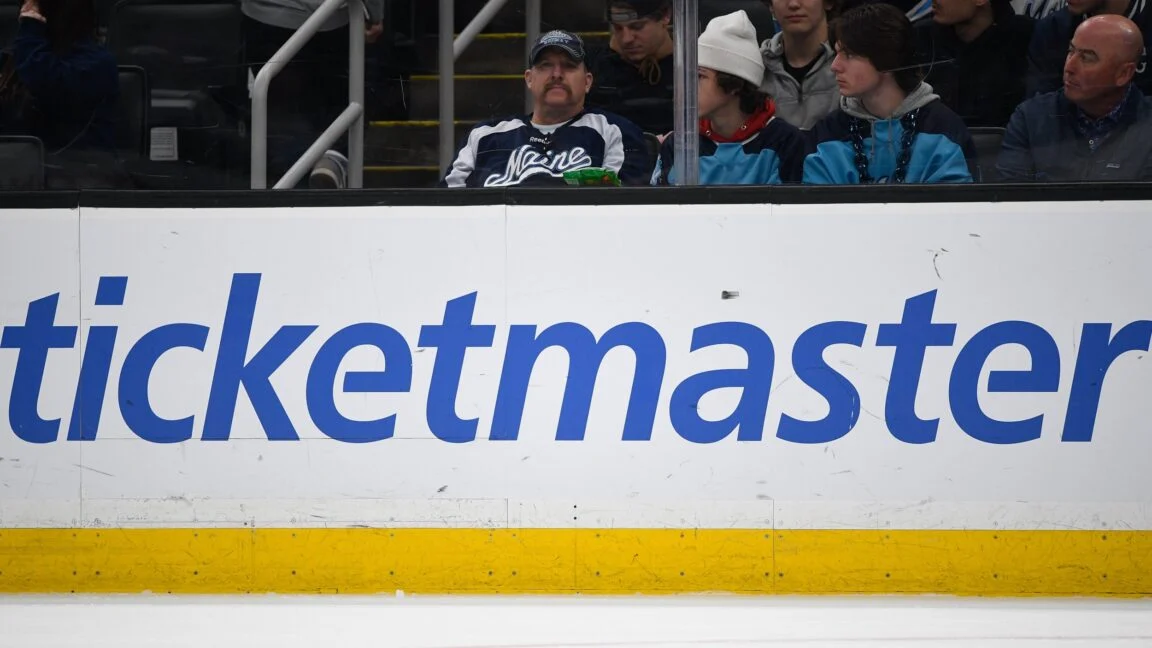
In a dramatic turn of events that underscored the persistent tension between federal and state antitrust enforcement, a coalition of 33 U.S. states and the District of Columbia announced a significant legal victory today against Live Nation Entertainment and its subsidiary, Ticketmaster. This triumph comes just weeks after the Trump administration controversially opted to withdraw from the ongoing antitrust case, striking a surprise settlement with Live Nation that effectively blindsided the states and forced them to independently spearhead the complex litigation. The outcome represents a powerful assertion of state authority in challenging corporate monopolies and has been widely hailed by consumer advocates and state attorneys general alike as a crucial step towards fostering competition in the live entertainment industry.
The genesis of the legal challenge against Live Nation and Ticketmaster traces back to mounting public frustration and a growing consensus among policymakers regarding the perceived monopolistic practices of the entertainment behemoth. The 2010 merger of Live Nation, the world’s largest concert promoter and venue operator, with Ticketmaster, the dominant ticketing service, created an integrated entity with unparalleled control over nearly every aspect of the live music ecosystem. Critics argued that this consolidation stifled competition, leading to exorbitant fees, limited ticket availability, and a lack of transparency for consumers. For over a decade, fans, artists, and smaller promoters have voiced grievances about service charges, dynamic pricing, and the perceived inability to access tickets directly without navigating a labyrinth of fees and often-inflated secondary markets.
The public outcry reached a fever pitch in late 2022 and early 2023, particularly following the highly publicized ticketing debacle for Taylor Swift’s "Eras Tour." Millions of fans encountered system crashes, lengthy queues, and ultimately, inability to purchase tickets at face value, leading to widespread accusations of Ticketmaster’s inability to handle demand and its alleged market abuses. This incident served as a powerful catalyst, reigniting calls for stringent antitrust action and drawing the attention of both federal and state regulators. By early 2024, the Biden administration’s Department of Justice (DOJ), known for its more aggressive stance on antitrust enforcement, formally filed a comprehensive lawsuit against Live Nation Entertainment, alleging a range of anti-competitive practices designed to maintain its dominant position and stifle innovation. This federal action was swiftly joined by a broad coalition of state attorneys general, signaling a united front against the ticketing and promotion giant.
However, the trajectory of the federal case took an unexpected turn in February 2026. As the trial was underway, the Trump administration, poised to take office, intervened with a sudden announcement: a settlement had been reached with Live Nation. This move, executed without prior consultation with the states, sent shockwaves through the legal and political landscapes. The terms of the Trump administration’s proposed settlement reportedly included no demand for a structural breakup of Live Nation and Ticketmaster – a key objective for many critics and the initial federal lawsuit – but rather focused on adjustments to business practices and civil penalties. Reports indicated that the settlement offered up to $280 million in penalties for states that chose to join the agreement. Yet, only six states—Arkansas, Iowa, Mississippi, Nebraska, Oklahoma, and South Dakota—opted into this federal deal, reportedly receiving a collective sum of $18.6 million.
This abrupt withdrawal and settlement by the incoming federal administration left the remaining 33 states and the District of Columbia in a precarious but ultimately determined position. Forced to shoulder the full weight of the litigation, these states demonstrated an unwavering resolve to pursue their case against Live Nation independently. Arizona Attorney General Kris Mayes, a vocal critic of the federal settlement, articulated this sentiment sharply today: "The Trump administration gave up the fight and wanted to let these companies off the hook easily. But we kept fighting for every Arizonan who has been charged too much by this illegal monopoly, and we won." Her statement, made public following the states’ victory, underscored the deep philosophical divide between the federal and state approaches to this critical antitrust issue.
The coalition of states that persevered included a diverse group spanning the nation: Massachusetts, Pennsylvania, Virginia, Connecticut, New York, Arizona, California, Colorado, Florida, Illinois, Indiana, Kansas, Louisiana, Maryland, Michigan, Minnesota, Nevada, New Hampshire, New Jersey, New Mexico, North Carolina, Ohio, Oregon, Rhode Island, South Carolina, Tennessee, Texas, Utah, Vermont, Washington, West Virginia, Wisconsin, and Wyoming. Their collective legal effort continued, building upon the evidence and arguments initially compiled by the Biden DOJ.
The verdict for the states, announced today, represents a significant blow to Live Nation’s long-standing business model and a triumph for consumer protection. While specific details of the remedies mandated by the court for the states were not immediately made public, legal analysts anticipate that the ruling will likely compel Live Nation and Ticketmaster to implement substantial changes to their business practices. These changes could include greater fee transparency, limits on exclusivity agreements with venues, prohibitions on predatory pricing tactics, and potentially measures to facilitate greater competition in both ticketing and concert promotion markets within the jurisdictions of the winning states. Such remedies would aim to dismantle some of the key mechanisms through which Live Nation allegedly leveraged its market power to the detriment of consumers and competitors.
Adding an intriguing layer to the narrative was the congratulatory message issued by Gail Slater, a former assistant attorney general who briefly led the U.S. Justice Department’s antitrust division from March 2025 to February 2026 under the Trump administration. Slater, a Trump nominee, had reportedly advocated for tougher antitrust enforcement during her tenure, a stance that appeared to clash with the administration’s broader approach. News reports from early 2026 indicated that she was forced to resign after less than a year due to disputes with key Trump officials over antitrust policy, specifically concerning the Live Nation case and other major corporate mergers. Her public commendation of the states’ victory, therefore, carries additional weight, suggesting internal discord within the previous administration regarding its approach to corporate power and competition.
The implications of this landmark state-led antitrust victory are far-reaching. Firstly, it highlights the increasing importance and efficacy of state attorneys general in prosecuting complex antitrust cases, particularly when federal enforcement priorities shift or diverge. This case could serve as a powerful precedent, empowering states to pursue similar actions against dominant corporations, even in the absence of federal support. It underscores the concept of "laboratories of democracy," where states can independently test and implement policies that may later influence national standards.
Secondly, for the live entertainment industry, the ruling is expected to usher in a period of significant adjustment. Live Nation Entertainment, which controls an estimated 70% of the primary ticketing market and a substantial portion of concert promotion and venue management, will likely face increased scrutiny and pressure to comply with new regulations in the winning states. This could lead to a more fragmented market, with varying rules across different jurisdictions, potentially complicating Live Nation’s operations but simultaneously opening doors for smaller ticketing companies and independent promoters. Consumers in the victorious states could anticipate more transparent pricing, potentially lower service fees, and greater access to tickets through more competitive channels.
Thirdly, the case illuminates the ongoing political debate surrounding antitrust philosophy. The stark contrast between the Trump administration’s settlement, which favored behavioral remedies over structural changes, and the states’ successful pursuit of a more aggressive outcome, reflects a fundamental disagreement on how best to address monopoly power. This divide is likely to persist and shape future antitrust policy discussions at both federal and state levels. The public’s overwhelming support for cracking down on perceived corporate overreach, fueled by events like the "Eras Tour" debacle, ensures that antitrust remains a potent political issue.
Looking ahead, Live Nation Entertainment is expected to thoroughly review the court’s decision and determine its next steps, which could include appeals or compliance measures. The company has consistently maintained that its integrated model benefits artists and fans by providing a streamlined, efficient platform. However, the states’ victory challenges this narrative, asserting that efficiency should not come at the cost of fair competition and consumer choice. This ruling marks a pivotal moment, signaling a potential shift in the balance of power within the live entertainment industry and reinforcing the critical role of robust antitrust enforcement in safeguarding market integrity and consumer welfare across the United States.










Leave a Reply