
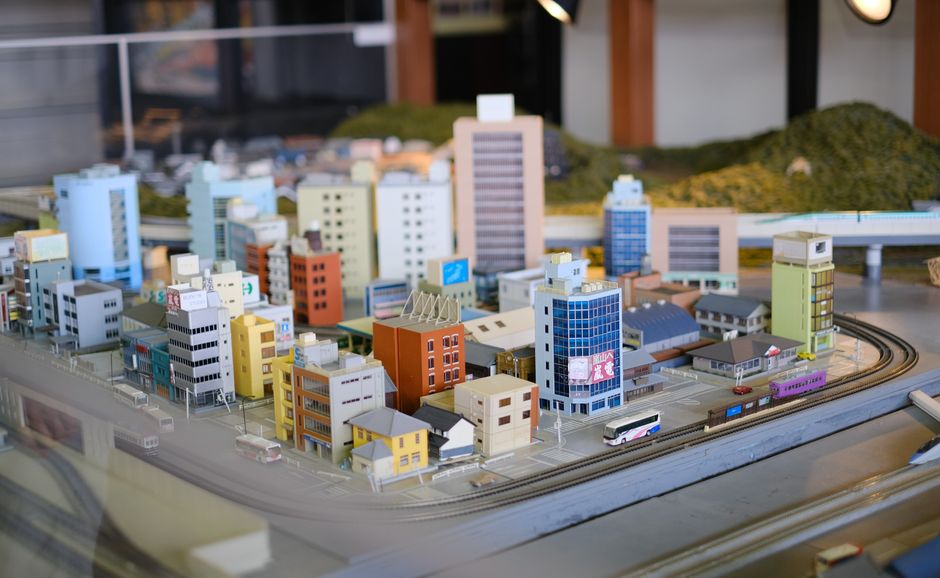
Strategic City Builder with Realistic Simulation: Mastering Urban Development
Strategic city builder games that prioritize realistic simulation offer a compelling and intellectually engaging experience for players who enjoy intricate management, long-term planning, and a deep understanding of urban dynamics. These titles transcend simple resource management, demanding players grapple with complex interconnected systems that mirror real-world challenges of urban planning, infrastructure development, economic growth, social welfare, and environmental impact. The core appeal lies in the intricate simulation, where every decision, from zoning a residential area to building a new power plant, has cascading effects across the entire metropolis. Unlike arcade-style city builders, these realistic simulations require a nuanced approach, penalizing short-sightedness and rewarding thoughtful, data-driven strategies. Players are tasked with creating not just a functional city, but a thriving, sustainable, and livable environment for their simulated citizens, balancing competing demands and unforeseen events.
The foundation of any realistic city builder lies in its sophisticated economic simulation. This typically involves a multi-layered system of production, consumption, and trade. Players must manage a variety of industries, from agriculture and resource extraction to manufacturing and high-tech sectors. Each industry has specific input requirements (raw materials, labor, energy) and produces output that fuels other sectors or is consumed by the population. This creates a delicate supply chain that can easily be disrupted. For instance, a shortage of coal will impact power generation, which in turn will halt factories, leading to unemployment and reduced tax revenue. Furthermore, players must consider the flow of goods and services within the city and, in more advanced titles, international trade. Establishing efficient transportation networks becomes paramount, as bottlenecks can cripple the economy. The simulation often incorporates fluctuating market prices, global demand, and even the impact of natural disasters or political instability on resource availability and cost. Mastering this economic engine requires careful analysis of production chains, strategic placement of industries to minimize transport costs, and the ability to adapt to market shifts.
Labor is another critical component of a realistic city builder’s simulation. Citizens are not simply numbers; they possess varying skill levels, education, and career aspirations. Players must ensure that there are sufficient job opportunities at all skill levels to match the available workforce. A highly educated populace will be unhappy if their only employment options are low-skilled manual labor, leading to dissatisfaction and emigration. Conversely, a city with an abundance of high-paying jobs but insufficient housing or amenities will struggle to attract and retain its workforce. Education systems, from elementary schools to universities, become vital investments. Universities not only produce highly skilled workers for advanced industries but also drive innovation, unlocking new technologies and buildings that can further enhance the city’s economy and quality of life. Managing labor also involves addressing unemployment, ensuring fair wages (which impact consumer spending and business profitability), and dealing with specialized labor shortages.
Transportation simulation is often a cornerstone of these realistic titles, reflecting the immense logistical challenges of urban environments. Cities are defined by their movement of people and goods. Players must design and manage intricate road networks, public transit systems (buses, trains, subways, trams), and potentially even freight transport (railroads, ports, airports). The simulation often accounts for traffic congestion, travel times, the efficiency of different transport modes, and the environmental impact of vehicle emissions. Inefficient public transport can lead to increased car usage, exacerbating congestion and pollution. Conversely, a well-planned transit system can reduce travel times, boost economic activity by facilitating commerce, and improve the overall livability of the city. Players might need to consider the capacity of roads, the placement of intersections and traffic lights, the frequency of public transport services, and the integration of different modes of transport to create a seamless flow. The impact of zoning decisions on traffic is also significant; placing residential areas far from commercial centers without adequate transport links is a recipe for gridlock.
Social simulation adds another layer of complexity, focusing on the well-being and satisfaction of the city’s inhabitants. Citizens have diverse needs and desires that extend beyond employment and basic amenities. These include access to healthcare, education, recreation, cultural facilities, and safe living environments. The simulation often tracks metrics such as happiness, health, crime rates, and education levels for different population segments. Failing to address these needs can lead to social unrest, increased crime, decreased productivity, and ultimately, a declining population. Players must strategically invest in hospitals, schools, police and fire departments, parks, and entertainment venues. The proximity of services to residential areas, the quality of these services, and the affordability of housing all play a crucial role in citizen satisfaction. Furthermore, social simulation might encompass elements like cultural diversity, age demographics, and even the impact of noise pollution and environmental quality on residents’ well-being.
Environmental simulation introduces the critical aspect of sustainability, a growing concern in real-world urban planning. Realistic city builders often incorporate mechanics that simulate pollution (air, water, noise), waste management, and resource depletion. Power plants, industrial zones, and heavy traffic all contribute to pollution, which can negatively impact citizen health, reduce land value, and even trigger environmental disasters. Players must implement strategies to mitigate these effects, such as investing in clean energy sources, promoting recycling and waste treatment facilities, and establishing green spaces. The simulation might also track the depletion of natural resources, forcing players to consider long-term resource management and the development of more sustainable technologies. The balance between economic growth and environmental preservation is a constant challenge, requiring players to make difficult trade-offs. For example, a cheap, polluting power plant might fuel rapid industrial growth, but at the cost of long-term environmental damage and public health issues.
Disaster simulation adds an element of unpredictability and forces players to be prepared for the unexpected. Earthquakes, fires, floods, storms, and even industrial accidents can strike, causing widespread damage and disruption. Players must invest in emergency services (fire departments, police, hospitals) and infrastructure (flood barriers, robust building codes) to minimize the impact of these events. The simulation often models the spread of fires, the effectiveness of emergency response, and the long-term recovery process. Successfully navigating a disaster requires quick thinking, effective resource allocation, and a well-prepared infrastructure. The psychological impact on citizens, leading to reduced happiness and potential emigration, is also a simulated factor.
The user interface and information visualization are paramount for managing the complexity of these simulations. Realistic city builders typically offer a wealth of data through overlays, graphs, and detailed statistics. Players need to be able to easily access information about traffic flow, pollution levels, citizen happiness, economic performance, and infrastructure capacity. Intuitive overlays that highlight specific issues, such as traffic congestion or areas with low happiness, are essential for efficient problem-solving. Detailed graphs and historical data allow players to track trends, identify patterns, and make informed decisions for future planning. The ability to zoom in and inspect individual buildings or citizen statistics can provide granular insights into the simulation’s workings.
The long-term progression and replayability of these games are often driven by a sense of accomplishment and continuous improvement. Players begin with a small settlement and gradually grow it into a sprawling metropolis. The simulation provides a continuous feedback loop, rewarding good decisions with economic prosperity, happy citizens, and a thriving city, while penalizing poor choices with decline and stagnation. The sheer depth of the simulation means that each playthrough can be unique, as different player choices, random events, and starting conditions lead to vastly different urban landscapes. The constant challenge of optimizing multiple interconnected systems, coupled with the satisfaction of seeing a well-planned city flourish, ensures high replayability. Furthermore, many titles offer modding support, allowing players to introduce new buildings, mechanics, and even entirely new simulation systems, further extending the game’s longevity.
In conclusion, strategic city builders with realistic simulation offer a deeply rewarding experience for those who enjoy complex problem-solving and the intricate dance of urban development. They demand a holistic approach, where economic prosperity, social well-being, efficient infrastructure, and environmental sustainability are not separate concerns but interconnected elements of a dynamic, living system. Mastering these games is akin to mastering the art of urban planning itself, a continuous process of learning, adaptation, and thoughtful decision-making in the pursuit of a thriving and livable city.





Leave a Reply