
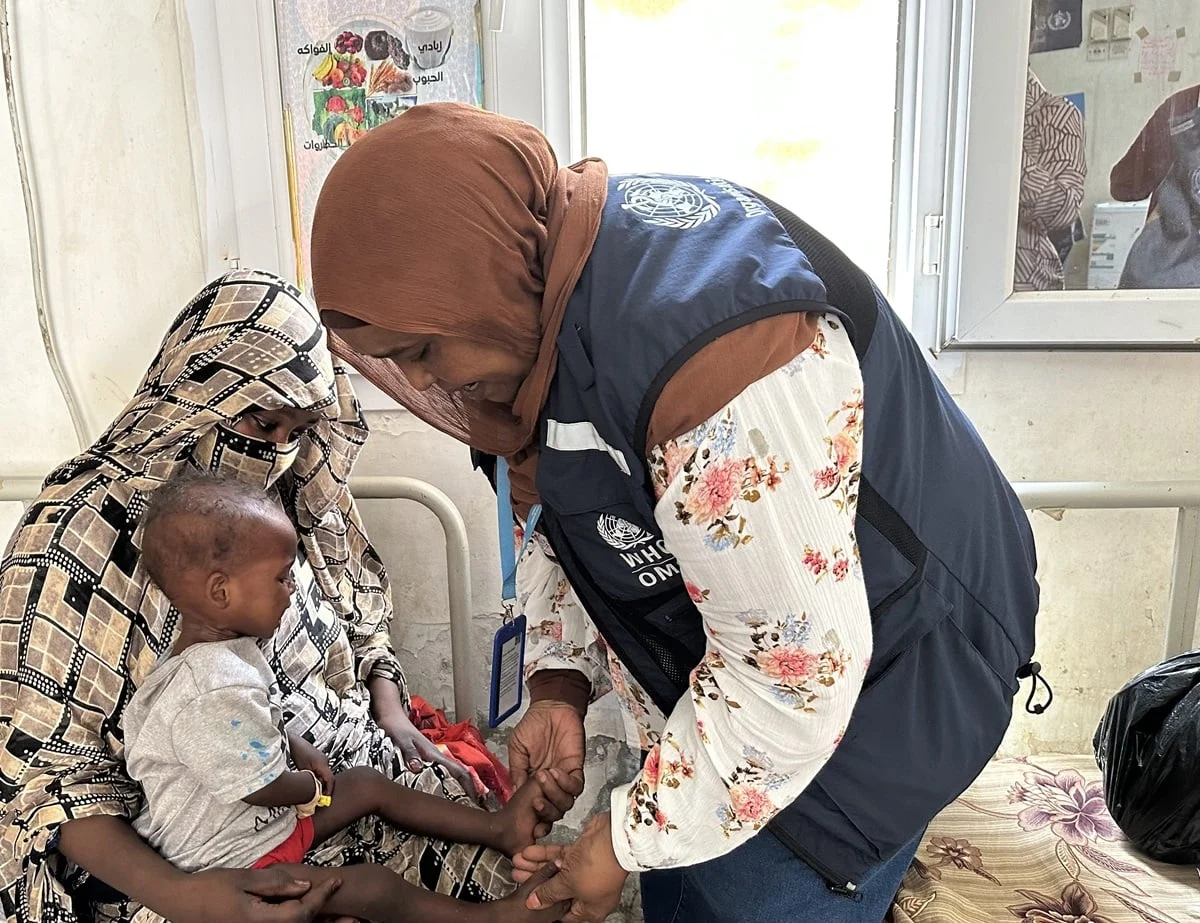
Three years into a devastating conflict, Sudan has been plunged into the world’s most severe humanitarian crisis, with an staggering 34 million people requiring assistance. The ongoing violence has crippled a medical system already teetering on the edge due to endemic disease and widespread hunger, leaving 21 million individuals without access to essential health services. While pockets of improvement have emerged in some Sudanese states, the health crisis is intensifying in areas where fighting persists. Disease outbreaks are escalating, malnutrition rates are soaring, and the already shrinking access to healthcare is being further exacerbated by insufficient funding.
"The war in Sudan is devastating lives and denying people their most basic rights, including health, water, food and safety," stated Dr. Tedros Adhanom Ghebreyesus, Director-General of the World Health Organization (WHO). "The health system has been crippled, leaving millions without essential health care. Doctors and health workers can save lives, but they must have safe places to work and the medicines and supplies they need. Ultimately, the best medicine is peace."
A Deepening Crisis: Statistics and Scenarios
The ramifications of this protracted conflict are starkly reflected in alarming statistics. Projections for 2026 indicate that over 4 million people are expected to suffer from acute malnutrition, according to an IPC Alert released on February 5, 2026. This severe nutritional deficiency significantly increases vulnerability to life-threatening medical complications and further disease.
The landscape of disease in Sudan is grim, with outbreaks reported across numerous states, including Al Jazirah, Darfur, Gedaref, Khartoum, Kordofan, River Nile, and White Nile. The prevalent diseases include malaria, dengue fever, measles, polio (specifically circulating vaccine-derived poliovirus type 2 – cVDPV2), hepatitis E, meningitis, and diphtheria. This widespread disease burden places immense pressure on an already overwhelmed and fractured healthcare infrastructure.
Across Sudan’s 18 states, a staggering 37% of health facilities are currently non-functional. The deliberate targeting of healthcare infrastructure – including hospitals, ambulances, patients, and healthcare workers – has become a horrifying hallmark of the conflict. These repeated attacks have severely curtailed access to medical care, particularly in active conflict zones where hospitals are either partially operational or have been rendered completely inoperable due to the destruction of facilities and vital equipment.
The WHO has meticulously verified 217 attacks on healthcare facilities and personnel since the conflict erupted on April 15, 2023. These assaults have resulted in a tragic toll of 2,052 deaths and 810 injuries, underscoring the dangerous environment in which medical professionals are attempting to operate.
The Grim Reality in Conflict Zones
The Greater Darfur and Kordofan regions exemplify the devastating impact of the war on health services. Intense fighting has displaced millions from their homes, creating massive internal displacement and severely impeding the movement of essential humanitarian supplies, including life-saving medicines and medical equipment.
A recent and particularly egregious example is the attack on El Daein Teaching Hospital in East Darfur. This assault not only compounded the existing crisis but resulted in at least 64 deaths, tragically including children and dedicated healthcare workers. The hospital, which served as a critical referral center for hundreds of thousands of people across East Darfur, has been rendered non-functional, leaving a vast population without access to specialized medical care.
"Three years in conflict have turned Sudan into the world’s largest ongoing health crisis, where disease is spreading, malnutrition is rising, and access to health care is rapidly declining," stated Dr. Hanan Balkhy, WHO Regional Director for the Eastern Mediterranean. "With millions lacking basic medical care, facing hunger, and at risk of disease, Sudan’s health crisis continues to deepen, emphasizing the urgent need for humanitarian support and long-term solutions. We remain committed to the people of Sudan."
A Timeline of Escalation and Devastation
The current humanitarian catastrophe in Sudan is the result of a protracted and escalating conflict that began in April 2023 between the Sudanese Armed Forces (SAF) and the Rapid Support Forces (RSF).
- April 15, 2023: The conflict erupts in Khartoum and rapidly spreads to other regions, particularly Darfur. Initial clashes quickly escalate into a full-blown civil war.
- May 2023 onwards: Displacement begins to rise dramatically as civilians flee violence. Access to basic services, including healthcare, deteriorates rapidly in affected areas. Reports of attacks on medical facilities emerge.
- Late 2023 – Early 2024: The humanitarian crisis deepens. Disease outbreaks, including cholera and measles, become more prevalent due to poor sanitation and lack of access to clean water and healthcare. Malnutrition rates, especially among children, reach alarming levels.
- February 2024: The Integrated Food Security Phase Classification (IPC) system warns of widespread food insecurity and malnutrition, with millions at risk of famine. The WHO reports a significant increase in attacks on healthcare.
- Throughout 2024 and into 2025: The conflict continues with varying intensity across different regions, leading to further displacement and destruction of infrastructure. The health system remains critically under strain. Reports of targeted attacks on medical personnel and facilities persist.
- February 5, 2026: The IPC Alert highlights the dire nutritional situation, projecting over 4 million acutely malnourished individuals.
- April 15, 2026: The WHO issues a statement detailing the severity of the health crisis, emphasizing the scale of humanitarian needs and the impact of ongoing attacks on healthcare.
WHO’s Multifaceted Response and Ongoing Efforts
In the face of this overwhelming crisis, the World Health Organization has been on the front lines, implementing a comprehensive and sustained response. With many health facilities suspended or destroyed, patients in urgent need of care are often forced to undertake perilous journeys to reach the nearest functioning medical centers. The repeated attacks on healthcare in regions like the Kordofans have not only decimated facilities but have also resulted in the tragic loss of lives, including those of children and patients.
"WHO has been on the ground since the start of the conflict, with supplies, disease surveillance, training and coordination," explained Dr. Shible Sahbani, WHO Representative to Sudan. "As access to some areas opens up, we are stepping up efforts to support early recovery and rehabilitation of the health system alongside the humanitarian response."
The WHO’s interventions are designed to address the immediate life-saving needs while also laying the groundwork for the long-term recovery of Sudan’s health system. Key actions include:
- Supply Chain Support: Ensuring the delivery of essential medicines, medical supplies, and vital equipment to areas of greatest need.
- Health Workforce Strengthening: Providing training and support to healthcare professionals who are working under immense pressure and in dangerous conditions.
- Restoration of Public Health Services: Re-establishing critical public health functions, including the operation of state and national reference laboratories, which are crucial for disease surveillance and diagnosis.
- Delivery of Medical Aid: Since April 2023, the WHO has delivered over 3,300 metric tons of medicines and medical supplies, encompassing critical provisions for cholera, malaria, nutrition, and trauma care.
- Direct Healthcare Provision: WHO-supported services have reached over 4.1 million people through primary healthcare centers, mobile clinics, and hospitals, providing essential medical care.
- Malnutrition Treatment: The organization has supported the treatment of over 118,000 children suffering from complicated severe acute malnutrition, a critical intervention to prevent child mortality.
- Vaccination Campaigns: Reaching more than 46 million children and adults with life-saving vaccines against cholera, polio, diphtheria, measles, and rubella. Notably, Sudan has become the first country in the region to introduce malaria vaccines into its routine immunization program, a significant step in combating this endemic disease.
- Outbreak Containment: The WHO worked collaboratively with the Federal and State Ministries of Health and various partners to contain two significant cholera outbreaks. The most recent outbreak was declared over in March 2026, following a sustained response that included extensive oral cholera vaccination campaigns reaching 24.5 million people.
The WHO’s operations are critically dependent on the generosity of donors and development partners. Their financial support has been instrumental in providing much-needed medical supplies, equipment, operational resources, and technical expertise.
A Call for Peace and Unrestricted Access
The World Health Organization reiterates its unwavering commitment to ensuring the health and well-being of all people in Sudan. To achieve this, the organization issues a fervent appeal for:
- Unrestricted and Safe Access: Humanitarian actors must be granted safe and unimpeded passage to all areas of Sudan to deliver life-saving assistance.
- Protection of Healthcare: A steadfast commitment to the principles of international humanitarian law, ensuring the protection of healthcare facilities, personnel, and patients from attack.
- Sustained Humanitarian Funding: Continuous and increased financial support is essential to maintain and expand vital health services.
- Long-Term Solutions: Addressing the root causes of the crisis and investing in long-term development and recovery is crucial for rebuilding Sudan’s future.
The ongoing conflict has pushed Sudan into an unprecedented humanitarian and health crisis. The international community’s attention and resources are urgently needed to alleviate suffering and work towards a lasting peace, which remains the most critical determinant for the restoration of health and human dignity in Sudan. The absence of peace directly hinders the attainment of even the most basic health outcomes for millions.
Editor’s Note: Editorial changes were made to this news release on April 15, 2026. The substance of the release, including reported numbers and statistics, has not been altered.









Leave a Reply