
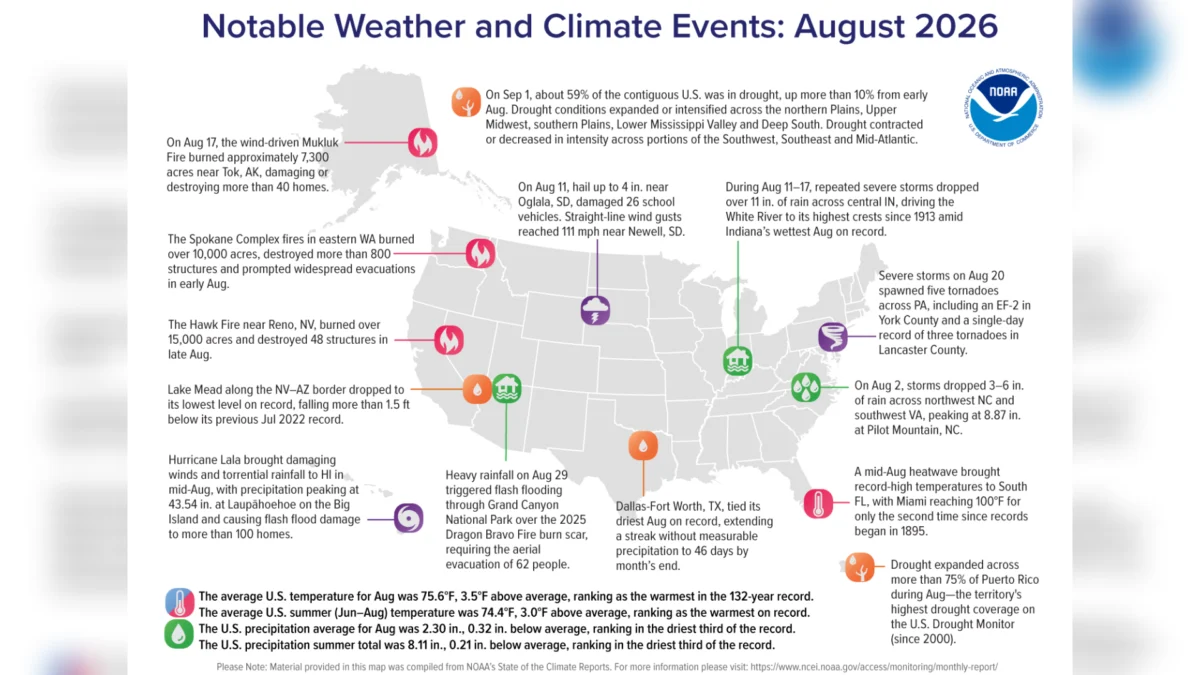
Data released by the National Oceanic and Atmospheric Administration (NOAA) confirms that the meteorological summer—defined as the months of June, July, and August—reached unprecedented temperature thresholds not seen in the 132 years of formal record-keeping. The average temperature across the contiguous United States climbed to 3 degrees Fahrenheit (1.67 degrees Celsius) above the long-term historical mean. This figure surpasses the previous record established in 2021 by a significant margin, underscoring an accelerating trend in regional warming that climate scientists have warned could have cascading effects on ecology, agriculture, and public safety.
A Chronology of Unprecedented Heat
The summer of 2026 was characterized by a relentless progression of thermal anomalies. While June and July provided clear indicators of an warming trend, August served as the crescendo. The month recorded temperatures 3.5 degrees Fahrenheit (1.94 degrees Celsius) above the 20th-century average, solidifying its status as the hottest August on record.
The heat was not distributed evenly; it manifested in concentrated pockets of extreme thermal intensity. The American Southwest, including Nevada and the southern reaches of California, faced sustained, multi-week heatwaves that pushed local infrastructure to its limits. Simultaneously, the southern Rockies, the southwestern Plains, New Mexico, and Colorado experienced record-breaking daytime highs. Even southern Florida, typically moderated by ocean breezes, saw temperatures consistently exceeding seasonal norms, leading to heightened heat stress for both human and wildlife populations.
Precipitation Deficits and the Expanding Drought
While the primary headline of the 2026 season was the extreme heat, the lack of precipitation provided a secondary, equally concerning narrative. The contiguous United States experienced its third-driest summer since national record-keeping began, marking the most significant arid period since the year 2000.
By September 1, approximately 59.1% of the United States was categorized as being in a state of drought. The geographic reach of this water scarcity was vast, affecting the Western United States, the upper Midwest, and the Deep South. Particularly alarming was the situation in Puerto Rico, where over 75% of the territory faced drought conditions, with 40% of the landmass classified as suffering from "extreme drought."
Meteorological models suggest that these deficits are not merely temporary anomalies but are part of a broader shift in regional climate patterns. The lack of soil moisture creates a feedback loop: dry ground absorbs more solar radiation and releases it as heat, which in turn further exacerbates local temperatures and discourages cloud formation, effectively locking the region into a cycle of heat and aridity.
The Escalation of Natural Disasters
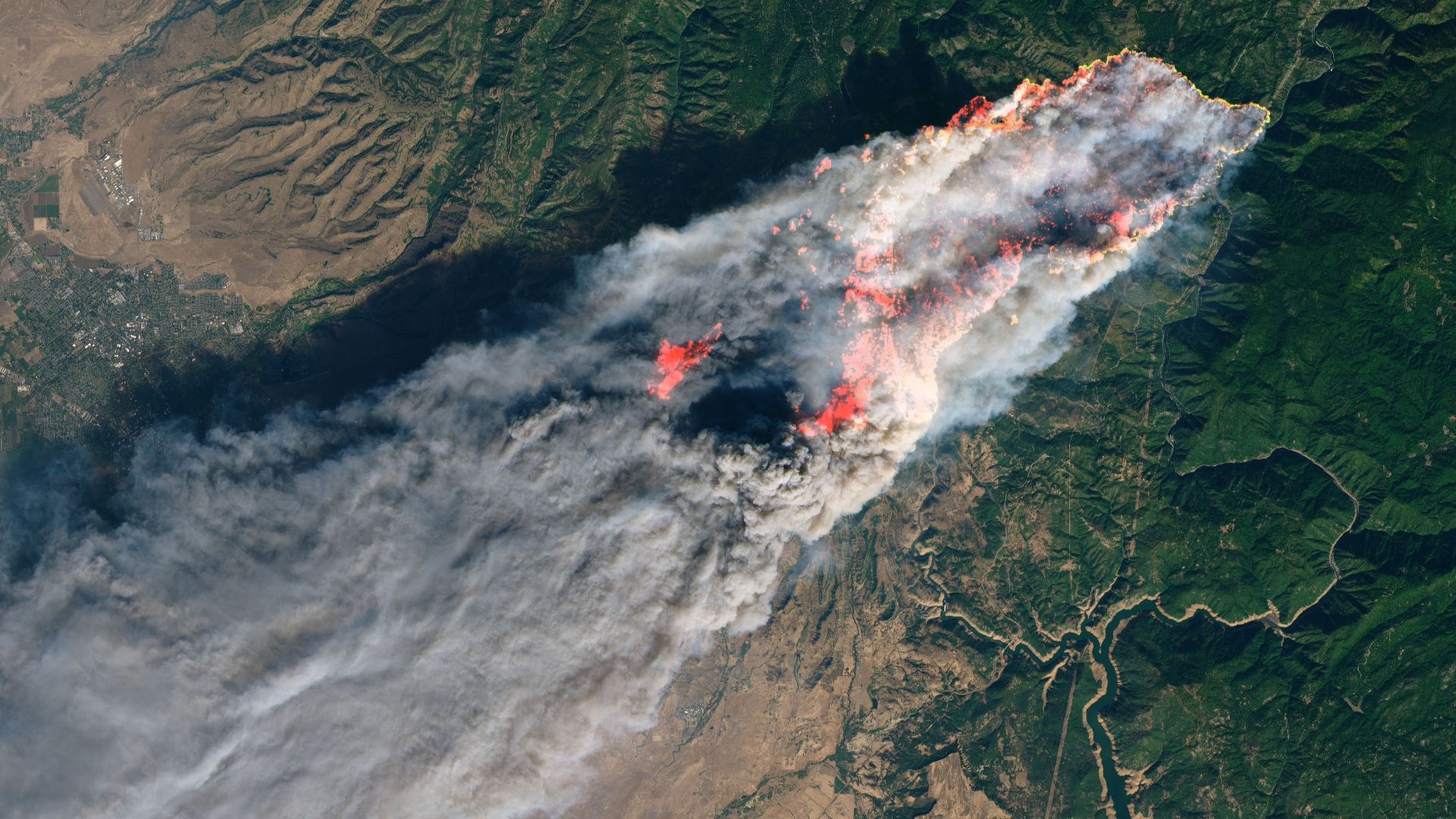
The environmental volatility of the summer was punctuated by a series of catastrophic climate-driven events. As the landscape dried out, the susceptibility to wildfire increased exponentially. In eastern Washington, blazes consumed more than 10,000 acres, with fire fronts expanding rapidly across the state line into Oregon. Nevada and Alaska similarly reported significant wildfire activity, stretching regional firefighting resources to their maximum capacity.
In South Dakota, the instability of the atmosphere led to extreme wind events, with gusts reaching up to 111 miles per hour (178.6 kilometers per hour). These winds caused widespread damage to power grids and infrastructure, illustrating the vulnerability of modern systems to sudden, high-energy weather events. Furthermore, the arrival of Hurricane Lala brought intense, localized flooding to Hawaii, serving as a reminder that a warming climate does not only bring drought; it also intensifies the moisture-carrying capacity of the atmosphere, leading to more violent precipitation events when they do occur.
Scientific Context and Global Implications
Climate experts point to the consistent rise in greenhouse gas emissions as the primary driver of these systemic changes. Activities such as industrial manufacturing, reliance on fossil fuels for transportation, and land-use changes continue to trap heat within the Earth’s atmosphere.
The consequences of this warming are far-reaching. Beyond the immediate heat and drought in the United States, global observations continue to track the rapid loss of glacial ice, particularly in regions like Greenland. The melting of polar ice contributes to sea-level rise, which threatens coastal communities worldwide.
"The data is clear," climatologists note, "the increase in global mean temperatures is creating a new baseline for what we consider ‘extreme’ weather." The implications of this are significant for the agricultural sector, which relies on predictable weather cycles for crop yields. A shift in the timing and duration of the growing season, combined with severe water shortages, could lead to long-term economic instability and increased food insecurity.
Official Responses and Mitigation Challenges
Government agencies, including NOAA and the U.S. Geological Survey, are currently analyzing the 2026 data to better inform future disaster preparedness and urban planning. The recurring nature of these record-breaking summers suggests that current infrastructure—from power grids designed for milder heat to water management systems built for more consistent rainfall—may be insufficient for the climate of the next decade.
Policy discussions are increasingly focusing on the necessity of "climate adaptation." This includes the development of heat-resilient urban infrastructure, the implementation of more robust water-sharing agreements between states, and the expansion of wildfire mitigation strategies, such as controlled burns and improved forest management.
However, many experts argue that adaptation is only one half of the necessary response. Without a global commitment to significantly reducing carbon emissions, the frequency and intensity of events like the summer of 2026 are expected to increase. The transition to renewable energy sources and the implementation of carbon-capture technologies remain central topics in international climate summits.
Looking Toward the Future
As the U.S. transitions into the autumn months, the lingering effects of the summer heat and drought remain a primary concern. Many regions are still projected to experience continued water stress, and the risk of late-season wildfires remains elevated due to the parched vegetation across the West and Midwest.
The summer of 2026 will likely be remembered by climatologists as a definitive point in the history of North American weather. It serves as an empirical demonstration of the theoretical models that have long predicted the intensification of the hydrological cycle and the broadening of thermal extremes. As the planet continues to warm, the lessons learned from this summer will be crucial in shaping how the nation manages its resources, protects its citizens, and attempts to mitigate the long-term impact of a changing climate.
The consensus among the scientific community remains steadfast: while the specific weather events of any single summer can vary, the overarching trend toward a hotter, more volatile world is an undeniable reality that requires sustained, evidence-based intervention. The record-shattering nature of 2026 provides not just a set of statistics, but a clear directive for future policy and environmental stewardship.







Leave a Reply