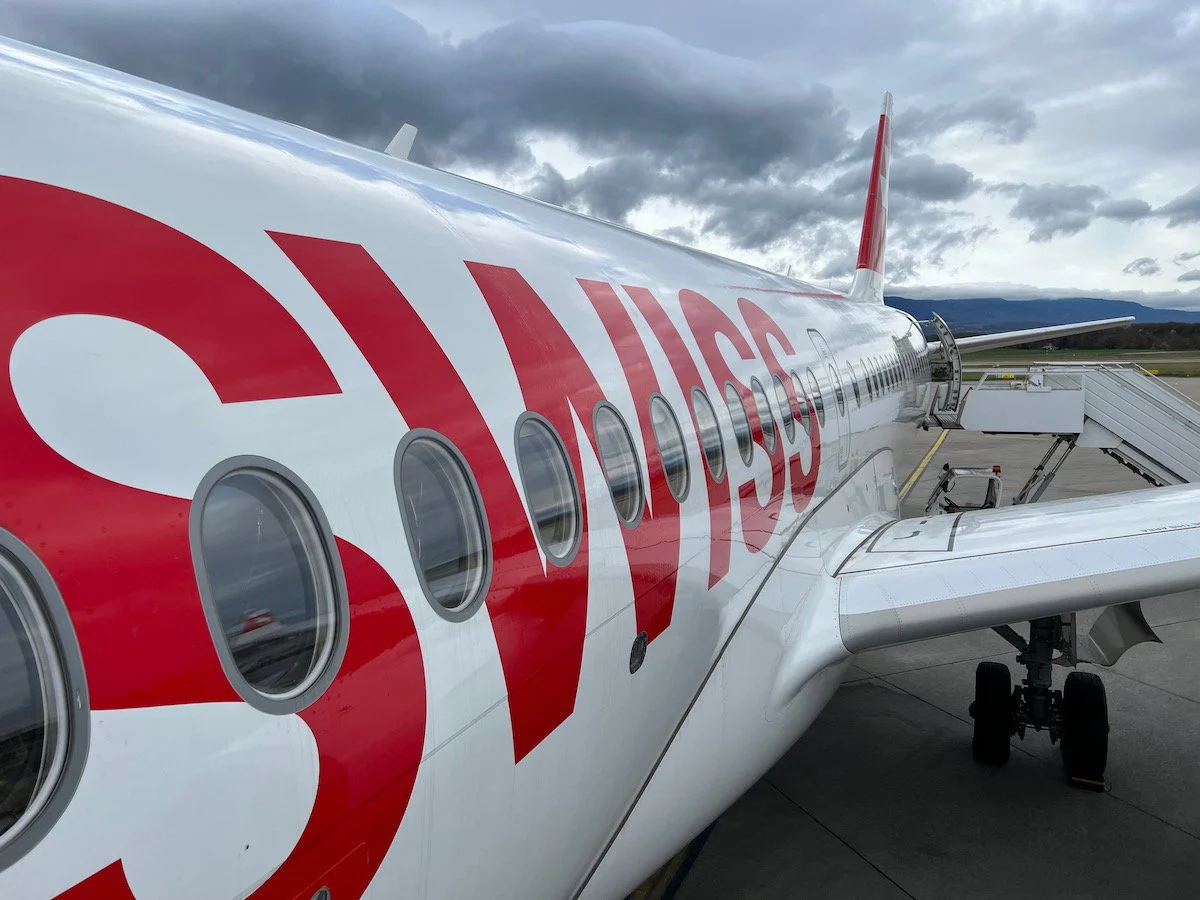
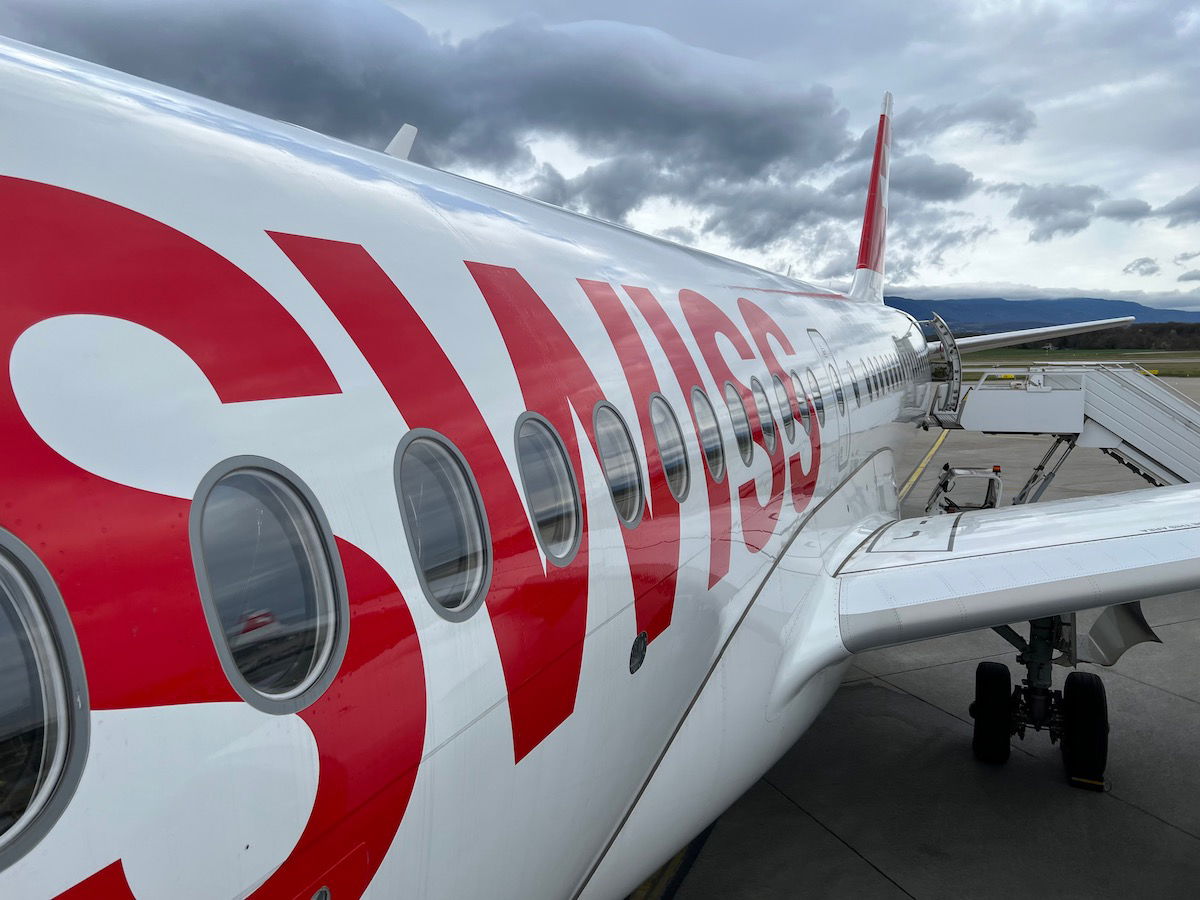
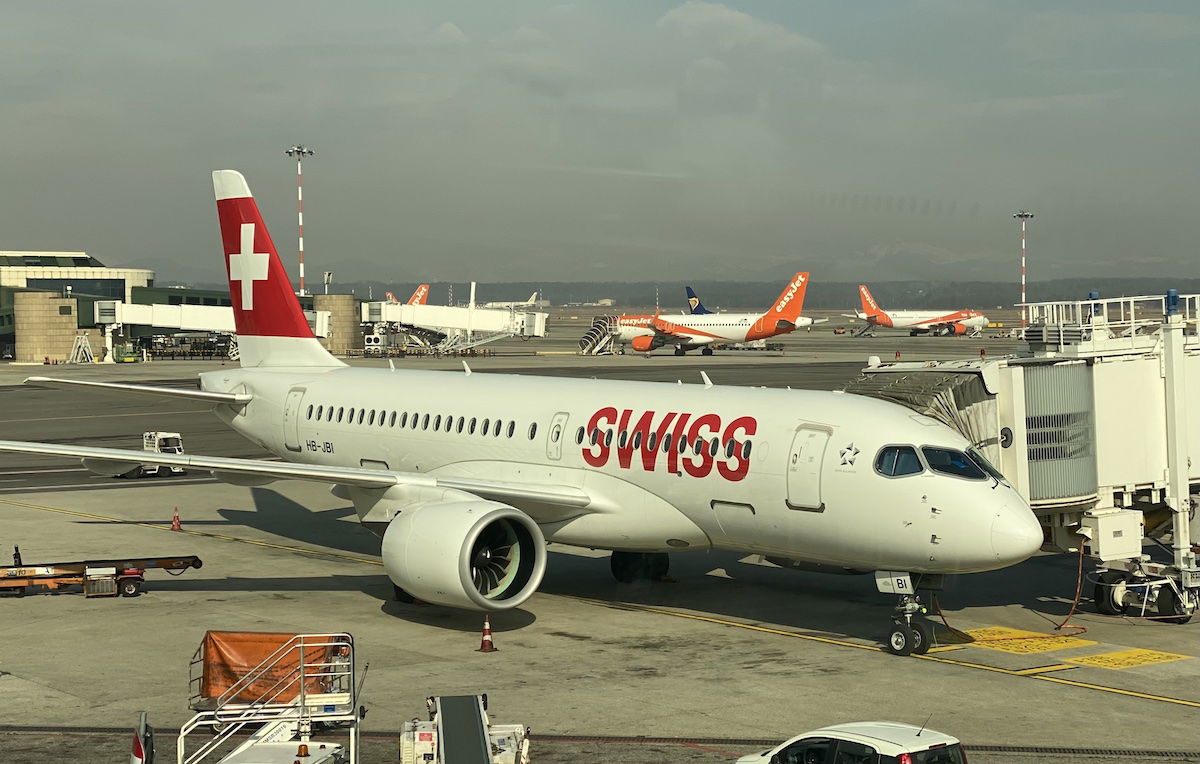
Two pilots employed by Swiss International Air Lines (SWISS) have been suspended from flight duties following an internal investigation into allegations of excessive alcohol consumption during a layover in Geneva. The incident, which occurred in May, has drawn significant attention within the aviation industry due to the rare circumstances under which the violation was reported. Unlike many previous instances where intoxicated flight deck members were identified by airport security or ground staff, these pilots were reported by their own cabin crew colleagues. This internal intervention prevented the pilots from operating a scheduled flight on an Airbus A220, highlighting the effectiveness of the airline’s internal safety reporting mechanisms and the stringent "Just Culture" protocols prevalent in modern commercial aviation.
Details of the Geneva Layover Incident
The incident began during a routine layover for a SWISS Airbus A220 crew in Geneva. According to reports first surfaced by aeroTELEGRAPH, the two pilots—the captain and the first officer—were observed by other members of the flight crew consuming alcohol in the hotel during their rest period. The observers noted that the quantity of alcohol consumed and the timing of the consumption appeared to be in direct violation of both legal regulations and the airline’s internal policies.
The cabin crew members described the pilots as being "clearly intoxicated" while at the hotel. Despite their condition, the pilots reportedly made no effort to declare themselves unfit for duty. Instead, they intended to report for their scheduled flight the following morning. Recognizing the immediate threat to flight safety, the flight attendants took the initiative to contact their supervisors and report their observations.
Following the report, SWISS management intervened before the pilots could reach the aircraft. A company spokesperson confirmed that the information provided was specific enough to warrant an immediate fitness-for-duty assessment. The two pilots were intercepted at the crew hotel, removed from their shift, and replaced by a standby crew to ensure the flight could proceed safely, albeit with the necessary operational adjustments.
The Regulatory Framework: "Bottle-to-Throttle" Rules
Aviation safety is governed by strict regulations regarding the consumption of alcohol by flight crews. These rules are designed to ensure that pilots are at peak cognitive and physical performance while operating complex machinery. Under the European Union Aviation Safety Agency (EASA) regulations, which SWISS adheres to as a carrier based in a country with bilateral aviation agreements with the EU, the limits are significantly more stringent than those for operating a motor vehicle.
The primary regulation often referred to in the industry is the "bottle-to-throttle" rule. While specific timeframes can vary slightly by airline policy, EASA regulations generally prohibit the consumption of alcohol within eight to twelve hours of a flight. Furthermore, the blood alcohol concentration (BAC) limit for pilots is typically set at 0.02% or lower—effectively a "zero tolerance" policy when compared to the 0.05% or 0.08% limits common for driving in many jurisdictions.
Alcohol affects the body in ways that are particularly dangerous in an aviation environment. Even at low levels, alcohol can impair vestibular functions, leading to spatial disorientation—a leading cause of fatal aviation accidents. It also degrades reaction times, multitasking abilities, and decision-making processes, all of which are critical during take-off, landing, and emergency procedures. At high altitudes, the physiological effects of alcohol can be exacerbated by lower oxygen levels, a condition known as hypoxia, even in pressurized cabins.
Safety Culture and the Role of Peer Reporting
The decision by the SWISS cabin crew to report their colleagues is being hailed by safety experts as a successful application of "Just Culture." In aviation, Just Culture refers to an environment where employees are encouraged to report safety-related information without fear of retribution, but where there is also a clear line between acceptable behavior and gross negligence or willful misconduct.
Historically, there has often been a "code of silence" or a sense of professional loyalty that might discourage crew members from reporting their peers. However, the modern aviation industry has worked tirelessly to shift this culture toward one where safety is the absolute priority. The SWISS spokesperson emphasized this point, stating that the incident demonstrated that the airline’s safety mechanisms are functioning as intended.
"Our safety mechanisms are working: employees took responsibility and reported their observations," the spokesperson noted. "We acted immediately and applied the established procedures. This safety culture helps the airline identify and eliminate risks before they impact flight operations."
The fact that both pilots were involved in the drinking session suggests a breakdown in the "cross-check" system that usually exists between a captain and a first officer. In a standard cockpit environment, one pilot acts as a check on the other. When both pilots violate safety protocols simultaneously, the cabin crew becomes the final line of defense in the interest of passenger safety.
Investigation and Corporate Consequences
Following the removal of the pilots from duty, SWISS launched a comprehensive internal investigation. The pilots remain suspended and are prohibited from conducting any flight duties until the investigation is concluded. While the airline has not publicly detailed the specific disciplinary actions that will be taken, industry standards suggest that such violations often lead to the permanent termination of employment and the potential revocation of pilot licenses by the Swiss Federal Office of Civil Aviation (FOCA).
The investigation will likely look into the specific timeline of events in Geneva, the quantity of alcohol consumed, and whether there were any previous indications of such behavior. SWISS, as a subsidiary of the Lufthansa Group, maintains some of the highest training and safety standards in the world. An incident of this nature is considered a significant breach of the trust placed in flight deck professionals.
In a statement, the airline reiterated its commitment to safety: "Until the investigation is completed, the pilots in question will not be deployed on flight duties and will therefore not be conducting any flights." This proactive stance is intended to reassure both the public and regulatory bodies that the airline does not tolerate deviations from safety protocols.
Historical Context and Industry Statistics
While pilot intoxication is extremely rare, it is a recurring issue that the global aviation industry monitors closely. According to data from the Federal Aviation Administration (FAA) in the United States, between 2010 and 2018, approximately 117 pilots tested positive for alcohol out of more than 100,000 tests conducted. While the percentage is small (roughly 0.1%), the potential for catastrophe makes each case a high-priority safety event.
In recent years, several high-profile cases have made headlines. In 2018, a Japan Airlines co-pilot was sentenced to prison in the United Kingdom after being caught with a blood alcohol level nearly ten times the legal limit for pilots shortly before a flight from London Heathrow. Similarly, in 2019, a United Airlines pilot was arrested at Glasgow Airport for failing a breathalyzer test before a flight to Newark.
These incidents have led to increased calls for more frequent and random alcohol testing for flight crews. In Europe, EASA introduced new rules in 2021 requiring airlines to perform random alcohol testing on pilots and cabin crew as part of their safety management systems. These regulations were partly a response to the 2015 Germanwings tragedy, which, while focused on mental health, highlighted the need for better monitoring of flight crew well-being and fitness for duty.
Technical Implications for Short-Haul Operations
The aircraft involved in the incident, the Airbus A220, is a cornerstone of SWISS’s short and medium-haul fleet. Operating out of hubs like Zurich and Geneva, these aircraft perform multiple cycles (take-offs and landings) per day. Short-haul flying is often more demanding than long-haul flying in terms of the number of critical flight phases pilots must manage in a single shift.
The Geneva base is a vital part of the SWISS network, connecting the "Global City" with major European capitals. The complexity of navigating busy European airspace, combined with the technical precision required to operate the A220’s advanced fly-by-wire systems, necessitates that pilots remain in peak condition. The intervention by the cabin crew prevented a situation where impaired pilots would have been responsible for the lives of up to 145 passengers on one of the most technologically advanced narrow-body aircraft in service today.
Conclusion and Future Outlook
The SWISS drinking incident serves as a stark reminder of the human element in aviation safety. Despite the advancement of automation and safety technology, the judgment and physical state of the flight crew remains the most critical factor in the safe operation of an aircraft.
The airline’s response to the incident—praising the whistleblowers and taking immediate disciplinary action—is a textbook example of how a modern airline manages safety risks. By prioritizing the integrity of their safety culture over the potential embarrassment of a public scandal, SWISS has reinforced the message that safety is a collective responsibility shared by every employee, from the cockpit to the cabin.
As the aviation industry continues to recover from the operational stresses of the past few years, the focus on crew mental health, fatigue, and fitness for duty remains a top priority for regulators like EASA and FOCA. The successful prevention of this risky flight in Geneva will likely be used as a case study in crew resource management (CRM) training, illustrating how effective communication and a commitment to safety can prevent potential disasters before they ever leave the ground. For the passengers of SWISS, the incident provides a paradoxical sense of security: while it is unsettling to know that pilots would attempt to fly while intoxicated, it is reassuring to know that the rest of the crew is vigilant, empowered, and dedicated to their protection.