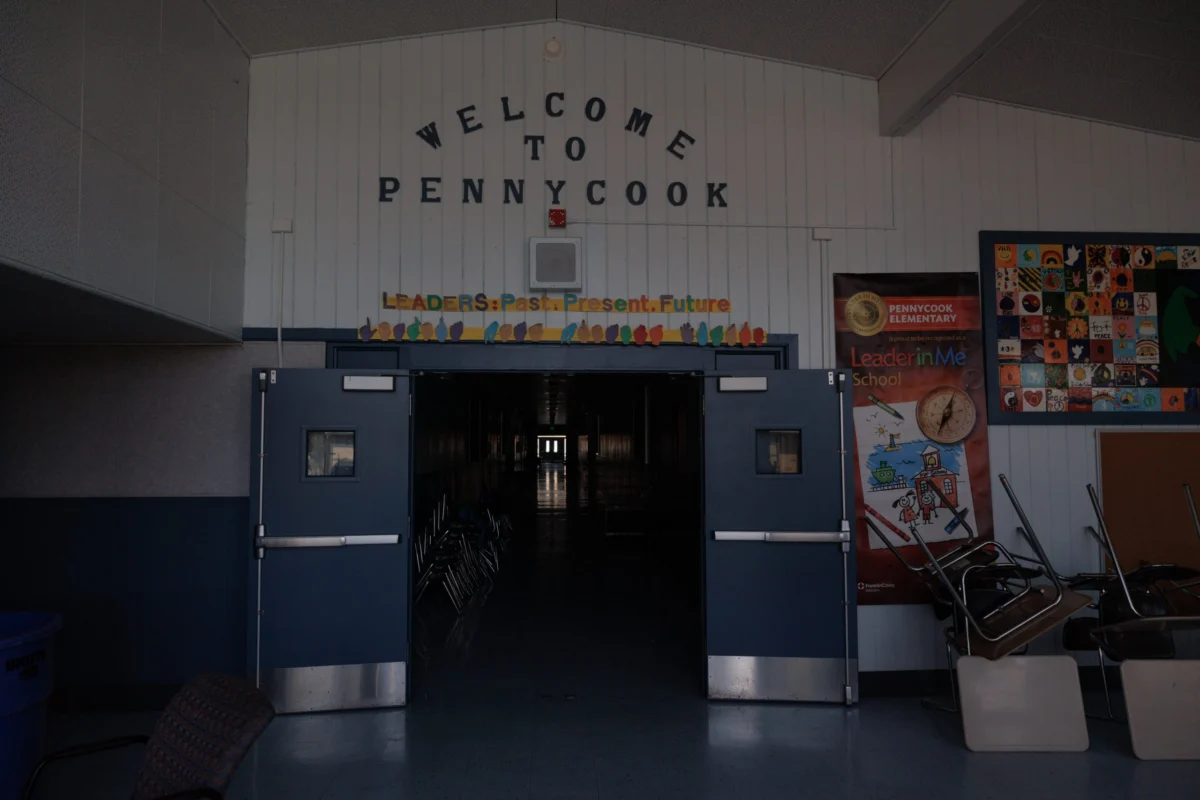
The start of a new school year is traditionally a time of renewal, but for thousands of students and educators across the United States, this academic cycle has been defined by instability and displacement. As school districts grapple with the dual pressures of plummeting birth rates and drying federal funding, a growing number of cash-strapped school systems are shuttering campuses at a rate not seen since the height of the COVID-19 pandemic. This trend of "right-sizing" districts is triggering a domino effect, destabilizing communities, overwhelming remaining classrooms, and raising profound questions about the long-term viability of the public education model in a shrinking demographic landscape.
A National Trend of Contraction
The numbers paint a stark picture of a system in retreat. According to a recent analysis of federal education data conducted by Big Local News at Stanford University, 1,156 public schools closed their doors during the last academic year. This figure represents the highest annual volume of closures in the post-pandemic era, signaling that the initial period of school stability following the 2020 lockdowns has been replaced by a ruthless fiscal reality.
The phenomenon is not localized to one region or socioeconomic bracket. While working-class districts like Vallejo City Unified in California face existential threats, major metropolitan systems—including those in Houston, Philadelphia, and Cleveland—are navigating similar, if not more complex, consolidation efforts. The common denominator is a demographic shift: as birth rates continue a multi-decade decline, the "customer base" for public schools is shrinking, leaving districts with massive, expensive infrastructure designed for student populations that no longer exist.
Chronology of a Crisis
The current fiscal crisis did not emerge overnight. Its roots can be traced back nearly two decades, characterized by several key inflection points:
- 2006–2010: The onset of the Great Recession forced many districts to defer maintenance and delay consolidation, masking the beginning of long-term enrollment slides.
- 2019–2020: The COVID-19 pandemic acted as an accelerant. It accelerated the adoption of alternative schooling models, including homeschooling and virtual charter schools, which siphoned students away from traditional brick-and-mortar classrooms.
- 2021–2023: As federal pandemic-era stimulus funds began to expire, school districts reached a "fiscal cliff." Without the safety net of one-time emergency grants, the structural deficits—previously held in check—became impossible to ignore.
- 2024–2025: The current period marks the aggressive phase of "right-sizing," where districts are no longer just cutting programs but physically dismantling campus networks to reduce overhead.
The Vallejo Case Study
Vallejo City Unified serves as a sobering case study for the broader movement. Two decades ago, the district educated nearly 18,000 students. Today, that number has been halved to approximately 9,300. In response to a staggering $36 million deficit, district leadership has shuttered five campuses since 2025—a full quarter of their total school inventory—while simultaneously slashing one-third of all staff positions.
For parents like Kimberly Núñez-Brandão, the human cost is immediate. When her daughter’s elementary school was closed, she was reassigned to Glen Cove Elementary. The transition was supposed to be a consolidation of resources, yet it resulted in a classroom of 32 students and the mid-year resignation of her daughter’s teacher. The experience highlights a central irony: the drive to "concentrate resources" often results in overcrowded classrooms that are less equipped to handle the emotional and academic needs of displaced children.
Data-Driven Analysis of Declining Enrollment
The mismatch between enrollment and physical infrastructure is documented extensively by economists and sociologists. An analysis by the Associated Press, utilizing data from Stanford University economist Thomas Dee and sociologist Jaymes Pyne, found that public school enrollment dropped by more than 1.4 million students—roughly 3%—between 2019 and 2024.
While the number of schools has also declined, the rate of closure is significantly lagging behind the rate of enrollment loss. This gap suggests that school boards are often slow to act due to political pressure, only to be forced into drastic, emergency-level cuts once the financial math becomes unsustainable. According to estimates from research groups Bellwether and WestEd, this misalignment could lead to an $11.5 billion annual loss in state revenue by the 2030-2031 school year, potentially triggering a second, more severe wave of layoffs and program eliminations.
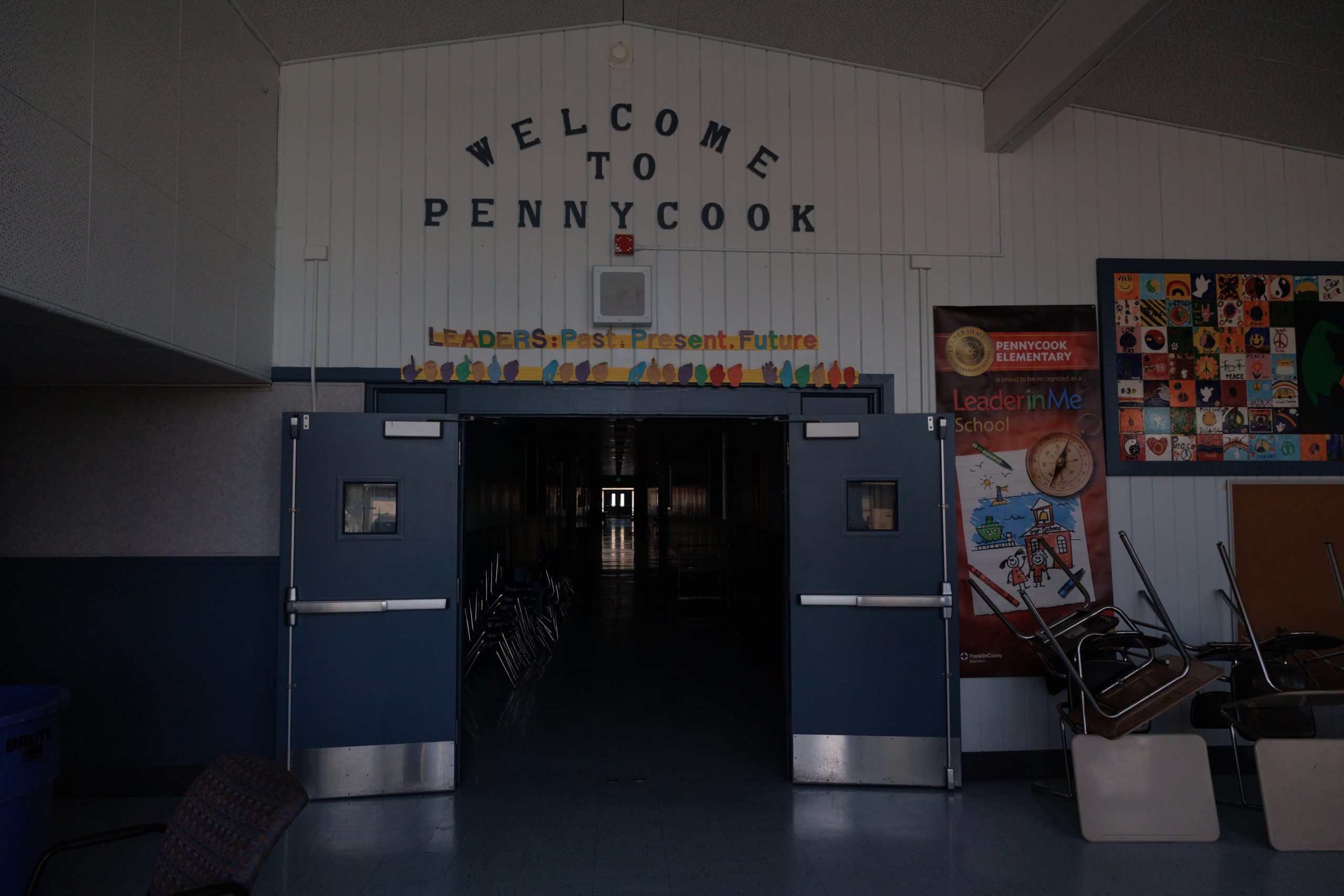
Official Responses and the "Right-Sizing" Strategy
Superintendents and school board members are often caught between the demands of fiscal solvency and the outcry of their communities. Rubén Aurelio, the superintendent of Vallejo schools, maintains that these decisions are not made lightly but are essential for the survival of the district.
"We’re not just closing schools to close schools," Aurelio stated. "We’re right-sizing a district that was built for significantly more kids. And if we’re going to actually improve outcomes for the kids we still have, we need to concentrate resources."
The administrative argument rests on the premise that smaller, under-enrolled schools are inefficient, spreading thin the limited budget for specialists, technology, and facility maintenance. By consolidating into fewer, larger campuses, districts hope to achieve economies of scale. However, research from the University of Chicago Consortium on School Research suggests this strategy is fraught with risk. Their findings indicate that the instability caused by school closures often leads to long-term declines in student reading and math proficiency, particularly when displaced students are moved to campuses that are already struggling to perform.
The Broader Socioeconomic Implications
The ripple effects of these closures extend far beyond the classroom. When a school closes, it often serves as the death knell for a neighborhood’s sense of community. Frustrated families, seeing the loss of a neighborhood anchor and the decline of school stability, often opt out of the public system entirely. They gravitate toward private school vouchers, charter networks, or simply move to adjacent districts, further eroding the tax base of the original district—a phenomenon economists describe as a "downward spiral."
Furthermore, the rise of homeschooling and private school choice, fueled by state-level legislative shifts, has created a competitive landscape where public schools are struggling to retain market share. As these families exit, the per-pupil funding attached to them disappears, leaving the public district with the same fixed costs—heating, lighting, security, and administrative overhead—but with a smaller budget to cover them.
Looking Ahead: Can the System Adapt?
Experts suggest that the current model of the neighborhood school as a static, lifelong institution may be obsolete. Lydia Rainey, a research principal at the Center on Reinventing Public Education, notes that the expectation of a state-funded bailout is unrealistic. "States aren’t about to open the coffers and swoop in with additional funds to save schools," Rainey observed, suggesting that the era of aggressive consolidation is not a temporary blip but the new normal.
Some districts are attempting to innovate. In Vallejo, officials are looking toward renovation projects designed to attract younger demographics—specifically targeting young parents priced out of major urban centers like San Francisco. Others are exploring niche programming, such as language-immersion schools, to differentiate themselves from the private sector and attract a broader geographic student body.
However, for families currently navigating the transition, these long-term strategies provide little comfort. The immediate reality is one of teacher shortages, overcrowded classrooms, and the loss of long-term educators. As Penny Núñez-Brandão’s experience—and the subsequent resignation of her teacher—illustrates, the administrative "right-sizing" often fails to account for the fragility of the student-teacher relationship.
As the 2025-2026 school year approaches, the message to the American public is clear: the demographic and financial realities of the 21st century are fundamentally reshaping the educational landscape. Whether these painful closures will eventually lead to a more efficient, high-performing system or further institutional decline remains the defining question for school districts across the nation. For now, students, parents, and teachers remain in a state of precarious transition, waiting to see if the consolidation of the present will truly lead to a better future.