The recent midterm elections, which delivered a decisive blue wave returning both the House and Senate to Democratic control, presented a paradoxical outcome when examined through the lens of state-level ballot initiatives. While the shift in federal legislative power signaled a preference for traditional Democratic platforms, the results of state-specific ballot measures painted a far more fragmented picture of the American electorate. Across the country, voters simultaneously embraced liberal stances on reproductive rights and marijuana legalization while enacting conservative, restrictive policies concerning transgender youth and heightened criminal penalties for drug offenses. This divergence suggests that while partisan labels remain a strong predictor of candidate support, the specific policy preferences of American voters are increasingly decoupled from national party platforms.
A Chronology of Shifting State Landscapes
The lead-up to the 2026 midterms saw an unprecedented volume of ballot initiatives targeting health and social policy. Throughout late 2025 and early 2026, the political discourse was dominated by the Trump administration’s aggressive stance on gender-affirming care and federal drug policy. As federal agencies curtailed research funding and tightened regulations on puberty blockers and hormone therapy, the battleground shifted to the states.
In the months preceding the November election, a flurry of legislation and petition-driven measures aimed to codify these federal pressures into state law. By late October 2026, polling indicated that voters in states like Colorado, Arizona, and Washington were deeply engaged in debates surrounding school sports and pediatric medical protocols. When voters headed to the polls on November 3, they were tasked with navigating a complex set of constitutional and statutory questions that often contradicted the prevailing partisan victories of the evening.
The Transgender Rights Divide
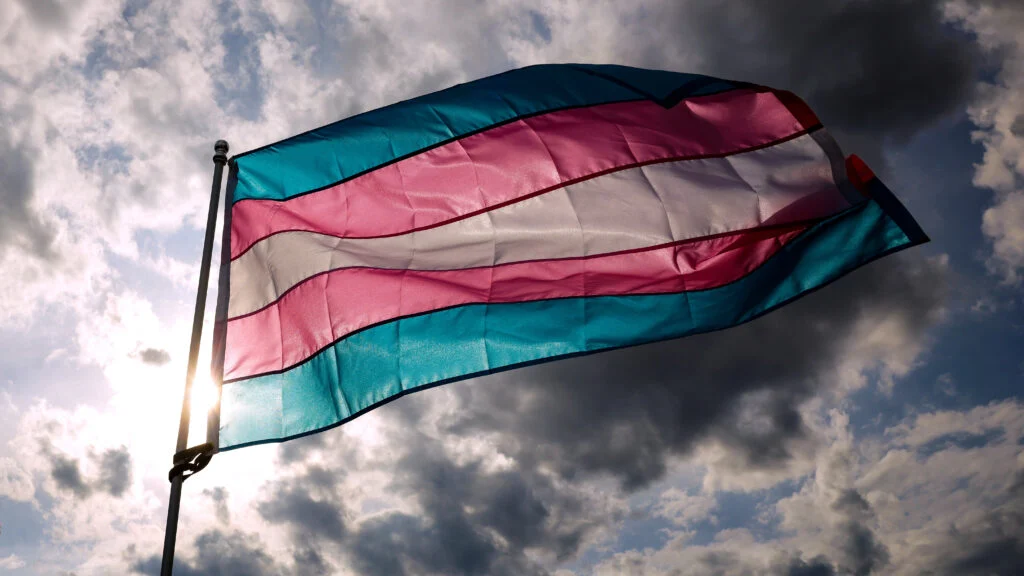
Perhaps the most striking conflict emerged in the realm of transgender rights. In Arizona, Colorado, and Washington, voters moved to enact or expand prohibitions on transgender youth participating in school sports aligned with their gender identity. Colorado, in particular, moved toward a ban on gender-affirming surgeries for minors.
The political irony of these results is profound. In Colorado, where voters appeared poised to approve these restrictions, the Democratic party simultaneously swept the Senate, the House, the governorship, and the attorney general’s office. This disconnect highlights that, for many voters, the debate over gender identity in sports is viewed as a distinct cultural concern, separate from broader party-line economic or social policy.
Data provided by the Williams Institute at UCLA Law offers a sobering perspective on the scope of these laws. There are approximately 300,000 youth between the ages of 13 and 17 in the United States who identify as transgender. While proponents of these bans argue they are necessary to preserve fairness in sports, the actual participation rate of transgender youth in such leagues is statistically negligible. NCAA records from late 2024 revealed that among 500,000 student-athletes, fewer than 10 identified as transgender, and recent polling confirms that, in many jurisdictions, the number of transgender individuals competing in women’s leagues is currently zero.
Medical experts have consistently noted that the surgeries targeted by these ballot measures are exceedingly rare among minors. Bottom surgery, for instance, is virtually non-existent for the under-18 population, and top surgery remains an infrequent procedure performed only under strict clinical guidelines. Critics, including Chase Strangio of the ACLU, have labeled these measures as "ballot candy"—performative legislative efforts designed to mobilize specific voter bases without addressing widespread systemic issues.
Reproductive Rights and the Status Quo
Abortion policy saw a return to stability in many states, reinforcing the trend established after the 2022 overturning of Roe v. Wade. Missouri served as the epicenter of this struggle. Two years prior, the state had voted to enshrine reproductive rights in its constitution; the legislature’s subsequent attempt to reverse this, by tethering an abortion ban to a popular constitutional ban on gender-affirming care, was decisively rejected by 56% of voters.
In contrast, Nevada and Virginia solidified their status as safe havens for reproductive care by enshrining those rights within their state constitutions. However, Idaho remained a notable outlier, as voters there rejected efforts to legalize or protect abortion access, choosing to maintain the state’s existing restrictive ban. As of late 2026, 26 states now possess some form of formal constitutional or legal protection for abortion access, reflecting a durable, if geographically uneven, commitment to reproductive autonomy.
Drug Policy: A Tale of Two Realities
The American approach to drug policy continues to vacillate between progressive reform and punitive enforcement. Massachusetts voters overwhelmingly rejected a repeal of the state’s recreational marijuana law, with 76% opting to maintain the status quo. This result was particularly significant given the $6.5 million combined expenditure between opposing advocacy groups, marking the issue as one of the most expensive ballot battles in the state’s history.
Yet, this liberalizing trend did not hold nationwide. In Arizona and Colorado, voters passed measures that aligned with the federal administration’s "law and order" narrative. Arizona voters designated drug cartels as terrorist organizations, tasking the state’s Department of Homeland Security with new enforcement powers, while Colorado voters moved to increase criminal penalties for the possession and manufacture of fentanyl. These results complicate the "blue wave" narrative, illustrating that when voters perceive an immediate threat to public safety—such as the opioid crisis—they are willing to support stringent, conservative-coded policies regardless of their party affiliation.
California’s Research Gamble
California voters took a unique path regarding scientific funding. Proposition 38, which authorizes $8.4 billion in bonds for immunology and immunotherapy research, appeared on track to pass. The measure was framed as a necessary defense against federal grant cuts and research disruptions. However, the proposal has faced significant scrutiny due to its structure. Half of the funding is earmarked for a single, unnamed institute that matches the specific criteria of the California Institute for Immunology & Immunotherapy (CIII).
The controversy stems from the direct involvement of the institute’s founders, billionaire philanthropists Gary Michelson and Meyer Luskin, who contributed over $45 million to the campaign. The American Association of Immunologists initially considered rescinding its support due to these concerns, though it ultimately maintained a neutral stance after discussions with the project’s backers. The outcome of Proposition 38 underscores the increasing role of private wealth in shaping public health policy through direct democracy.
Fiscal Responsibility and Public Health
The remaining health-related measures reflected a clear voter focus on economic pragmatism. In South Dakota, voters rejected a proposal that would have conditioned Medicaid expansion on federal funding levels remaining at 90%. While proponents argued the measure was a necessary fiscal safeguard, the public appeared wary of risking the coverage of thousands of residents. Meanwhile, in North Dakota, voters narrowly rejected a proposal to provide free breakfast and lunch in public schools, citing the estimated $130 million biennial cost.
Broader Implications
The disconnect between the 2026 election results and the outcomes of these ballot measures suggests that the American electorate is operating in two different spheres. On one hand, there is a clear preference for Democratic leadership in executive and legislative roles, likely driven by concerns over national stability and economic policy. On the other, voters are exercising a highly granular, almost individualized approach to social and health issues through ballot measures.
For state legislatures, this creates a difficult governance environment. In Colorado, for example, the governor-elect now faces the prospect of implementing voter-approved restrictions on transgender youth that clash with the progressive platform of his party. Legal analysts expect a wave of litigation in the coming year, as civil rights groups move to challenge these measures in court, arguing that they infringe upon constitutional protections and equal access to care.
Ultimately, the 2026 midterms demonstrate that the American political identity is not a monolith. The intersection of local ballot initiatives and national partisan trends confirms that while the "blue wave" defined the composition of the legislative branch, the policy priorities of the American people remain a complex, and often contradictory, work in progress. As these states move to implement the results of their respective ballot questions, the tension between local mandates and national civil rights standards will likely remain a defining feature of the American political landscape for the foreseeable future.