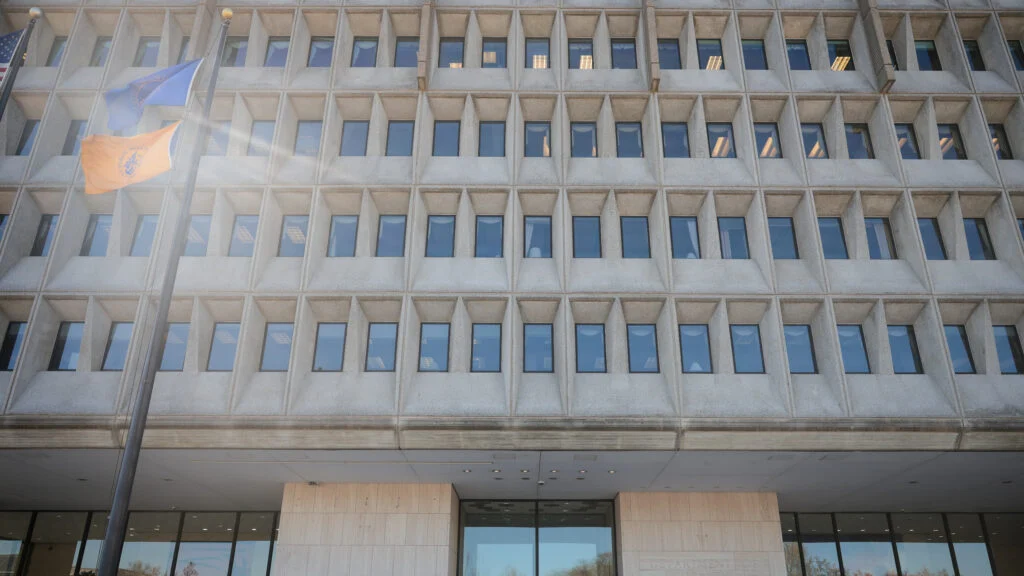
WASHINGTON — After a year-long hiatus that left the future of federal preventive health guidelines in limbo, the U.S. Preventive Services Task Force (USPSTF) is set to convene this week, marking its first formal meeting since the sweeping overhaul of its membership orchestrated by Secretary of Health and Human Services Robert F. Kennedy Jr. The return of the panel, which serves as a critical arbiter for what preventive services private insurance plans must cover without cost-sharing under the Affordable Care Act (ACA), signals a potential turning point in federal public health policy.
The panel’s agenda is dense, reflecting a backlog of critical medical guidance that has languished during the recent period of institutional instability. Among the priority items are updated recommendations for cervical cancer screening, protocols for addressing perinatal depression, and guidelines for managing unhealthy alcohol use in both adolescent and adult populations. Each of these topics has seen significant clinical developments over the past five years, yet the finalized recommendations have been held in stasis since Kennedy’s directive effectively suspended the task force’s operations last year.
A Chronology of Institutional Stasis
The suspension of the USPSTF was a move that sent ripples of concern through the medical community and the insurance industry. Established by the Agency for Healthcare Research and Quality (AHRQ), the task force has traditionally operated with a high degree of autonomy, relying on rigorous systematic reviews of evidence to determine which screenings—such as mammograms, blood pressure checks, and diabetes tests—receive the gold-standard recommendation that mandates insurance coverage.
When Kennedy assumed control of the Department of Health and Human Services, he initiated a series of reviews into the composition of various federal advisory boards. The task force, which typically functions on a rotating schedule of expert appointments, saw its membership significantly altered. Observers note that the one-year pause was not merely a logistical delay but a period during which the agency reevaluated the foundational methodologies the task force employs to determine the cost-effectiveness and efficacy of various preventive interventions.
The meeting this week acts as a formal "restart" for the body. According to an internal notice released Wednesday by the AHRQ, the agenda includes not only the stalled clinical recommendations but also a foundational session on "task force methods." This inclusion is widely interpreted by health policy analysts as an indication that the new administration intends to modernize, or perhaps fundamentally alter, the evidence-based framework that has governed U.S. preventive care since the ACA’s inception.
Clinical Priorities and the Backlog
The breadth of the upcoming meeting highlights the sheer volume of work required to bring the nation’s preventive care standards up to date. The three primary areas for finalization—cervical cancer, perinatal depression, and alcohol use—carry significant public health weight.
Regarding cervical cancer, the shift toward primary high-risk human papillomavirus (hrHPV) testing as a standalone screening tool has been a subject of intense debate in oncology. The task force’s inability to finalize updated guidelines has left many providers unsure whether to adopt the newer, more sensitive screening protocols or stick to traditional Pap smears, which are increasingly seen as less efficient for certain demographics.
Similarly, the focus on perinatal depression is timely. As maternal mortality and morbidity rates remain a focal point of federal health efforts, the task force’s guidance on screening is essential for ensuring that insurance plans cover the necessary behavioral health interventions. By stalling these recommendations, the federal government inadvertently created a scenario where providers were left to navigate disparate state-level guidelines and varying insurance coverage policies, complicating care for pregnant and postpartum patients.
Expert Input and the Future of Cardiovascular Health
Beyond the pending recommendations, the task force is scheduled to conduct an evidence presentation regarding healthy lifestyle interventions to prevent cardiovascular disease in adults. Cardiovascular disease remains the leading cause of death in the United States, and the task force’s approach to preventive behavioral counseling—rather than relying solely on pharmacological interventions like statins—represents a significant intersection of public health and primary care.

The inclusion of subject matter experts on colorectal and lung cancer screening further underscores the task force’s commitment to tackling high-mortality conditions. Colorectal cancer, in particular, has seen a disturbing rise in incidence rates among younger adults, prompting calls for earlier screening. The task force will have to grapple with whether to maintain current age-based thresholds or lower them in response to emerging epidemiological data.
Analysis of Implications for the Affordable Care Act
The role of the USPSTF is inextricably linked to the Affordable Care Act. Under Section 2713 of the Public Health Service Act, insurance issuers are required to cover, without cost-sharing, any preventive service that receives an "A" or "B" rating from the task force. This mandate has been a cornerstone of the U.S. health insurance market, ensuring that patients do not have to weigh the financial cost of a cancer screening against their personal budget.
The recent instability has prompted legal and policy experts to question whether the autonomy of the task force is being curtailed. If the "methods" under discussion result in a more restrictive interpretation of what constitutes a "preventive service," or if the task force adopts higher thresholds for clinical evidence, the number of services covered without cost-sharing could theoretically shrink. Such a shift would represent a major departure from the trend of expanding preventive care access over the last decade.
Reactions from the Healthcare Ecosystem
While official statements from the Department of Health and Human Services have remained sparse regarding the specific intent behind the membership overhaul, stakeholders across the healthcare sector have expressed cautious optimism. Physician groups, including the American Medical Association (AMA) and the American College of Physicians (ACP), have historically defended the task force’s independence as a safeguard against political interference in clinical medicine.
"The integrity of the preventive services list is vital to the stability of the insurance market and the health of the American population," said one policy analyst familiar with the proceedings. "Any move to politicize the process of evidence review risks undermining public trust in clinical guidelines. The focus must remain on the data, regardless of the political affiliation of the administration in power."
Conversely, some proponents of the administration’s changes argue that the task force had become too insulated, and that its methodology needed a critical review to ensure that it was not ignoring the economic impact of the mandates it creates. The challenge for the newly constituted task force will be to maintain its reputation for scientific rigor while navigating the demands of an administration that has signaled a clear desire for structural reform within federal health agencies.
Moving Forward: The Road Ahead
The meeting this week is unlikely to result in immediate, sweeping changes to the American healthcare landscape. Instead, it serves as the foundational step in a lengthy bureaucratic process. Finalizing the backlogged recommendations will require the task force to navigate public comment periods and internal deliberations that could take several months.
However, the fact that the group is finally meeting is a signal that the administrative gears of federal health policy are beginning to turn once more. As the task force deliberates on chronic kidney disease and the other high-stakes health topics on its agenda, the entire medical community will be watching to see if the new members adhere to the established scientific consensus or if they begin to chart a new, potentially divergent path.
The stability of the U.S. health insurance market, the effectiveness of the nation’s cancer screening programs, and the standard of care for millions of patients depend on the task force’s ability to function effectively. Whether this new chapter for the USPSTF will enhance public health or introduce new layers of uncertainty remains to be seen, but the urgency of the tasks at hand suggests that the coming year will be a critical one for preventive medicine in the United States.