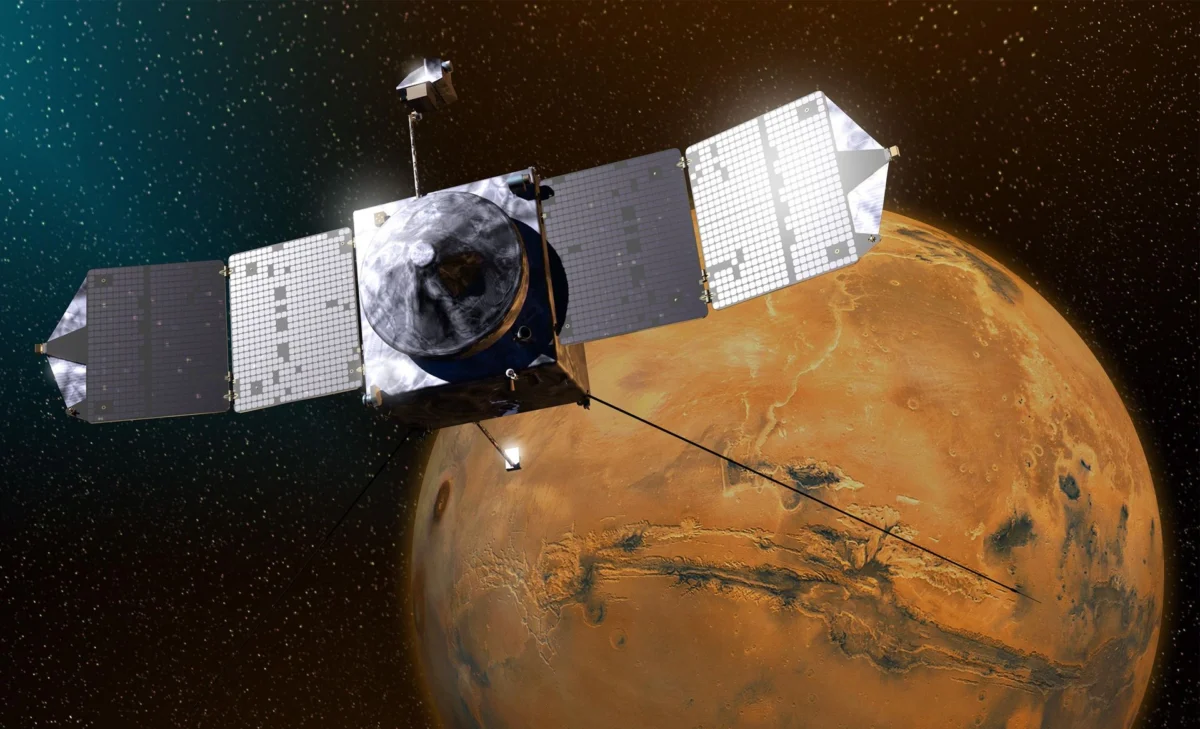
On November 18, 2013, NASA successfully launched the Mars Atmosphere and Volatile EvolutioN (MAVEN) spacecraft, initiating a historic scientific endeavor to decode the environmental transformation of the Red Planet. For over a decade, this sophisticated orbiter served as our primary investigative tool for understanding why Mars, once a world potentially capable of harboring liquid water and supporting life, evolved into the cold, arid, and radiation-blasted desert we observe today. Following an unexpected loss of communication in late 2025 and the subsequent conclusion of the mission in June 2026, the scientific community has begun to synthesize the profound legacy left behind by this resilient probe.
A Mission of Atmospheric Archeology
The fundamental objective of MAVEN was to answer a long-standing question in planetary science: Where did the Martian atmosphere go? Earth-based telescopes and earlier robotic precursors had provided compelling evidence that the Martian surface was once shaped by flowing water, necessitating a significantly thicker, warmer, and more protective atmosphere than the one currently present.
MAVEN was purpose-built to act as an atmospheric time machine. By analyzing the composition and dynamics of the upper atmosphere, scientists hoped to determine the rate at which gas molecules were escaping into space. The spacecraft was equipped with a suite of eight instruments, including the Imaging Ultraviolet Spectrograph (IUVS) to map the global distribution of gases, and the Neutral Gas and Ion Mass Spectrometer (NGIMS) to measure the density and composition of the Martian ionosphere. Together, these tools allowed researchers to track how solar radiation and solar wind—a constant stream of charged particles from the sun—effectively eroded the planet’s gaseous shield over the course of several billion years.
Chronology of a Decade-Long Odyssey
The timeline of the MAVEN mission is a testament to both precise engineering and the unpredictable nature of deep-space operations:
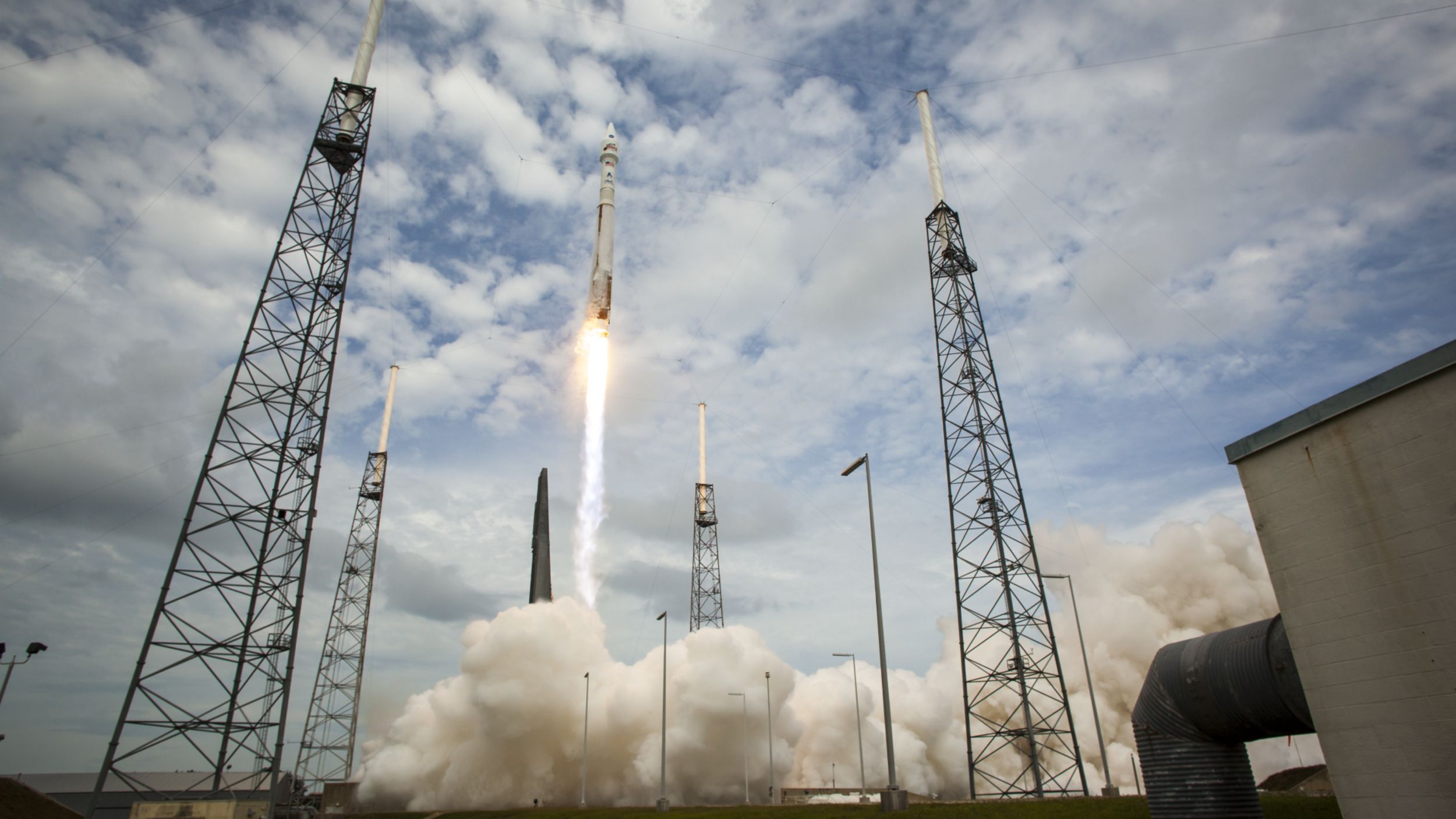
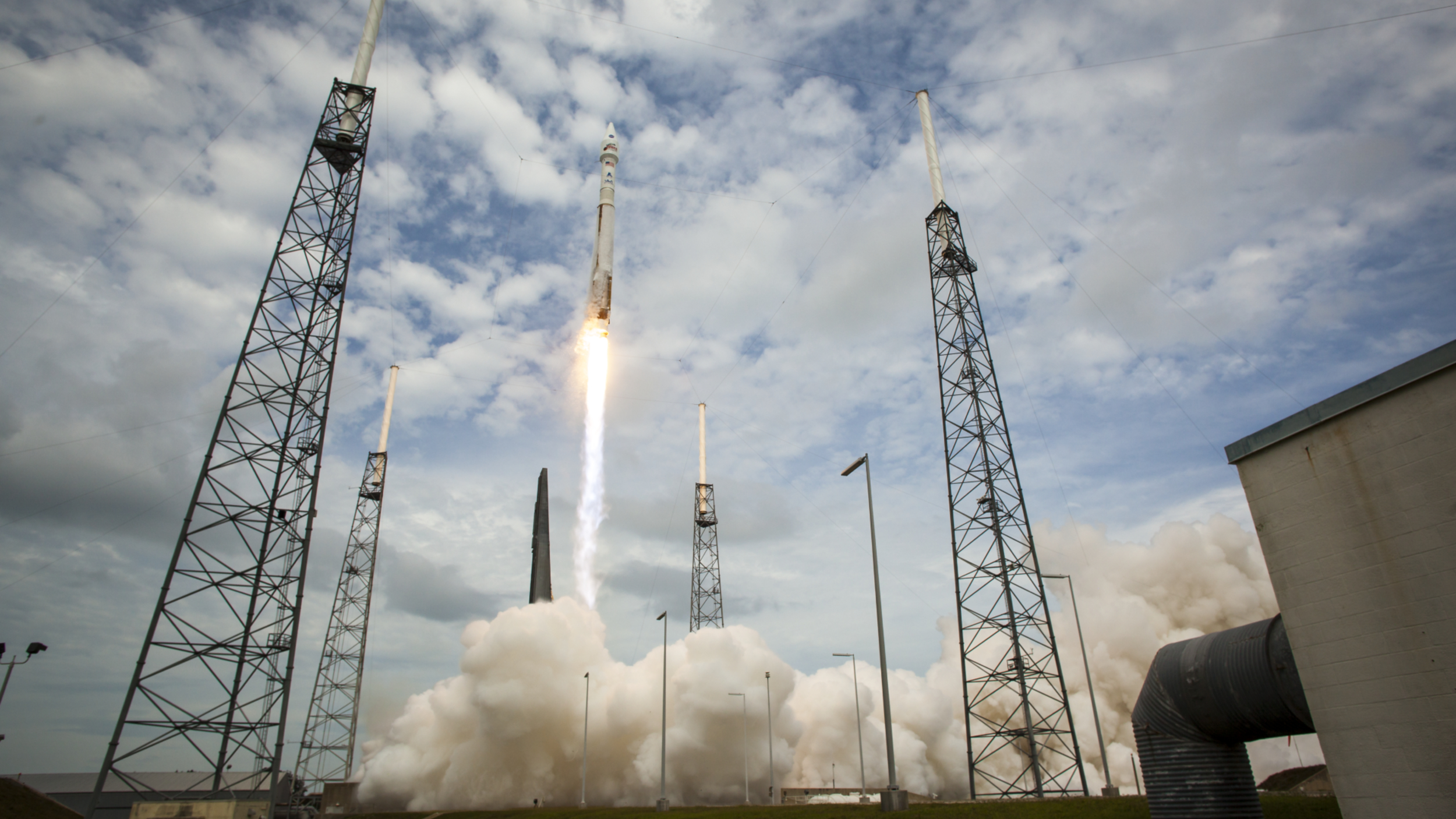
- November 18, 2013: Launch of the Atlas V rocket carrying MAVEN from Cape Canaveral Space Force Base in Florida.
- September 21, 2014: Successful insertion into Martian orbit following a ten-month transit.
- November 2014: Initiation of the primary science mission, originally scheduled for a duration of one Earth year.
- 2016–2024: Following the completion of its primary goals, the mission entered a series of extended operational phases, pivoting to study seasonal atmospheric variations and the impacts of solar flares on the Martian magnetosphere.
- December 6, 2025: MAVEN transmits its final signal before passing behind Mars. When it fails to re-emerge with a functional link, mission control identifies that the spacecraft has entered an uncontrolled spin, leading to a critical power deficit.
- June 2026: After months of failed attempts to re-establish contact, NASA formally concludes the MAVEN mission.
Data-Driven Insights into Planetary Decay
The scientific output from MAVEN has been transformative. Perhaps most significantly, the orbiter confirmed that solar storms—violent ejections of particles from the sun—dramatically accelerate the rate of atmospheric loss. By observing the interaction between these storms and the Martian ionosphere, researchers calculated that the stripping of the atmosphere was not a linear process, but one punctuated by catastrophic events that occurred frequently during the early history of the solar system.
Furthermore, MAVEN provided critical insights into the "greenhouse effect" on Mars. Carbon dioxide, a potent heat-trapping gas, was once abundant in the Martian atmosphere, maintaining temperatures sufficient to sustain liquid water on the surface. As this gas was lost to space or sequestered into the crust, the planet entered a state of irreversible cooling. MAVEN’s ability to measure the isotopic composition of the remaining atmosphere allowed scientists to differentiate between gas lost to the surface and gas lost to space, effectively "fingerprinting" the mechanism of planetary death.
Operational Challenges and the Final Silence
As the mission progressed well beyond its initial expiration date, the spacecraft began to serve a secondary, equally vital role: a communications relay. MAVEN acted as a data bridge, transmitting high-bandwidth imagery and telemetry from surface rovers—such as Curiosity and Perseverance—back to Earth. This operational versatility extended the mission’s value far beyond its original scope.
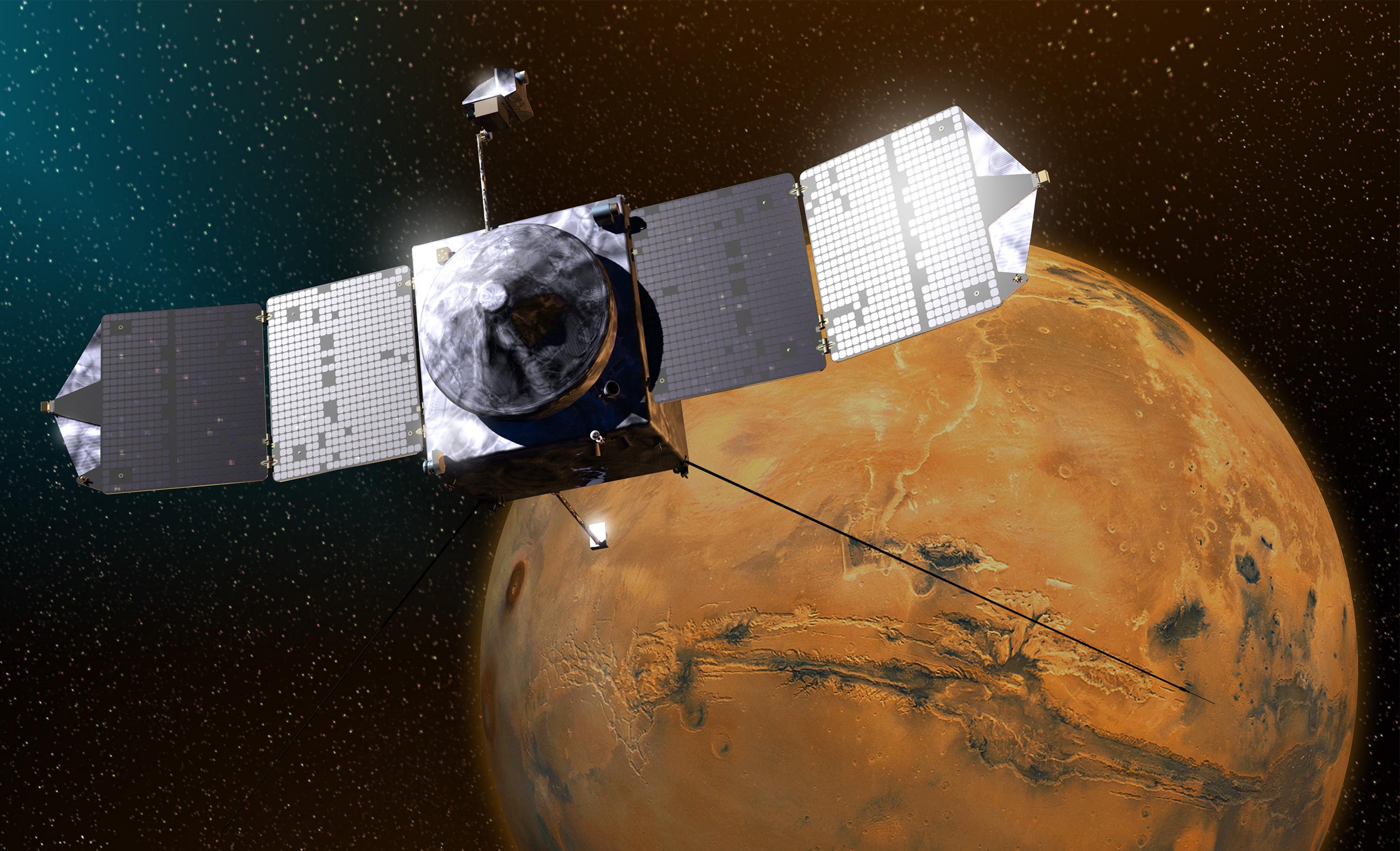
However, the harsh environment of Mars eventually exacted its toll. In December 2025, the sudden loss of contact caught mission operators off guard. Telemetry received just before the silence indicated that the orbiter was performing a routine maneuver when it encountered an anomaly. Investigations concluded that a hardware failure or a transient system error likely caused an uncontrolled spin. In this state, the spacecraft’s solar arrays were unable to maintain optimal alignment with the sun, leading to a battery depletion that rendered the orbiter’s systems unresponsive.
Reflections from the Mission Team
The conclusion of the MAVEN mission was marked by a sense of profound professional loss. Shannon Curry, the mission’s principal investigator, noted that the team had developed a deep, almost personal connection with the orbiter, which had functioned reliably for nearly 13 years—over twelve times its original design lifespan.
"The science MAVEN has given us is key to informing what kind of radiation protection and safety measures we must take before sending humans to Mars," stated Louise Prockter, NASA’s director of planetary science, during the June 2026 mission wrap-up. Prockter emphasized that while the spacecraft is now a derelict object orbiting the Red Planet, the data it transmitted will remain the subject of academic scrutiny for decades. The findings have already begun to influence the design of future human-rated life support systems and planetary surface shelters, as the threat of solar radiation on Mars is now better quantified than ever before.
Implications for Future Exploration
The legacy of MAVEN serves as a foundational chapter in the human exploration of Mars. By demonstrating how a planet loses its habitability, the mission has refined our understanding of what constitutes a "habitable zone" in the universe. It has shifted the focus of future missions toward identifying subsurface reservoirs of water and gas that may still be trapped within the Martian regolith.
Moreover, the technical lessons learned from MAVEN’s prolonged operation have provided engineers with invaluable data on spacecraft aging in deep space. The ability of the software and hardware to adapt to changing mission parameters—such as the transition from an atmospheric research platform to a communications relay—has provided a blueprint for future multi-purpose planetary missions.
As the scientific community transitions to analyzing the final datasets transmitted by the orbiter, the focus now shifts toward upcoming missions that will build upon MAVEN’s work. The "MAVEN era" may have ended, but the knowledge gained from this lonely sentinel will underpin the next generation of Martian exploration. Whether future astronauts stand on the surface of Mars or orbit its thin, frozen skies, they will do so with the awareness of the solar forces that once shaped the planet, thanks in no small part to the mission that tracked the atmosphere’s slow, silent escape into the void.
In the history of space exploration, MAVEN stands as a prime example of the "do more with less" philosophy that has defined NASA’s recent planetary programs. It proved that a dedicated, long-term observation platform is often more valuable than a short-term, high-intensity encounter. As it continues to orbit the Red Planet in silence, MAVEN remains a quiet monument to the era of planetary discovery, its impact permanently etched into the annals of human scientific achievement.