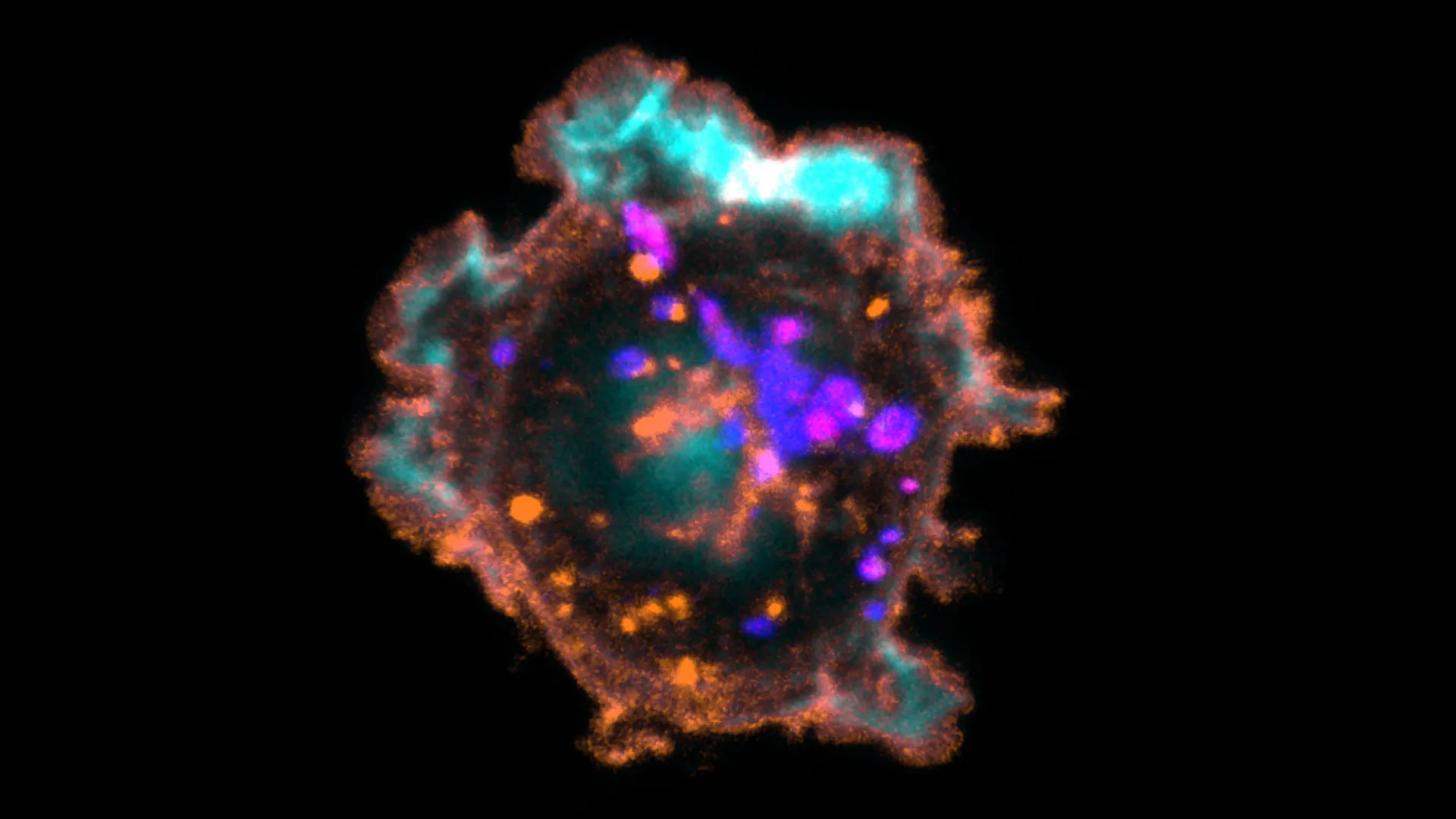
For decades, the global scientific community has operated under a singular, prevailing theory regarding the mechanisms behind Mevalonate Kinase Deficiency (MKD), a rare and often debilitating genetic disorder. This long-standing paradigm suggested that macrophages—the body’s "big eater" immune cells—were the primary culprits behind the disorder’s severe, systemic inflammatory episodes. However, groundbreaking research emerging from the Garvan Institute of Medical Research has effectively dismantled this 30-year-old consensus. By shifting the diagnostic focus from macrophages to the functional failure of natural killer (NK) cells, researchers have not only identified a new biological target for treatment but have also opened a promising clinical pathway using existing medications, offering hope to patients who have previously been resistant to conventional therapies.
The Clinical Reality of Mevalonate Kinase Deficiency
Mevalonate Kinase Deficiency is a rare autoinflammatory disorder caused by mutations in the MVK gene, which encodes the enzyme mevalonate kinase. This metabolic disruption impacts the mevalonate pathway, which is essential for the production of cholesterol and various non-sterol isoprenoids. While the exact prevalence of MKD remains difficult to quantify due to underdiagnosis, it is estimated that hundreds of individuals globally suffer from the condition.
The clinical presentation of MKD is both diverse and severe. Patients typically experience recurrent, episodic attacks characterized by high fevers, painful skin rashes, lymphadenopathy, and intense abdominal distress, often accompanied by vomiting and diarrhea. In the most severe cases, these inflammatory storms can lead to life-threatening complications, including amyloidosis—the buildup of abnormal proteins in organs—and severe gastrointestinal damage. For families living with the disorder, the "diagnostic odyssey"—the time taken from the onset of symptoms to receiving a correct medical diagnosis—can span years, during which the patient suffers from repeated, unpredictable flare-ups that significantly diminish quality of life.
Challenging the Three-Decade Dogma
Since the initial characterization of the disease, research has been overwhelmingly fixated on the macrophage. Macrophages are pivotal in the innate immune response; they identify and ingest pathogens and cellular debris. The scientific community had largely concluded that in MKD patients, these cells were becoming hyperactive, releasing inflammatory cytokines that triggered the patient’s fever and pain. Consequently, existing treatment protocols were almost exclusively focused on blocking these macrophage-derived signals.
However, the efficacy of these treatments has been inconsistent. Approximately 50% of patients fail to achieve adequate disease control with current therapies, leaving them vulnerable to chronic inflammation and organ damage. This high failure rate prompted a team at the Garvan Institute, led by Professor Mike Rogers and Dr. Marcia Munoz, to look beyond the established narrative. By examining blood samples from MKD patients and utilizing advanced preclinical models, the researchers discovered that the primary defect was not located in the macrophages at all, but rather in the natural killer (NK) cells.
The Mechanics of NK Cell Malfunction
Natural killer cells represent a critical component of the body’s first line of defense, particularly against viral infections and cellular stressors. In a healthy immune system, NK cells patrol the body, identify infected cells, and release toxic granules to induce apoptosis—programmed cell death—in the target.
The study, published in the journal Immunity, reveals that in patients with MKD, these NK cells fail to mature correctly. As a result, they become functionally impotent; they are unable to release the toxic granules necessary to eliminate infected cells. Faced with an inability to clear an infection through traditional killing methods, the NK cells enter a state of systemic alarm. They begin to overcompensate by "shouting" for assistance, pumping out massive quantities of interferon-gamma. This cytokine acts as a potent inflammatory signal, activating other immune cells throughout the body and resulting in the intense, systemic inflammation that characterizes an MKD flare-up.
Dr. Marcia Munoz, Group Leader in the Rogers Lab, emphasized the significance of this shift in perspective. "This really turns on its head 30 years of dogma," she stated. The identification of NK cells as the "master regulators" of the inflammatory response in MKD represents a fundamental change in the disease model, explaining why previous efforts to target macrophages yielded such limited results for many patients.
Clinical Breakthrough: The Role of JAK Inhibitors
The discovery of the interferon-gamma signaling pathway as the primary driver of inflammation in MKD has immediately highlighted a potential therapeutic pivot. The researchers focused on baricitinib, a medication already approved for the treatment of conditions like rheumatoid arthritis and atopic dermatitis. Baricitinib belongs to a class of drugs known as Janus kinase (JAK) inhibitors, which are designed to intercept and block the signaling pathways used by cytokines, including interferon-gamma.
In a collaborative effort with clinicians at the Royal Children’s Hospital in Melbourne, the team observed the impact of baricitinib on a severely affected infant who had failed to respond to conventional treatments. The results were striking. Following the introduction of the drug, the patient exhibited a marked reduction in the frequency and intensity of inflammatory flare-ups, and pre-existing gastrointestinal damage began to show signs of healing.
While this represents an "n-of-1" case study, the physiological alignment between the drug’s mechanism and the newly discovered biological pathway provides a strong rationale for future, broader clinical trials. The scientific community is now looking toward controlled studies to determine if JAK inhibitors can be established as a standard-of-care intervention for MKD patients who are refractory to existing options.
Broader Implications: The ‘Prenylopathies’
The impact of this research may extend well beyond the treatment of MKD. The metabolic pathway involved in this disease is part of a broader network, and the researchers have introduced the term "prenylopathies" to categorize a family of genetic disorders sharing these metabolic characteristics.
Early data suggests that these related diseases may also share the underlying NK cell dysfunction identified in MKD. If this hypothesis holds true, the diagnostic and therapeutic implications are profound. Scientists could potentially apply the same logic of NK cell assessment to a wider range of rare genetic conditions, standardizing diagnostic protocols and potentially identifying common, targeted treatments. This could effectively shorten the diagnostic odyssey for thousands of patients worldwide, transitioning them from a cycle of chronic illness to targeted, proactive management.
Future Outlook and Scientific Consensus
The work conducted by the Garvan Institute, in collaboration with Professor Mariapia Degli-Esposti and researchers at Monash University, serves as a poignant reminder of the necessity of questioning long-held scientific assumptions. The transition from a macrophage-centric view to an NK-cell-centric view is not merely an academic exercise; it is a vital step toward precision medicine.
As the medical community digests these findings, the focus will undoubtedly shift toward rigorous clinical validation. Future studies will need to quantify the safety profile of JAK inhibitors in this specific patient population, particularly in pediatric cases where long-term medication management is a critical consideration.
For the families of those with MKD, this discovery offers the first major change in the therapeutic landscape in decades. By identifying the "misfiring" of the immune system’s specialized cells, researchers have illuminated a path forward that moves beyond symptomatic suppression toward addressing the core, underlying pathology of the disease. As the research moves from the laboratory bench to the bedside, the findings at the Garvan Institute stand as a testament to the power of fundamental research in solving some of medicine’s most stubborn, enduring challenges.