Executive and club lounges have long occupied a specialized niche within the global hospitality industry, serving as designated spaces where frequent travelers, high-tier loyalty members, and premium-paying guests can access complimentary refreshments, dedicated workspaces, and personalized concierge services. However, as the travel and hospitality sector undergoes a profound structural realignment following the global disruptions of the early 2020s, the operational viability of these amenities is facing unprecedented scrutiny. While luxury properties in regions like Asia continue to elevate the club lounge experience into an art form, many hotels in North America and Europe are quietly shuttering or permanently downgrading these spaces to optimize profit margins and reduce operational overhead.

The Historical Context and Industry Evolution
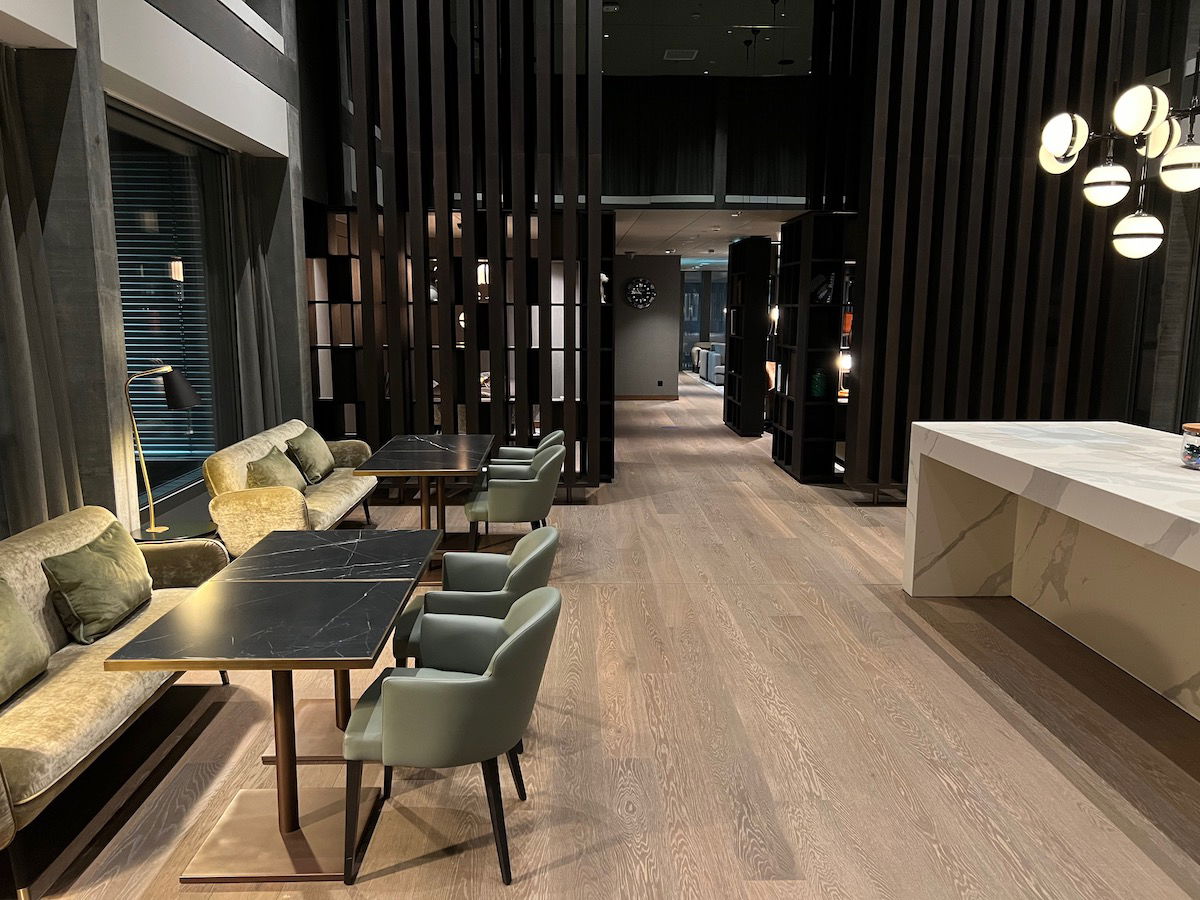
The concept of the hotel club lounge—frequently branded as an executive lounge, concierge lounge, or specialty salon—originated as an exclusive perk to cater to corporate travelers and high-spending clientele. Historically, these lounges functioned as private sanctuaries within bustling hotels, providing a controlled environment away from the main lobby where business travelers could check emails, conduct informal meetings, and enjoy continental breakfasts or evening hors d’oeuvres.
Over the decades, the amenity expanded alongside the growth of hotel loyalty programs. Major hotel groups integrated club lounge access as a primary benefit for their highest-tier elite members. This integration inadvertently created a systemic tension between the cost of maintaining a high-end physical space with dedicated staffing and the financial return generated by loyalty programs that distributed access privileges widely.
The Pandemic Disruption and Permanent Structural Shifts
The fragility of the club lounge model was starkly exposed during the COVID-19 pandemic. Initially, properties closed these spaces to comply with health mandates and social distancing protocols. As travel demand plummeted, hotels seized the opportunity to cut labor and food-and-beverage costs.
As the industry rebounded and global occupancy rates returned to pre-pandemic levels, a surprising trend emerged: many fully operational hotels chose not to reopen their club lounges. Industry analysts note that hotel owners and asset management groups increasingly viewed these spaces as low-yield real estate. Maintaining a lounge requires substantial capital expenditure, continuous food-and-beverage sourcing, and dedicated staffing—expenses that directly challenge post-pandemic efforts to maximize profit margins. Consequently, numerous newly constructed properties belonging to brands historically synonymous with executive lounges are opening entirely without them.
A Global Divergence in Quality and Service Standards
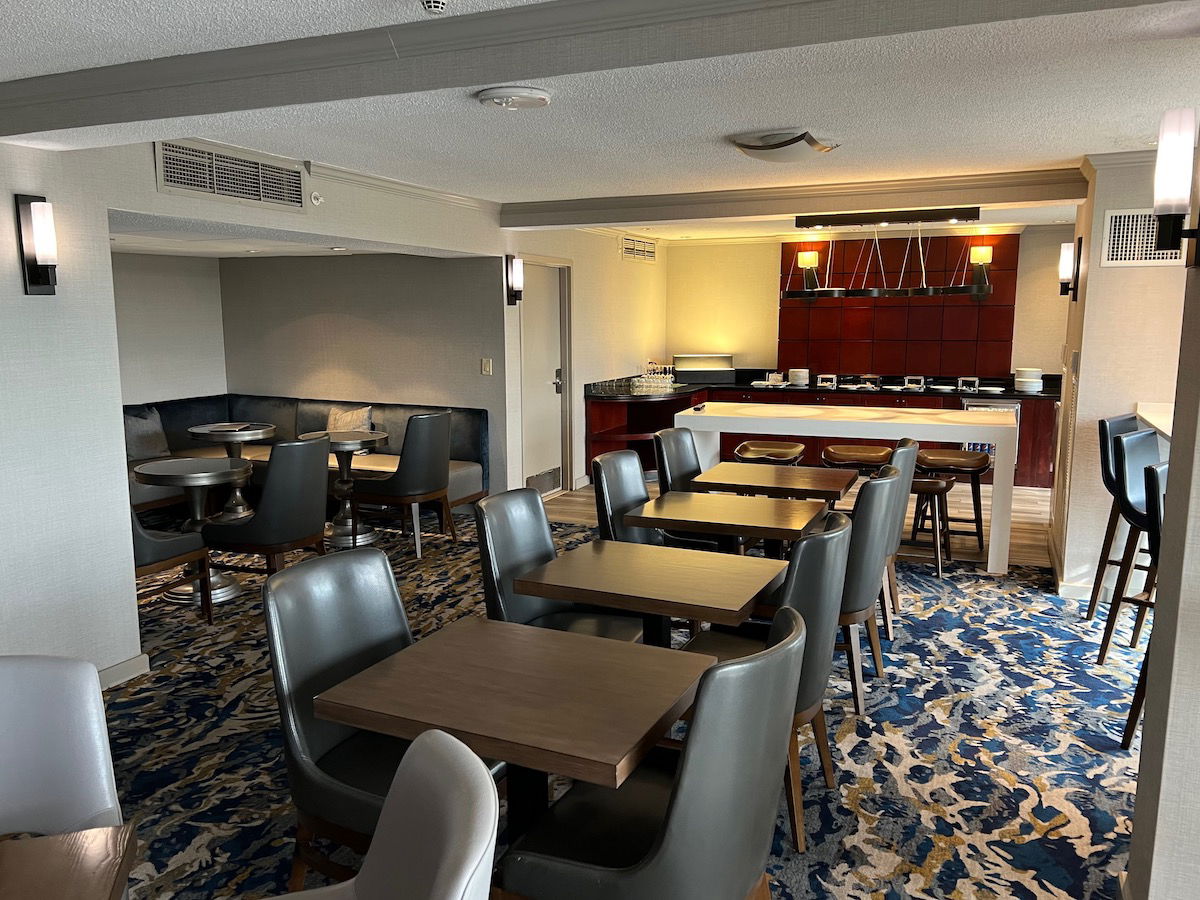
The modern landscape of hotel club lounges is characterized by a stark disparity in quality, heavily dependent on geography and brand positioning. At one end of the spectrum are standard domestic properties, particularly in the United States, where club lounges are often criticized as utilitarian, under-utilized spaces featuring minimal snack selections, basic beverage options, and ambient distractions such as constantly running televisions.
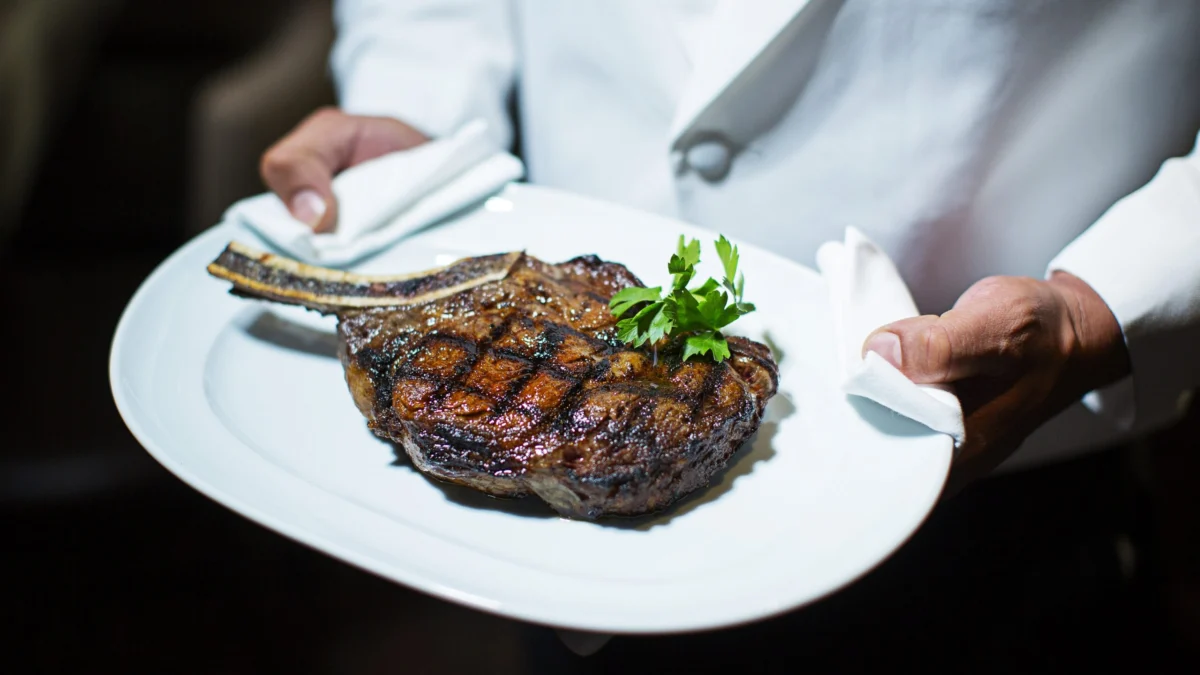
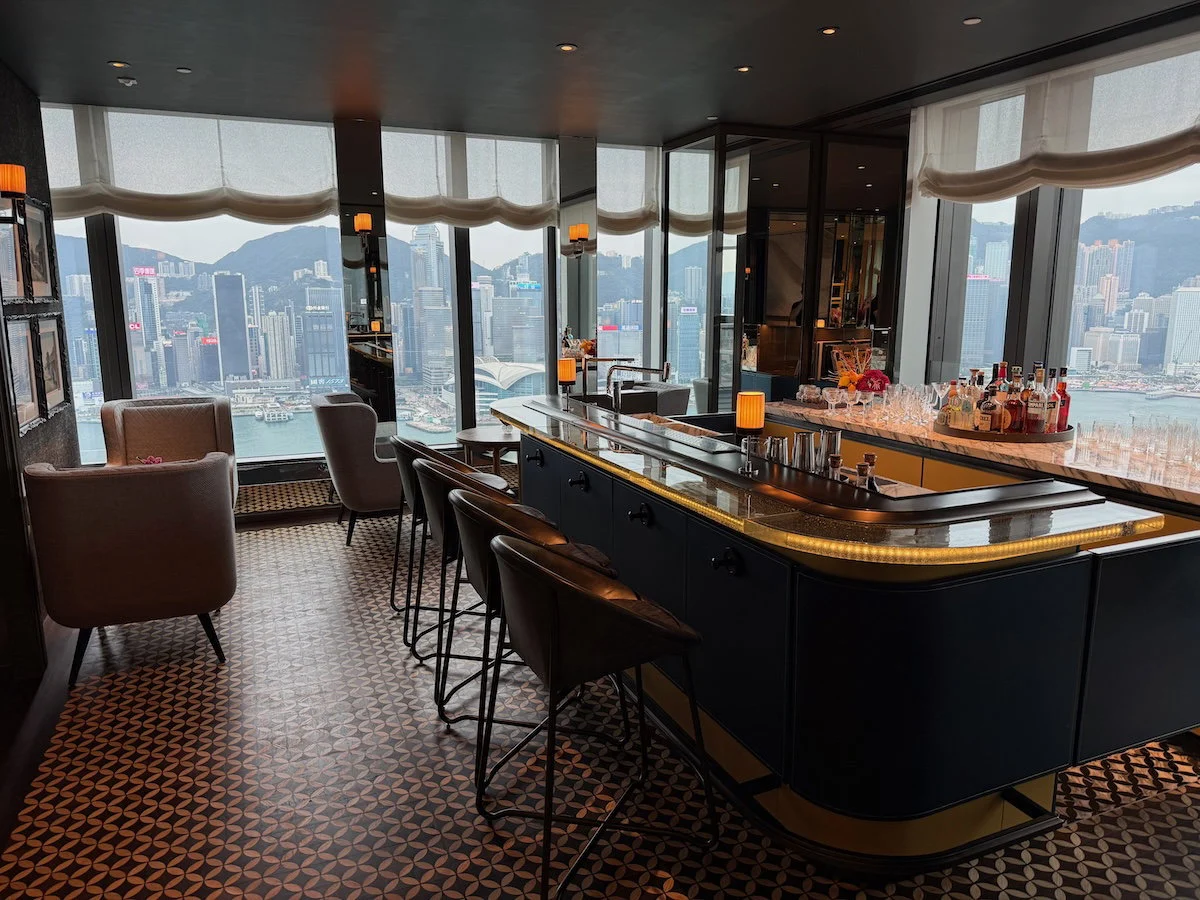
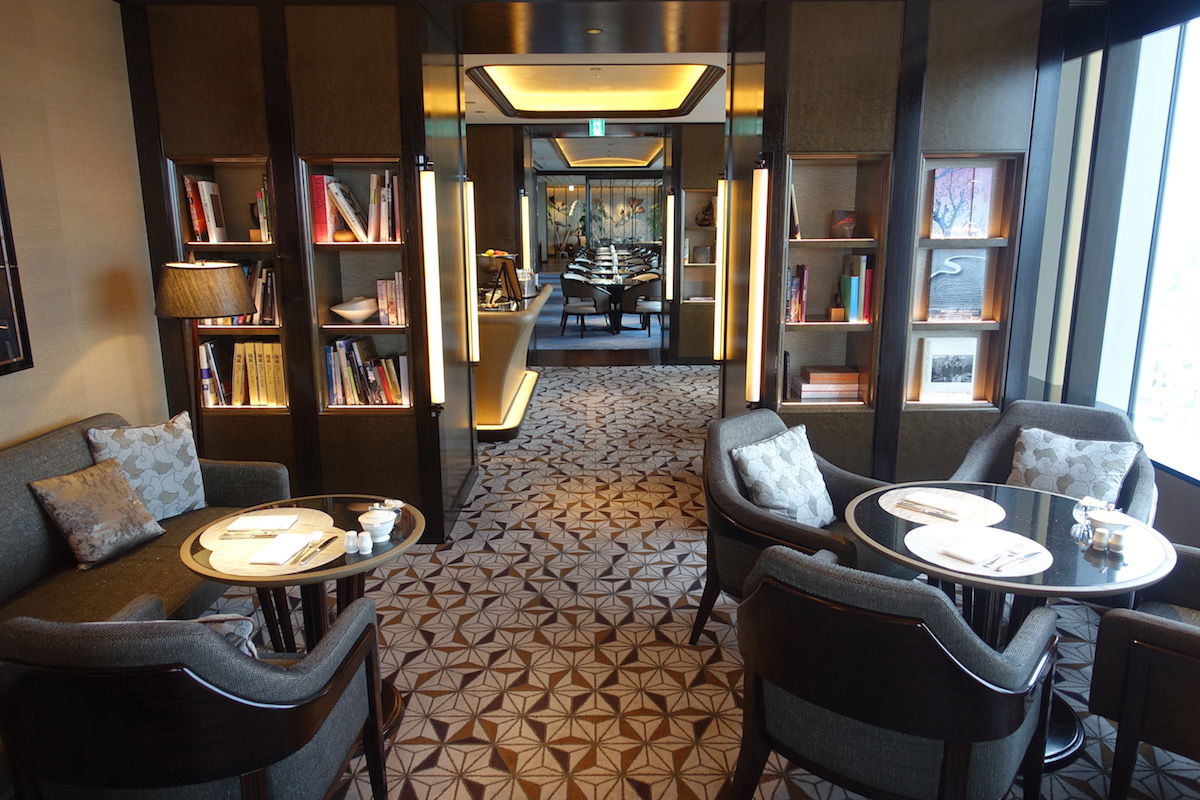
Conversely, luxury properties in Asia—exemplified by institutions like the Ritz-Carlton hotels in Tokyo or the Rosewood in Hong Kong—treat the club lounge as a core pillar of the ultra-luxury experience. These venues frequently offer up to five distinct culinary presentations daily, ranging from gourmet breakfasts and afternoon teas to evening canapés paired with premium champagne and cocktails mixed by dedicated bartenders. Some properties even incorporate live musical performances, such as harpists, and provide panoramic architectural views, positioning the lounge as a destination in its own right rather than a mere holding room.

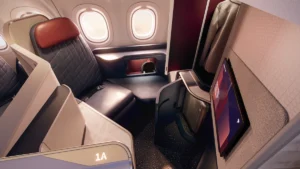
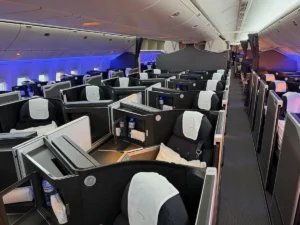
This divergence mirrors trends in commercial aviation, where short-haul regional business class products differ vastly from long-haul ultra-luxury suites. Just as airlines segment their offerings to target different tiers of spenders, the hotel industry is increasingly stratifying its lounge access based on direct revenue rather than loyalty status alone.
The Economic Dilemma of Loyalty Programs and Premium Access
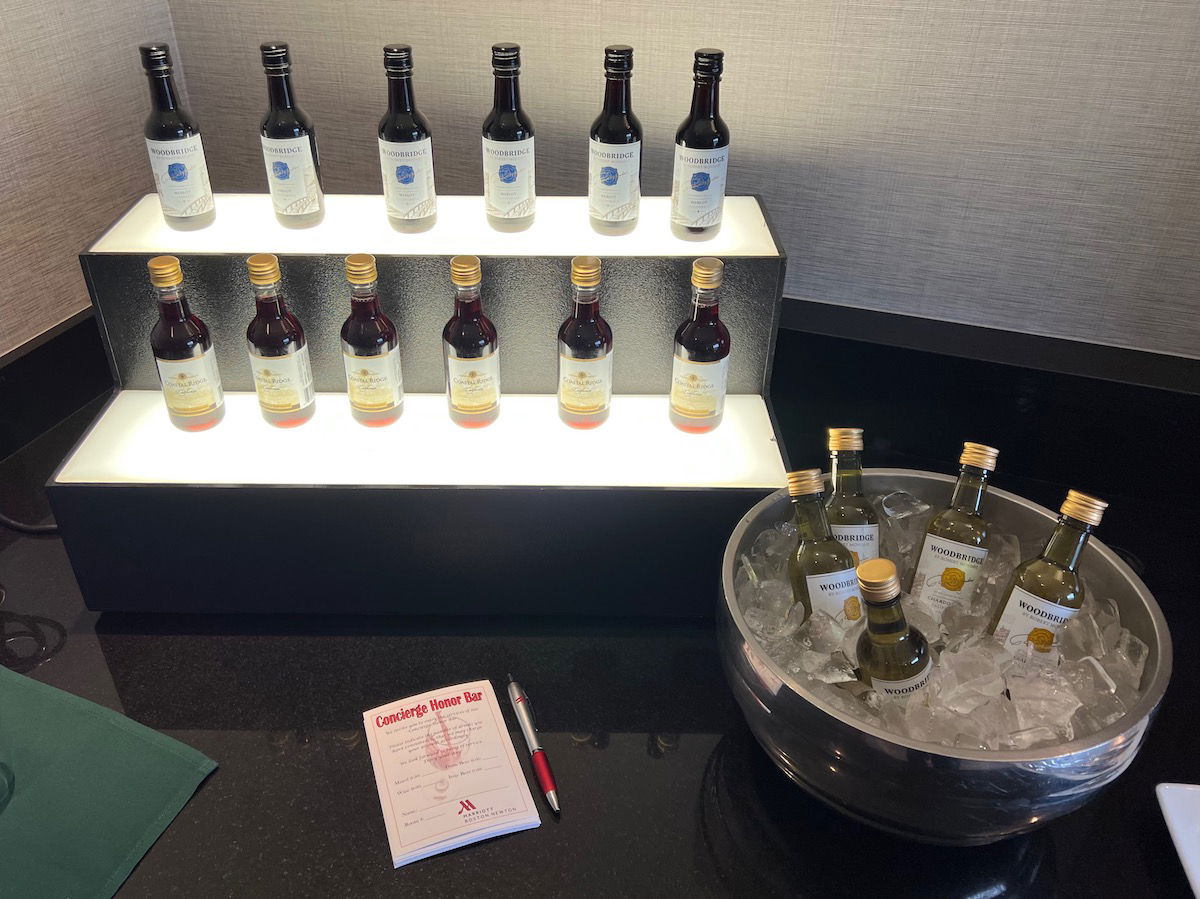
The core economic challenge facing hotel operators revolves around the tension between loyalty program liabilities and guest expectations. Major hospitality conglomerates offer complimentary lounge access as a cornerstone benefit for top-tier loyalty status holders. However, when hundreds of elite members are entitled to access a single lounge, properties struggle to balance profitability with the exclusivity that premium guests expect.
A notable exception to this model is found within ultra-luxury brands such as Ritz-Carlton (within the Marriott Bonvoy ecosystem), where standard elite loyalty members do not receive complimentary lounge access. By decoupling standard loyalty tiers from lounge entry and requiring a direct cash upgrade or booking into a club-level room, these properties secure the necessary revenue to maintain high staffing ratios, premium catering, and upscale interior designs. Meanwhile, other ultra-luxury groups—including Four Seasons, Mandarin Oriental, and Rosewood—largely bypass traditional club lounges altogether, preferring to route food-and-beverage revenue through traditional restaurants, bars, and in-room dining services.
Changing Traveler Demographics and the Workspace Imperative
Despite the economic pressures facing hotel operators, frequent business travelers continue to advocate for the utility of well-designed club lounges, albeit for reasons that extend beyond dining. Modern mobile professionals frequently utilize these spaces as functional remote offices.
As standard hotel guest rooms increasingly feature minimalist furniture configurations that lack ergonomic workspaces, and as public hotel lobbies remain crowded, loud, and transient, the quiet environment of a club lounge provides a vital infrastructure for remote work. Furthermore, travelers managing jet lag benefit from having a controlled environment outside their sleeping quarters during adjustment periods.
Broader Implications and Future Outlook
The trajectory of hotel club lounges offers a window into broader cost-benefit analyses within the contemporary service sector. As hotel ownership groups prioritize asset-light models and operational efficiencies, the traditional complimentary executive lounge is facing an existential threat.

Industry observers suggest that the future of club lounges will likely polarize further. Standard business-class hotels may phase out physical lounges entirely, replacing them with flexible food-and-beverage credits, lobby grab-and-go stations, or enhanced breakfast benefits. Meanwhile, ultra-luxury properties will likely double down on exclusive, fee-based club environments designed to generate direct ancillary revenue while catering to high-net-worth travelers seeking privacy and personalized service.
Ultimately, while the golden era of widespread, complimentary executive lounges may be drawing to a close, the enduring demand for dedicated, quiet workspaces and personalized hospitality ensures that high-end club concepts will persist in the upper echelons of the global hotel market.