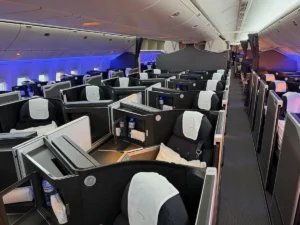
The contemporary air travel landscape has undergone a dramatic metamorphosis over the past two decades, with perhaps the most profound transformation occurring within the walls of airport lounges. Once functioning as quiet, exclusive sanctuaries designed to shield business travelers and elite flyers from the chaotic energy of the main terminal, modern airport lounges have evolved into bustling commercial hubs. Driven by fierce competition among credit card issuers, co-branded airline partnerships, and aggressive monetization strategies, these spaces now offer vastly improved amenities and culinary options. However, this increased accessibility has triggered a massive surge in demand, fundamentally inverting the original purpose of the airport lounge and turning a historical cost center into a major revenue-generating enterprise.
A Historical Shift in Purpose and Economics

To understand the current state of airport lounges, one must examine how the travel ecosystem operated fifteen to twenty years ago. During that era, even the most basic domestic lounges were modest spaces characterized by minimal amenities. Their primary value proposition was simple: a quiet place to work away from the crowds, complemented by basic office necessities such as reliable Wi-Fi and accessible power outlets. At the time, complimentary wireless internet and ubiquitous charging stations were exceptionally rare in public terminal areas. Food offerings were similarly austere, typically limited to cubed cheese, crackers, and basic snack mixes.
From a financial perspective, lounges were poorly monetized cost centers. Given the exorbitant cost of airport real estate, airlines and operators viewed lounge access as an overhead expense absorbed to attract high-yielding corporate travelers and premium cabin passengers.
In stark contrast, the contemporary lounge landscape—particularly in the United States—features upgraded food selections, hot meal buffets, premium cocktail bars, and enhanced architectural designs. Real estate allocation has expanded, and operators have successfully shifted their business models. By partnering with major financial institutions and credit card companies, lounge operators now monetize foot traffic heavily, distributing fixed operational costs across exponentially higher volumes of visitors.

The Double-Edged Sword of Accessibility and Crowding
This monetization strategy has created a classic economic double-edged sword. While the average quality of food, beverage, and physical infrastructure has improved exponentially, the surging popularity of premium credit cards offering network lounge access has overwhelmed capacities.
Today, travelers frequently encounter scenes that defy the traditional definition of a lounge: packed seating areas, capacity restrictions, and lengthy waitlists just to enter the facility. Paradoxically, while lounges have become the most crowded spaces within many airports, the general terminal experience has significantly improved. Modern airport terminals routinely feature robust, complimentary Wi-Fi networks and widespread charging infrastructure, often providing a quieter, more peaceful environment than a congested lounge.
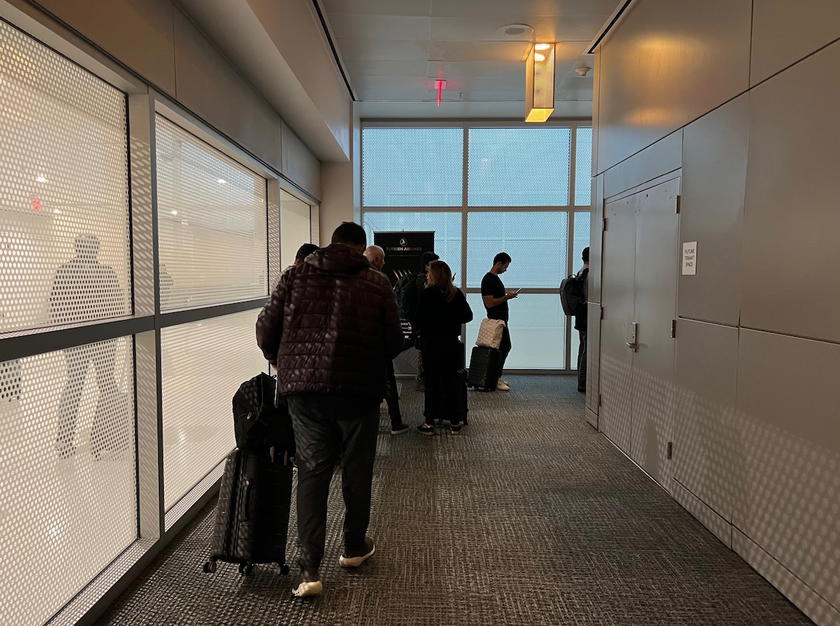
Furthermore, changing passenger etiquette has compounded the crowding issue. Industry analysts and frequent flyers frequently note the prevalence of travelers consuming media, conducting video calls, or listening to audio without headphones, further diminishing the tranquil atmosphere that once defined these spaces.
The Evolution of Traveler Behavior and Strategic Adjustments
As the utility of traditional lounges has shifted from peace and quiet to eating, drinking, and waiting in lines, veteran travelers have adapted their pre-flight strategies. Historically, possessing lounge access dictated an automatic protocol: if time permitted, travelers went directly to the lounge to maximize the perceived value of their premium status or credit card annual fees.
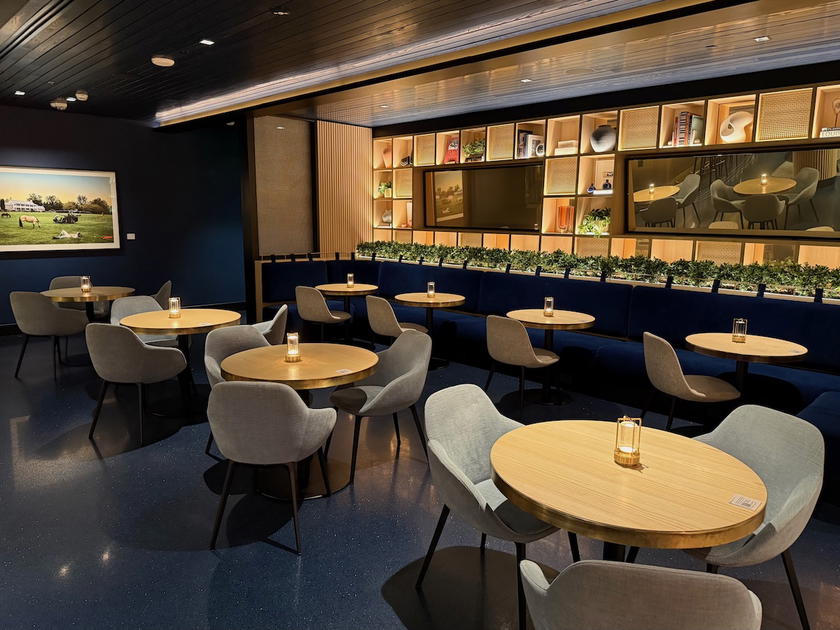
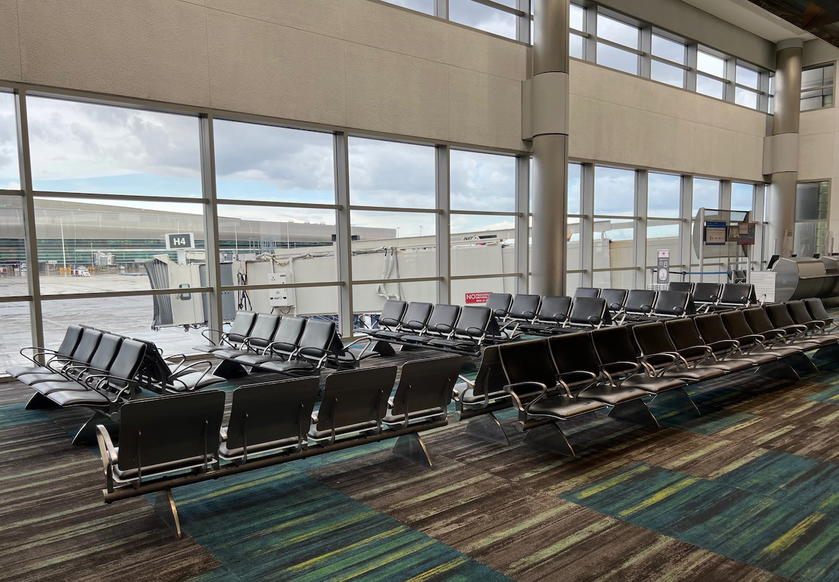
In recent years, however, a more pragmatic approach has emerged. Many frequent flyers now view traditional lounges through a purely utilitarian lens, frequently comparing them to upper-middle-class airport cafeterias. Rather than enduring crowded rooms for the sake of complimentary snacks, seasoned travelers often bypass conventional lounges entirely if the wait times are excessive, opting instead to find quiet, open seating near their departure gates.
The Rise of the Grab-and-Go Model
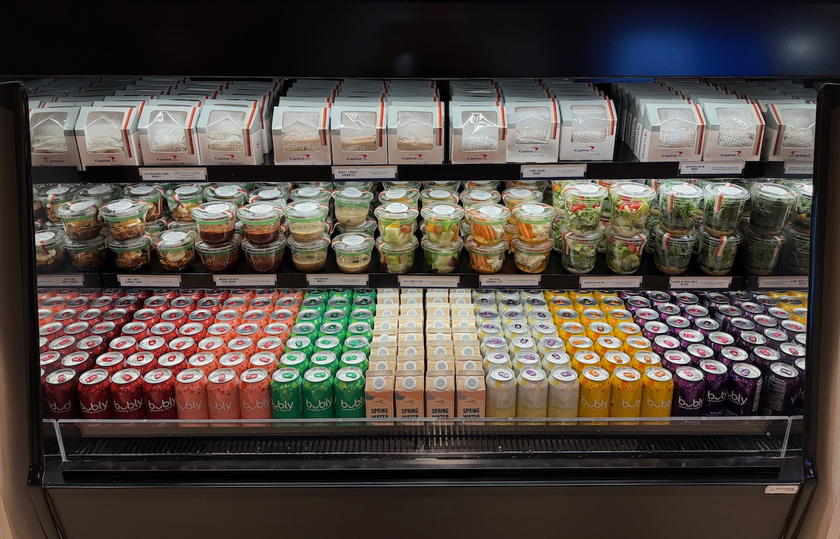
Recognizing the friction caused by overcrowded seating areas, innovative operators have introduced alternative formats designed to accommodate fast-paced modern itineraries. The rise of grab-and-go lounges and dedicated mobile pickup stations represents a significant structural adaptation in airport hospitality.
These concepts allow travelers to quickly collect high-quality food, snacks, and specialty beverages—such as premium coffee—to consume elsewhere. For many passengers, the ability to bypass long morning café queues, secure a quality breakfast or beverage, and retreat to a quiet gate area aligns far more closely with their actual travel needs than traditional sit-down lounge access. Credit card issuers and lounge operators expanding into this format have found strong market approval, as it alleviates physical congestion while maintaining the core value proposition of cardholder benefits.
Broader Industry Implications and Future Outlook
The transformation of the airport lounge reflects broader economic realities within the aviation and financial sectors. Co-branded credit card portfolios have become central profit drivers for major airlines, and lounge access is the primary marketing tool used to justify premium annual fees that often exceed several hundred dollars.
As long as financial institutions continue to incentivize card acquisitions through network lounge access, demand will likely outpace physical capacity expansion. Consequently, operators are forced to implement stricter entry rules, such as limiting guest passes, restricting entry windows prior to departure hours, or investing heavily in proprietary standalone lounges—such as American Express Centurion Lounges, Capital One Lounges, and Chase Sapphire Lounges—which maintain higher baseline standards at the cost of even greater popularity.
Ultimately, the modern airport lounge has ceased to be an exclusive sanctuary for weary travelers seeking solitude. Instead, it has matured into a mainstream commercial amenity, prompting passengers to reevaluate how they spend their pre-flight hours in an increasingly crowded aviation ecosystem.