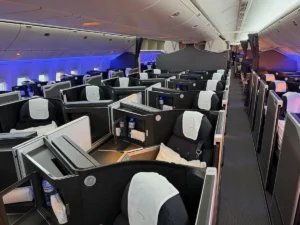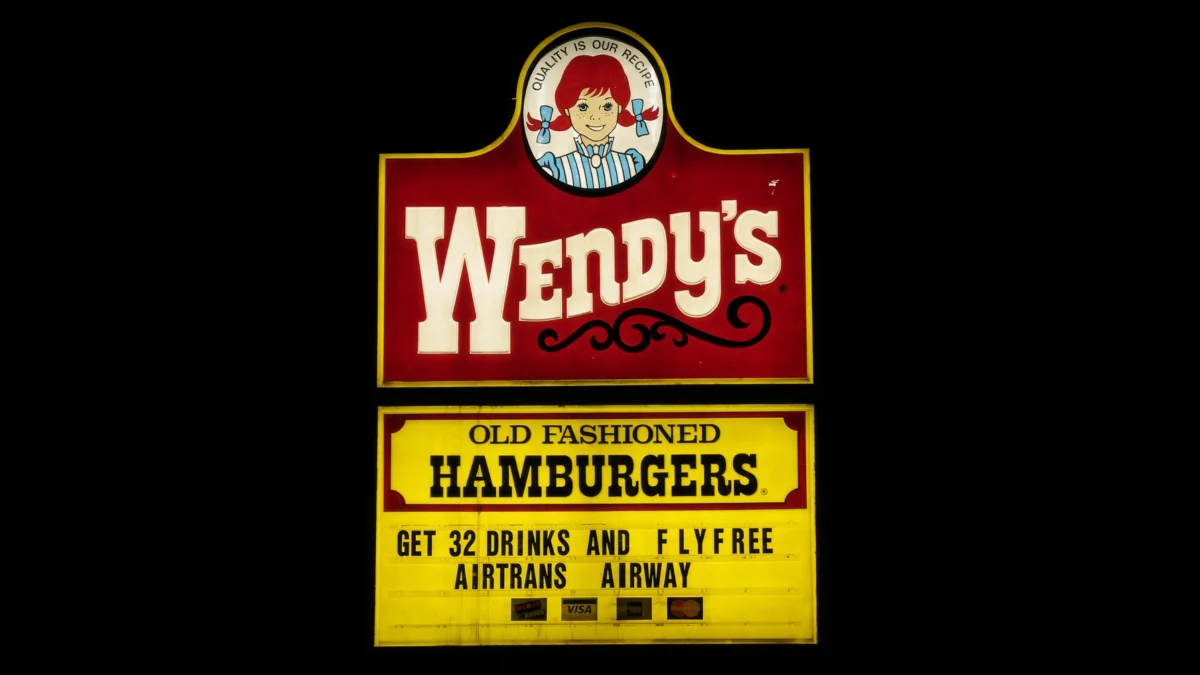
The pursuit of travel rewards and credit card points has evolved from a niche hobby into a highly sophisticated, data-driven subculture that often defies conventional financial logic. This phenomenon recently garnered public attention through a viral social media video by comedian Britt Migs, who satirized the increasingly arcane and absurd rituals practitioners perform to maximize loyalty programs. Migs’ video, which highlights the perceived insanity of “points and miles” enthusiasts, resonates with the community because it mirrors the genuine, often bewildering strategies employed by those who treat credit card rewards as a competitive sport.
The satire centers on a series of nonsensical tasks—buying massive quantities of dog food, utilizing obscure payment applications, and performing performative acts to satisfy supposed "bank requirements." While clearly hyperbolic, the video underscores a reality that is rarely acknowledged by financial institutions: the gap between a standard consumer’s relationship with credit and the hyper-optimized methodology of the professional churner.

The Evolution of Miles and Points Optimization
The history of mileage hacking is rooted in the early 1980s, following the deregulation of the airline industry. As airlines sought to build brand loyalty, they transitioned from simple distance-based rewards to complex, multi-tiered loyalty ecosystems. By the 1990s and early 2000s, the emergence of internet forums like FlyerTalk allowed users to share information about "gaming" these systems.
A defining moment in this timeline was the 2011 US Airways "Grand Slam" promotion. The program rewarded users with up to 100,000 bonus miles for completing 36 qualifying partner transactions. This event prompted thousands of participants to engage in "manufactured spending"—the practice of using credit cards for transactions that do not represent genuine consumption but are instead designed to trigger bonuses. Participants purchased thousands of dollars in gift cards, magazine subscriptions, and small consumer goods, often tracking their progress via complex spreadsheets. This era set the template for the modern "points obsessive," establishing the culture of treating rewards as a primary financial objective.
Notable Historical Precedents and Anomalies
The scale of these optimization efforts can reach extreme proportions. One of the most cited historical examples of extreme manufacturing is that of David Phillips, known as "The Pudding Guy." In 1999, Phillips discovered that Healthy Choice was offering 500 frequent flyer miles for every 10 product barcodes submitted. By purchasing 12,150 cups of pudding for $3,150, he acquired over 1.2 million American Airlines miles. Phillips famously donated the pudding to food banks to ensure the barcodes were removed and the product was utilized, demonstrating the lengths to which individuals will go to extract value from reward programs.
These historical anomalies often involve "arbitrage"—buying products or services where the cost is lower than the retail value of the points earned. Modern examples of this include:
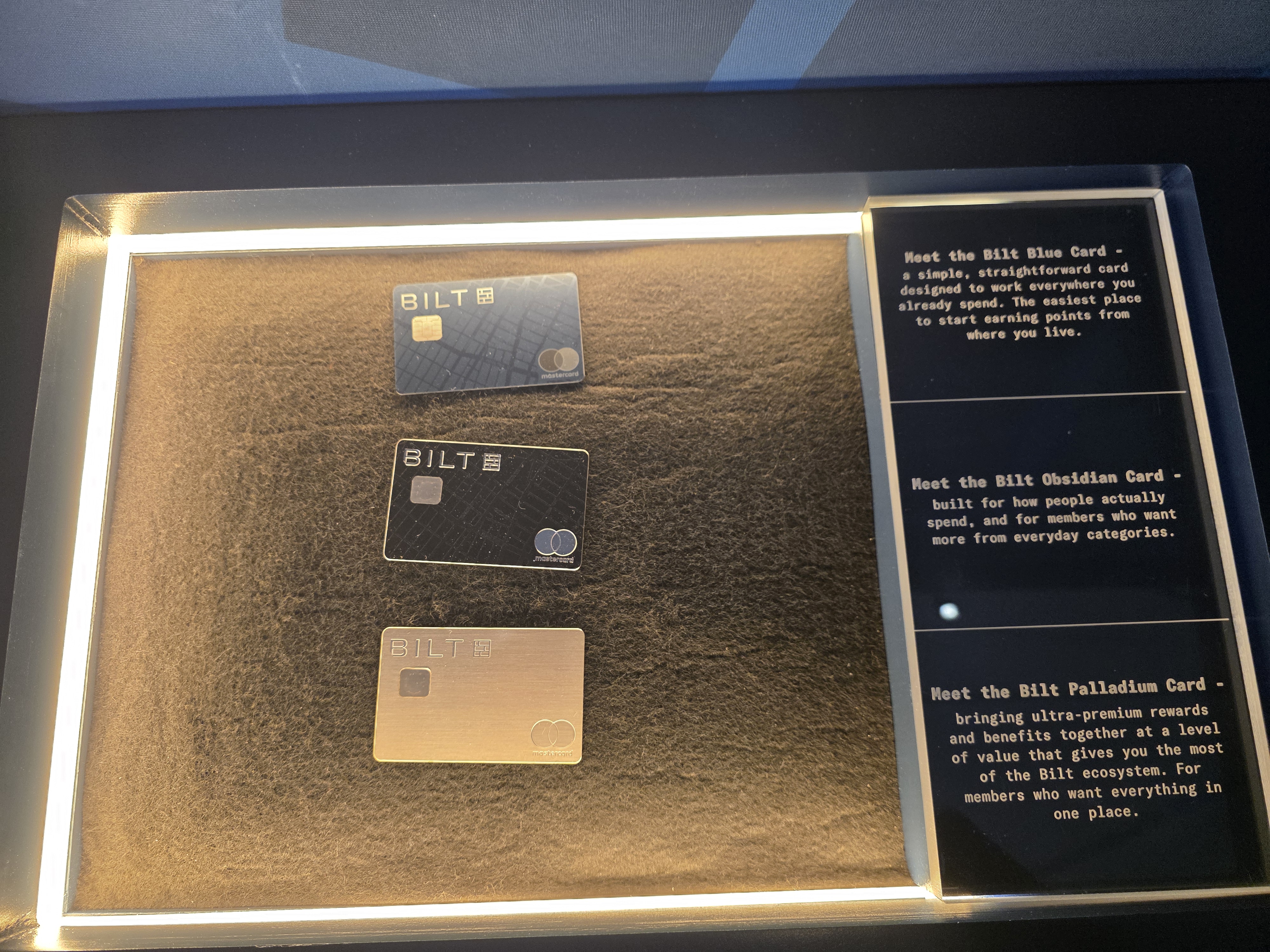
- The Bilt Rewards Ecosystem: Current strategies involve maximizing "transfer bonuses" by utilizing authorized-user accounts to circumvent annual caps on reward points, allowing households to effectively double their earning potential on rent and everyday spending.
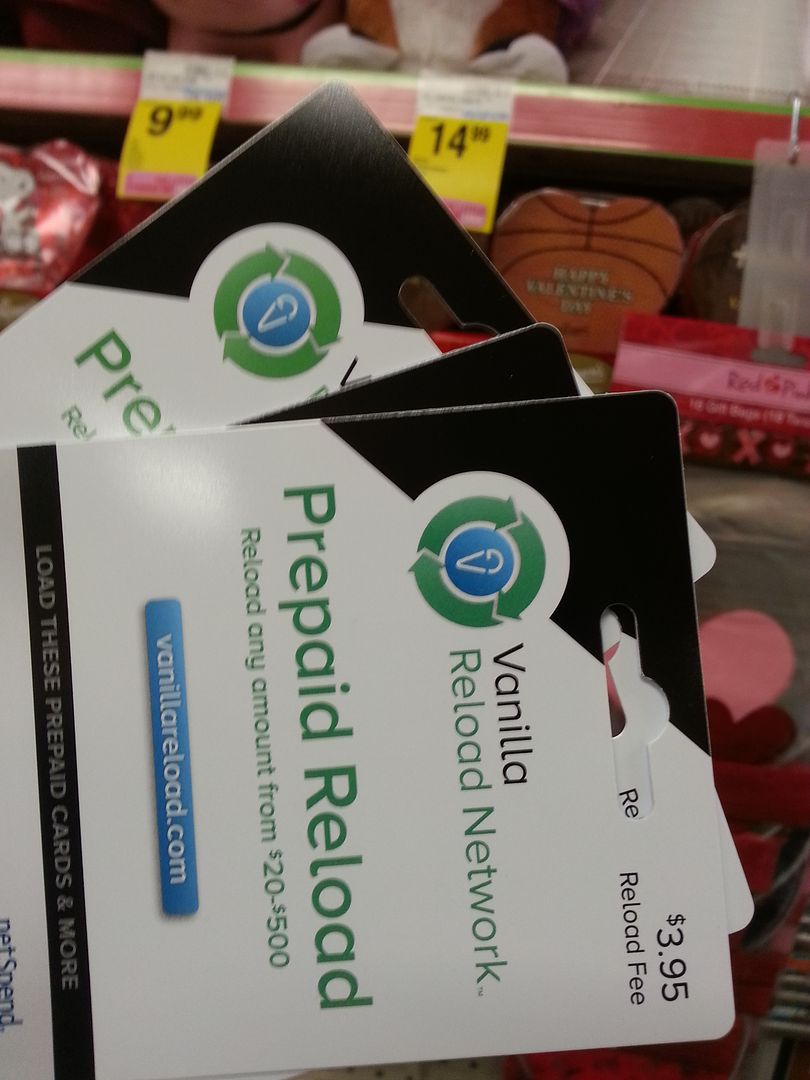
- Legacy Platforms: Older programs such as BigCrumbs and various "Vanilla" reloadable card schemes allowed users to cycle money through bank accounts to meet minimum spending requirements for credit card sign-up bonuses, often without ever incurring interest or actual consumer debt.
Psychological Profiles and the Economics of Obsession
Why do individuals dedicate hundreds of hours to tracking miles and points? Psychologists suggest that for many, the activity provides a sense of agency in a financial system that is otherwise opaque. By mastering the terms and conditions of credit card agreements, the "churner" feels they are gaining an advantage over the financial institutions.
However, there is a significant economic debate regarding the true value of these efforts. Financial analysts often point to the "opportunity cost" fallacy. If a person spends 20 hours a month managing spreadsheets, buying and liquidating gift cards, and navigating customer service to resolve missing points, they are effectively working for an hourly wage. If that hourly wage is lower than their professional market rate, the activity is, from a strictly fiscal perspective, a net loss.
Furthermore, behavioral economists note that the "reward" itself often leads to irrational consumption. A traveler might choose a longer, more inconvenient flight itinerary simply because it earns more points or aligns with a specific credit card’s bonus category, despite the loss of personal time. The perception of "saving" $12,000 on a business-class ticket is only accurate if the individual would have realistically paid $12,000 for that flight. If they would have otherwise flown economy or chosen a different vacation, the "savings" are essentially a psychological construct.
The Role of Corporate Financial Institutions
Banks and airlines view these power users with a mixture of tolerance and caution. While these individuals provide high transaction volumes—which generate interchange fees for the banks—they also represent a liability if they engage in "gaming" that violates terms of service.
Most major credit card issuers have responded to these behaviors by implementing stricter "velocity" rules. These include:

- Lifetime Language: Policies that prevent a user from earning a sign-up bonus if they have held the same credit card at any point in the past.
- Application Limits: Restrictions such as the "5/24 rule," which prevents applicants from being approved if they have opened five or more credit card accounts across any issuer within a 24-month window.
- Clawbacks: The formal revocation of points if a bank determines that a transaction was manufactured or fraudulent.
These institutional responses suggest that while banks value the engagement that reward programs drive, they are actively attempting to filter out the most aggressive, non-profitable optimizers.
Broader Implications and Future Trends
The humor in Britt Migs’ video highlights a shift in how the public perceives credit card rewards. As the internet makes it easier to share "hacks," the strategies become less sustainable. When a loophole becomes common knowledge, issuers almost invariably close it.
The future of the points economy likely lies in personalization. Banks are increasingly utilizing artificial intelligence to analyze spending patterns, allowing them to offer targeted bonuses that encourage actual consumer spending rather than manufactured transactions. For the "points obsessive," this means the landscape is becoming more difficult to navigate. The days of "dumpster diving for soda cups" to earn flights are largely behind us, replaced by a more refined, though no less complex, system of tiered credit card benefits.

Ultimately, the phenomenon remains a testament to the human desire for optimization. Whether it is a professional accountant tracking airline miles or a casual traveler seeking a free hotel stay, the fundamental impulse is the same: to find value where others see only a transaction. While the methods may sometimes involve yelling "Papa want pointy" in a backyard, the underlying goal—to travel further for less—remains a powerful motivator in the modern economy. As the industry matures, the participants will continue to adapt, finding new loopholes and strategies in the ever-shifting terms and conditions of global finance.