
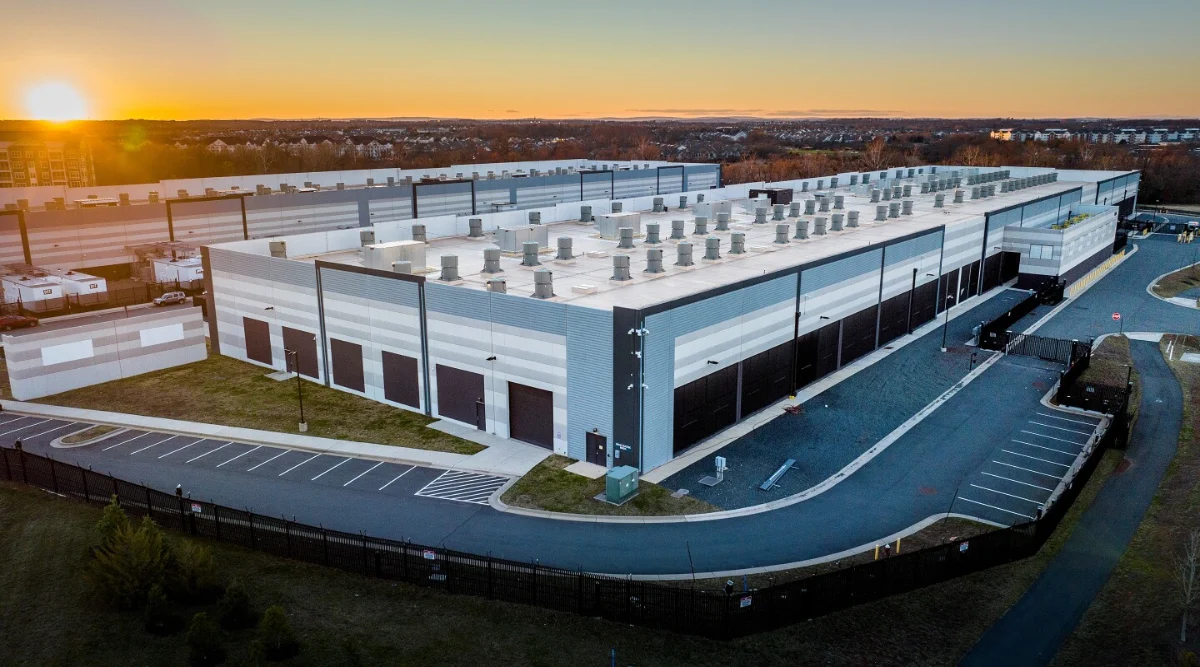
The rapid proliferation of artificial intelligence infrastructure is fundamentally altering the energy landscape of the United States, raising urgent questions regarding the intersection of technological expansion and environmental public health. As major tech conglomerates scramble to secure massive power loads for energy-intensive AI data centers, the reliance on fossil-fuel-based power—including methane-fired generators and legacy coal plants—has sparked a significant debate over the long-term health consequences for surrounding communities. This trend mirrors past industrial controversies, most notably the "Dieselgate" scandal, where corporate interests were prioritized over verified health risks, creating a precedent for the current tension between digital infrastructure growth and regulatory accountability.
A Historical Parallel: The Dieselgate Precedent
The classification of diesel exhaust as a Group 1 carcinogen by the World Health Organization in 2012 marked a turning point in automotive history. For decades, European manufacturers, including Volkswagen, Mercedes-Benz, and BMW, had cultivated a market dominated by diesel engines, benefiting from government subsidies designed to capitalize on diesel’s superior fuel efficiency compared to gasoline.
The industry’s aggressive defense of diesel technology took a dark turn when the European Research Group on Environment and Health in the Transport Sector (EUGT) commissioned the Lovelace Respiratory Research Institute to study the impact of diesel fumes. The subsequent experiments, which involved exposing macaque monkeys to manipulated exhaust emissions from a Volkswagen Beetle, were later revealed to be based on deceptive data. The emissions systems had been calibrated to perform differently under laboratory conditions than on the open road.

This revelation, which culminated in the global "Dieselgate" scandal, resulted in a swift collapse of diesel’s market share in Europe. From a dominant position in the early 2010s, diesel engines now account for approximately 7 percent of new car sales in the region. This collapse serves as a cautionary tale regarding the corporate manipulation of scientific inquiry, highlighting the risks that arise when industrial growth outpaces transparent regulatory oversight.
The Energy Demands of the Artificial Intelligence Era
In the current decade, the primary driver of new energy demand is the scaling of large language models and massive cloud computing arrays. According to data from industry analysts at Cleanview, there are currently 1,300 operational data centers in the United States, with an additional 2,000 facilities in various stages of planning or construction.
The power requirements for these facilities are immense. In many regions, the existing electrical grid is unable to accommodate the load, leading developers to rely on on-site, fossil-fuel-powered backup generation. High-profile tech figures, including Elon Musk, have invested heavily in proprietary mobile power solutions, such as methane-fired generators, to sustain the operation of major AI training clusters. Furthermore, the federal government has increasingly permitted the continued operation of aging coal-fired power plants, citing the "critical" nature of the energy demand for national technological competitiveness.
Scientific Findings and Public Health Projections
The shift toward localized, fossil-fuel-based power for data centers has prompted rigorous scrutiny from environmental health organizations. A recent report from the Environmental Protection Network (EPN), an advocacy group comprised largely of former Environmental Protection Agency (EPA) officials, identifies a direct correlation between the surge in data center construction and deteriorating local air quality.
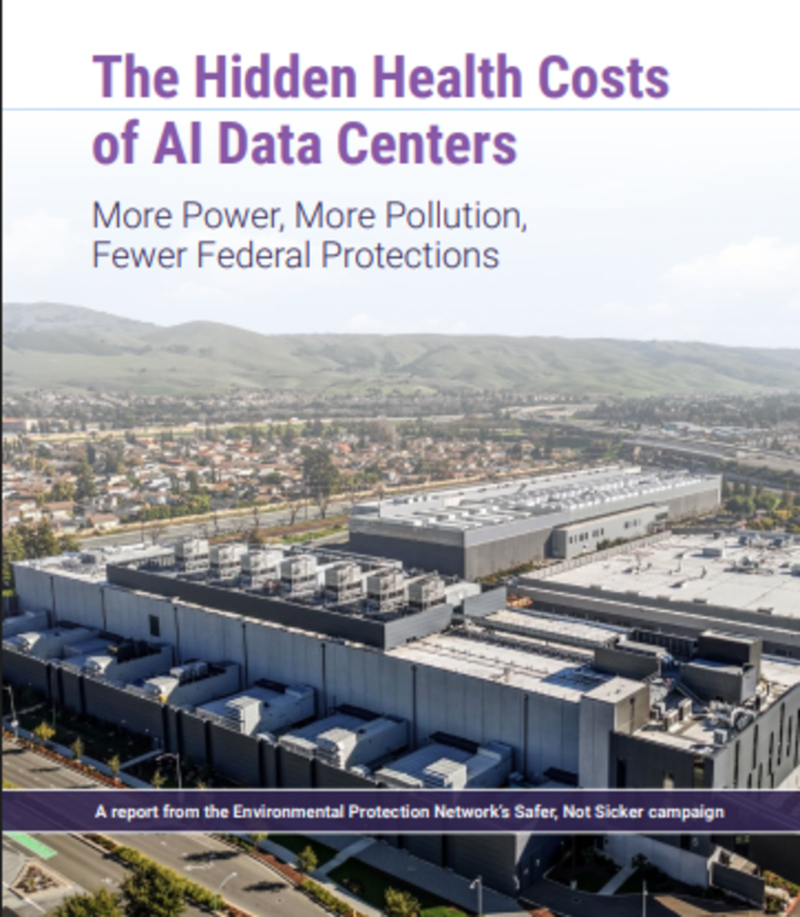
The EPN report projects that, if current trends in emissions and regulatory rollbacks continue, the air pollution generated by these facilities could contribute to approximately 600,000 cases of asthma symptoms and 1,300 premature deaths annually by 2028. The estimated economic impact of these public health issues exceeds $20 billion per year in healthcare costs and lost productivity.
Dr. Lynn Goldman, a pediatrician and former EPA assistant administrator, has voiced significant concern regarding the administrative approach to this expansion. "What concerns me now is the role EPA and other government agencies are playing and proudly touting—weakening the very safeguards designed to protect people from the pollution in the name of helping tech and power companies accelerate these data center build-outs," Dr. Goldman stated. The implications, she noted, extend beyond respiratory health, potentially impacting water supplies, soil quality, and the food chain.
The Erosion of Regulatory Oversight
The current tension is exacerbated by a perceived weakening of environmental enforcement mechanisms. The Environmental Protection Network argues that significant staffing cuts within the EPA have hampered the agency’s ability to conduct effective oversight of the growing number of data centers.
Concurrent with the expansion of data center operations, the administration has moved to relax standards on automobile emissions. By allowing for higher tailpipe emissions, regulators have effectively signaled a shift in priority toward industrial throughput rather than environmental protection. This policy trajectory is seen by critics as a reversal of the gains made in the post-Dieselgate era, where stricter emissions monitoring was once a global standard.

Chronology of Escalating Environmental Concerns
- 2012: The World Health Organization (WHO) formally classifies diesel engine exhaust as a carcinogen, prompting a defensive response from the automotive industry.
- 2015: The "Dieselgate" scandal breaks, exposing the manipulation of emissions testing, leading to a decade-long decline in diesel technology.
- 2024: AI-driven data center development accelerates, leading to record-high electricity demand in key U.S. regions.
- 2025–2026: Federal policies increasingly favor the extension of aging coal plant lifespans and the adoption of portable fossil-fuel generators to support data center growth.
- September 2026: The Environmental Protection Network releases a comprehensive report detailing the potential for $20 billion in annual public health costs linked to data center emissions.
Broader Implications and Future Outlook
The expansion of the digital economy is, by definition, an expansion of its physical footprint. As data centers become the backbone of the global economy, the energy choices made today will have long-term consequences for public health. The argument presented by industry leaders often centers on the necessity of AI for national security and economic growth. Conversely, public health experts argue that this growth should not come at the expense of established environmental standards or the health of local populations.
The comparison to the macaque monkeys in the Lovelace study is frequently cited by environmental advocates not as a direct equivalence, but as a metaphor for a society that may be unknowingly subjecting itself to the byproducts of a new industrial paradigm. As fine particulate matter—often linked to fossil fuel combustion—is increasingly found in biological samples such as human placentas and breast milk, the conversation regarding the "hidden costs" of technology is moving from the periphery of policy discussions to the center.
For policymakers, the challenge lies in balancing the rapid integration of artificial intelligence with the imperative of clean air and public safety. Without a robust commitment to monitoring and enforcing emissions standards, the current rush to build AI capacity may replicate the regulatory failures of the early 21st century, ultimately leaving the public to pay the high cost of a technological revolution that failed to prioritize human well-being. As the debate intensifies, the role of independent, transparent scientific evaluation will be critical in determining whether the next phase of the digital age is sustainable or if it represents a significant regression in environmental health protections.










Leave a Reply