
The landscape of co-branded credit card partnerships is undergoing a potential structural shift as JPMorgan Chase explores innovative ways to monetize denied applications. According to recent reports from the financial sector, the banking giant has initiated exploratory discussions with more than a dozen intermediaries regarding a "second-look" credit program. This initiative is designed to redirect applicants who fail to meet Chase’s strict underwriting standards toward alternative lenders backed by heavyweight private credit firms, including Blue Owl, Blackstone, KKR, and Sixth Street.
While the project remains strictly in the exploratory phase—with bank representatives emphasizing that no formal launch plan has been finalized—the implications for airline partners, particularly United Airlines, are profound. As airlines increasingly tie their loyalty programs and elite perks directly to the possession of a co-branded credit card, a denial from the issuing bank is no longer just a missed financial transaction; it represents a major friction point in customer retention, revenue generation, and loyalty program valuation.
The Evolution of Co-Branded Card Rejections and Airline Pressures
For decades, co-branded credit card partnerships have operated on a relatively binary outcome: an applicant either qualifies for the primary card based on the issuer’s credit risk models or is turned away. When an airline’s frequent flyer is rejected by the banking partner, multiple negative outcomes occur simultaneously. First, the airline loses a lucrative stream of ancillary revenue generated from selling miles and program benefits to the bank. Second, and perhaps more critically, the airline risks alienating a high-value customer who spends considerable sums traveling with the carrier.
Consider the scenario of an elite-tier airline flyer—such as a United Global Services member—who generates substantial revenue for the airline through frequent ticket purchases, yet gets rejected for a co-branded credit card due to internal risk parameters, high credit utilization, or rules like Chase’s infamous 5/24 restriction. Such a rejection creates immediate friction, potentially driving the disgruntled customer toward competing carriers.
This tension has been dramatically amplified by recent policy changes within major loyalty programs. United Airlines, for instance, has systematically increased the financial penalties and opportunity costs associated with not holding its co-branded credit cards. Under current structures, general MileagePlus members earn significantly fewer miles per dollar on standard ticket purchases compared to qualifying cardholders. Furthermore, cardholders enjoy substantial discounts on flight awards, ranging from 10% for general members to 15% or more for Premier elite members, alongside exclusive access to saver-level award inventory.
While airlines have attempted to mitigate this by introducing co-branded debit cards—such as those offered by United and Southwest Airlines—these products require significant annual spending thresholds (often around $10,000) to unlock premium earning rates. Consequently, airlines have a vested interest in expanding the pool of approved customers, pushing issuers to find alternative pathways for near-prime or credit-building applicants who fall just outside conventional banking criteria.
Mechanics of the "Second-Look" Model and Private Credit Involvement
In retail and traditional consumer finance, second-look financing is a well-established practice. When a primary prime lender rejects a consumer at the point of sale, the application is automatically routed to a secondary, subprime or near-prime lender that specializes in higher-risk profiles. This model allows merchants to salvage sales that would otherwise be lost to credit declines.
However, applying this model to exclusive co-branded travel credit cards presents unique operational, regulatory, and strategic challenges. Historically, travel brands have been far less inclined to adopt second-look arrangements compared to retail giants. When a secondary issuer enters a co-branded partnership, it gains direct access to the brand’s customer base, establishes an independent financial relationship, and potentially positions itself to compete for those same customers as their credit profiles improve.
Moreover, regulatory scrutiny from bodies like the Consumer Financial Protection Bureau (CFPB) has highlighted compliance hurdles associated with retail credit partnerships. Regulations often require secondary products to feature distinct marketing, card designs, and terms to avoid consumer confusion, forcing brands to navigate multiple products from disparate financial institutions with varying rules and fee structures.
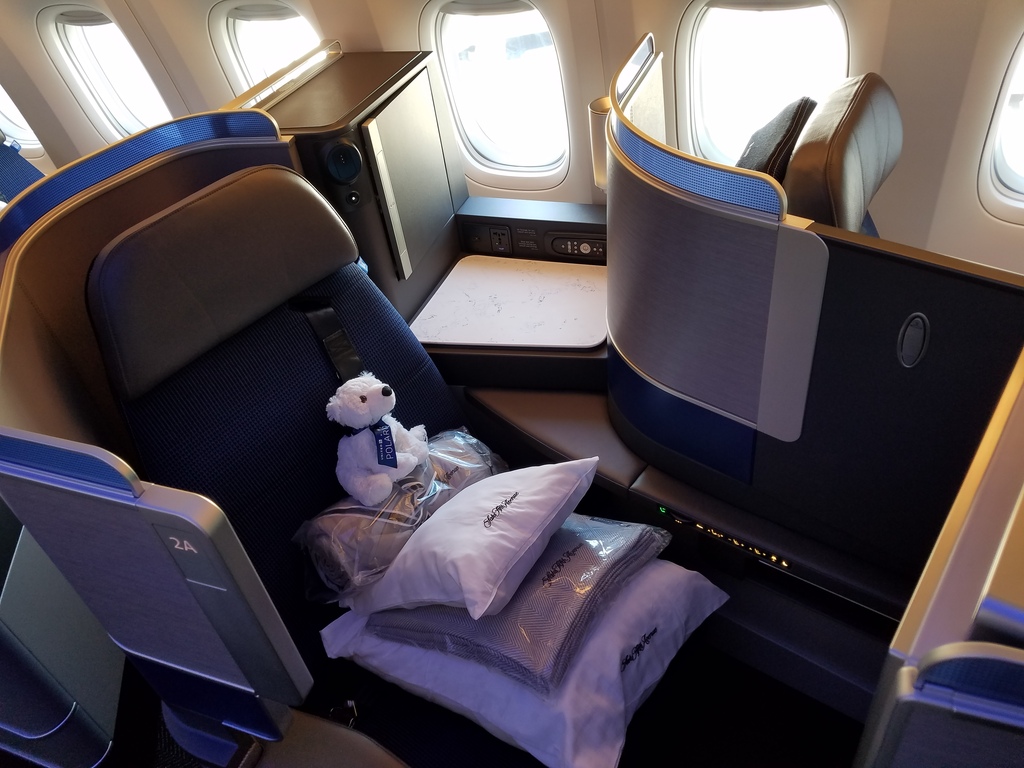
A notable precedent in the airline industry occurred in 2021, when Spirit Airlines partnered with Mercury Financial (issued by First Bank & Trust) to offer a co-branded credit card targeting near-prime consumers alongside its primary Bank of America portfolio. While the experiment demonstrated that an airline could successfully segment its customer base across different credit risk tiers, it also highlighted the administrative complexity of managing multiple card issuers. That partnership ultimately concluded in early 2024 amid Spirit’s broader financial restructuring and network adjustments.
Strategic Advantages for Chase and Potential Industry Repercussions
By orchestrating the second-look pipeline internally through private credit partnerships, JPMorgan Chase could strategically neutralize the pressure from airline partners to bring in competing credit card issuers. Under a hypothetical structure, Chase would retain the first right of refusal for all applicants, maintaining its elite brand positioning and prime customer acquisition funnel. Applicants who fail Chase’s rigorous credit models would then be seamlessly funneled to private credit-backed lending partners willing to assume higher risk tolerances.
This approach offers several strategic benefits for the banking titan. Private credit firms—such as Blackstone, KKR, Blue Owl, and Sixth Street—currently sit on unprecedented amounts of dry powder and are actively seeking yield in consumer asset classes. Partnering with these institutional funding vehicles allows Chase to offload credit risk while keeping airline partners like United satisfied with higher overall approval rates.
Furthermore, this arrangement aligns with the broader financial industry trend toward alternative payment products, including debit cards and secured credit options. Younger consumers, students, and individuals actively rebuilding their credit scores represent a massive untapped demographic for travel loyalty programs. By capturing these segments through secondary lending vehicles or debit products, financial institutions can cultivate long-term brand loyalty before eventually migrating successful customers onto prime credit portfolios.
Underwriting Realities and the Cost of Higher Risk
While expanding approval funnels through specialized lending partners opens up new revenue streams, it introduces distinct economic and operational challenges. Applicants who trigger a "second look" are not exclusively subprime borrowers; they often include consumers with limited credit histories, thin files, or those who have simply exceeded a primary bank’s internal exposure limits, such as Chase’s 5/24 rule.
However, consumers with genuinely higher credit risks require specialized underwriting, smaller initial credit lines, and significantly higher interest rates and fees to offset potential default rates. Specialized lenders must price these credit lines aggressively to account for the heightened default probabilities inherent in near-prime portfolios.
A critical negotiation point in any future second-look arrangement will center around customer lifecycle management. As secondary borrowers improve their credit scores over time, they transition from high-risk liabilities to prime, profitable banking customers. In a standard third-party lending model, the secondary lender would naturally resist losing a newly de-risked customer back to Chase. Consequently, any formal agreement between Chase, private credit funds, and airline partners must carefully establish rules regarding marketing rights, account transfer pricing, and customer migration pathways.
Broader Implications for the Travel Rewards Ecosystem
As discussions between JPMorgan Chase, private credit giants, and airline partners continue behind closed doors, the broader travel rewards ecosystem watches closely. While a second-look program may not instantly yield a massive percentage of incremental approvals, the marginal gains in customer satisfaction and ancillary revenue could be substantial for airlines that have staked their entire loyalty value proposition on credit card adoption.
If successfully implemented, this model could redefine how major banks and travel brands manage credit exclusions, bridging the gap between stringent risk management and aggressive loyalty expansion. For consumers, it may soon mean fewer outright rejections when applying for their favorite airline cards, opening the door to travel rewards for a broader demographic of travelers than ever before.








Leave a Reply