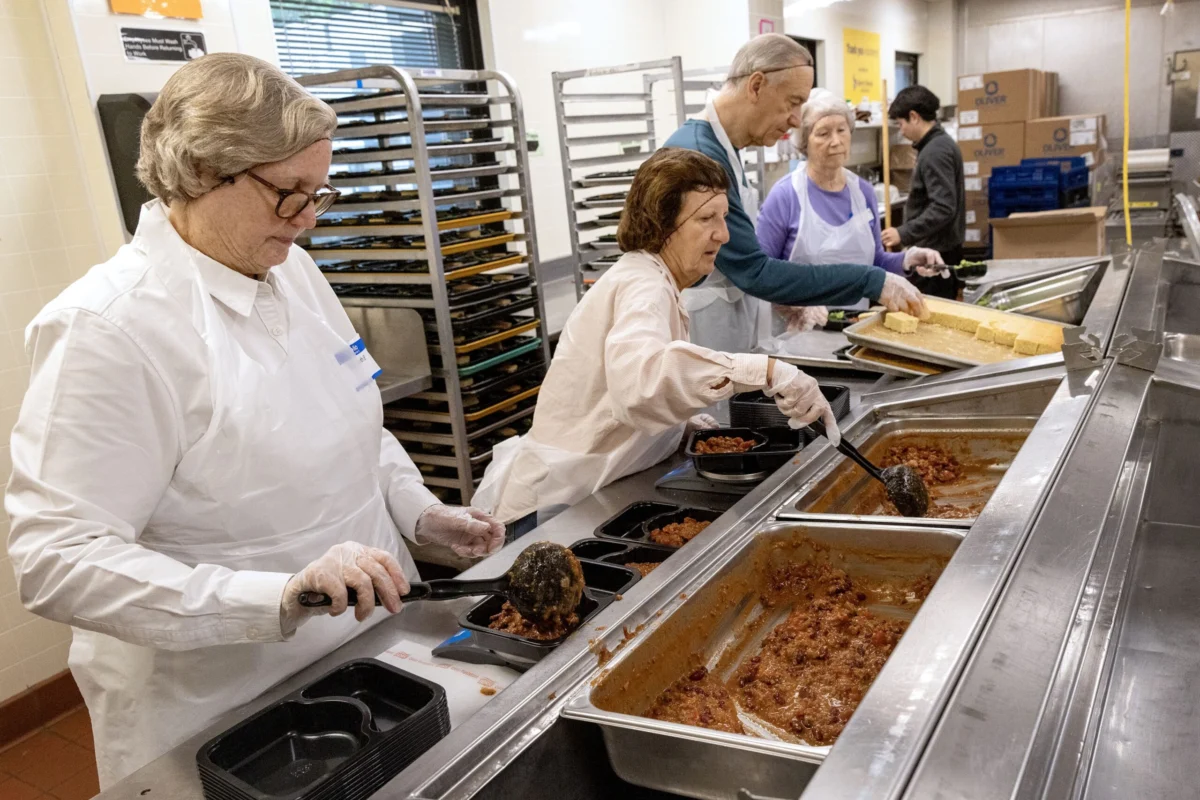
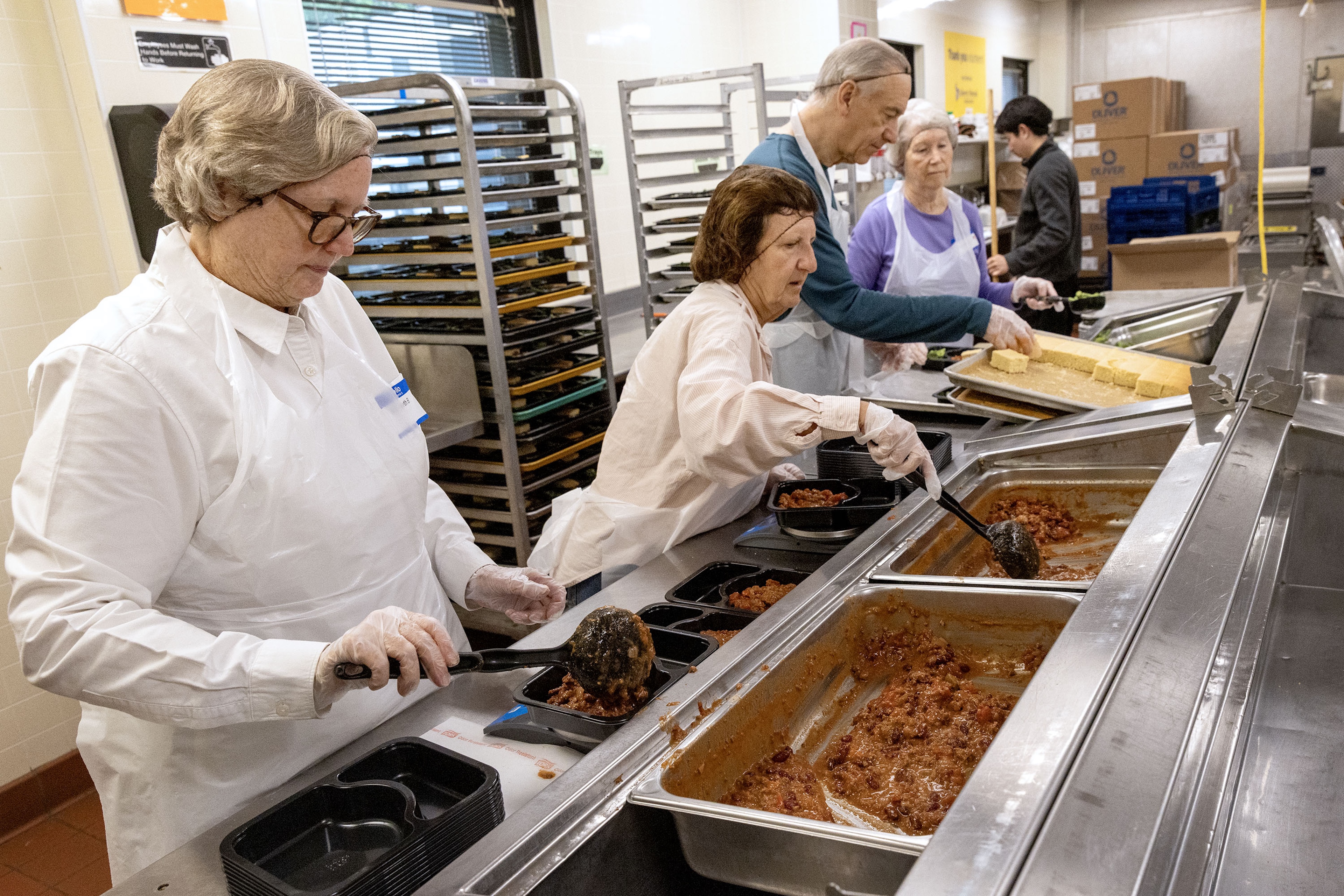
On a crisp weekday morning in a quiet Boston neighborhood, the industrial kitchen of the nonprofit organization Community Servings buzzed with a quiet, methodical urgency. Volunteers clad in hairnets and aprons sliced fresh chicken breasts, stuffed bell peppers with whole grains, carefully assembled food trays, and labeled each package according to strict dietary specifications. This scene was part of an expanding public health experiment: delivering specialized, medically tailored meals directly to the doorsteps of chronically ill Medicaid patients who are physically unable to grocery shop or cook for themselves.
For individuals navigating severe health crises, these deliveries offer more than simple sustenance—they provide a clinical intervention disguised as a warm dinner. Vanessa Georges, a Boston resident in remission from throat cancer, attributes her physical recovery directly to these weekly packages.
"Once I started to eat these meals that were geared toward my illness, I built up my muscle mass again, built up my strength, built up my confidence in myself," Georges said, noting that she would otherwise struggle to consume enough daily calories. "These meals have given me a second chance."
Beyond physical recovery, Georges observed a practical secondary benefit: her reliance on frequent doctor visits plummeted. Her personal experience mirrors a growing body of rigorous clinical research demonstrating that food interventions can profoundly alter healthcare utilization patterns and reduce overall expenditures.
Clinical Findings and Economic Realities
A landmark study published in the peer-reviewed journal Nature Medicine examined approximately 1,900 Massachusetts residents who received medically tailored meals for a minimum of three months. The findings revealed a dramatic reduction in high-acuity medical care: participants experienced 20% fewer emergency department visits and 31% fewer hospitalizations compared to control groups of similar patients who did not receive the nutritional support.
"It actually saves the healthcare system money," said Dr. Dariush Mozaffarian, a cardiologist and professor at Tufts University who led the study. "That’s a really big deal, because most things in healthcare don’t."
These findings reinforce accumulating data from institutions across the country, including previous studies published in the journal JAMA, suggesting that providing targeted nutrition can yield net financial savings for state budgets while improving clinical outcomes. At an average cost of roughly $125 per person per week, the programs effectively pay for themselves through averted inpatient admissions and reduced emergency interventions.
Researchers estimate that patients with cardiovascular disease utilizing these programs saved about $10,000 in medical care costs over a six-month period, while patients with kidney disease generated savings of roughly $12,000. Similar financial efficiencies were documented for patients managing diabetes, severe depression, and anxiety disorders. Nationally, health policy experts estimate that approximately 10 million Americans could medically benefit from such tailored food programs, though only a fraction are currently enrolled.
"Poor nutrition is the top cause of poor health in this country. It’s the top cause of preventable healthcare spending," said Mozaffarian, who also directs the Food is Medicine Institute at Tufts University. He has previously estimated that scaling medically tailored meals nationwide could help patients avoid 1.6 million hospitalizations annually and save the U.S. healthcare system upwards of $13.6 billion each year.
The Looming Threat of Medicaid Budget Cuts
Despite mounting clinical evidence and clear economic arguments, the future of state-level "food is medicine" initiatives remains precarious. Thirteen states have successfully secured federal Section 1115 Medicaid waivers to integrate medically tailored meals into their healthcare delivery frameworks, while three additional states await federal authorization. However, these programs face an existential threat as state lawmakers grapple with tightening fiscal constraints and sweeping federal policy shifts.
The fiscal landscape shifted dramatically following the passage of the One Big Beautiful Bill Act, a federal legislative package that slashed projected Medicaid funding by more than $900 billion. Proponents of the funding reductions, largely congressional Republicans, argue that federal health spending has ballooned out of control and point to administrative oversight issues. Conservative lawmakers have criticized certain state programs for allocating Medicaid resources toward broader social determinants of health, such as permanent housing and nutritional support.
Amaya Diana, a policy analyst at health information nonprofit KFF, noted that states will soon face difficult legislative decisions to bridge expanding funding gaps.
"If states are not able to offset the loss of federal funds with new taxes or reductions in other state spending, they may have to make program cuts," Diana explained.
The political volatility surrounding social determinants of health has been mirrored at the executive branch level. While the initial Trump administration permitted states broad flexibility to experiment with waivers addressing social needs, the subsequent Trump administration rescinded prior guidance issued during the Biden era regarding Medicaid initiatives targeting social determinants. Although federal health officials have not yet released a comprehensive replacement framework, they have signaled a stringent return to budgetary neutrality and heightened skepticism toward non-traditional medical interventions.
"They signaled they’re going to be a lot more skeptical," said Kurt Hager, an assistant professor at the University of Massachusetts Chan Medical School who helped lead the Massachusetts nutrition study. "Instead of using a broad-based approach nationwide, they’re going to make decisions on a state-by-state basis."
A Complex Regulatory and Political Landscape
The policy environment surrounding nutrition in federal health programs contains notable contradictions. Top health leaders appointed by the administration have positioned food quality and nutrition as core pillars of broader healthcare reform. Robert F. Kennedy Jr., Secretary of the Department of Health and Human Services (HHS), and Dr. Mehmet Oz, administrator of the Centers for Medicare & Medicaid Services (CMS), have aggressively promoted initiatives targeting less-processed foods, launching coordinated efforts to mandate healthier dietary options within hospital systems to improve patient recovery rates.
In public statements, Administrator Oz has frequently criticized the medical establishment’s historic aversion to preventative nutritional investments. "The healthcare system is often willing to pay for surgeries," Oz noted in a social media address, "but not always willing to pay for the nutrition that might help prevent those outcomes in the first place. That’s bothered me my whole career." CMS leadership has noted that the agency is evaluating several strategies, including medically tailored meals, to prevent avoidable hospitalizations, though agency officials have declined repeated requests for interviews regarding specific waiver policies.
This rhetorical focus has clashed with legislative realities on Capitol Hill. U.S. Rep. Jim McGovern (D-MA), who sponsored legislation intended to pilot meal delivery services for chronically ill seniors enrolled in Medicare, expressed frustration over securing engagement from administration leadership.
"I had thought, based on some of his rhetoric before he entered the Trump administration, that RFK Jr. would be a natural ally on this," McGovern said. "But we can’t seem to get his attention."
Legal and policy experts emphasize that this administrative ambiguity creates severe operational hurdles for state agencies. Katie Garfield, a researcher focusing on social determinants of health at Harvard Law School’s Center for Health Law and Policy Innovation, highlighted the paralyzing effect of shifting federal guidance.
"We’re still waiting to see that big step forward around ‘food is medicine’ interventions," Garfield said. "We need to see that step forward to resolve some of the uncertainty."
Quality Control and Operational Rigor
As scrutiny from federal regulators increases, program administrators face mounting pressure to ensure absolute transparency and strict nutritional compliance. Previous investigations by independent health journalism outlets have exposed isolated instances where private contractors billed Medicaid programs for meals that failed to meet rigorous nutritional standards, inviting criticism from fiscal watchdogs regarding lax oversight.
In contrast, established community providers emphasize their meticulous adherence to clinical guidelines. At Community Servings in Boston, meal preparation is treated as a clinical prescription tailored to individual biomarkers, chronic conditions, and pharmacological profiles, according to David Waters, the nonprofit’s chief executive.

"What we’re able to do is to work with your healthcare provider to understand your health realities—what your diagnoses are, what your medications are, side effects, food allergies, cultural norms—and then prescribe a diet for you that is scratch-made," Waters explained.
Menus are balanced for specific thresholds of sodium, sugar, saturated fats, and micronutrients, addressing complex requirements such as low-residue diets for gastrointestinal recovery or controlled carbohydrate counts for diabetic stabilization.
A Personal Impact on Chronic Disease Management
For program participants like Steve Honyotski, the clinical benefits translate directly into improved daily living. Honyotski, 71, receives a weekly delivery of 10 freshly cooked meals that arrive cold or flash-frozen, ready to be heated in a microwave within minutes.
"The carrot ginger soup is my favorite," Honyotski said with a smile.
Living with multiple overlapping chronic conditions—including type 2 diabetes, obesity, and severe hypertension—Honyotski has tracked measurable improvements in his clinical markers since transitioning to the medically tailored diet. His stabilizing blood sugar levels have allowed him to reduce his daily insulin dosage, and he has successfully lost enough weight to safely postpone an invasive knee replacement surgery.
State-Level Responses and Future Outlook
Despite the looming threat of federal funding retrenchment, several state governments remain steadfast in their commitment to nutritional interventions. Ryan Schwarz, the Medicaid director for Massachusetts, confirmed that state health authorities intend to aggressively pursue federal waiver extensions to ensure the continuation of medically tailored meal programs.
"We feel very strongly committed to continuing these services," Schwarz stated.
Other states, however, have already experienced the immediate friction of budgetary contraction. In North Carolina, initial longitudinal evaluations of a state-funded program integrating food, housing, and transportation supports demonstrated clear reductions in long-term Medicaid expenditures. Nevertheless, citing sudden fiscal anxieties, North Carolina state lawmakers abruptly suspended funding for the social support initiatives. Following intense legislative debate and advocacy from healthcare coalitions, lawmakers partially restored funding for the program, signaling a compromise approach.
Public health analysts view North Carolina’s fiscal turbulence as a cautionary preview for the broader national landscape.
"To me, that’s a signal of what might occur in other states as these Medicaid cuts hit," Hager warned. "Even though they have the authority to run these programs, it might be a lot harder for the states to actually implement them."
As federal policymakers weigh budget reconciliation measures against a stated national commitment to combating diet-related chronic disease, the fate of "food is medicine" hangs in the balance. For patients like Georges and Honyotski, the debate is not merely an abstract fiscal exercise, but a vital lifeline determining whether their refrigerators remain stocked with the specialized care they need to survive.