
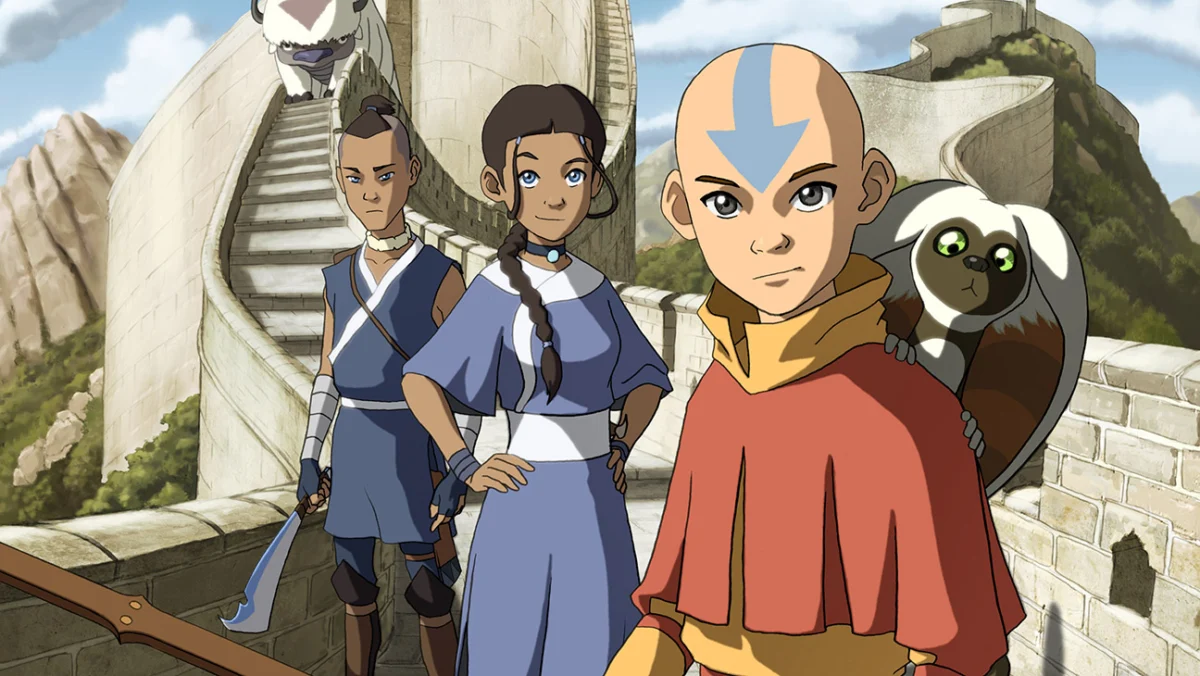
The digital landscape was sent into a frenzy over the weekend as significant portions of the highly anticipated animated film, The Legend of Aang: The Last Airbender, surfaced online, weeks before its scheduled debut on Paramount+. The leak, initiated by an individual operating under the anonymous X (formerly Twitter) handle ImStillDissin, has ignited a firestorm of controversy, drawing attention not only to the breach of security but also to Paramount’s strategic decisions regarding its distribution. What began as what the leaker described as a "troll" has escalated into a full-blown crisis for the studio, amplifying existing debates about theatrical releases, streaming exclusivity, and the ethical responsibilities of creators and consumers alike.
The Genesis of the Leak: From Prank to Piracy
The cascade of leaked content originated with ImStillDissin, who initially posted two one-minute clips of the film. He claims he received a full copy of the movie from an acquaintance with a history in hacking. Unaware of the film’s identity at first, he looked it up and, recognizing it as a "Paramount+ thing," decided to "troll a little bit" by sharing the snippets. His rationale, he explained, was that the film wasn’t destined for a theatrical release, leading him to underestimate the potential ramifications of his actions. He even added a #PeggleCrew watermark, a nod to the hacking group associated with the individual who provided him with the movie, a group known for past cyber intrusions.
The initial clips rapidly disseminated across the internet, finding fertile ground on platforms like 4Chan. This online community, a known hub for individuals involved in the illicit trade of digital media, encouraged ImStillDissin to release the full film. While he reportedly resisted the direct pressure to leak the entire movie himself, the dam had already broken. By Monday, an unrelated account, reportedly based in Singapore, had posted the complete film, which subsequently circulated widely among dedicated fans of the Avatar universe.
A Pattern of Digital Infiltration: Hollywood’s Enduring Vulnerability
The leak of The Legend of Aang: The Last Airbender is far from an isolated incident in the entertainment industry. Hollywood has a long and often painful history with pre-release digital infiltrations. Major productions and critically acclaimed works have frequently fallen victim to unauthorized distribution. Notable examples include screeners of films like The Revenant and Zero Dark Thirty, as well as episodes of the immensely popular HBO series Game of Thrones, all of which appeared online days or even weeks before their official premieres.
However, the scale and timing of the Legend of Aang leak are particularly noteworthy. Incidents involving titles of such significant franchise value being compromised months in advance are rare. One of the most prominent comparable events occurred in 2017 when episodes of the then-newest season of Netflix’s Orange Is the New Black were stolen from a postproduction vendor, with the hackers attempting to extort the streaming giant. The current situation, with The Legend of Aang leaked so far ahead of its Paramount+ debut, underscores a persistent vulnerability in content protection strategies.
Paramount’s Investigation and Response
In the wake of the leak, Paramount has launched a comprehensive investigation into the breach. Sources close to the situation have indicated to The Hollywood Reporter that the studio has actively worked to rule out any vulnerabilities within its own internal systems as the source of the compromise. This focus suggests that the leak may have originated further down the supply chain, potentially from third-party vendors involved in the film’s production or distribution process.
Despite these efforts, Paramount continues to pursue copyright takedown notices on platforms like X, actively attempting to stem the flow of the pirated content. The effectiveness and long-term viability of such measures against widespread digital dissemination remain a significant challenge for content owners.
The Streaming Dilemma: Theatrical Release vs. Exclusive Platform Debut
The leak has inevitably reignited a contentious debate surrounding Paramount’s decision to forgo a traditional theatrical release for The Legend of Aang: The Last Airbender. The Avatar franchise, a cornerstone of animated storytelling, has a proven track record of resonating with audiences across multiple platforms. The original Netflix series, Avatar: The Last Airbender, achieved remarkable success upon its release in 2020, topping the streamer’s daily charts for over 60 consecutive days – a record at the time for a non-Netflix original. Even two decades after its initial run, the series demonstrated enduring popularity, ranking as the third most-streamed animated show on Netflix last year. Furthermore, since its debut on Paramount+ in March 2023, it has consistently appeared among Nielsen’s Top 100 most-streamed titles, featuring in 17 out of 139 weeks.
Paramount’s strategic pivot to make Paramount+ the exclusive home for all animated content from Avatar Studios, the creative engine behind the universe, represents a significant investment in its streaming platform. This decision, however, has drawn criticism from a segment of the fanbase and industry observers, who argue that it devalues the artistic achievement and potentially limits the film’s reach and cultural impact.
Fan Reactions and the Ethics of Piracy
The decision to bypass a theatrical release has also fueled a defensive posture among some fans who have opted to illegally download the leaked movie. A common sentiment expressed online is that these viewers would have pirated the film regardless, given its intended exclusive debut on Paramount+. The argument posits that since the film was not slated for cinemas, its availability through illicit channels does not represent a direct loss of box office revenue for the studio.
"Anyone watching the leak wouldn’t even be watching it on Paramount+ in the first place," stated one user on 4Chan, echoing the sentiment that the leak "literally makes no difference." Others have voiced frustration with Paramount’s strategy, arguing that a film of such artistic merit deserved a cinematic release. One comment lamented, "You fund animation like this, and you throw it on a dead platform without any fucking advertising? The leak is deserved." This sentiment highlights a perceived disconnect between the studio’s investment in high-quality animation and its promotional and distribution efforts.
The Artist’s Perspective: Undermining Labor and Creative Vision
The leaked content has elicited strong reactions from the animators and creative team behind The Legend of Aang: The Last Airbender. Many have urged fans to resist the temptation to watch the pirated version, emphasizing the detrimental impact on the hard work and dedication of everyone involved in its creation.
Julia Schoel, a creator of animated short films and a contributor to projects like Rise of the Teenage Mutant Ninja Turtles: The Movie, voiced her disappointment on X. "This is incredibly disrespectful to all of the hard work the artists put in," she wrote. While acknowledging the frustration surrounding Paramount’s distribution choice, calling it a "terrible decision," Schoel highlighted the years of labor invested by the crew with the expectation of celebrating their achievements in theaters.
Tessa Bright, animation director at Flying Bark Studios, which was responsible for the animation of the movie, echoed these sentiments. "It’s perfectly reasonable for anyone who worked on this project to be frustrated at this situation," she stated. "The amount of effort and dedication it took to make this film happen speaks for itself in the final product and I’m sure a lot of you will agree." Their statements underscore the human cost of such leaks, impacting the morale and recognition of the artists whose craft is the foundation of the film.
The Technical Details of the Leak and Its Implications
The specific method of the leak remains somewhat opaque. ImStillDissin asserts that the video he shared was obtained by someone affiliated with PeggleCrew, a hacking group with a history of distributing malware. However, he also indicated that "multiple people had access" to the full movie, suggesting a broader compromise beyond his immediate contact.
The version of the film that has proliferated online is reportedly of high quality, which could imply a breach of higher-level security systems, potentially at the source of production or postproduction. This contrasts with earlier leaks that might have been lower-quality recordings. The presence of such a polished version raises concerns about the sophistication of the actors involved and the effectiveness of digital rights management in preventing unauthorized access to master files.
Broader Industry Ramifications and Future Outlook
This incident occurs in the shadow of another recent leak involving Paramount. An unfinished copy of Saving Bikini Bottom: The Sandy Cheeks Movie surfaced online just weeks before its theatrical release in 2024. The repeated instances suggest a systemic challenge in protecting high-profile content, particularly as production workflows become increasingly digital and interconnected.
With The Legend of Aang: The Last Airbender scheduled for its official Paramount+ premiere in October, the leak may force the studio to re-evaluate its promotional strategy and security protocols. The David Ellison-led company faces the difficult task of mitigating the damage to its brand and intellectual property while also navigating the complex relationship between its creative output, its streaming ambitions, and the expectations of its dedicated fanbase. The incident serves as a stark reminder of the ongoing battle between content creators and distributors and the ever-evolving landscape of digital piracy.







Leave a Reply