The landscape of the American energy sector underwent a profound transformation throughout 2025 and early 2026, as the solar industry demonstrated an unexpected level of resilience in the face of significant regulatory and political headwinds. Despite initial efforts by some factions in Congress to dismantle the renewable energy incentives established by the Inflation Reduction Act (IRA) and the introduction of restrictive regulations by the Department of the Interior, the solar sector has not only survived but has continued to expand at a record-breaking pace. This growth is being fueled by a unique convergence of factors: the skyrocketing power demands of artificial intelligence and data centers, a critical shortage of natural gas infrastructure, and a shifting political narrative that increasingly frames solar energy as a tool for "energy dominance" and national security.
The Political Tug-of-War and the Regulatory Environment
In the spring of 2025, the future of renewable energy in the United States appeared precarious. Following a shift in the political composition of Congress, efforts were initiated to gut the generous tax credits for wind and solar power provided by the IRA. Proponents of these cuts argued that the subsidies were distorting the energy market, while critics of the administration’s policies raised concerns about the long-term fiscal impact of the credits. Simultaneously, the Department of the Interior introduced a series of complex regulations designed to restrict the development of clean energy projects on federal lands. These rules, described by industry insiders as "byzantine," were initially feared to be a death knell for large-scale utility projects, potentially spilling over to affect development on private lands through indirect regulatory pressure.
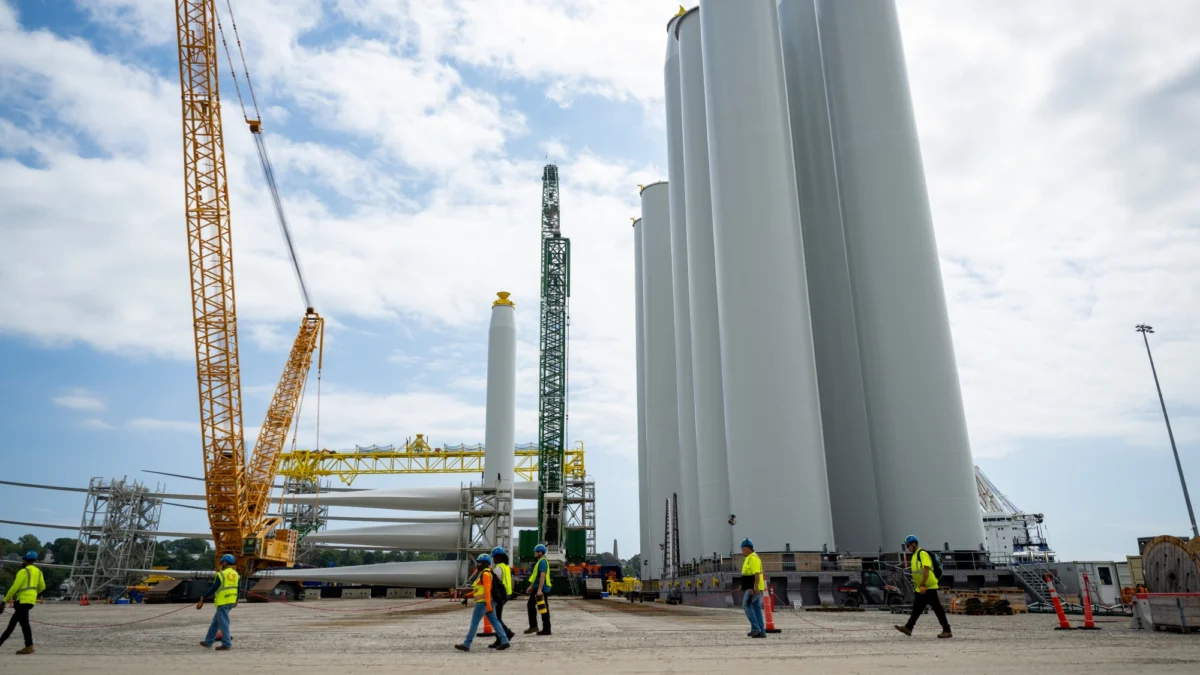
However, the reality on the ground has diverged sharply from these early fears. While the wind industry has faced measurable setbacks due to these restrictions—particularly in the offshore sector where several major projects were temporarily halted—the solar industry has continued its upward trajectory. By February 2026, the administration began to signal a more pragmatic approach. In a notable policy pivot, the Department of the Interior announced that it would allow several massive solar projects, which had been previously stalled by the new regulations, to move forward. This move suggested that the practical need for new power generation was beginning to outweigh ideological opposition to renewable technology.
Hannah Hess, director of the Rhodium Group’s Clean Investment Monitor team, noted that the data contradicts the narrative of a total standstill. "There has been a significant amount of commentary suggesting that red tape was bringing the industry to a halt," Hess stated. "When we examine the actual investment and deployment data, that simply is not the case." According to the Solar Energy Industries Association (SEIA), solar and battery storage accounted for a staggering 79 percent of all new power generation capacity brought online in the United States in 2025. Furthermore, projections from the Energy Information Administration (EIA) suggest that the sector will grow by another 49 percent before the current IRA tax credits are slated to expire at the end of 2027.
The Data Center Boom and the Turbine Crisis
The primary engine behind this continued growth is the unprecedented demand for electricity from the technology sector. As the race for artificial intelligence intensifies, the construction of massive data centers has become a top priority for global tech giants. These facilities require immense amounts of reliable, 24/7 power, and developers are finding that solar energy, when paired with battery storage, is often the most viable solution.
Jim DesJardins, executive director of the Renewable Energy Industries Association of New Mexico, described the current surge in demand as "almost scary." Just five years ago, the energy industry focused on the incremental load growth expected from the adoption of electric vehicles (EVs) and the electrification of buildings. Today, those concerns have been eclipsed by the requirements of data centers. The scale of this demand is so significant that it has begun to bridge traditional industry divides. In a landmark moment for the sector, the New Mexico Oil and Gas Association recently reached out to sponsor the state’s renewable energy conference, signaling a new era where fossil fuel interests and renewable developers are increasingly viewing one another as partners in meeting a massive energy shortfall.
Compounding the demand for solar is a critical shortage of natural gas turbines. These engines are essential for traditional gas-fired power plants, but a global supply chain crunch has resulted in backlogs of five to nine years for new units. Mike Hall, CEO of Anza Renewables, explained that the time required to procure a turbine, secure permits, and establish proximity to gas pipelines makes natural gas a slow solution to an urgent problem. "Then you have the climate and carbon issues on top of that," Hall added. A recent study by Sightline Climate found that approximately half of all planned data center projects globally are facing delays due to power constraints. For developers who cannot afford to wait a decade for a gas plant to come online, solar is the only technology that can be deployed fast enough to keep their operations on schedule.
Shifting Conservative Perspectives and the "Energy Dominance" Narrative
Perhaps the most surprising development in the solar story is the shifting rhetoric within conservative circles. While support for solar power among rank-and-file Republicans had dipped in recent years due to partisan culture wars, a new alignment is emerging based on economic pragmatism and national security.
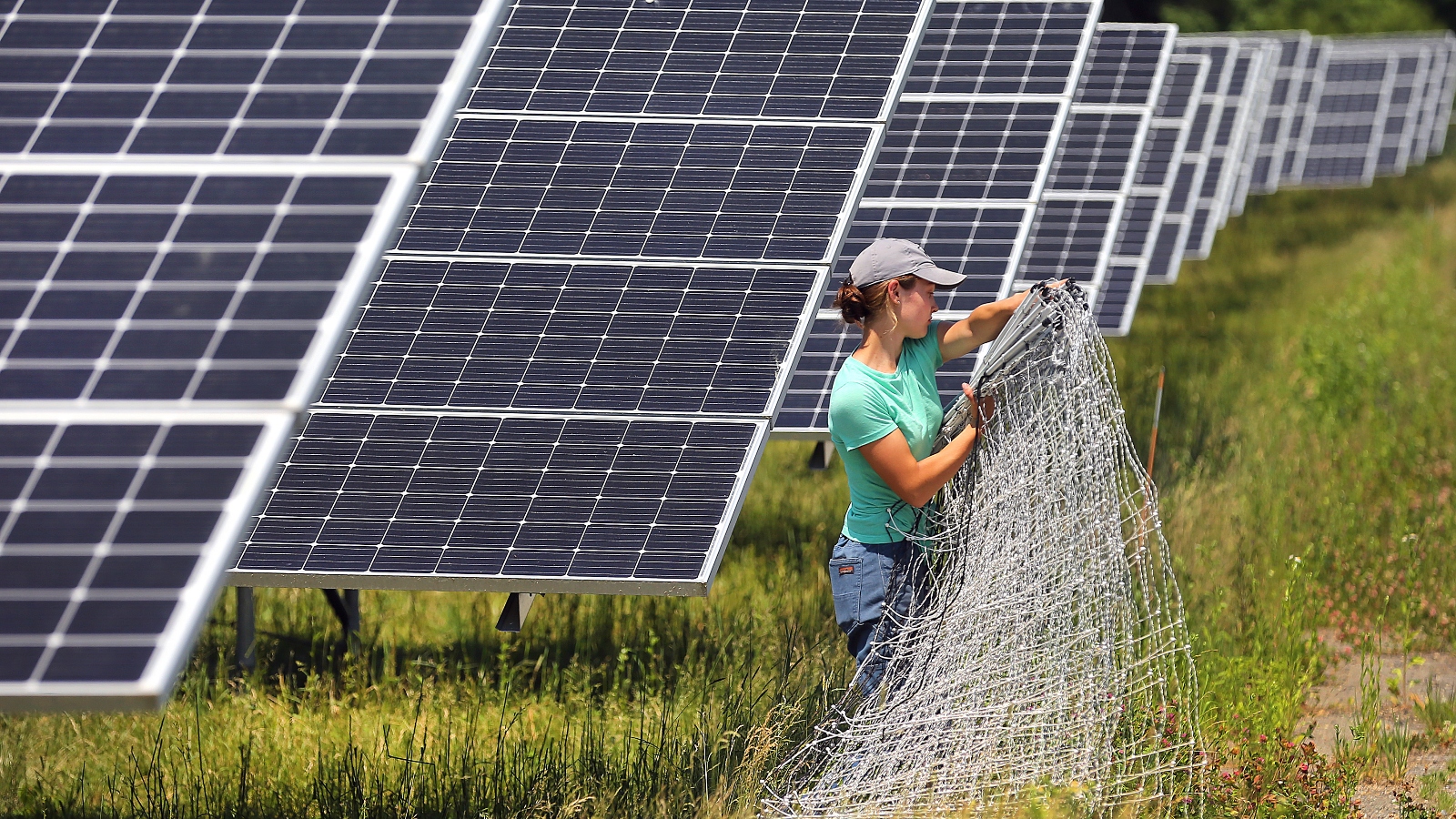
A recent poll conducted by GoodPower and NORC at the University of Chicago revealed that 69 percent of Republicans support solar energy, provided it leads to lower electricity costs for consumers. This "pocketbook" approach to energy policy is being championed by the SEIA, which has worked to frame the industry as a pillar of President Donald Trump’s "energy dominance" agenda. By focusing on cost reduction for families and businesses, the industry has successfully decoupled solar power from its "green" associations in the minds of many conservative voters.
Prominent figures within the MAGA movement have also begun to embrace the technology. Katie Miller, a former administration official and a key conservative influencer, recently heralded solar as the "energy of the future," specifically citing the need to compete with China’s dominance in the sector. "Giant fusion reactor up there in the sky—we must rapidly expand solar to compete with China," Miller posted on social media. Similarly, Energy Secretary Chris Wright, once a vocal critic of renewable mandates, has acknowledged the "commercial role" for solar in providing affordable and reliable energy to the grid.
Legislative Milestones: The SPEED Act and Permitting Reform
While the market is driving demand, the industry still faces significant logistical hurdles. The most prominent of these are local permitting and the "interconnection" process—the complex and often years-long wait to connect new projects to the aging American power grid.
In an effort to address these bottlenecks, the House of Representatives passed the Standardizing Permitting and Expediting Economic Development (SPEED) Act in December 2025. This bipartisan legislation aims to overhaul the National Environmental Policy Act (NEPA), a landmark 1970 law that requires federal agencies to conduct extensive environmental reviews before approving infrastructure projects. While environmental groups have expressed concern that the SPEED Act could weaken vital protections, many developers and lawmakers on both sides of the aisle argue that the current system is too slow to accommodate the modern energy transition.
The push for permitting reform has created an unusual alliance in Washington. Democratic senators such as Martin Heinrich and Sheldon Whitehouse, who have been staunch defenders of the IRA, are now at the negotiating table with their Republican counterparts to find a middle ground. Senator Heinrich’s office recently criticized the administration’s earlier attempts to stall clean energy, arguing that "deliberate attacks" on the sector were forcing Americans to pay higher utility bills. The emerging consensus is that the politics must be removed from the permitting process to ensure that the U.S. does not "leave electrons on the table."
Geopolitical Pressure and Energy Poverty
The broader geopolitical environment has also played a role in the solar resurgence. The ongoing conflict in Iran and the resulting volatility in global oil prices have underscored the risks of over-reliance on fossil fuels. High energy prices have exacerbated "energy poverty" in the United States, a condition where households struggle to pay basic utility bills. A study by the nonprofit RMI found that one in three American households currently faces this challenge.
Brad Townsend, vice president of policy and outreach at the Center for Climate and Energy Solutions, noted that the administration is becoming increasingly aware that renewable energy is no longer a luxury, but a necessity for economic stability. "We can’t turn away renewable energy when so many people are struggling," Townsend said.
From a national security perspective, solar energy offers a level of insulation from foreign conflicts. As Jim DesJardins of New Mexico’s renewable association pointed out, "No one has fought a war over the sun." This inherent stability, combined with the rapid decline in the cost of photovoltaic technology, has positioned solar as a cornerstone of the 21st-century American economy.
Conclusion: The Path Forward for American Energy
As the United States moves toward 2027, the solar industry stands as a testament to the power of market forces over political rhetoric. The combination of insatiable demand from the tech sector, the logistical failures of traditional fuel sources, and a new bipartisan focus on infrastructure reform has created a momentum that appears difficult to reverse. While regulatory challenges remain on federal lands and the "interconnection queue" continues to be a headache for developers, the economic argument for solar has become undeniable. Whether framed as a tool for climate action or a weapon for "energy dominance," the sun has become an essential part of the American power grid, proving that in the modern era, the most successful energy policy is one that prioritizes speed, cost, and reliability above all else.