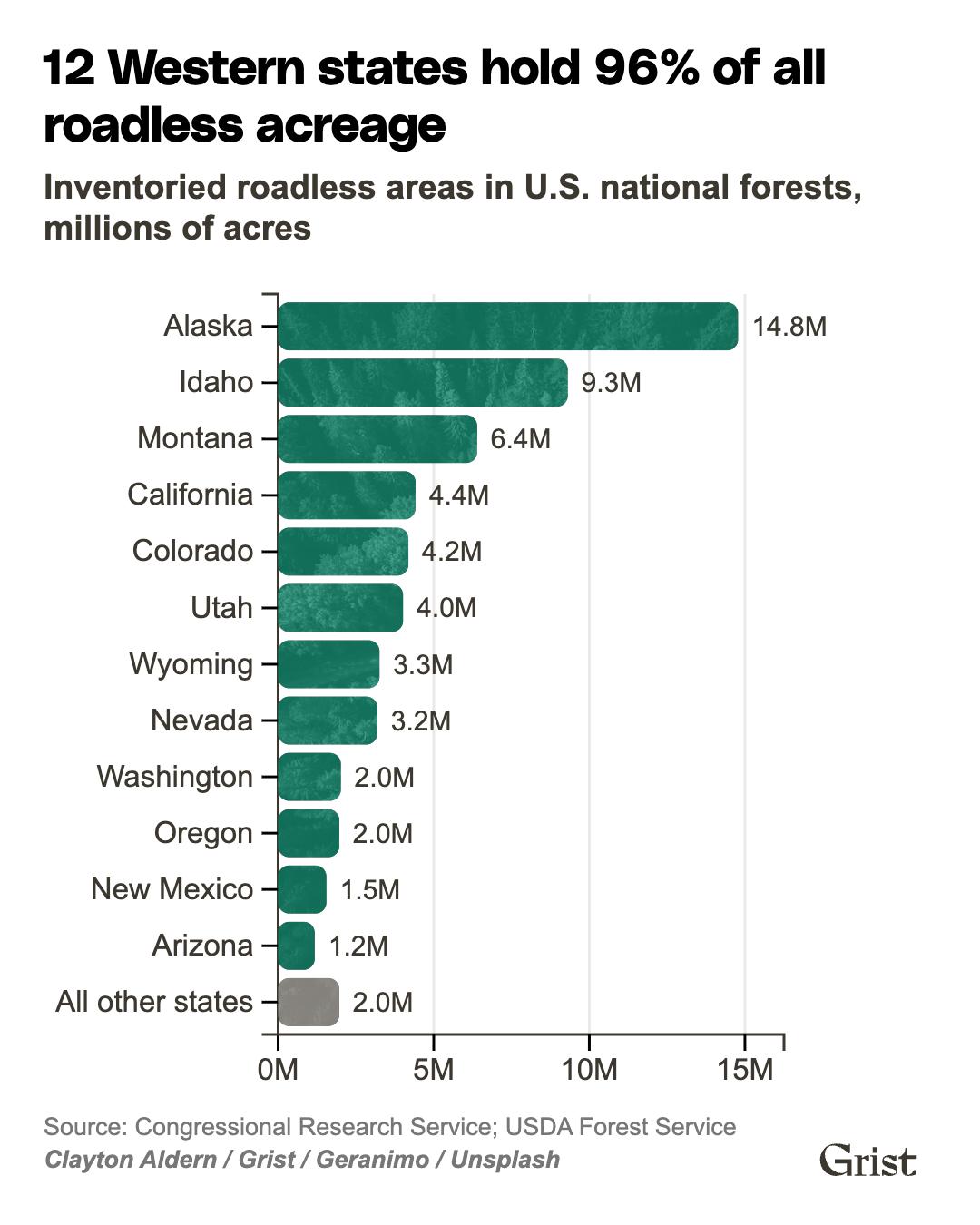
The federal government is moving to rescind one of the most significant land conservation policies of the last quarter-century, sparking a fierce debate over the future of America’s public woodlands. The Roadless Area Conservation Rule, established in 2001, currently protects nearly 60 million acres of national forest land from road construction and industrial logging. While the vast majority of these protected areas are located in the rugged landscapes of the American West and Alaska, the rule also shields a network of smaller, ecologically vital "islands" of wilderness across the eastern half of the United States. As the Trump administration accelerates efforts to open these lands to timber harvesting and mineral extraction, conservationists, former forestry officials, and local communities are bracing for a systemic shift in how the nation manages its natural heritage.
The Genesis and Purpose of the Roadless Rule
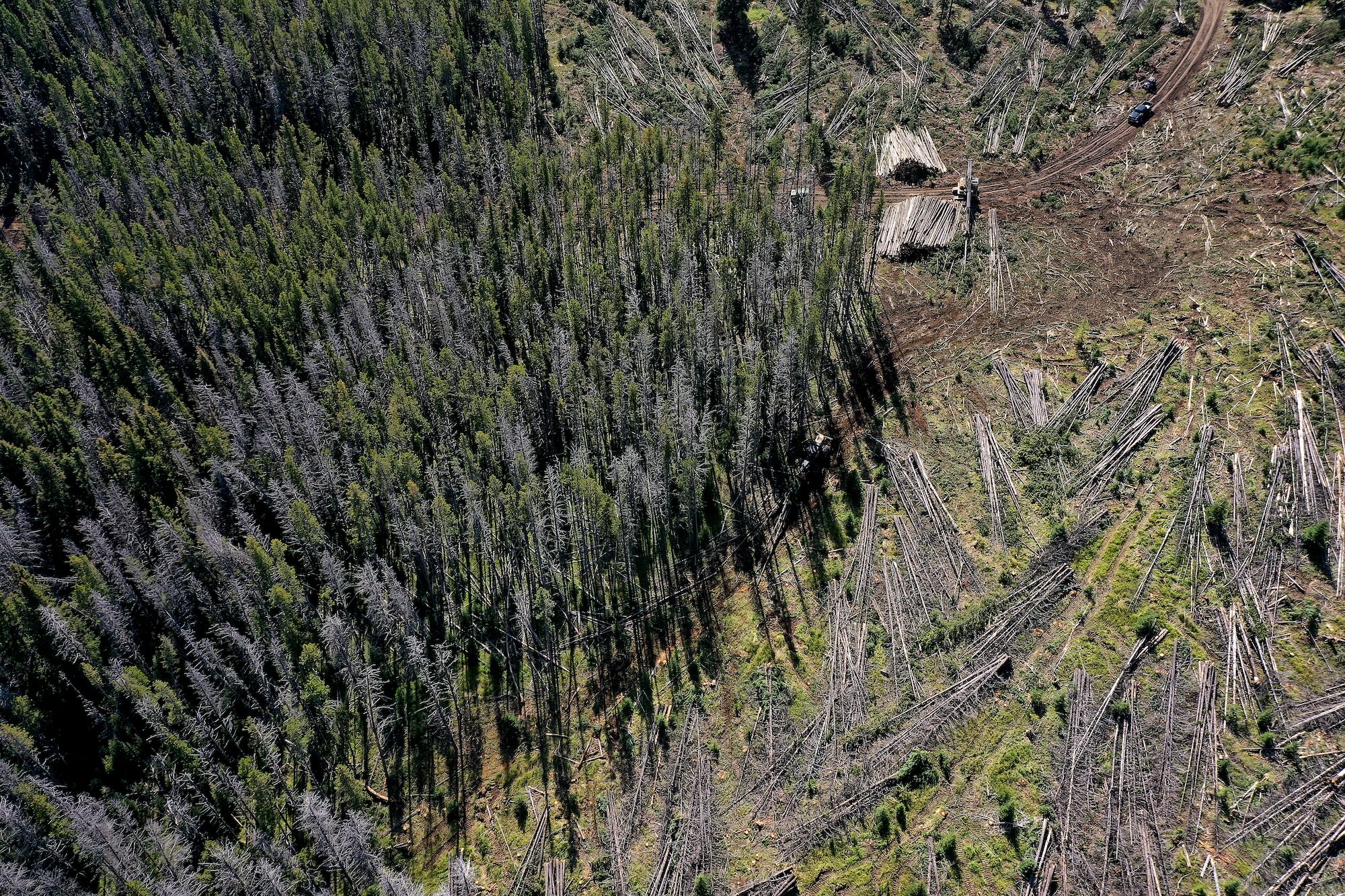
To understand the current conflict, one must look back to the late 1990s, when the U.S. Forest Service faced an internal crisis. Decades of aggressive road building to facilitate logging had left the agency with a staggering 380,000-mile network of forest roads—eight times the length of the Interstate Highway System. By 2001, the agency faced an $8.4 billion maintenance backlog. These roads were not merely expensive; they were ecologically destructive. Crumbling infrastructure was leaching sediment into pristine trout streams, fragmenting the habitats of wide-ranging species, and providing conduits for invasive species.
In the final days of the Clinton administration, the Roadless Area Conservation Rule was adopted to halt this cycle. It barred timber harvesting and road construction in "inventoried roadless areas," which represent roughly one-third of all national forest land. In the Western U.S., these areas often encompass hundreds of thousands of contiguous acres. In the East, however, where private development is more dense, the roadless rule protects rare, isolated pockets of deep forest that serve as critical refuges for biodiversity and as primary sources of clean drinking water for millions of residents.
The Administration’s Drive for Deregulation
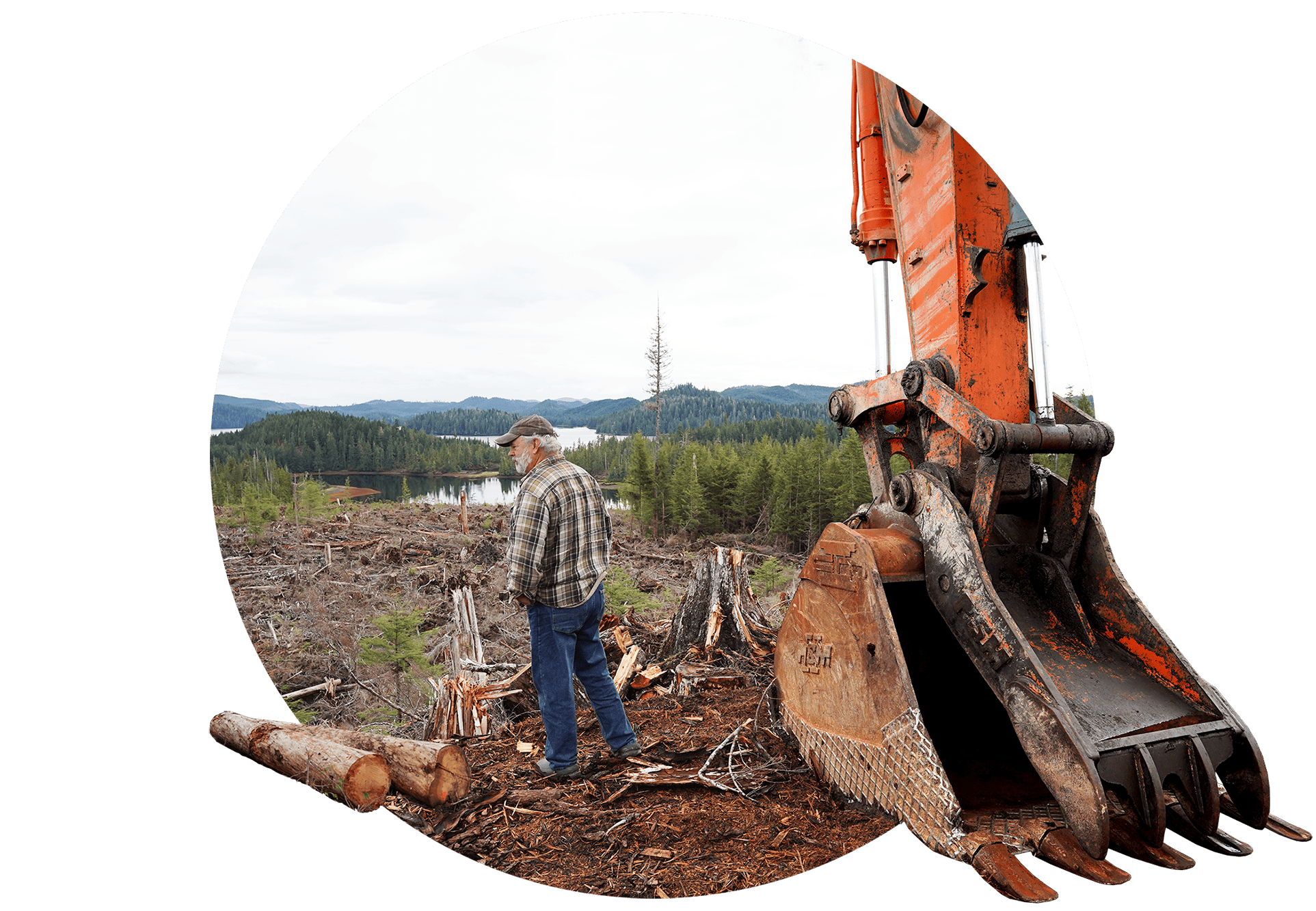
The current administration, led by Secretary of Agriculture Brooke Rollins, views the 2001 rule as a relic of "overly restrictive" federal overreach. The Department of Agriculture (USDA), which oversees the Forest Service, argues that the lack of road access hinders the agency’s ability to perform "active forest management." This includes thinning overcrowded stands to reduce wildfire risk, responding to insect infestations, and maintaining access for firefighting equipment. Rollins has characterized the policy as an "absurd obstruction" that stifles rural economies dependent on the timber industry.
This push to repeal the roadless rule is part of a broader, more aggressive restructuring of the U.S. Forest Service. Within the last year, the administration has shuttered 57 of the agency’s 77 research stations, many of which provided the foundational science for climate change adaptation and invasive species management. Furthermore, the administration announced plans to relocate the agency’s headquarters from Washington, D.C., to Salt Lake City, Utah, a move critics argue is designed to trigger a "brain drain" of veteran career scientists and policy experts.
A Chronology of the Repeal Effort
The effort to dismantle the roadless rule moved into high gear last autumn with a significantly truncated administrative process. Typically, major changes to federal land use policy involve a 90-day public comment period to allow for thorough civic and scientific input. The Trump administration, however, opened a mere 21-day window for public response. Despite the short timeframe, the proposal drew more than 220,000 comments. An analysis by the advocacy group Roadless Defense found that over 99 percent of these responses were in opposition to the repeal.
Despite this overwhelming public pushback, the administration has signaled its intent to finalize the rollback within the calendar year. This move coincides with executive orders aimed at increasing domestic timber production and streamlining the use of legal loopholes to bypass lengthy environmental impact studies.
The Carbon Sink: Eastern Forests and Climate Change
While the administration focuses on timber volume, climate scientists are sounding the alarm over the loss of carbon sequestration capacity. Eastern forests, though smaller than their Western counterparts, are currently in a "sweet spot" for carbon storage. According to Richard Birdsey, a senior scientist at the Woodwell Climate Research Center and a former Forest Service researcher, most Eastern woodlands are between 80 and 120 years old.
"This is a period when they are optimally removing carbon dioxide from the atmosphere and storing it in biomass and the soil," Birdsey noted. His research indicates that Eastern forests have reached only about half of their total carbon storage potential. If left undisturbed, these forests could absorb an estimated 117 million metric tons of CO2 annually by 2050. Conversely, accelerating timber harvests would not only stop this absorption but would release significant amounts of stored carbon back into the atmosphere, undermining national climate goals.
Regional Impacts: From the Midwest to the Appalachians
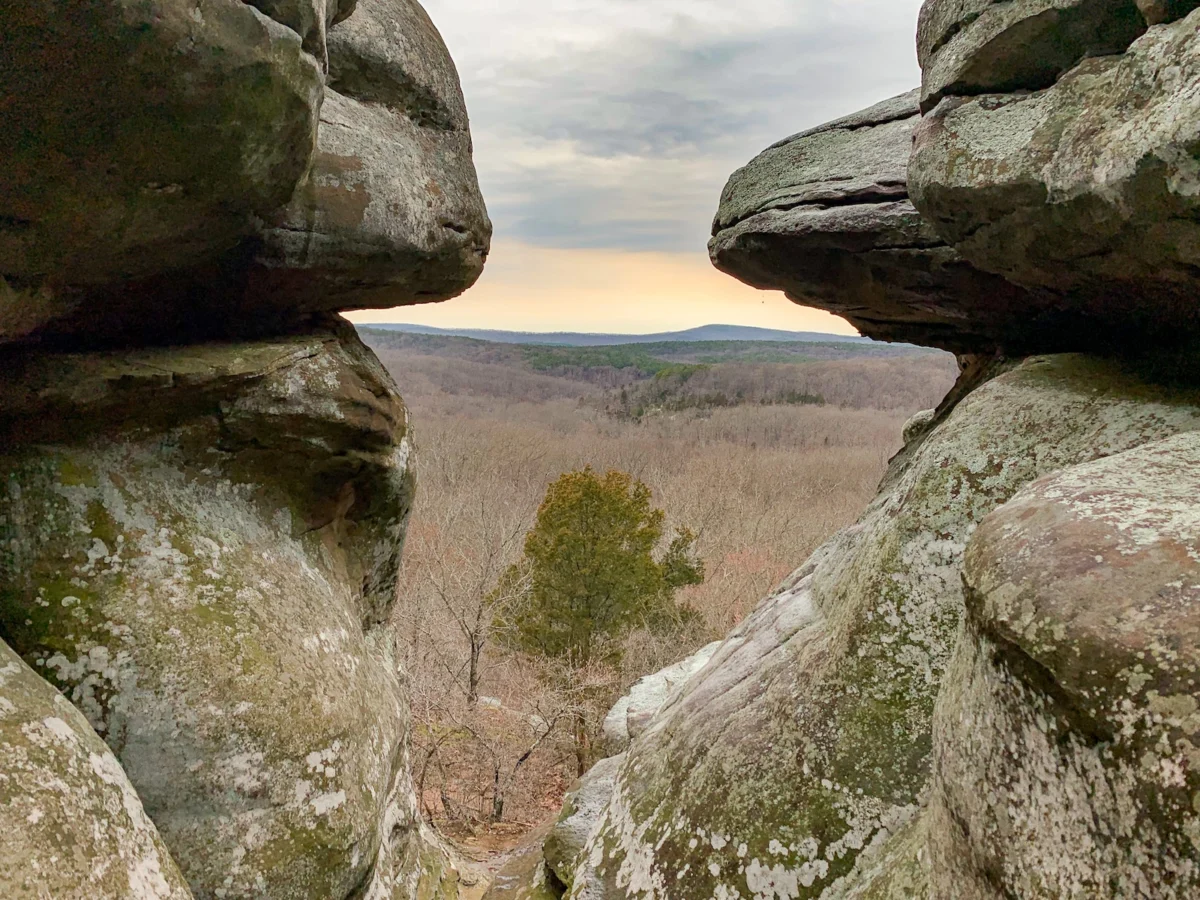
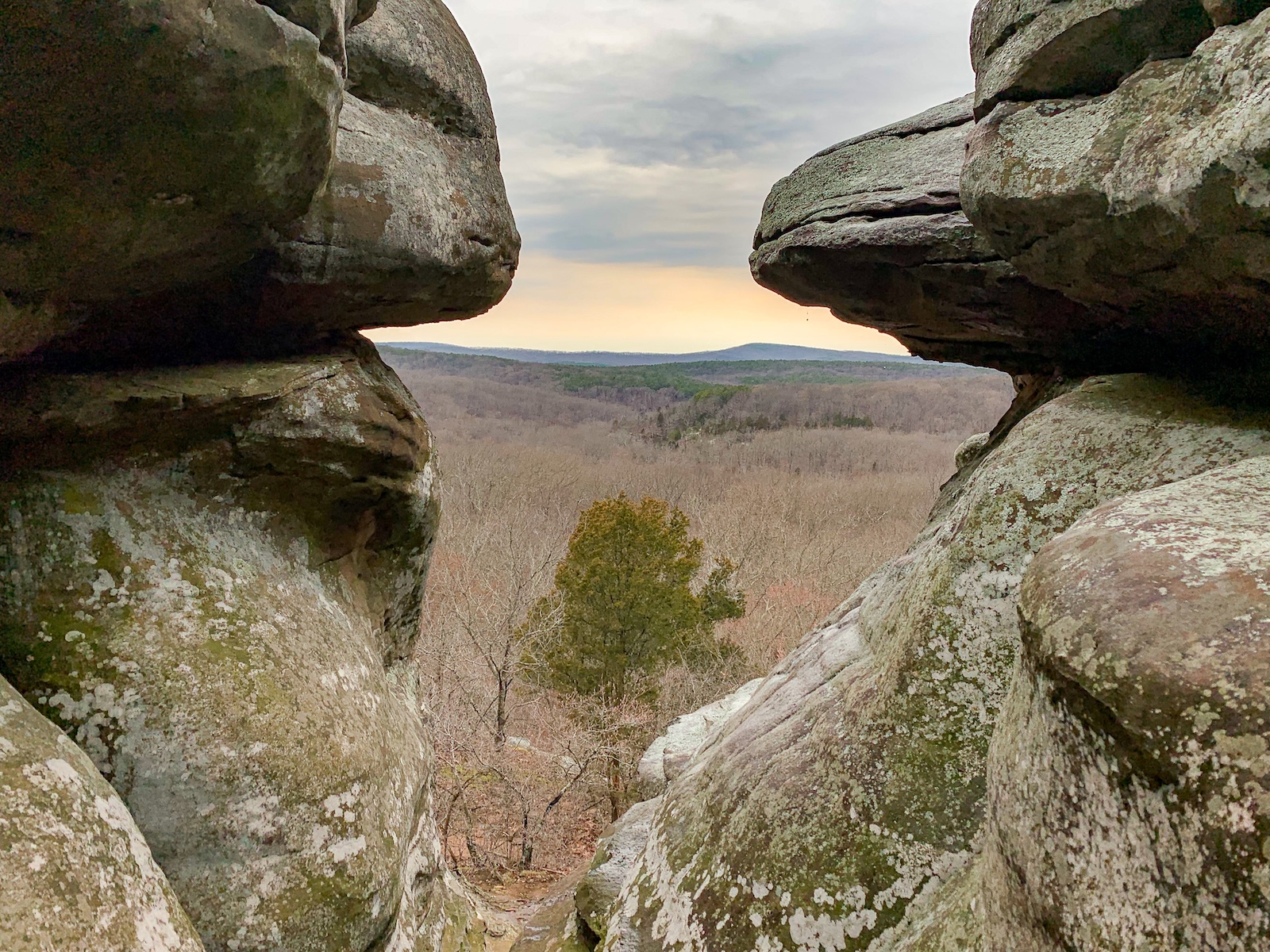
The implications of the repeal vary by region, but the common thread is the loss of rare, undisturbed habitat. In the Shawnee National Forest of southern Illinois, only about 4,000 to 10,000 acres are protected by the roadless rule. These areas are vital for the Indiana bat and the cerulean warbler, species that require deep forest interiors to survive. Activists like John Wallace, who has spent decades defending the Shawnee, argue that while the acreage seems small, its value is magnified because the surrounding landscape is so heavily fragmented by agriculture and infrastructure.
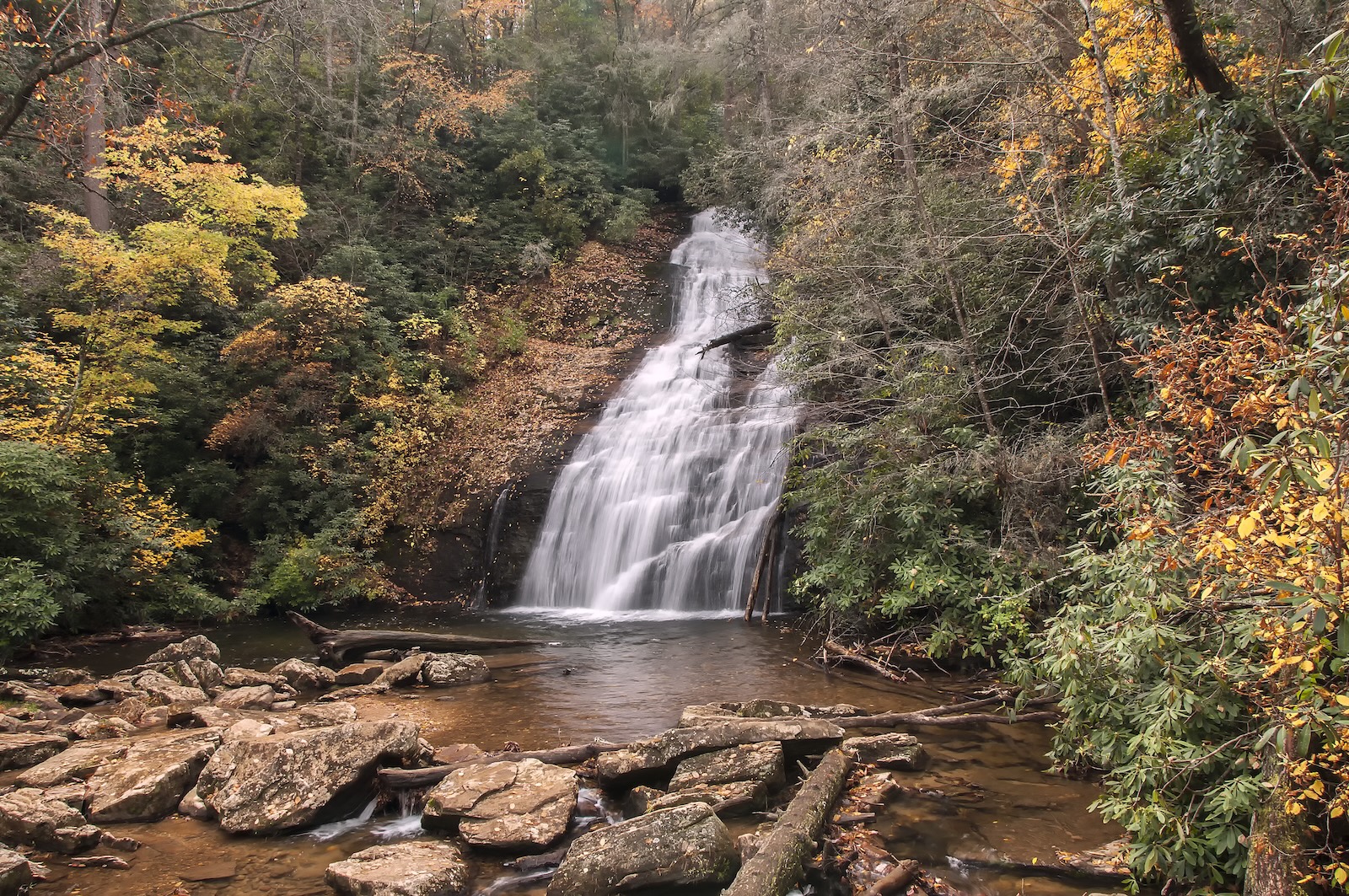
In Georgia’s Chattahoochee National Forest, the debate centers on wildfire. The Forest Service claims roads are necessary to fight fires like the 2016 Rough Ridge blaze, which scorched 28,000 acres. However, ecologists point out a paradoxical truth: roads actually increase fire risk. Data from the National Interagency Fire Center shows that human activity—often facilitated by road access—is the primary cause of wildfires in the Southeast. In 2024, humans sparked nearly 24,000 fires in the region, while lightning caused only 809. Roads bring in vehicles with hot exhaust pipes, discarded cigarettes, and arsonists, often placing the most vulnerable parts of the forest at higher risk than they would be if they remained remote.
In Vermont’s Green Mountain National Forest, the future under a repealed rule is already visible. In areas like Homer Stone, which were not protected by the 2001 rule due to technicalities in inventory timing, the Forest Service has already authorized "early successional habitat creation"—a term critics call shorthand for clearcutting. Zack Porter of the nonprofit Standing Trees notes that these logged areas, once home to century-old maples and birches, have been turned into "moonscapes." The loss of canopy cover in these mountainous regions also increases soil erosion and worsens the downstream flooding that has recently plagued Vermont communities.
Institutional Opposition and the Road Ahead
The administration’s plan faces an unusual level of opposition from within the forestry establishment itself. Four former chiefs of the U.S. Forest Service, including Vicki Christiansen, who served under both the Trump and Biden administrations, have publicly urged the government to maintain the roadless rule. They argue that the policy is a proven, cost-effective way to manage public lands while protecting the "precious lands that belong to all citizens."
As the Department of Agriculture moves toward a final decision, the battle is expected to shift to the federal court system. Environmental groups are already preparing litigation, arguing that the administration’s truncated comment period and its dismissal of climate science violate the National Environmental Policy Act (NEPA).
For the communities living on the edges of these forests, the stakes are both economic and existential. While the administration promises logging jobs, local tourism boards point to the billions of dollars generated by outdoor recreation—an industry that relies on the very "pristine" quality the roadless rule was designed to protect. As the administrative process nears its conclusion, the fate of the East’s last wild places remains one of the most contentious environmental issues on the national stage, representing a fundamental disagreement over whether the value of a forest lies in the timber it produces or the ecosystem it sustains.