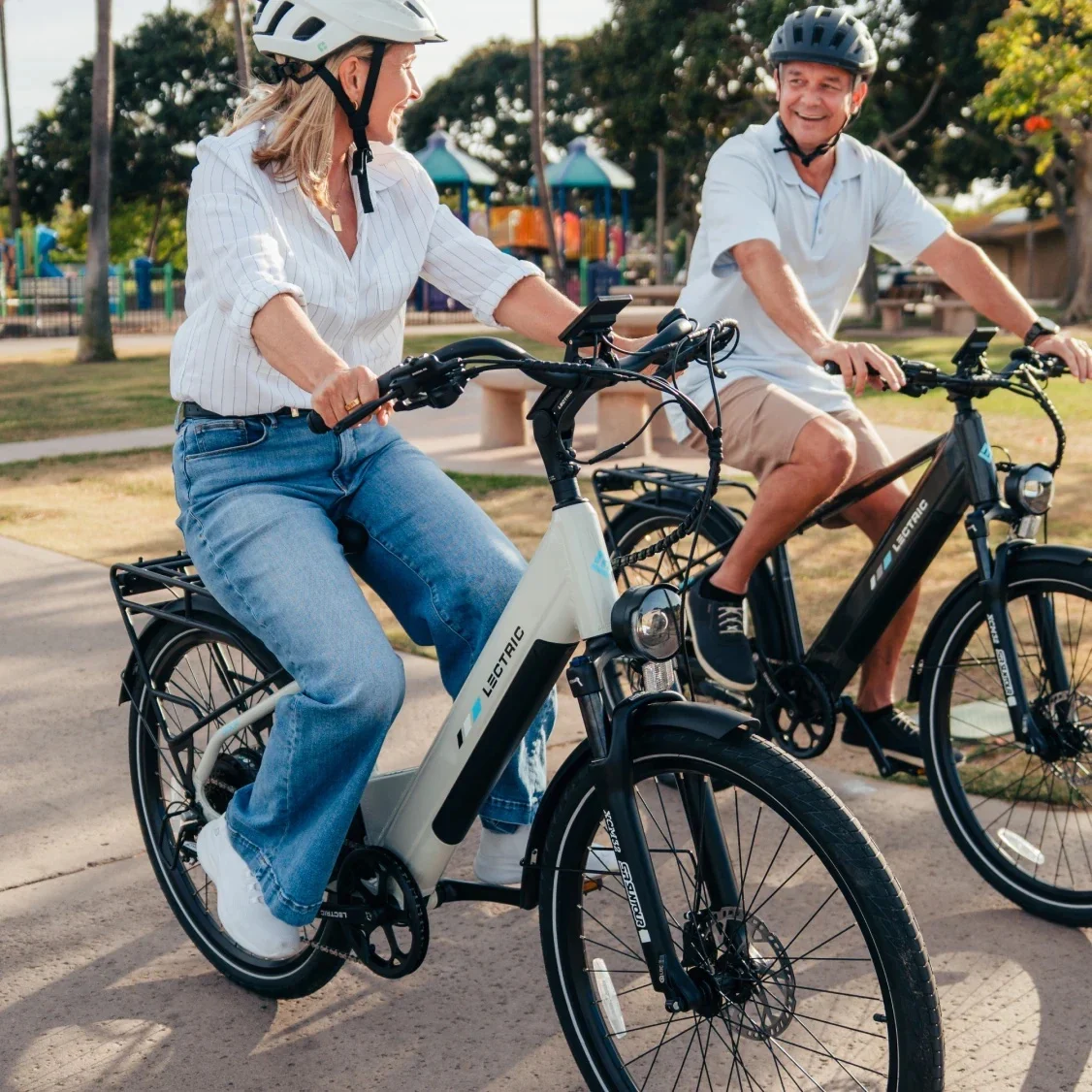
The global shift toward sustainable transportation has increasingly intersected with public health, particularly through the rise of electric bicycles, commonly known as e-bikes. As the global population ages, the challenge of maintaining physical fitness while avoiding the pitfalls of overexertion and injury has become a central focus for both medical professionals and urban planners. E-bikes, once viewed with skepticism by traditional cyclists and transportation advocates, are now being recognized as a critical tool for rehabilitation and long-term health maintenance. By providing adjustable levels of motor assistance, these vehicles allow individuals to bridge the gap between sedentary recovery and active lifestyle, offering a controlled environment for cardiovascular exercise that minimizes the risk of re-injury.
The Physiological Challenge of Aging and Exercise
For many aging adults, the pursuit of health through exercise often leads to a cyclical pattern of activity and injury. Clinical data from the Centers for Disease Control and Prevention (CDC) suggests that while regular physical activity can reduce the risk of chronic diseases, older adults are more susceptible to musculoskeletal injuries due to decreased bone density and muscle elasticity. The "overuse" phenomenon occurs when individuals, motivated by health goals or a passion for sports, push their bodies beyond their current physiological limits.
When an injury occurs, the recovery phase presents a secondary set of risks. Rehabilitation experts note that returning to high-impact sports too quickly can lead to compensatory injuries. This happens when a person subconsciously alters their movement patterns to protect an injured limb, thereby placing undue stress on other joints or muscle groups. Consequently, the transition back to full activity requires a low-impact medium that can be precisely modulated to match the individual’s recovery stage.

The Mechanics of E-Bikes in Rehabilitation
Electric bicycles serve as a unique rehabilitative tool because they provide a "safety net" for the rider. Unlike traditional bicycles, which require constant physical output to maintain momentum—especially on inclines—e-bikes utilize pedal-assist systems (PAS). These systems detect the rider’s input and provide a proportional amount of motor power.
In a rehabilitative context, this allows a rider to begin a workout with the intention of using their own muscle power, but with the option to increase motor assistance if they feel fatigue or pain. This capability addresses a major psychological barrier to exercise for those recovering from injury: the fear of being "stranded" far from home or at the bottom of a hill when their physical strength fails. By allowing for a "rest-while-moving" approach, e-bikes enable longer sessions of low-intensity cardiovascular work, which is essential for building endurance without overstressing the heart or joints.
A Comparative Analysis of Sport-Related Risks
While traditional high-impact sports such as tennis, soccer, and basketball are lauded for their cardiovascular benefits and social engagement, they carry significantly higher injury risks for older populations. These sports involve lateral movements, sudden stops, and jumping, all of which put high stress on the ACL, meniscus, and Achilles tendons.
Furthermore, the social dynamics of team sports often discourage participants from slowing down. In a group setting, players may feel a social obligation to maintain a high level of intensity to avoid "letting down" their teammates, even if they feel the onset of pain. In contrast, cycling is inherently more individualized. When equipped with an electric motor, the cyclist can maintain their pace within a group of faster riders by simply adjusting the power settings, thereby staying socially connected without compromising their physical recovery.

The Evolution of the E-Bike Market: A Chronological Perspective
The current ubiquity of e-bikes is the result of a two-decade evolution in both technology and public perception. In the early 2000s, e-bikes were often heavy, expensive, and limited by lead-acid battery technology. At that time, advocacy for clean transportation was largely focused on public transit and traditional cycling.
- 2005–2010: Early e-bike models began appearing in North American and European markets. They were largely met with skepticism by the cycling community, who viewed them as "cheating" or as niche products for the infirm.
- 2011–2016: The refinement of Lithium-ion battery technology significantly reduced the weight of e-bikes and increased their range. This period saw the birth of many modern e-bike startups, which began to challenge the pricing structures of established bicycle manufacturers.
- 2017–Present: The market experienced an unprecedented boom, accelerated by the COVID-19 pandemic and a growing awareness of climate change. Companies like Lectric eBikes emerged, focusing on affordability and folding designs, which democratized access to the technology.
Data from market research firms indicates that the global e-bike market was valued at approximately $37.47 billion in 2022 and is projected to expand at a compound annual growth rate (CAGR) of nearly 10% through 2030. A significant portion of this growth is driven by the 50-plus demographic, who cite health, mobility, and the "fun factor" as primary reasons for purchase.
Economic and Accessibility Factors
One of the most significant shifts in the industry has been the reduction in the "barrier to entry." Eighteen years ago, a high-quality electric bike was a luxury item, often costing upwards of $4,000 to $6,000. Today, the maturation of the supply chain and increased competition have brought high-quality, reliable models into the $1,000 to $2,000 range.
This affordability is crucial for the aging population, many of whom are on fixed incomes. The cost-benefit analysis of an e-bike becomes even more favorable when compared to the costs of physical therapy, gym memberships, or the maintenance of a second vehicle. As e-bikes become more accessible, they are increasingly viewed not just as recreational toys, but as essential medical and mobility devices.

Broader Implications for Public Health and Infrastructure
The integration of e-bikes into the daily routines of older adults has broader implications for public health systems. By facilitating regular exercise, e-bikes help combat obesity, Type 2 diabetes, and hypertension—conditions that place a massive financial burden on healthcare infrastructure.
From an urban planning perspective, the "e-bike revolution" is forcing cities to rethink their infrastructure. The increased average speed and the broader demographic of riders mean that traditional bike lanes must be widened and protected to ensure safety. Analysts suggest that cities that invest in "all-ages-and-abilities" cycling networks will see the greatest returns in terms of reduced traffic congestion and improved air quality.
Statements and Reactions from the Field
While official statements from medical associations vary, many kinesiologists are beginning to incorporate e-biking into recommended activity lists for post-operative patients. "The ability to control the load on the knee or hip joint while still achieving a target heart rate is a game-changer for geriatric physical therapy," notes one sports medicine analyst.
Environmental advocates also point out that the benefits are twofold. Every mile covered on an e-bike instead of a combustion-engine vehicle contributes to a reduction in carbon emissions. For the aging individual, this adds a layer of "purpose-driven" exercise, knowing that their personal health journey is also contributing to the health of the planet.

Conclusion: A Transformative Technology for Longevity
The transition from a skeptic to a proponent of e-bike technology is a journey shared by many who have experienced the physical limitations of aging. What was once dismissed as a niche product has proven to be a transformative technology that addresses the specific needs of the human body as it matures. By providing a customizable balance between human effort and mechanical assistance, e-bikes offer a sustainable path to fitness that respects the reality of injury and the necessity of recovery.
As the technology continues to advance and infrastructure catches up with demand, the e-bike will likely become a staple of healthy aging. It stands as a testament to the idea that innovation in clean technology can do more than just protect the environment; it can restore the freedom of movement to those who thought their days of active exploration were behind them. The synergy of cardiovascular health, mental well-being from outdoor exposure, and the safety of motor assistance makes the electric bike a cornerstone of modern, sustainable living.