A landmark legal challenge filed in the New Mexico District Court has brought to light allegations of a sophisticated accounting fraud scheme involving some of the oil industry’s most prominent players. The lawsuit, brought against ExxonMobil, Empire Petroleum, and their respective subsidiaries, alleges that the companies orchestrated a fraudulent transfer of aging oil and gas assets by "massively" undervaluing the costs associated with cleaning up hundreds of old wells. If the plaintiffs are successful, the case could fundamentally alter the legal and financial landscape of oil and gas asset transfers in the United States, potentially saving taxpayers hundreds of millions of dollars in environmental remediation costs.
The litigation centers on a 2021 transaction in which ExxonMobil’s subsidiary, XTO Energy, sold several hundred aging wells to Empire New Mexico, a subsidiary of Empire Petroleum. The plaintiffs, Theron Horton and Greg Rogers, contend that the two companies violated New Mexico’s Fraud Against Taxpayers Act by intentionally misrepresenting the "Asset Retirement Obligations" (AROs)—the legal and financial debt inherent in the eventual plugging and remediation of oil wells. By undervaluing these liabilities, the suit alleges, the companies effectively shifted a massive financial burden from a multi-billion-dollar corporation to a smaller, undercapitalized firm that is now at significant risk of insolvency.
The Mechanics of the Alleged Fraud
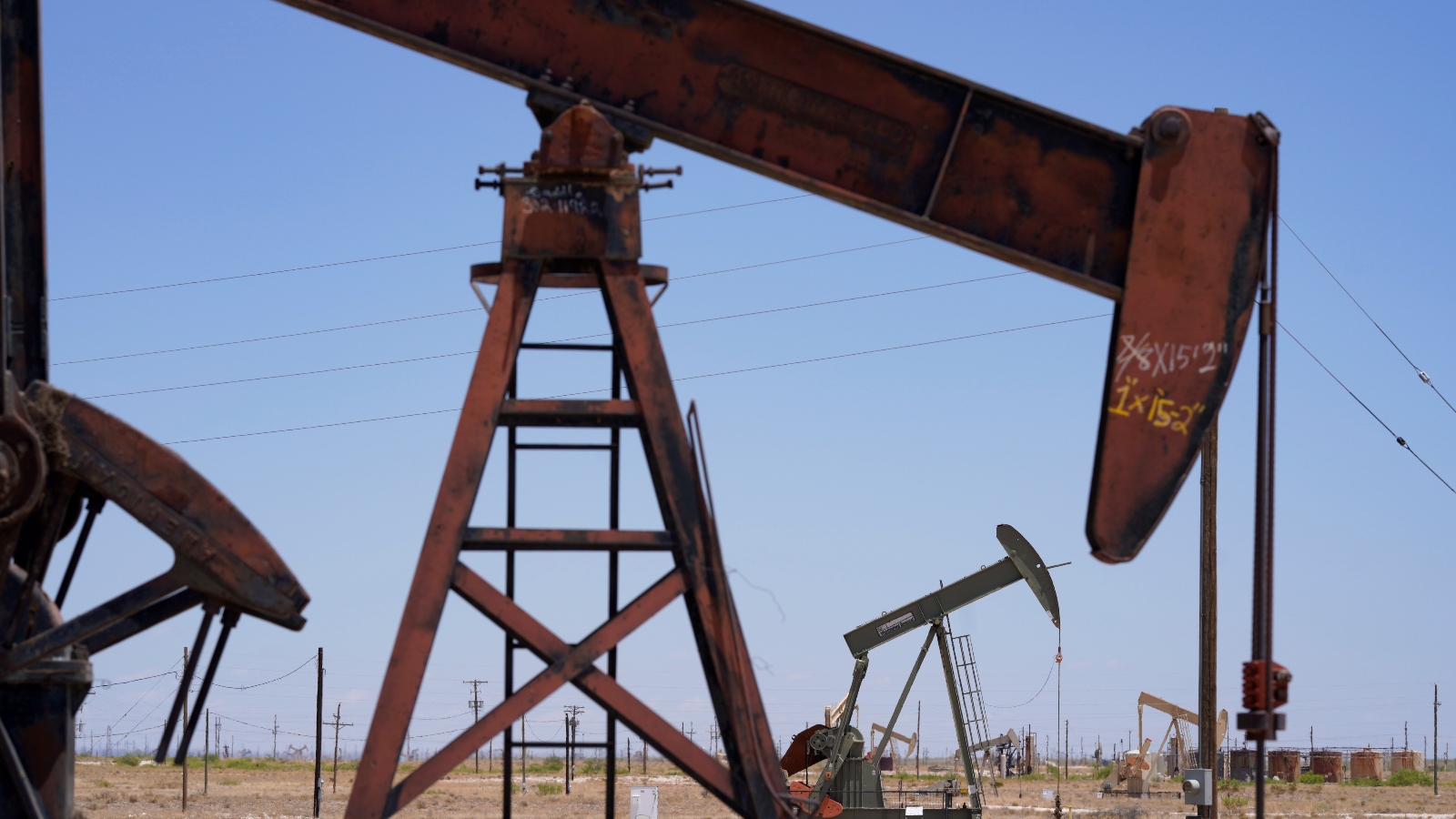
At the heart of the dispute is a stark discrepancy in accounting figures. When the sale was finalized for approximately $17.8 million, the companies reported an estimated cleanup cost of roughly $6.1 million for the 670 wells involved. This figure equates to about $9,100 per well. However, Horton, a forensic data analyst, and Rogers, a corporate environmental lawyer and former CPA, argue that this valuation is a mathematical impossibility.
According to data from the New Mexico Oil Conservation Division (OCD), the actual state-wide average for plugging and remediating a single well is approximately $214,000. Using a per-foot basis for the specific depth of the wells in the Permian Basin, along with a standard 30 percent contingency fee for unforeseen complications, the plaintiffs estimate the true liability at nearly $200 million—roughly 33 times the amount reported by the companies.
The lawsuit suggests that this undervaluation was not a simple error but a calculated "shell game." By reporting a lower liability, Empire Petroleum appeared more financially stable on its balance sheets than it actually was. The plaintiffs argue that the inclusion of the true $199 million liability would have immediately rendered Empire Petroleum insolvent, as the company lacked the cash flow and assets to cover such a debt.
A Growing Crisis: The Problem of Orphan Wells
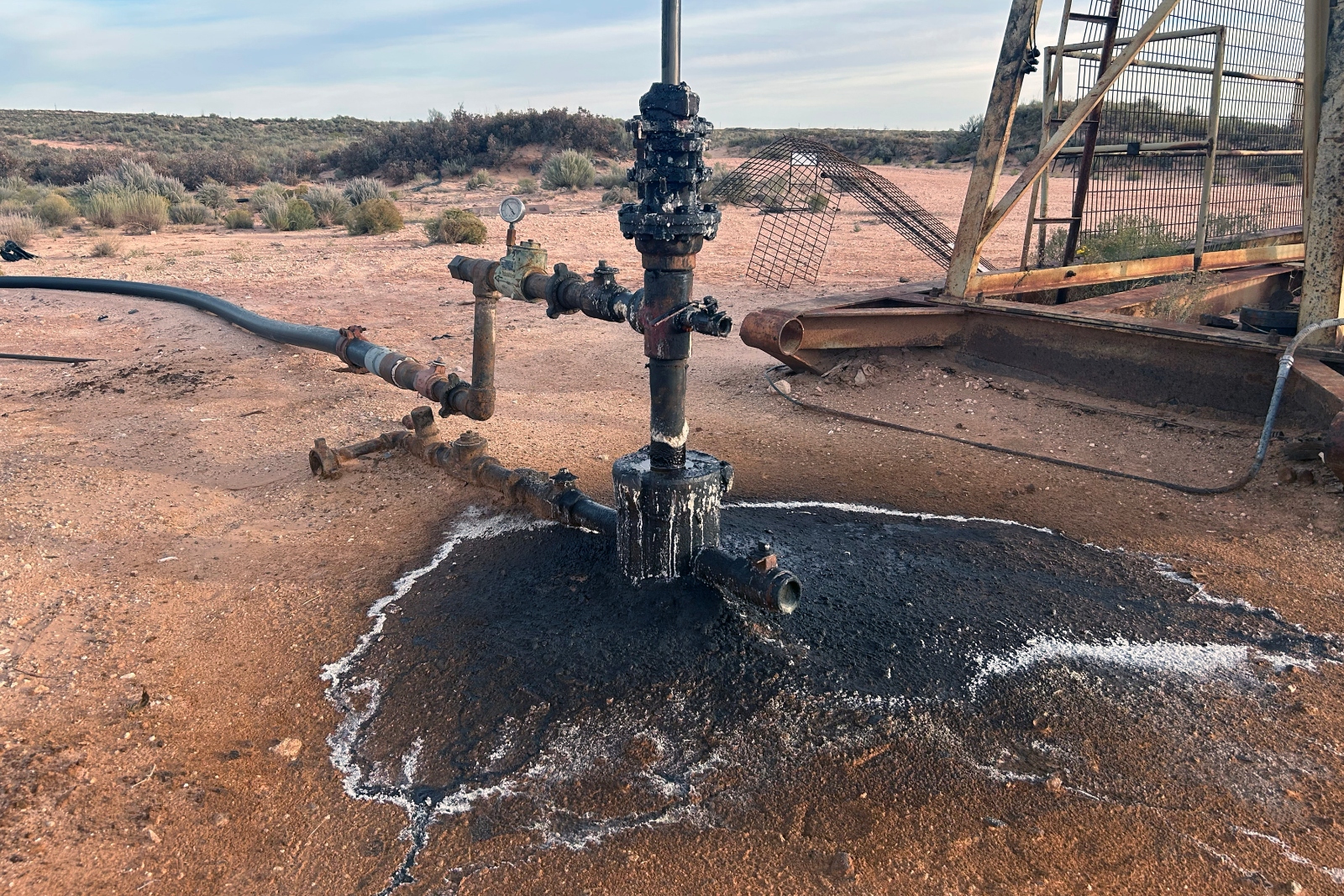
To understand the stakes of this lawsuit, one must look at the broader crisis of "orphan wells" in New Mexico and across the country. An orphan well is an oil or gas well that has been abandoned by its owner, usually following a bankruptcy or a series of asset transfers to increasingly smaller, less solvent companies. When a company fails, the responsibility for plugging the well—to prevent methane leaks and groundwater contamination—falls to the state.
New Mexico is currently the second-largest oil producer and third-largest natural gas producer in the United States. This energy boom has left a legacy of more than 50,000 active wells, many of which are nearing the end of their productive lives. The state’s Legislative Finance Committee recently reported that New Mexico is already liable for more than $200 million in cleanup costs for existing orphaned wells. Without significant changes to how assets are transferred and bonded, that liability is projected to balloon to between $700 million and $1.6 billion in the coming years.
The environmental risks are equally severe. Unplugged wells can leak natural gas (methane), crude oil, and toxic wastewater into the air and soil. In the Permian Basin town of Loving, New Mexico, air quality monitoring has revealed pollution levels higher than those found in downtown Los Angeles, a direct result of concentrated oil and gas activity and deteriorating infrastructure.
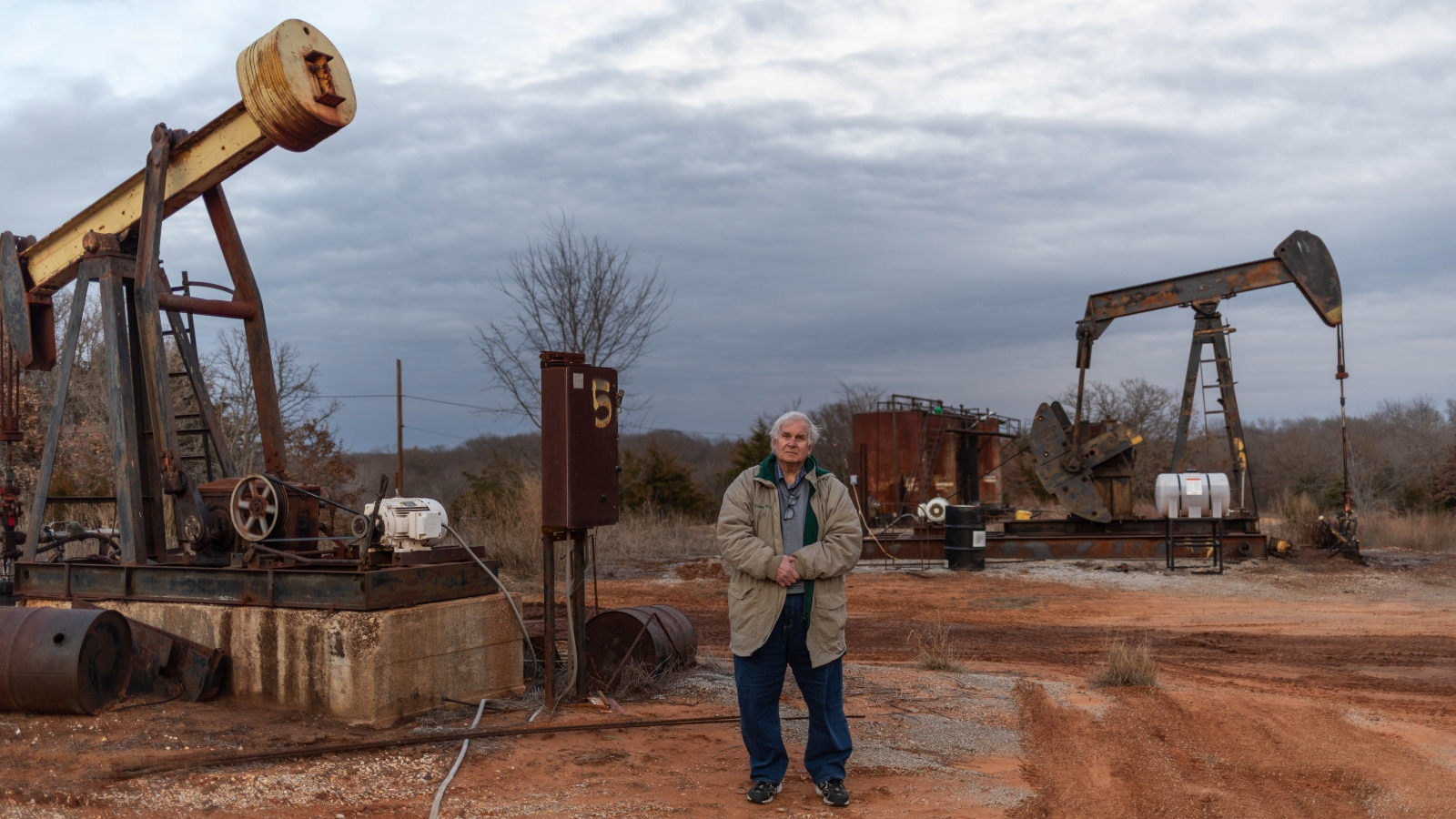
Chronology of the Case and the Qui Tam Process
The legal action was initiated in August 2023 under a "Qui Tam" provision. This legal mechanism allows private individuals to file a lawsuit on behalf of the government. Under the rules of the Fraud Against Taxpayers Act, the case was initially filed under seal to allow the New Mexico Attorney General’s office to review the evidence and decide whether the state would take over the prosecution.
After a review period lasting several months, the Attorney General’s office declined to lead the case but allowed the private plaintiffs to move forward. The lawsuit was unsealed in early 2024, bringing the allegations into the public record for the first time.
The plaintiffs bring a unique set of expertise to the case. Greg Rogers, who previously worked for the primary law firm of the energy giant Enron, has spent years studying environmental accounting fraud. Theron Horton has developed proprietary data analysis tools to track oil production levels and identify companies that are acquiring wells that "couldn’t pay for their own funeral." Their research indicates that many of the wells sold by XTO to Empire were "stripper wells"—facilities producing less than 10 barrels of oil equivalent per day. Such low production often signals that a well is no longer economically viable and should be plugged rather than sold.

Financial Health of the Defendants
The lawsuit points to Empire Petroleum’s own financial disclosures as evidence of the risk posed to taxpayers. Since the 2021 acquisition, Empire Petroleum has faced significant financial headwinds. According to SEC filings, the company recorded total net losses of $100 million over the past three years. Its stock price has plummeted by nearly 90 percent from its peak four years ago, and its long-term debt has more than tripled.
Furthermore, production data from the New Mexico Oil Conservation Division shows a declining trend for Empire New Mexico. In 2025, the company reported selling 17 percent less oil and 18 percent less natural gas than it did in 2022. Out of the 375 wells listed as "active," a significant portion reported zero production in recent months. This downward trajectory increases the likelihood that the company will eventually seek bankruptcy protection, leaving the state of New Mexico to foot the bill for the $200 million in cleanup costs that the plaintiffs say were hidden during the 2021 sale.
ExxonMobil, the parent company of XTO Energy, has declined to comment on the specifics of the litigation. Empire Petroleum has also remained silent following requests for comment.
Broader Implications and Precedent
Legal experts suggest that this case is the first of its kind to use accounting standards and taxpayer protection laws—rather than environmental regulations—to challenge oil well transfers. Gabe Pacyniak, a professor at the University of New Mexico School of Law, notes that "following the money" may be a more effective strategy for regulators than attempting to monitor the physical status of tens of thousands of individual wells.
If the court rules in favor of the plaintiffs, it could establish a precedent that forces major oil companies to remain financially responsible for the wells they sell, especially if the buyer is not adequately capitalized to handle the eventual cleanup. This would discourage the "corporate shell game" where large firms offload their environmental liabilities onto smaller entities that are designed to fail.
Regulatory and Legislative Responses
The lawsuit coincides with a period of intense debate in the New Mexico Legislature regarding oil and gas oversight. Representative Matthew McQueen has repeatedly introduced legislation aimed at preventing the abandonment of wells. His "end-of-chain" proposal would allow the state to seek remediation costs from any previous solvent owner of a well if the current owner goes bankrupt. This "prior owner liability" is already a tool used by the federal Bureau of Land Management, which recently successfully compelled four major companies to pay for the cleanup of orphaned wells in the San Juan Basin.
Additionally, the New Mexico Oil Conservation Commission is currently considering petitions to increase bonding requirements. At present, bonding levels are so low that they often cover only a fraction of a single well’s cleanup cost. For instance, Empire New Mexico’s current bonds would only cover the remediation of five wells at average costs, despite the company owning hundreds.
Ben Shelton, deputy secretary of the New Mexico Energy, Minerals, and Natural Resources Department, recently admitted to lawmakers that the current bonding system is so inadequate that it is sometimes not even worth the legal fees for the state to pursue the bonds. "The juice is not worth the squeeze," he told a legislative committee.
Conclusion: A Turning Point for the Industry?
The lawsuit against ExxonMobil and Empire Petroleum represents a critical juncture in the struggle to manage the decline of aging oil fields. By framing the issue as accounting fraud, Horton and Rogers are attempting to pierce the corporate veil that has long allowed the energy industry to externalize the costs of environmental cleanup.

As the case moves forward in the New Mexico District Court, industry analysts and environmental advocates alike will be watching closely. A victory for the plaintiffs would not only secure a potential $200 million for the state but would also send a clear signal to the global energy sector: the era of dumping "economic zombies"—wells that can no longer pay for their own decommissioning—onto the public ledger may be coming to an end. For the citizens of New Mexico, the outcome will determine whether the profits of the oil boom remain in corporate coffers while the toxic legacy of the bust is left for the taxpayers to solve.