
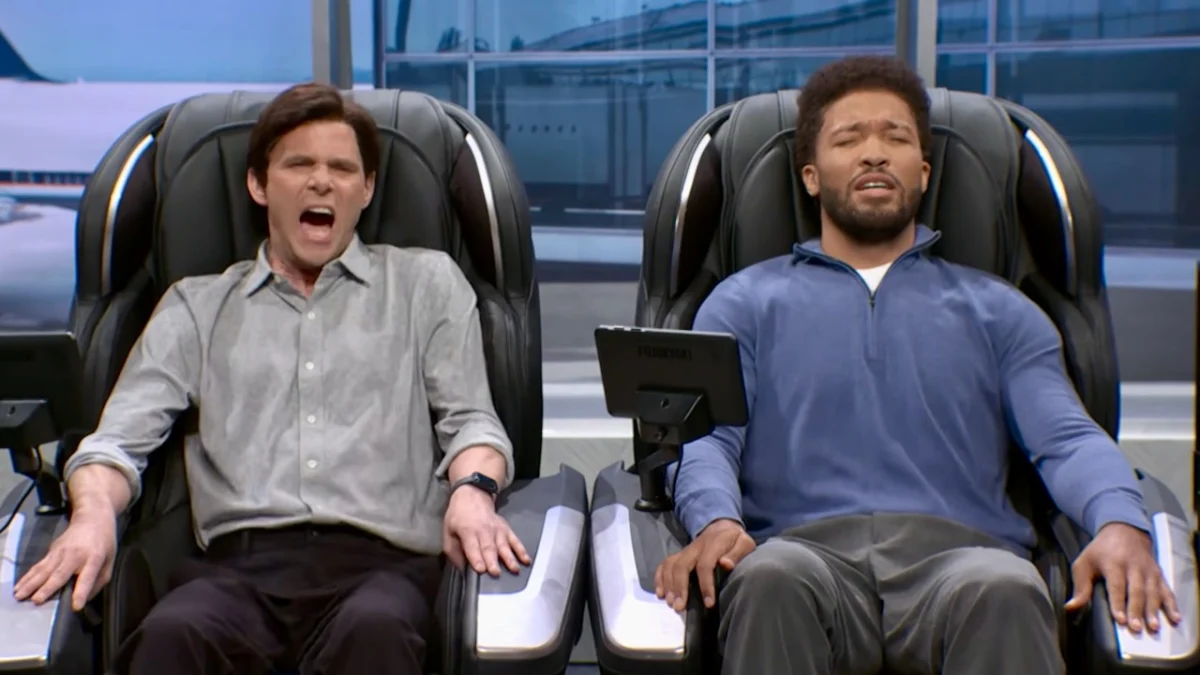
Saturday Night Live officially commenced its historic 52nd season on September 27, 2026, marking a significant milestone for the NBC staple as it continues its tenure as the preeminent late-night sketch comedy institution. The premiere episode featured New York Knicks point guard and NBA champion Jalen Brunson as host, paired with musical guest KATSEYE. While the selection of a high-profile professional athlete as a season-opening host is a strategy NBC has employed frequently to leverage crossover appeal, the performance underscored the recurring tension between mainstream celebrity appeal and the intricate demands of live sketch comedy.
The Dynamics of the Season 52 Premiere
The transition from the hardwood of Madison Square Garden to the stage of Studio 8H represents a formidable challenge for any guest host. Jalen Brunson, known for his leadership and composure under pressure, brought a sense of earnest willingness to the live broadcast. However, the production faced immediate hurdles in balancing the host’s specific skill set with a writing room that appeared to lean heavily on sports-centric tropes.
Historically, SNL premieres serve as the tone-setter for the remainder of the season. Following a Season 51 that saw fluctuating ratings and significant cast shifts, the pressure on the creative team to establish a cohesive identity was palpable. The reliance on sports-themed sketches throughout the premiere suggests an effort to cater to the host’s established fanbase, yet the execution revealed a disconnect between these sketches and the broader audience expectations for the show’s legendary satire.
Performance and Technical Critiques
The musical segments of the evening, featuring the pop ensemble KATSEYE, faced criticism regarding technical execution. Observers noted issues with the audio-visual presentation, specifically citing synchronization discrepancies often associated with heavy reliance on pre-recorded vocal tracks. In the context of live television, the expectation for authentic, raw performance remains a cornerstone of the SNL experience. When choreography and vocal delivery appear unaligned, it detracts from the professional standards expected of a program that has historically prioritized live musicianship.
Conversely, the internal cast proved to be the bedrock of the episode’s successes. Ashley Padilla demonstrated once again why she is considered a pivotal figure within the current ensemble, delivering performances that maintained comedic timing despite the uneven quality of the scripted material. Furthermore, the debut of new cast member Grace Reiter was met with critical interest, as her performance in the "Dream Academy Season Two" sketch provided a much-needed injection of fresh energy. Jeremy Culhane’s return to the Weekend Update desk, reprising his portrayal of Tucker Carlson, offered a familiar touchstone for viewers, bridging the gap between the show’s legacy of political satire and current cultural discourse.
Chronology of Selected Sketches
The episode structure followed the traditional cold open format, leading into a series of sketches that varied in thematic focus:
- Men’s Support Group: This segment focused on the cultural phenomenon of summer stadium tours, specifically the Usher/Chris Brown concert series. By highlighting the social anxieties of partners left behind, the sketch utilized a relatable, low-stakes premise to generate humor.
- High School Musical: Capitalizing on the host’s athletic background, this sketch attempted a fusion of pop-culture nostalgia and sports humor. While it allowed Brunson to occupy a central role, the narrative arc struggled to sustain momentum.
- Dream Academy Season Two: While intended to serve as a spotlight for the musical guest, the segment functioned effectively as an introduction for new cast member Grace Reiter, whose performance suggests a high potential for future narrative utility within the show.
- Airport Massage Chairs: A standout piece of physical comedy, this sketch featured Mikey Day in a performance that relied heavily on commitment to the bit. The interplay between Day and Brunson showcased the host’s ability to act as a straight man in high-energy scenarios.
The Broader Impact of Sports-Comedy Crossovers
The integration of athletes into the SNL hosting rotation is a long-standing tradition, dating back to the show’s inception. From O.J. Simpson in the 1970s to modern figures like Travis Kelce and now Jalen Brunson, the goal is twofold: capturing the demographic of sports fans and testing the versatility of elite athletes in non-traditional environments.
Data regarding the demographics of live television viewers indicates that sports fans constitute a significant portion of the viewership for major networks like NBC. However, the failure of sports-heavy sketches to land effectively suggests that the comedy writing team must find more creative ways to integrate host expertise without relying on tired tropes. When a sketch is too niche, it risks alienating the broader audience, a danger that was evident during the Season 52 premiere.
Organizational Context and Cast Stability
As Saturday Night Live enters its 52nd year, it faces a shifting media landscape. The rise of short-form content and streaming platforms has changed the way viewers consume comedy. The "water cooler" moments that once defined the show have evolved into viral clips on social media platforms like X (formerly Twitter) and TikTok. The decision to highlight Jeremy Culhane’s Weekend Update segment on social media is a strategic move by NBC to maintain relevance among younger demographics who may not watch the live broadcast in its entirety but will engage with standalone clips.
The performance of the cast—particularly the veteran presence of Padilla and the integration of new talent like Reiter—is essential for the show’s longevity. The creative leadership behind the scenes, led by Lorne Michaels, has historically navigated these periods of transition by fostering a mix of established comedic voices and new, experimental performers. The success of the premiere, while objectively mixed, provides a data point for the production team to calibrate the remainder of the season.
Implications for the Remainder of Season 52
The Season 52 premiere serves as a reminder that the success of any given SNL episode is highly dependent on the synergy between the host and the writers. When this synergy is absent, the show risks falling back on predictable patterns. However, the presence of a robust cast provides a buffer against such deficiencies.
Moving forward, the production team will likely look to diversify the types of hosts invited to the studio, moving away from sports-centric themes to explore a wider range of cultural and political satire. The feedback from the premiere—specifically the critique regarding the musical guest and the repetitive nature of the sketches—will likely inform the tone and pacing of the subsequent episodes.
For the network, the focus remains on sustaining viewership numbers during a period where linear television faces intense competition. By maintaining a high standard for the cast and encouraging writers to move beyond comfortable, niche-focused comedy, Saturday Night Live can continue to function as a vital cultural mirror. Whether Season 52 will be remembered for its experimentation or its reliance on past successes remains to be seen, but the baseline has been set. The challenge for the production team now is to build upon the small, bright spots identified in the premiere and deliver a more consistent, innovative experience for the weeks ahead.







Leave a Reply