
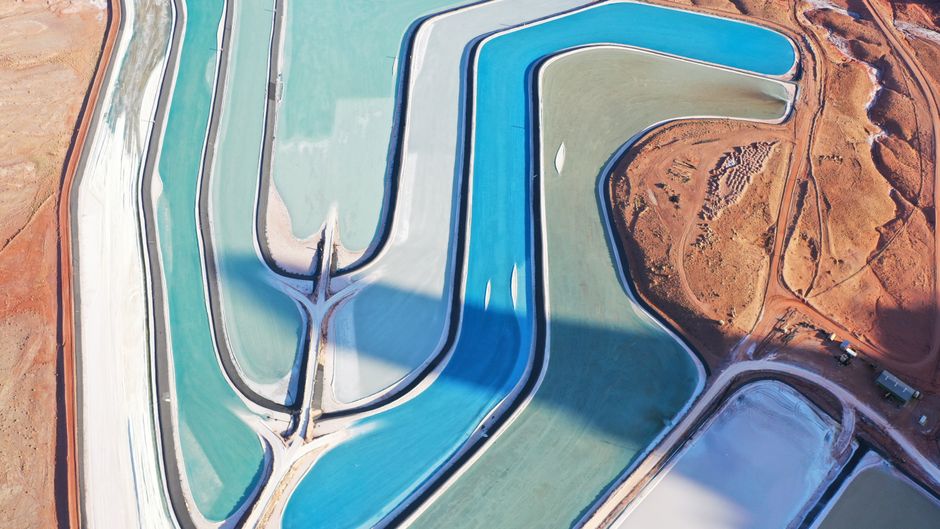
Mine Water Reclamation: A Sustainable Solution for Resource Scarcity
The escalating global demand for water, coupled with the increasing scarcity of potable sources, necessitates innovative solutions for water resource management. Mine water, a byproduct of mineral extraction, presents a vast and often overlooked reservoir of water that can be reclaimed and repurposed. This article explores the burgeoning field of mine water reclamation, its environmental benefits, technological advancements, economic viability, and the critical role startups are playing in unlocking this sustainable water source.
Mine water, also known as acid mine drainage (AMD) or metal mine drainage, refers to water that has been in contact with sulfide minerals, typically in underground or surface mines. This contact can lead to the dissolution of metals and the acidification of the water, rendering it unsuitable for direct use. Historically, mine water has been considered a pollutant, requiring extensive treatment and disposal, often at significant environmental and financial cost. However, a paradigm shift is underway. With advancements in treatment technologies and a growing understanding of the potential of these water resources, mine water is increasingly being recognized as a valuable commodity rather than a waste product. The sheer volume of water present in abandoned and active mine sites worldwide represents a significant, untapped resource that, when properly managed and treated, can contribute meaningfully to water security.
The environmental benefits of mine water reclamation are multifaceted and substantial. Firstly, it addresses the persistent problem of water pollution. Untreated mine water discharged into natural waterways can contaminate surface and groundwater, harming aquatic ecosystems, impacting drinking water supplies, and posing risks to human health. By intercepting and treating this water, reclamation projects prevent further environmental degradation. Secondly, it reduces the need to extract fresh water from already stressed surface and groundwater sources. In regions facing drought and water scarcity, reclaiming mine water can alleviate pressure on conventional water supplies, preserving them for essential domestic and agricultural use. Furthermore, the treatment processes often involve the removal of heavy metals and other contaminants, which can then be repurposed or safely disposed of, further mitigating environmental risks. This process transforms a liability into an asset, cleaning up legacy pollution while creating a new source of usable water.
Technological advancements are the driving force behind the viability of mine water reclamation. Traditional methods of treating AMD, such as lime neutralization, often produce large volumes of sludge and are energy-intensive. Modern approaches are more sophisticated and efficient. Membrane filtration technologies, including reverse osmosis (RO) and nanofiltration (NF), are highly effective at removing dissolved salts, metals, and other contaminants. Electrodialysis (ED) and electrocoagulation (EC) are also gaining traction for their ability to remove dissolved ions and suspended solids, respectively, with potentially lower energy consumption. Phytoremediation, utilizing plants to absorb and accumulate pollutants, offers a more natural and low-impact approach for certain contaminants, though it is typically a slower process and best suited for less contaminated mine water. The integration of these technologies, often in a modular and scalable fashion, allows for tailored treatment solutions to meet the specific characteristics of different mine water sources. The development of cost-effective and robust membranes, coupled with optimized energy recovery systems, is continuously improving the economic feasibility of these advanced treatment methods.
The economic case for mine water reclamation is becoming increasingly compelling. While initial investment in treatment infrastructure can be substantial, the long-term benefits often outweigh the costs. The availability of a reliable, treated water source can reduce operational expenses for mining companies by providing water for dust suppression, processing, and other operational needs, thereby reducing reliance on expensive external water sources or the need for new water infrastructure. Beyond operational savings, reclaimed mine water can be sold to municipalities, industrial users, or for agricultural purposes, creating a new revenue stream. The sale of extracted metals and minerals, such as rare earth elements that are often present in mine water, can further enhance the economic attractiveness of these projects. Moreover, the costs associated with environmental remediation and regulatory compliance for untreated mine water discharge are significant and ongoing. Reclamation projects transform these liabilities into revenue-generating opportunities, creating a positive economic loop. The circular economy principles are at the heart of many successful mine water reclamation ventures.
Startups are at the forefront of innovation in mine water reclamation, bringing agility, specialized expertise, and novel technological solutions to address this complex challenge. These companies are developing and deploying advanced treatment systems, often utilizing proprietary technologies that offer improved efficiency, reduced costs, and a smaller environmental footprint. Some startups are focusing on specific contaminants, developing targeted solutions for heavy metals or acidity. Others are developing integrated systems that can treat a wide range of pollutants, offering a comprehensive approach to mine water repurposing. Many of these startups are also exploring opportunities for resource recovery from mine water, not just treating it for its water content but also extracting valuable minerals and elements. This dual focus on water and resource recovery significantly enhances the economic viability of their projects.
The business models adopted by mine water reclamation startups are diverse and adaptable. Many operate on a build-own-operate (BOO) model, where they finance, construct, and operate the treatment facilities, selling the treated water and recovered resources to clients. Others partner with mining companies, offering their expertise and technology as a service. Some startups are focusing on developing and licensing their technologies to existing water treatment providers or mining companies. The growing emphasis on corporate social responsibility and environmental, social, and governance (ESG) principles by major corporations is creating significant market opportunities for startups offering sustainable solutions like mine water reclamation. Investment in these startups is growing as venture capital firms and impact investors recognize the immense potential for both financial returns and positive environmental impact.
Regulatory frameworks and policy support are crucial for the widespread adoption of mine water reclamation. Governments are increasingly recognizing the value of these resources and are enacting policies to encourage their development. This includes streamlined permitting processes for mine water treatment projects, financial incentives such as tax credits and grants, and the establishment of clear water quality standards for reclaimed mine water. Collaboration between government agencies, mining companies, and technology providers is essential to overcome regulatory hurdles and foster a supportive environment for innovation. Policies that prioritize the use of treated mine water for industrial and municipal purposes can further accelerate market growth. The recognition of mine water as a legitimate and valuable water source within existing water rights frameworks is also a critical step.
The challenges associated with mine water reclamation, while significant, are being systematically addressed by innovative startups. One primary challenge is the variability in the composition of mine water, which can differ significantly from site to site. This necessitates flexible and adaptable treatment solutions. Startups are responding by developing modular systems and advanced analytical tools to characterize mine water and design optimized treatment processes. Another challenge is the high capital cost associated with building and operating treatment facilities. However, as mentioned earlier, advancements in technology and innovative business models are helping to reduce these costs. Public perception and the historical association of mine water with pollution can also be a hurdle. Educating stakeholders about the safety and benefits of treated mine water is crucial. Overcoming these challenges requires a multi-pronged approach involving technological innovation, robust economic models, supportive policy environments, and strong stakeholder engagement.
The future of mine water reclamation is exceptionally promising, driven by the undeniable need for sustainable water management and the ingenuity of startups. As water scarcity intensifies and the focus on circular economy principles grows, the demand for reclaimed mine water will continue to rise. Startups are poised to play an even more significant role, developing next-generation treatment technologies, identifying new resource recovery opportunities, and forging strategic partnerships across industries. The potential for these ventures to not only address water challenges but also to create economic value and foster environmental remediation is immense. The ongoing research and development in areas like advanced oxidation processes, biological treatment methods, and enhanced material recovery will further unlock the potential of mine water. The integration of artificial intelligence and machine learning in process optimization and monitoring will also contribute to greater efficiency and cost-effectiveness.
In conclusion, mine water reclamation represents a vital component of future water security and environmental stewardship. Startups, armed with innovative technologies and forward-thinking business strategies, are transforming a historical environmental burden into a valuable resource. The successful implementation of these projects will require continued collaboration between industry, government, and research institutions, fostering an environment where mine water is recognized and utilized as a critical contributor to a sustainable water future. The potential economic and environmental returns are substantial, offering a compelling vision for addressing some of the most pressing resource challenges of our time. The journey from a problematic byproduct to a valued resource is well underway, and startups are leading the charge in making this transformation a widespread reality.





Leave a Reply