
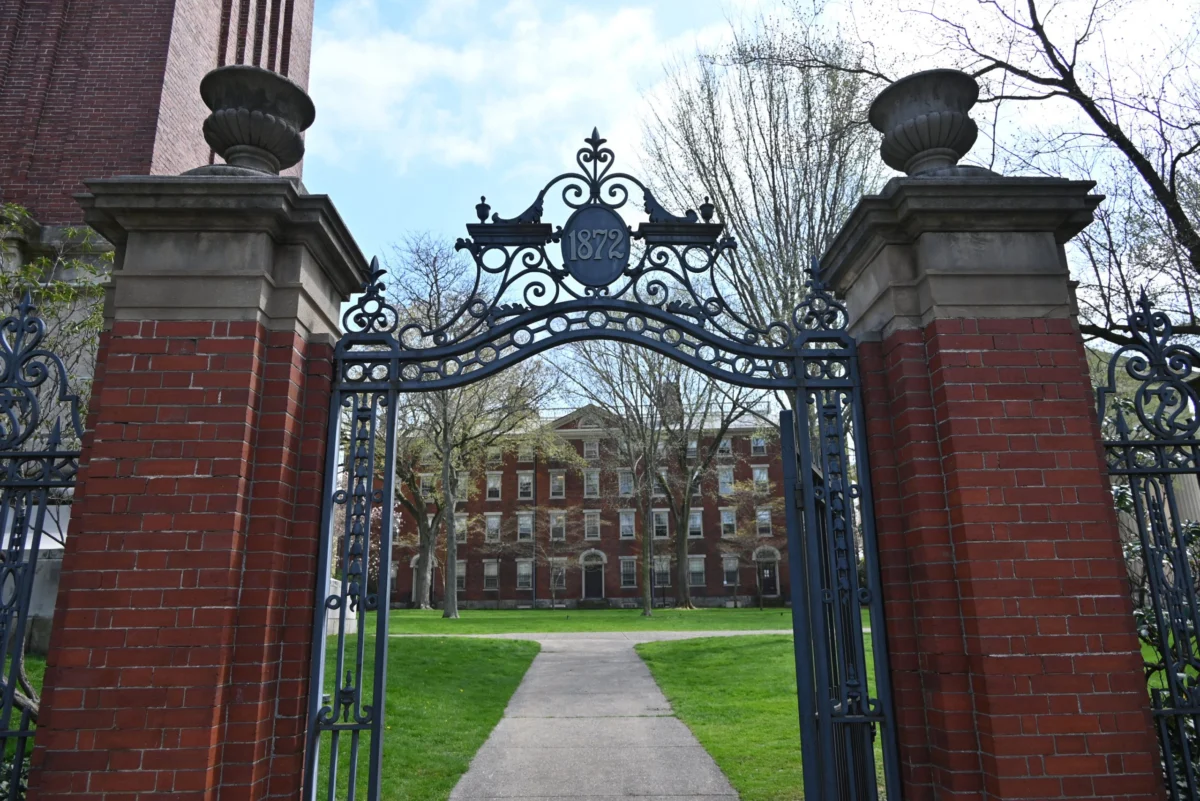
The sound of hammers striking drywall and the high-pitched whine of power saws echoing through the minimum-security prison in Cranston, Rhode Island, serves as the unlikely backdrop for a massive shift in how Ivy League institutions interact with the federal government. For Joe, a man in his 40s who spent decades as a construction laborer before a drug-related conviction led to a three-year prison sentence, these sounds represent a second chance. Alongside his youngest daughter, Joe used to spend his free time on home improvement projects; today, he is one of the primary participants in a construction pre-apprenticeship program that is being revitalized by a $50 million commitment from Brown University.
This substantial investment, spanning the next ten years, marks a significant departure from traditional university-government settlements. Rather than paying direct fines to the federal Treasury, Brown University has agreed to channel funds directly into local workforce development. The move follows a July settlement with the Trump administration that resolved three separate federal reviews into the university’s compliance with anti-discrimination laws. The agreement not only restored Brown’s access to hundreds of millions of dollars in federal research funding but also established a new precedent for how elite higher education institutions might navigate an increasingly hostile political landscape that pits traditional four-year degrees against vocational training.
The Genesis of the $50 Million Commitment
The settlement between Brown University and the federal government was the culmination of an intense period of scrutiny directed by the U.S. Department of Education, the Department of Justice, and the Department of Health and Human Services. These agencies had launched investigations into the university’s adherence to federal civil rights statutes, a move consistent with the Trump administration’s broader strategy of investigating elite universities for alleged ideological bias and discriminatory practices in admissions and campus operations.
Unlike similar settlements involving Columbia and Cornell universities, which included direct payments to the federal government, Brown’s agreement focuses on community reinvestment. Brian Clark, Brown’s vice president for news and strategic campus communications, emphasized that the university does not view this agreement as an admission of fault. Instead, the "grants-in-lieu-of-fines" approach was designed to ensure that the financial commitment reflected the priorities of both the institution and the federal government. Clark noted that the $50 million investment aligns with Brown’s long-standing service mission while simultaneously meeting federal goals for workforce readiness.
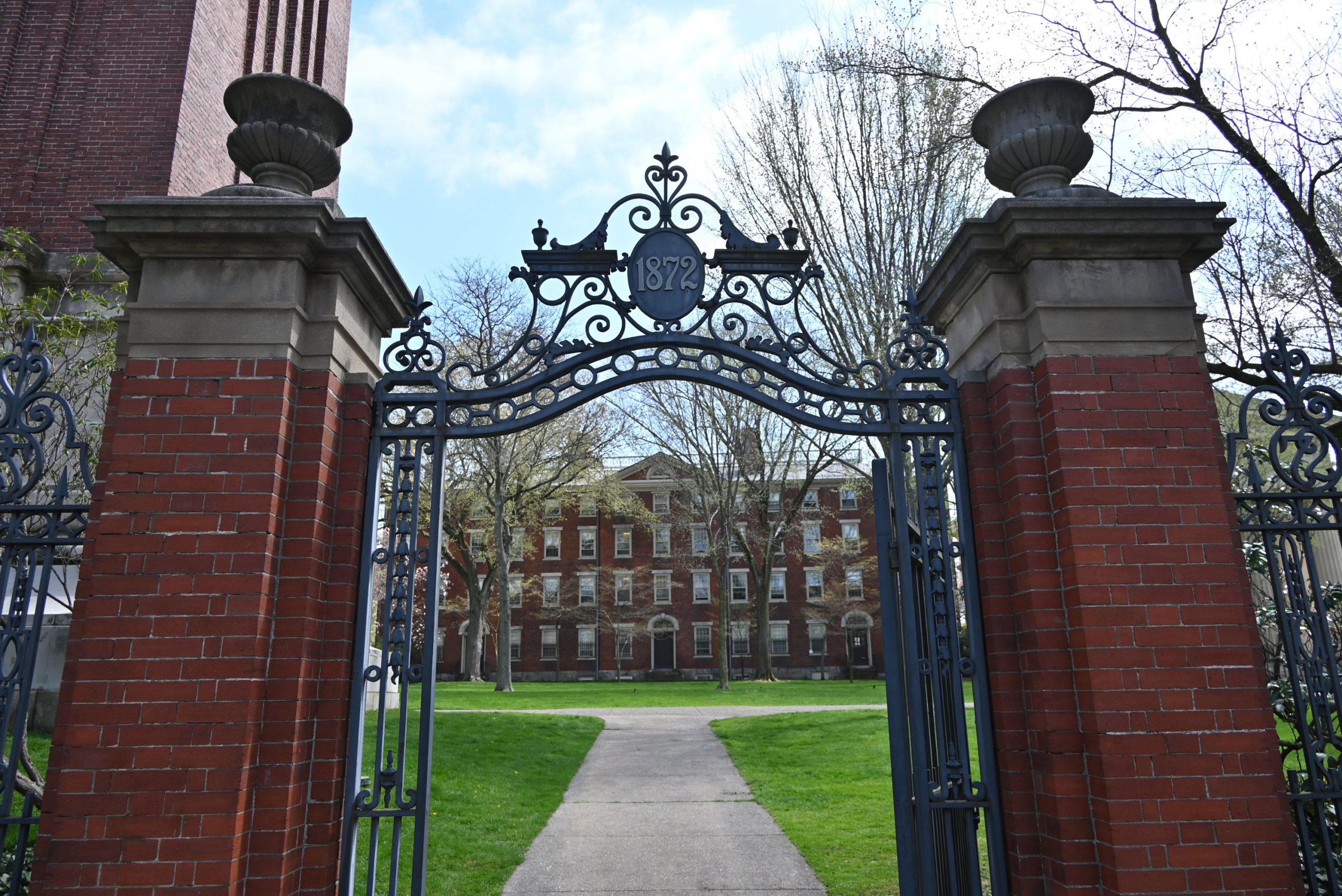
The first beneficiaries of this funding include Building Futures, a Providence-based nonprofit, and the Community College of Rhode Island (CCRI). These organizations were selected based on their proven track records in addressing systemic unemployment and labor shortages in the region. By starting with these "proven providers," as Mary Jo Callan, Brown’s vice president for community engagement, described them, the university aims to create an immediate impact on the local economy.
Rebuilding Lives through Building Futures
At the heart of the first round of funding is Building Futures, an organization founded nearly 20 years ago by Andrew Cortes. The nonprofit was established to address a dual crisis in Rhode Island: a desperate shortage of skilled labor in the construction trades and chronically high unemployment rates in Providence’s most impoverished neighborhoods.
For participants like Joe, the program offers more than just manual skills. It provides a rigorous academic refresher, particularly in mathematics. Joe admits that returning to fractions and measurements after 30 years is a challenge, often requiring him to seek help from his teenage children during phone calls home. However, the stakes are high. Completion of the 120-hour prison pre-apprenticeship allows graduates to transition into a five-week intensive program upon release, which serves as a direct pipeline into union apprenticeships.
The importance of this pipeline is underscored by the socioeconomic data of the region. According to the Prison Policy Initiative, Providence has a poverty rate of 22 percent—double the Rhode Island state average. Furthermore, while the city accounts for only 17 percent of the state’s population, it is home to 38 percent of its incarcerated residents. Lt. Brian Carvalho of the Rhode Island Department of Corrections, who oversees the program at the state’s minimum-security facility, argues that providing these individuals with a trade is a matter of public safety. When formerly incarcerated individuals cannot find work due to a lack of skills, the likelihood of recidivism increases exponentially. By teaching them to read a ruler and handle a drill, the program prepares them to become "productive members of society" upon their return to their neighborhoods.
The Politics of Vocational Education
The settlement comes at a time of heightened tension between the White House and the Ivy League. President Trump has frequently utilized his platform to criticize elite universities, characterizing them as expensive, elitist, and disconnected from the needs of the American labor market. This narrative has been a cornerstone of his administration’s educational policy, which seeks to elevate trade schools and apprenticeships as viable—and often superior—alternatives to a traditional four-year college education.

In the spring of 2025, the President issued an executive order aimed at redirecting federal resources toward programs that train workers for "high-paying, skilled trade jobs of the future." A White House fact sheet accompanying the order accused previous administrations of pushing a "college for all" agenda that resulted in an "economically unproductive postsecondary system."
However, this rhetorical support for vocational education is often at odds with the administration’s budgetary actions. While the President has praised programs like Building Futures, his budget proposals have frequently called for deep cuts to the very programs that sustain them. For example, the administration proposed a $1.4 billion cut to the Carl D. Perkins Career and Technical Education Act, which provides essential funding for vocational programs in high schools and community colleges. Furthermore, the administration previously canceled millions in federal grants, including a $40 million Department of Justice program that was instrumental in launching Building Futures’ prison initiative five years ago.
Expanding the Reach of the Community College of Rhode Island
The second major beneficiary of the Brown University settlement is the Community College of Rhode Island (CCRI). While Building Futures focuses on the construction trades, CCRI is utilizing its share of the initial $3 million grant to address a different labor crisis: the shortage of early childhood educators.
In a preschool classroom in West Warwick, teacher Poonam Katoch represents the human side of this investment. Katoch is currently completing a 24-credit certificate in early childhood education at CCRI. This certification will not only improve her pedagogical skills but also make her eligible for a wage increase—a critical factor in a field notorious for high turnover and low pay.
According to Madeline Burke, CCRI’s associate vice president for career, technical, and continuing education, the grant from Brown will allow the college to educate an additional 180 teachers over the next three years. This expansion is vital for the state’s economy; without a stable and qualified childcare workforce, parents are often unable to participate in the labor market. The program ensures that educators remain committed to the field, providing the stability necessary for both children and the broader workforce.

Analysis of Broader Implications and Future Outlook
The Brown University settlement may serve as a blueprint for other elite institutions currently under federal scrutiny. Harvard University, for instance, remains embroiled in legal battles with the administration over allegations ranging from discriminatory admissions to the failure to disclose foreign funding. While the White House has claimed that Harvard is prepared to spend $500 million on a network of trade schools, the university has yet to confirm such a deal.
The strategy of "extorting" funds from wealthy universities to fund vocational programs is seen by some critics, such as Braden Goetz of the New America think tank, as a political "sideshow." Goetz argues that these high-profile settlements distract from broader efforts to reduce federal funding for the community colleges that serve the majority of working-class Americans.
Despite these criticisms, the tangible impact on the ground in Rhode Island is undeniable. For individuals like Kevin, another participant in the prison pre-apprenticeship program, the funding represents a path away from the illegal activities that led to his incarceration. Having dropped out of college due to rising costs, Kevin sees the trade program as a realistic way to build a career. "It’s a good opportunity to learn something and not go back to selling drugs," he noted.
As Brown University begins reviewing applications for the second installment of its $50 million commitment—another $5 million in grants—the focus remains on how these funds can bridge the gap between elite academia and the industrial needs of the state. The success of this 10-year initiative will likely be measured by more than just the number of certificates issued; it will be judged by the long-term economic stability of Providence’s neighborhoods and the ability of formerly incarcerated individuals to find a permanent place in the workforce.
The ongoing tension between the federal government’s rhetoric and its fiscal policy suggests that the future of workforce development in America will continue to be a site of significant political and social struggle. For now, in the workshops of Cranston and the classrooms of West Warwick, the investment from one of the nation’s oldest universities is providing the tools for a new generation of workers to rebuild their lives and their communities.









Leave a Reply