
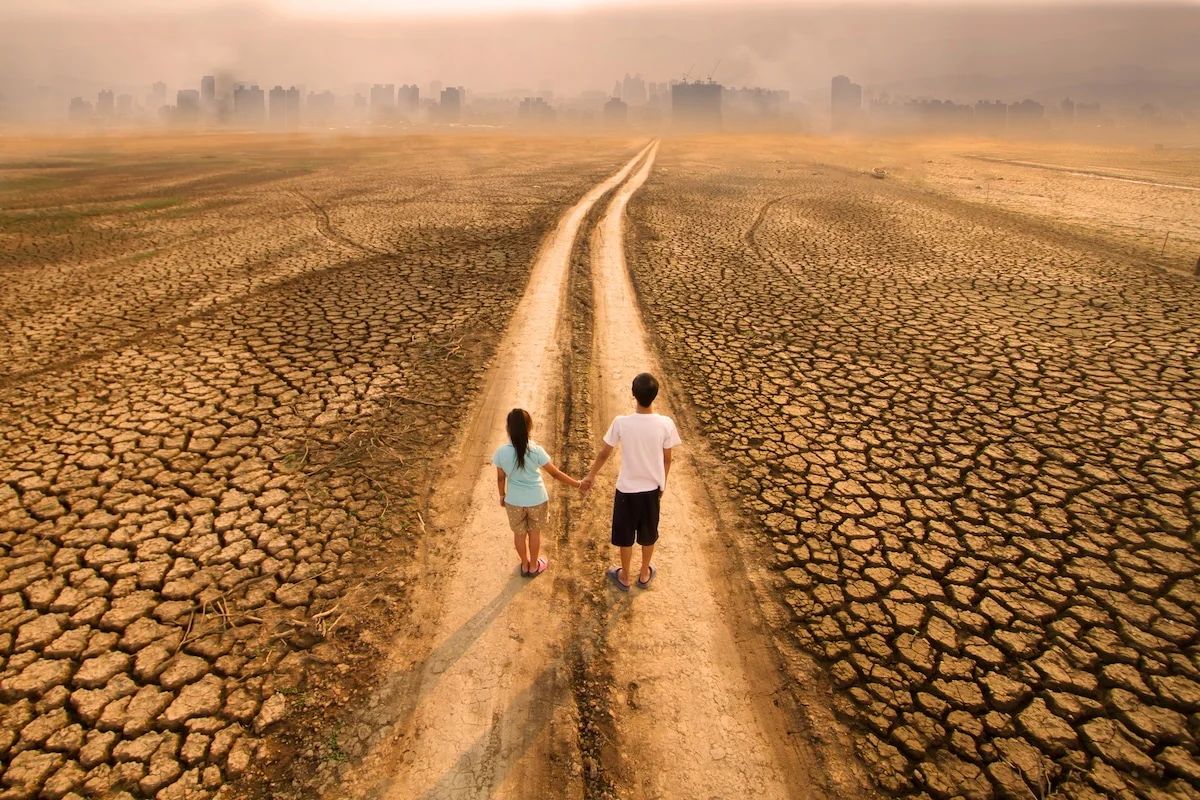
In what legal scholars are calling a monumental turning point for international jurisprudence and environmental advocacy, the International Court of Justice (ICJ) issued a historic advisory opinion on Wednesday declaring that access to a "clean, healthy and sustainable environment" constitutes an enforceable human right under international law. The ruling, delivered at the Peace Palace in The Hague, directly ties the obligations of United Nations member states to combat the escalating climate crisis to their pre-existing legal commitments under foundational human rights treaties.
The decision establishes that governments fail to address greenhouse gas emissions at their own legal peril, opening the door for increased accountability, heightened scrutiny, and potential legal repercussions for nations whose policies exacerbate environmental degradation. By bridging the gap between international environmental agreements and human rights mandates, the ICJ has redefined the legal landscape of global climate action.
Main Facts of the Ruling and Legal Obligations
The advisory opinion centers on the premise that a degraded environment directly impedes the enjoyment of universally recognized human rights, such as the right to life, health, and an adequate standard of living. Reading the opinion before a packed courtroom, ICJ President Yuji Iwasawa emphasized that the consequences of climate change are profoundly severe, threatening natural ecosystems and human populations alike on an existential scale.
According to the court, UN member states bear a strict legal obligation to safeguard the Earth’s climate system from excessive greenhouse gas emissions. Crucially, nations must exercise "due diligence and cooperation" in fulfilling this mandate. The court clarified that breaching these international obligations carries distinct legal responsibilities. Depending on the specific circumstances of the violation, a negligent state may be compelled to immediately halt wrongful conduct, provide full financial and ecological reparations to affected parties, and offer binding guarantees of non-repetition.
To construct its legal framework, the ICJ drew heavily from a vast web of international treaties, including the landmark Paris Agreement, the Kyoto Protocol, the Convention on Biological Diversity, and the Universal Declaration of Human Rights. The court reasoned that because a sustainable environment serves as a fundamental prerequisite for upholding human rights treaties, states are legally obligated to proactively mitigate climate change to protect their citizens.
A Grassroots Victory: The Chronology of Vanuatu’s Legal Push
The path to this historic ruling began years prior, born out of the profound vulnerability of Pacific Island nations facing the immediate existential threat of rising sea levels. In 2021, the small Pacific island nation of Vanuatu announced its intention to seek an advisory opinion from the ICJ, a bold diplomatic initiative originally inspired and championed by a grassroots collective of young activists known as Pacific Island Students Fighting Climate Change.
Recognizing that small island developing states contribute minimally to global emissions yet bear the brunt of climate-induced disasters, Vanuatu’s government launched an intensive diplomatic campaign. They successfully lobbied UN member states across the globe to rally behind the initiative, culminating in the adoption of a formal resolution by the UN General Assembly.
The General Assembly formally requested the ICJ to address two precise questions: first, what are the legal obligations of states under international law to protect the environment from anthropogenic emissions, and second, what are the precise legal consequences when states cause significant environmental harm through their actions or omissions?
This reference initiated the largest case in the history of the ICJ. The judicial proceedings shattered previous records for international legal engagement, drawing participation from 97 member states during oral hearings and generating 91 comprehensive written statements. The two-week oral hearings held in December at The Hague highlighted deep global divisions, with climate-vulnerable nations arguing for strict legal liability against major emitters, while historically high-emitting industrialized nations countered that their legal obligations should be strictly confined to the targets outlined in the Paris Agreement.

Supporting Data and the Weight of Advisory Opinions
While advisory opinions issued by the ICJ are technically non-binding on member states, legal experts universally emphasize that they carry immense moral, political, and persuasive legal authority. These opinions serve to authoritatively interpret international law, define the scope of state obligations, and shape how domestic and international courts handle future climate litigation.
The implications of the ruling are expected to ripple through courts worldwide. Plaintiffs seeking to compel government action or sue states for climate-related negligence now possess a formidable legal anchor. The ICJ’s explicit linkage of environmental protection to human rights standards provides a unifying baseline that circumvents the fragmentation often found in international trade, human rights, and environmental law.
Official Responses and Global Reactions
The delivery of the opinion prompted swift, polarized reactions from governments, intergovernmental bodies, and non-governmental organizations around the world.
Jotham Napat, the Prime Minister of Vanuatu, lauded the decision as a historic victory for climate justice and a vindication for vulnerable nations. "This process has elevated the voices of climate-vulnerable nations, driven global awareness, and set the stage for stronger climate action," Napat stated following the ruling. "This ruling will give us a foundation to build upon, and this moment will inspire continued efforts for stronger action and accountability, inspiring bold efforts to protect our planet."
Conversely, major industrial nations and top greenhouse gas emitters have expressed caution, closely evaluating how the court’s interpretation of "due diligence" might intersect with domestic energy policies and existing international trade agreements. Throughout the proceedings, these nations argued that expanding legal liability beyond established treaty frameworks could destabilize international cooperation.
Human rights and environmental advocacy groups praised the court for bridging a critical gap in global governance. Organizations like Oxfam and Amnesty International released statements highlighting that the ruling empowers marginalized communities—particularly Indigenous populations and youth—to demand decisive climate policies from their governments under the banner of fundamental human rights.
Broader Impact and Implications for Future Climate Litigation
The ICJ’s advisory opinion arrives at a critical juncture in the global fight against climate change, as extreme weather events escalate in frequency and severity. By explicitly framing climate inaction as a violation of human rights, the court has transformed the discourse from one of political choice to one of legal mandate.
Legal analysts predict a surge in climate-related lawsuits filed in domestic and regional courts, where citizens and civil society groups can now cite the ICJ opinion to challenge fossil fuel subsidies, inadequate emission reduction targets, and government approvals of high-polluting projects. Furthermore, the ruling could influence future international climate negotiations, such as the Conference of the Parties (COP) summits, by providing a sharper legal definition of state responsibility and climate reparations.
As the international community digests the full scope of the decision, the UN top court has effectively redrawn the boundaries of state responsibility. Governments can no longer treat climate mitigation as a discretionary policy goal; it is now formally recognized as an indispensable duty owed to both present and future generations.









Leave a Reply