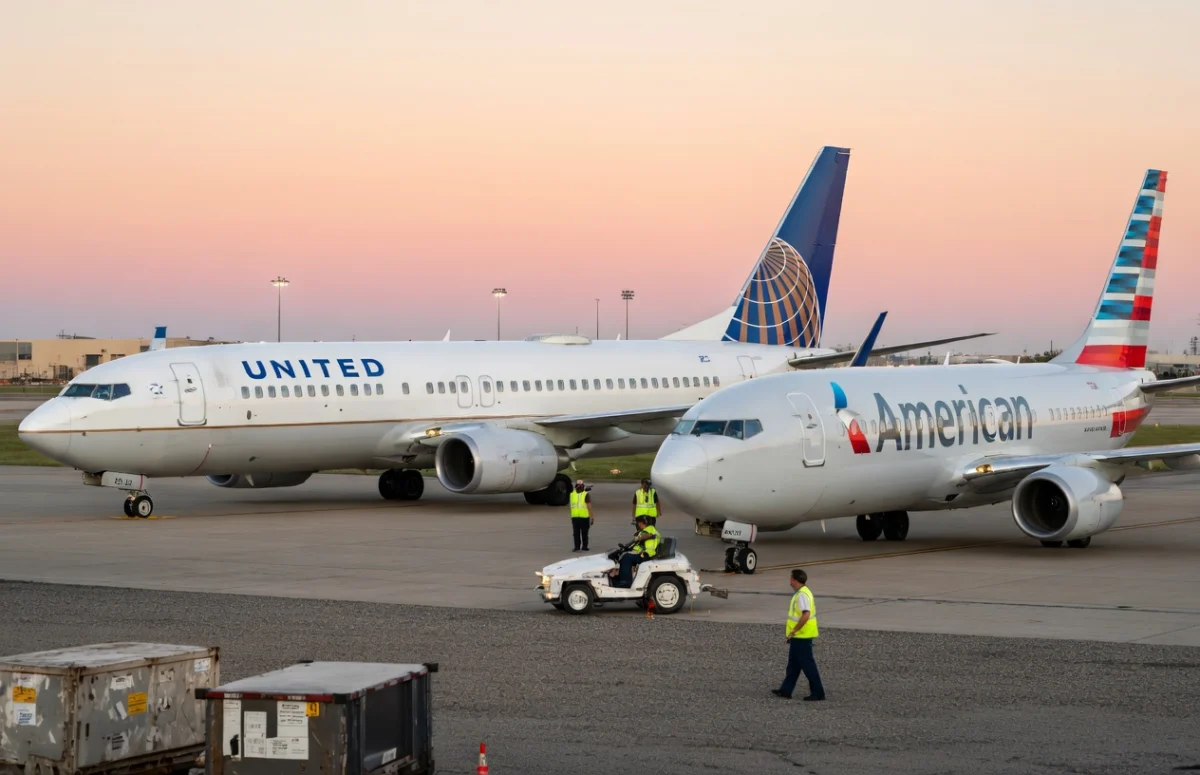
United Airlines CEO Scott Kirby has publicly articulated a transformative, if controversial, vision for the future of the American aviation landscape, centering on the necessity of scale, infrastructure control, and the aggressive pursuit of market dominance. In a recent appearance on The CEO Signal, Kirby confirmed that he would establish a major hub in Miami if the company could secure the necessary 40 to 50 airport gates. Furthermore, he addressed the complexities of United’s return to New York’s John F. Kennedy International Airport (JFK), signaling that the airline’s upcoming re-entry—scheduled for next year—remains insufficient to meet his long-term strategic objectives for the New York market.
The comments have reignited industry speculation regarding a potential pursuit of American Airlines. While Kirby acknowledged that no such merger is currently in active negotiations due to a lack of a "willing partner," his defense of consolidation challenges standard antitrust narratives. By asserting that legacy carriers like United, American, and Delta do not compete primarily on price but rather on "quality and value," Kirby is attempting to redefine the regulatory framework under which modern airline mergers are judged.
The Strategic Necessity of the Miami Gateway
For United Airlines, the absence of a robust South American gateway represents a significant gap in its global network. While United maintains a strong presence across the Atlantic and Pacific, its connectivity to the Southern Hemisphere remains constrained. Kirby identifies Miami International Airport as the singular solution to this geographic deficiency.
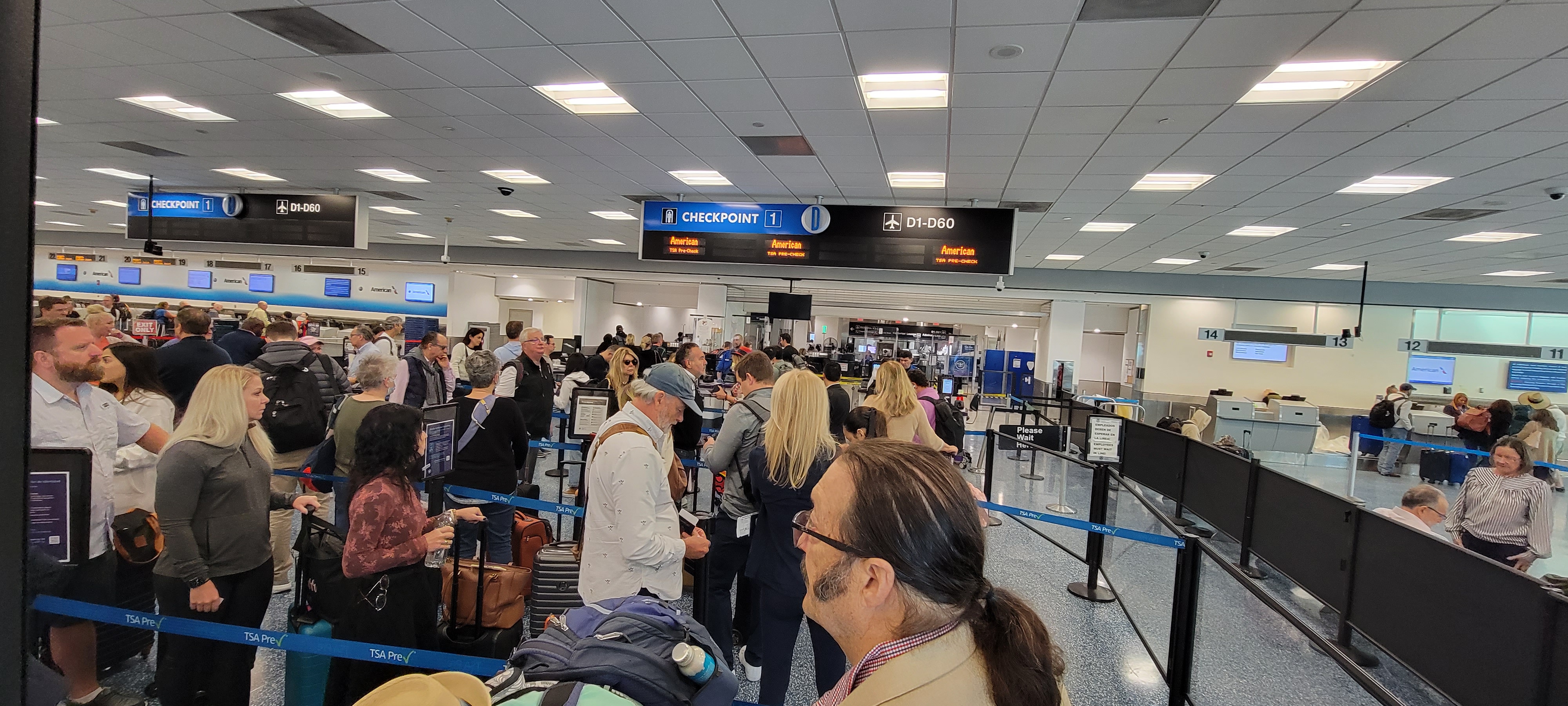
Miami serves as the primary nexus for travel between the United States and Latin America. American Airlines currently holds a dominant position in the region, bolstered by over 50 gates and an established network of routes that effectively captures both high-yield business travelers and the "visiting friends and relatives" (VFR) market. For United, constructing a similar footprint from scratch is effectively impossible given current gate constraints and airport congestion.
This is not the first time United has eyed the Florida market. Over the past decade, rumors of a potential Florida-based hub have circulated, reflecting a desire to shift some of the burden currently placed on the Houston hub. While Houston has historically been marketed as a powerhouse for Central and South American connections, Kirby’s interest in Miami suggests a belief that Houston is no longer sufficient to secure the airline’s competitive future in the Americas.
A Chronology of the JFK Withdrawal and Re-entry
Kirby’s current frustration with his limited access to JFK is rooted in historical decisions he played a role in orchestrating. During his tenure as President of American Airlines, Kirby was instrumental in pushing United to exit the JFK market. He now characterizes that withdrawal as a significant strategic error, admitting, "I feel like I was partly responsible. That was one of my goals when I was the president of American Airlines, was to get United pushed out of JFK. Sadly, I succeeded, and now I’m paying the price."
United’s exit from JFK in 2015 was intended to consolidate its New York-area operations at Newark Liberty International. However, the move proved detrimental to United’s corporate sales strategy. Major accounts, such as Disney and Time Warner, required seamless access to both the New York metropolitan area and transcontinental hubs. By ceding JFK, United lost its ability to compete for high-value contracts that necessitated service into the premier New York gateway.
In 2027, United plans to return to JFK through a slot-swap agreement with JetBlue, providing for seven daily round-trip flights. While this marks a symbolic return, it falls far short of the scale required to compete effectively with Delta and American. Kirby’s insistence that this return is "not in as big a way as I would like" underscores his belief that United’s competitive standing in major coastal cities is fundamentally tied to slot ownership and terminal footprint.
The Economics of Consolidation and the "Quality" Argument
Kirby’s defense of potential industry consolidation rests on a departure from traditional economic theory. He argues that the major U.S. carriers are no longer price leaders. Instead, he posits that low-cost carriers (LCCs) and ultra-low-cost carriers (ULCCs) like Southwest, Spirit, and Frontier dictate price points, while the "Big Three" compete on service, lounge access, reliability, and global reach.
This argument is designed to bypass the traditional antitrust concerns that focus on fare increases resulting from reduced competition. However, legal experts note that antitrust scrutiny—under both the 2010 Department of Justice merger guidelines and current administration policies—extends well beyond pricing. Regulators frequently examine "differentiated products," assessing whether a merger would diminish the incentive for carriers to invest in service improvements or infrastructure innovation.
Kirby’s logic suggests that if United were to acquire a competitor, the resulting scale would allow for a superior product that would benefit the consumer. He frames this as an effort to build a "U.S. flag carrier" that can compete with state-subsidized, high-service-standard airlines from the Middle East and Asia.
The Problem of Global Ownership Restrictions
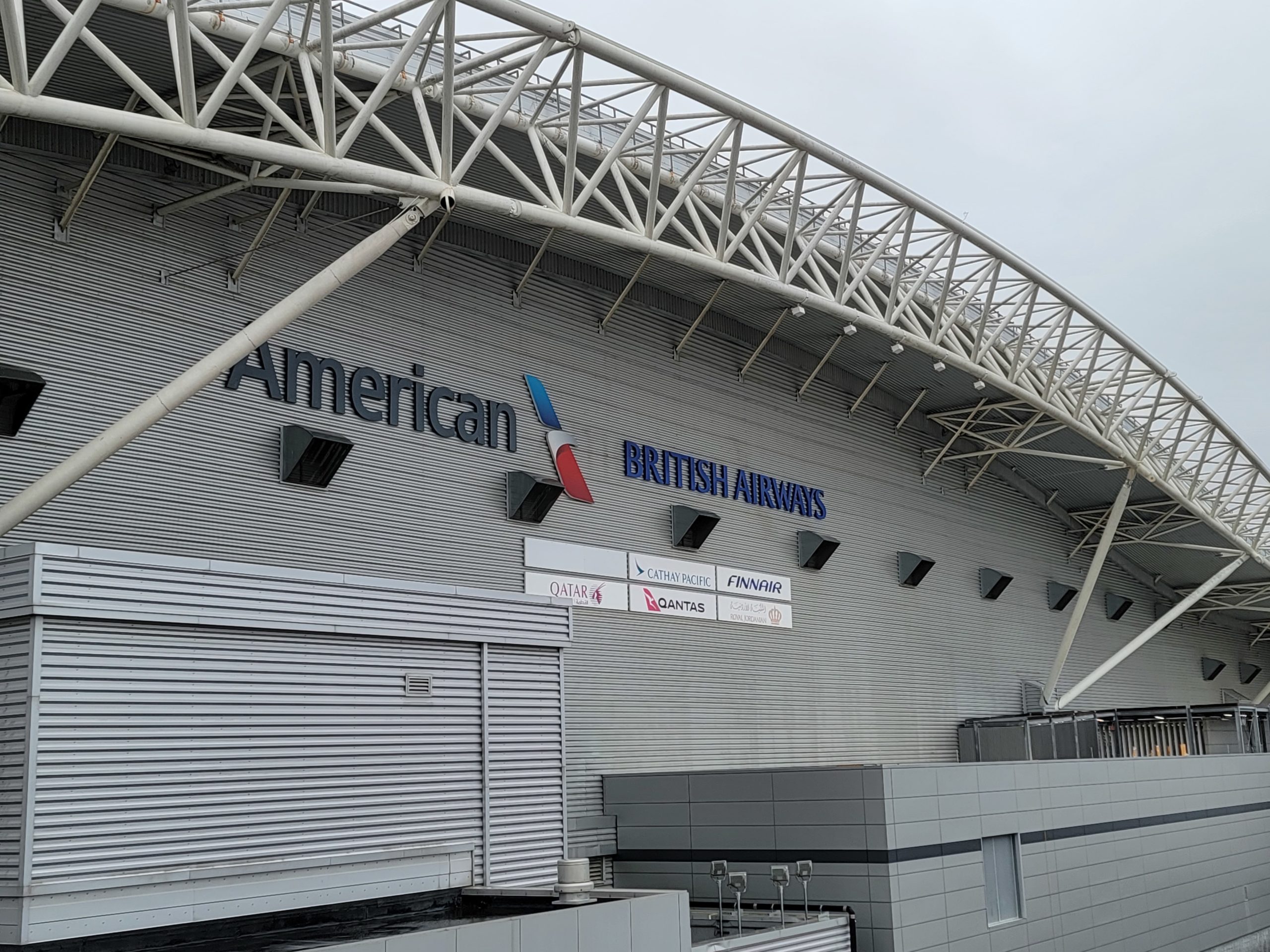
Beyond domestic consolidation, Kirby firmly rejected the prospect of acquiring equity stakes in foreign carriers. His stance is rooted in a pragmatic, if cynical, view of international aviation economics. "Most international airlines don’t care about economics," Kirby stated. "They’re semi-government-owned entities. They care about flying the flag."
Historically, U.S. carriers have struggled to extract value from minority stakes in foreign airlines, often due to regulatory interference and conflicting corporate mandates. Kirby’s requirement for "100% control" effectively rules out the types of cross-border investments common among European airline groups like IAG or Lufthansa Group. Instead, United will continue to rely on its existing joint ventures and the Star Alliance network to extend its reach. While these partnerships provide some of the benefits of a merger—such as code-sharing and coordinated pricing—they stop short of full operational integration.
Infrastructure and the Future of Airport Access
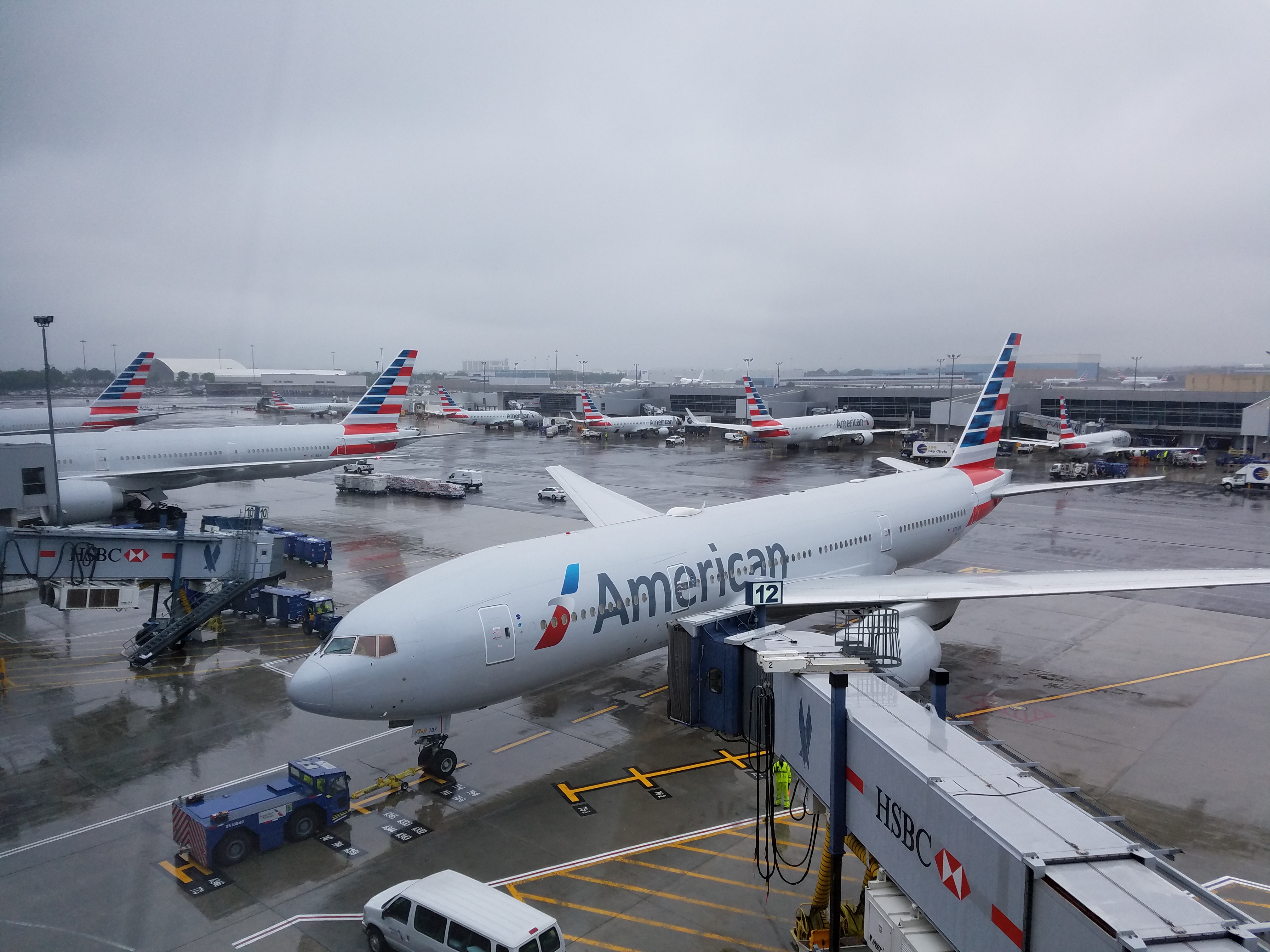
A recurring theme in Kirby’s strategy is the systemic bottleneck created by airport gate and slot allocation. In hubs like JFK, LaGuardia, and Washington National, the federal government’s practice of granting slots in perpetuity has created a barrier to entry that prevents smaller, more innovative airlines from gaining a foothold.
Kirby has advocated for market-based solutions, such as congestion pricing, which would theoretically allow for a more efficient allocation of take-off and landing rights. However, his calls for such reforms are complicated by his own desire for more space at these constrained airports. Critics argue that a policy of "consolidation for efficiency" may only serve to further entrench the dominance of legacy carriers, leaving little room for new entrants to challenge the market equilibrium.
Implications for the Aviation Industry
As United continues to pursue growth in major urban centers, the tension between infrastructure scarcity and the desire for market share will define the next decade of airline management. Kirby’s public acknowledgement of his interest in a massive, industry-reshaping merger—even as he admits its current impossibility—serves a dual purpose. It signals to investors that United is playing a long-term game of capacity acquisition, while simultaneously positioning the airline as the standard-bearer for a revitalized, competitive, and "patriotic" American aviation industry.
For the traveler, the implications are mixed. Increased scale and consolidated operations can lead to more consistent service and broader network coverage. Conversely, the reduction of independent competitors in major hubs typically creates less pressure for cost-cutting and potentially higher barriers for new, lower-cost entrants to disrupt the status quo. With no immediate merger on the horizon, United’s path forward remains one of organic growth, strategic partnerships, and a relentless, if uphill, battle for the limited concrete that dictates the winners and losers of the U.S. skies.