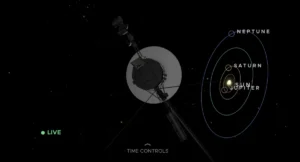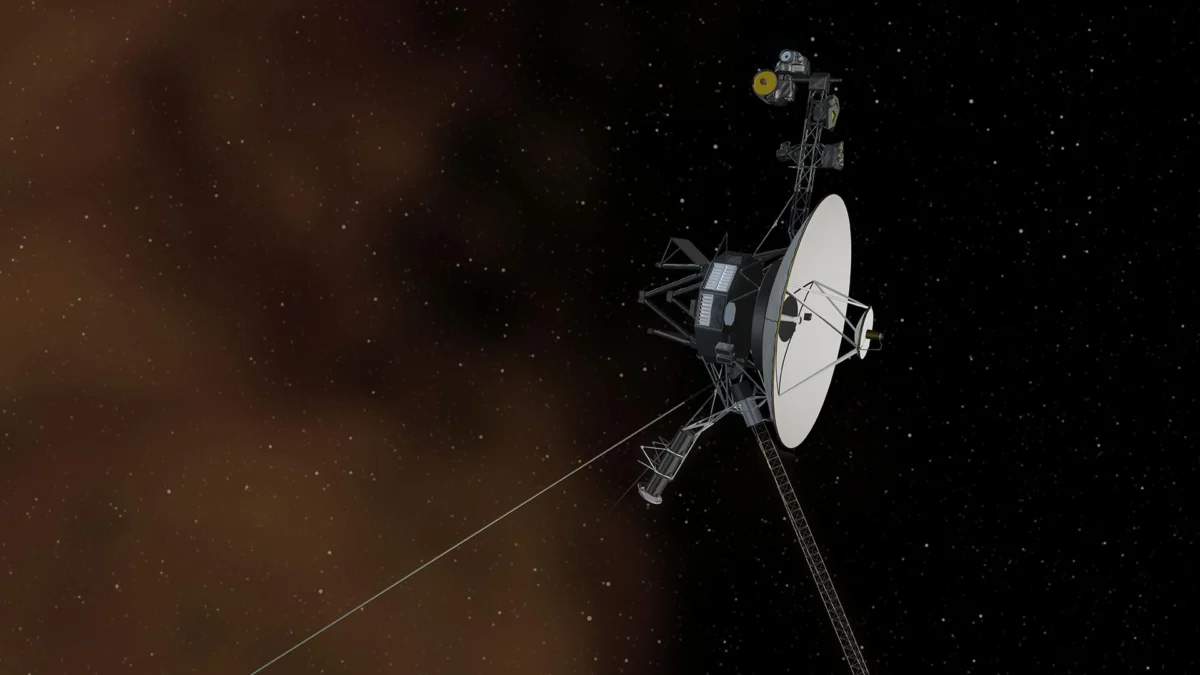
Humanity’s most distant emissary, the Voyager 1 spacecraft, has successfully re-established communication with Earth following a brief but concerning period of silence. The probe, which has been traveling through the cosmos for over 47 years, experienced a two-day communications blackout between October 18 and October 20, 2024. During this interval, the spacecraft entered an autonomous state that momentarily severed its link with the Deep Space Network (DSN), the global array of massive radio antennas that serves as NASA’s primary lifeline to its interstellar explorers.
The incident highlights the precarious nature of maintaining aging hardware that is currently traversing the vast, uncharted reaches of interstellar space. As Voyager 1 continues its journey—now located over 16 billion miles from our home planet—the mission team at NASA’s Jet Propulsion Laboratory (JPL) is forced to navigate the realities of hardware degradation, extreme distances, and the inevitable "unexpected" behaviors of technology built in the 1970s.
The Anatomy of the Blackout
On October 18, when mission controllers attempted to contact the spacecraft, they were met with silence. In the world of deep space exploration, a two-day gap is not merely a technical annoyance; it is a period of intense anxiety. Because of the vast distance between Earth and Voyager 1, light-speed communications take approximately 23 hours to travel one way. By the time an issue is detected on Earth, it has already occurred nearly a full day prior.
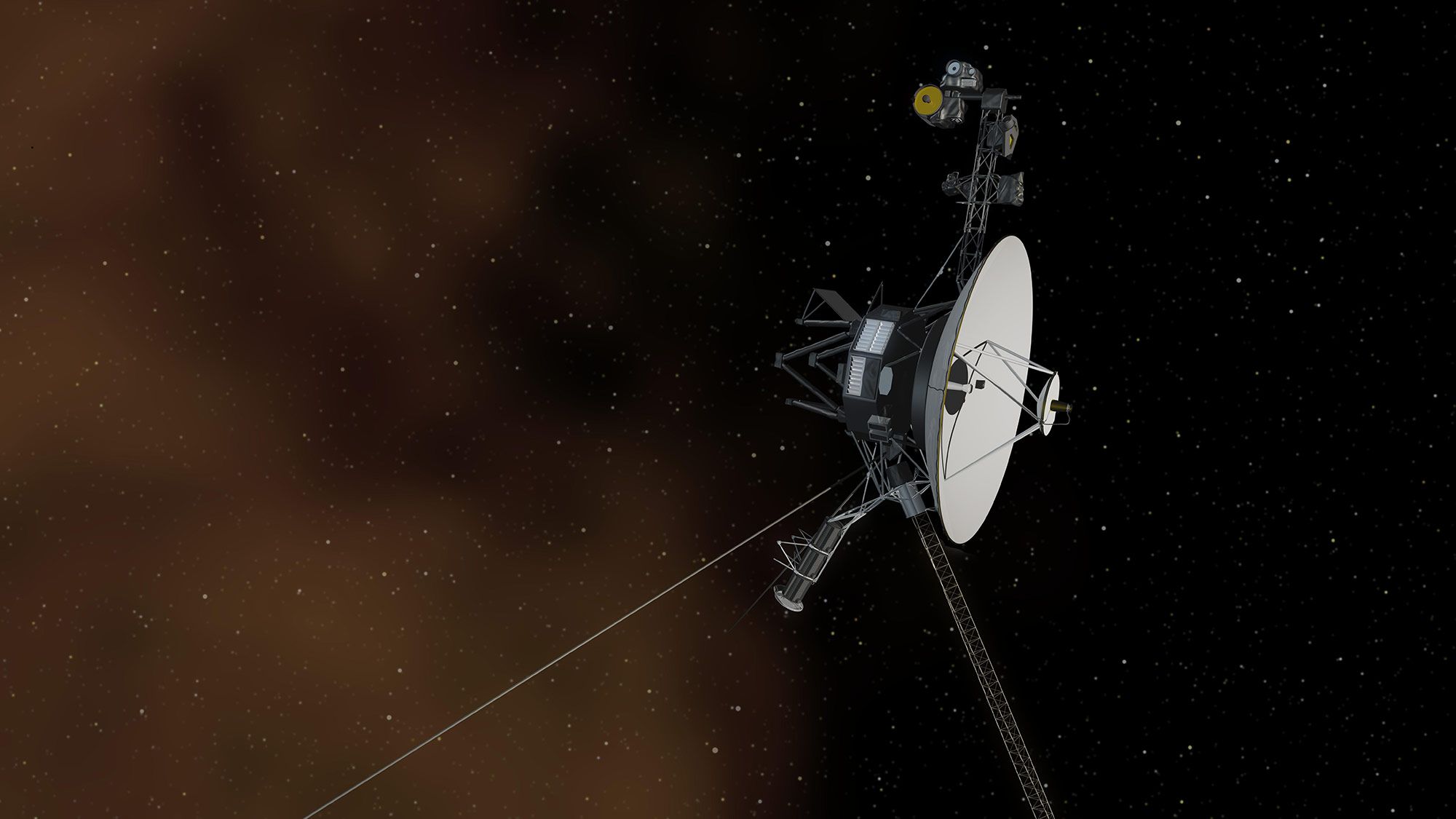
NASA engineers eventually determined that the spacecraft had triggered a built-in safety protocol. The system, designed to protect the probe’s limited power reserves, detected an anomaly in its thruster configuration. Specifically, a group of thrusters used for orientation—necessary to keep the spacecraft’s high-gain antenna pointed precisely toward Earth—went offline. In response, the onboard flight computer automatically engaged a set of backup thrusters. This "swap" is a programmed defensive maneuver intended to ensure the spacecraft remains stable even if a primary component fails.
While the spacecraft successfully corrected itself, the event has prompted a rigorous investigation. "This is the first time we’ve seen the spacecraft do something like this," noted Kareem Badaruddin, the Voyager mission manager at JPL. "But we are also at a point in the mission where we have to expect the unexpected."
A Legacy of Exploration: From Planets to Interstellar Space
To understand the magnitude of Voyager 1’s current mission, one must look back to its inception. Launched on September 5, 1977, Voyager 1 was part of an ambitious program designed to take advantage of a rare planetary alignment. This "Grand Tour" allowed the twin probes, Voyager 1 and Voyager 2, to utilize gravity-assist maneuvers to visit the outer giants of our solar system.
Voyager 1’s primary mission saw it conduct historic flybys of Jupiter in 1979 and Saturn in 1980. The data returned by the probe revolutionized planetary science, revealing active volcanism on Jupiter’s moon Io and the complex, icy structure of Saturn’s rings. Perhaps most famously, the mission’s trajectory was altered to allow for a close encounter with Titan, Saturn’s largest moon, which scientists suspected—and later confirmed—possessed a thick atmosphere and chemistry that could mirror the prebiotic conditions of early Earth.
Following its planetary duties, Voyager 1 began its ascent out of the ecliptic plane, embarking on a multi-decade journey toward the heliopause—the boundary where the Sun’s influence ends and true interstellar space begins. In 2012, Voyager 1 became the first human-made object to cross this threshold, a milestone that signaled the beginning of an entirely new era of scientific discovery.
The Physics of Power: The "Big Bang" Strategy
The longevity of the Voyager mission is a testament to the engineering prowess of the 1970s, but physics remains an uncompromising adversary. Both probes are powered by Radioisotope Thermoelectric Generators (RTGs), which convert the heat generated by the natural decay of plutonium-238 into electricity. As the radioactive material decays over time, the power output of these generators declines.
Engineers estimate that the Voyager probes lose approximately four watts of power each year. Having launched with 470 watts of power, the spacecraft are now operating on a significantly reduced budget. This power decline has forced NASA to make difficult decisions, systematically turning off scientific instruments to ensure the survival of essential systems, such as communication and basic flight control.
To manage this decline, NASA engineers have implemented a strategy colloquially referred to as the "Big Bang." This involves reconfiguring the spacecraft’s power distribution and shutting down non-essential heaters and secondary instruments to keep the primary science payload running. In September 2024, Voyager 1 underwent a series of these adjustments, which involved turning off three legacy devices and replacing them with lower-power alternatives. This strategy has successfully extended the operational life of the probes, with mission managers now expressing cautious optimism that they can keep both spacecraft functioning into the 2030s.
Implications for Future Deep Space Missions
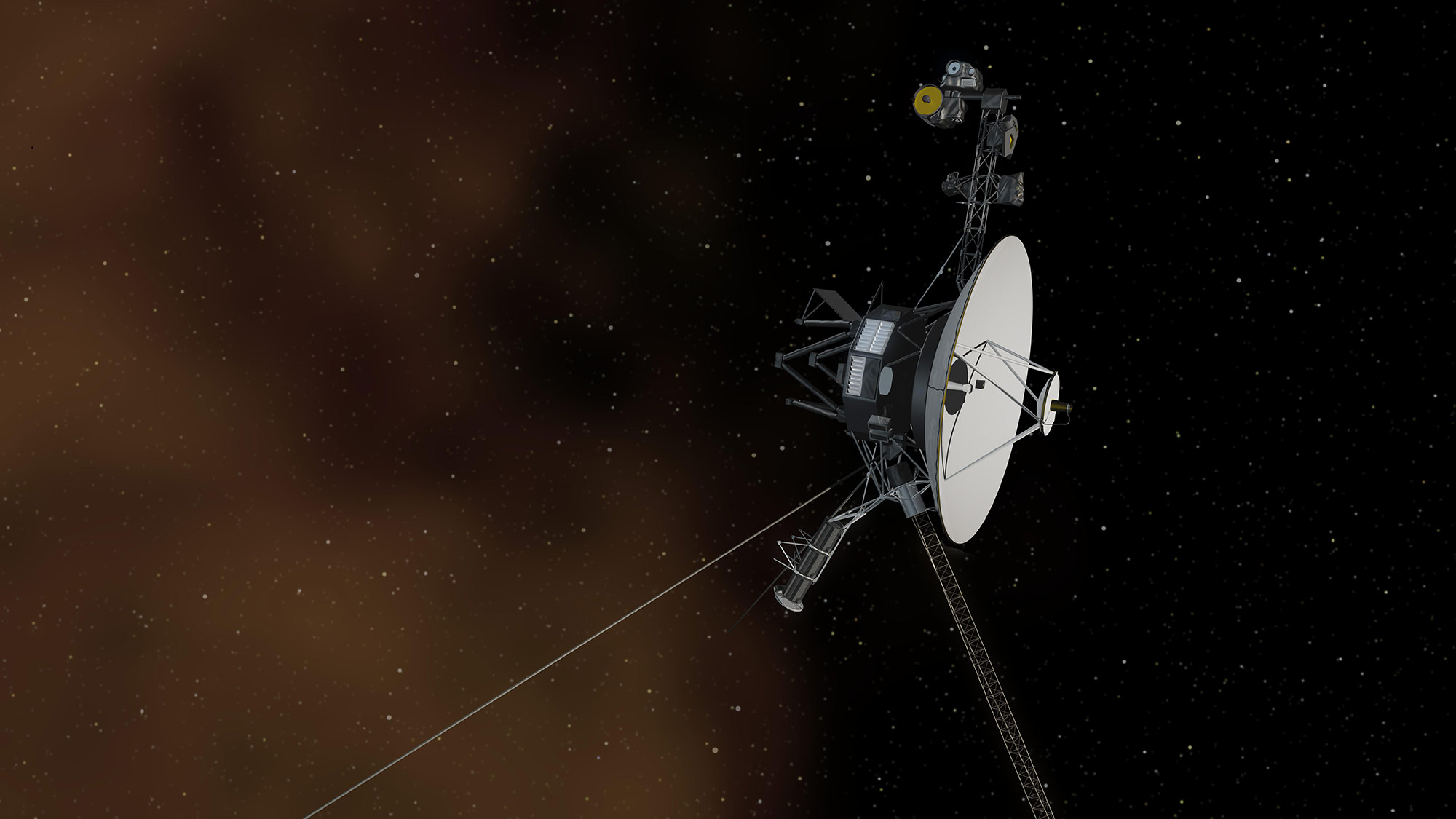
The recent communications glitch serves as a sobering reminder of the isolation faced by these probes. On November 18, 2024, Voyager 1 will reach the milestone of being one full light-day away from Earth—a distance of 16.09 billion miles (25.89 billion kilometers). At this range, every command sent by ground control is a leap of faith, and every bit of telemetry received is a triumph of persistence.
The implications of these frequent, minor anomalies are significant. They serve as a real-world testing ground for autonomous systems. Because Earth-based intervention is delayed by nearly 24 hours, the Voyager probes must be increasingly self-reliant. The fact that Voyager 1 resolved its own thruster-swap issue without human guidance is proof that the autonomy built into the craft’s aging architecture remains robust.
However, as the hardware continues to age, the risks increase. The "safe mode" triggers are becoming more frequent as the spacecraft’s internal sensors and mechanical components face the wear and tear of nearly five decades in the harsh environment of space. Scientists analyze this data not just to save the Voyagers, but to inform the design of future interstellar probes, which will require even greater levels of autonomous health management to survive the vast, unmonitored distances of deep space.
The Enduring Value of the Voyagers
Even as the probes go quiet one instrument at a time, their scientific output remains peerless. Voyager 1 and 2 are the only human-made objects providing direct, in-situ measurements of the interstellar medium. They provide data on cosmic rays, magnetic field fluctuations, and plasma density in regions of space that no other human technology has ever reached.
The mission’s management team continues to prioritize the longevity of these crafts, treating them as irreplaceable assets. The "Big Bang" maneuvers and the handling of the October communications outage reflect a deep commitment to maintaining this connection as long as physically possible. While the day will eventually come when the last instrument is switched off and the signal fades into the background noise of the universe, the Voyagers have already secured their place in history.
For now, the engineers at JPL remain vigilant. Every "ping" from the Deep Space Network that returns a signal from Voyager 1 is a victory. It is a confirmation that humanity’s first interstellar pioneers are still functioning, still exploring, and still speaking to us from the farthest frontier ever touched by our species. As the team continues to investigate the specific cause of the October thruster issue, the mission remains a beacon of what can be achieved when human ingenuity is applied to the infinite challenges of the cosmos.