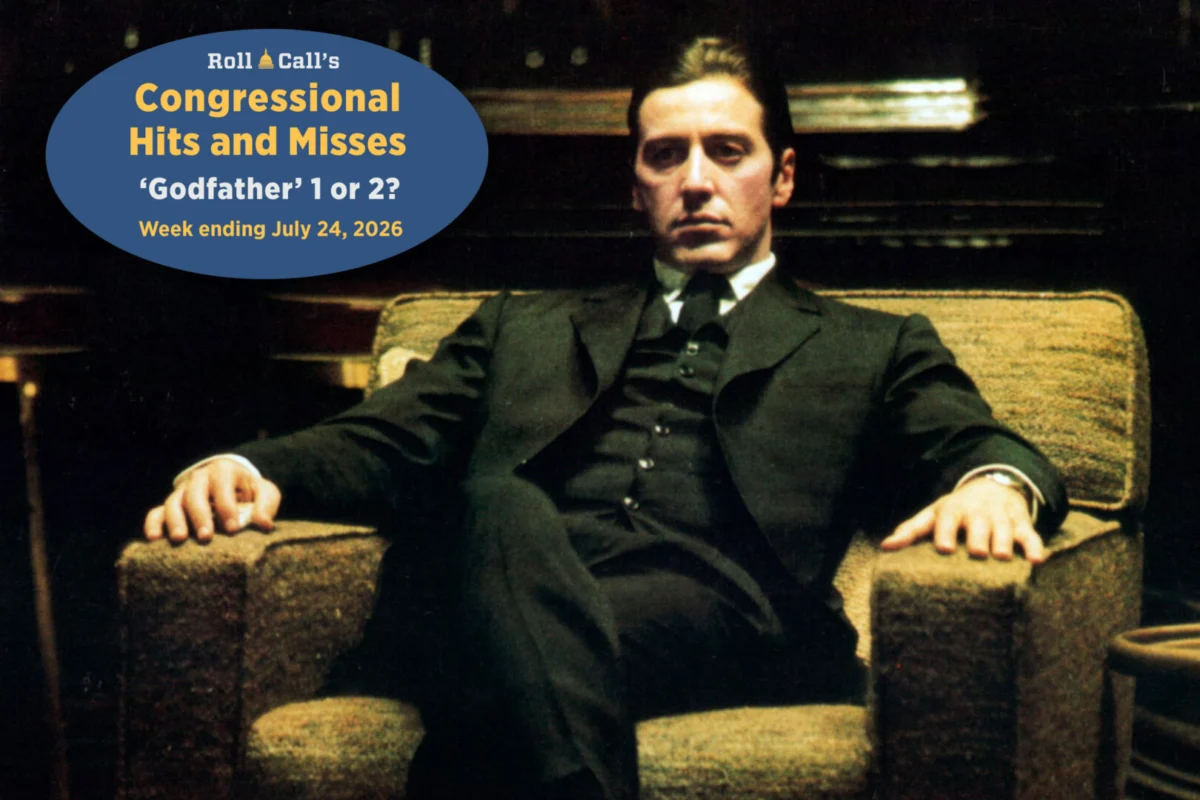
The week culminating on July 24, 2026, was marked by a series of culturally resonant discussions that traversed cinematic history and contemporary political discourse, revealing underlying currents in public sentiment and media engagement. Observations from various platforms highlighted a notable confusion between the seminal "Godfather" films, a significant resurgence in the appreciation for the "Rocky" cinematic universe, and a particularly provocative comparison drawing parallels between Olive Garden’s iconic "Never-Ending Pasta Bowl" and the act of voting. These disparate points of public commentary, while seemingly unrelated, collectively offered a snapshot of the prevailing cultural literacy, the enduring power of narrative, and the often-cynical lens through which political processes are viewed in mid-2026.
Cinematic Confusion: The Godfather Saga and Public Memory
One of the more peculiar observations of the week involved a widespread, albeit minor, confusion between Francis Ford Coppola’s "The Godfather" (1972) and its equally acclaimed sequel, "The Godfather Part II" (1974). The initial spark for this discussion appeared to originate from a prominent online personality’s misattribution of a famous line or scene, prompting a flurry of corrections, debates, and nostalgic reflections across social media and film discussion forums. While seemingly innocuous, the incident underscored evolving patterns in how classic cinema is consumed and remembered in an era of rapid information dissemination and condensed attention spans.
"The Godfather," released in 1972, is widely regarded as a masterpiece of American cinema, depicting the transformation of Michael Corleone (Al Pacino) from reluctant family outsider to ruthless mob boss. It garnered critical acclaim, including three Academy Awards for Best Picture, Best Actor (Marlon Brando), and Best Adapted Screenplay. Its sequel, "The Godfather Part II," released two years later, broke new ground by serving as both a prequel and a sequel, intertwining Michael’s continuing descent into criminality with the origin story of his father, Vito Corleone (Robert De Niro, who won Best Supporting Actor for his role). It famously became the first sequel to win the Academy Award for Best Picture, further solidifying its legendary status.
Film historians and critics weighed in on the observed confusion. Dr. Eleanor Vance, a professor of film studies at the University of Southern California, commented, "While both films are intrinsically linked and form a singular narrative arc, their distinct structures, thematic focuses, and even visual palettes are fundamental to their individual genius. The casual conflation, while perhaps minor, suggests a broader trend where the details of historical cultural products can become blurred in the collective consciousness, particularly among younger demographics who might encounter these films through curated clips or summaries rather than sequential viewing." Data from streaming platforms in early 2026 indicated a preference for watching "highlight reels" or "key scenes" over full feature films for a significant portion of younger viewers, a trend that could contribute to such narrative compression in public memory. The discussion also touched upon the increasing prevalence of misinformation, even in cultural contexts, and the challenges of maintaining factual accuracy in fast-moving digital conversations.
The Enduring Spirit of Rocky Balboa
In stark contrast to the minor misremembering surrounding "The Godfather," the week also witnessed a pronounced "championing" of the "Rocky" cinematic universe. This surge in appreciation appeared to be driven by a confluence of factors, including the 50th anniversary of the original film’s principal photography earlier in the year, coupled with contemporary socio-economic anxieties that made the franchise’s themes of perseverance and underdog triumph particularly resonant. Public figures, motivational speakers, and social media influencers increasingly invoked Rocky Balboa’s unwavering spirit as a metaphor for overcoming adversity, both personal and collective.
The "Rocky" franchise, which began with the critically acclaimed and commercially successful "Rocky" in 1976, tells the inspiring story of an unknown club fighter from Philadelphia who gets a shot at the world heavyweight championship. Written by and starring Sylvester Stallone, the original film won three Academy Awards, including Best Picture, and cemented its place as a cultural touchstone representing the American Dream and the power of grit. Over the decades, the franchise expanded with five sequels featuring Rocky, followed by the critically and commercially successful "Creed" spin-off series, which focuses on Adonis Creed, the son of Rocky’s rival-turned-friend, Apollo Creed. The "Creed" films, particularly "Creed III" (2023), demonstrated the franchise’s continued relevance and ability to attract new generations of viewers while retaining its core themes of mentorship, legacy, and redemption.
The resurgence in "Rocky" fervor in July 2026 was interpreted by cultural commentators as a societal yearning for straightforward narratives of resilience and hope amidst complex global challenges. Dr. Marcus Chen, a sociologist specializing in popular culture, noted, "In times of uncertainty, people often gravitate towards stories that offer clear moral lessons and inspiring heroes. Rocky Balboa, with his relentless pursuit of self-improvement and his refusal to quit, embodies a primal desire for victory against overwhelming odds. The championing of this universe is less about nostalgia for the 70s or 80s, and more about finding contemporary relevance in timeless virtues." The phrase "Eye of the Tiger" trended repeatedly across platforms, often accompanied by user-generated content showcasing personal achievements or community efforts. This collective embrace highlighted the franchise’s enduring power as a symbol of determination, transcending its boxing origins to become a broader cultural idiom for resilience.
The Olive Garden Analogy: Voting and the Never-Ending Pasta Bowl
Perhaps the most contentious and widely debated observation of the week was a comparison made between Olive Garden’s "Never-Ending Pasta Bowl" and the act of voting. This analogy, first articulated by a prominent, often controversial, political commentator during a cable news segment on Tuesday, July 22nd, quickly went viral, igniting a fierce debate across the political spectrum. The commentator’s intended message appeared to be a cynical take on the perceived futility or repetitive nature of the electoral process, suggesting that despite superficial changes, the fundamental outcomes or choices remain "never-ending" and ultimately unfulfilling, much like an endless meal that offers quantity over genuine satisfaction.
Olive Garden’s "Never-Ending Pasta Bowl," a seasonal promotional offering that has become a recurring fixture for the casual dining chain since its introduction, allows diners to consume unlimited servings of pasta, sauce, and toppings for a fixed price. It is marketed as a value proposition, emphasizing abundance and choice. The analogy’s application to voting, however, struck a nerve. Proponents of the comparison argued it resonated with a segment of the electorate feeling disenfranchised, believing their votes rarely lead to substantial change, or that political promises are perpetually recycled without meaningful impact. They pointed to historically low voter turnout rates in certain demographic groups and the perception of a two-party system offering limited distinct choices as evidence supporting the analogy’s cynical undertones.
However, the comparison drew immediate and strong condemnation from voter advocacy groups, political scientists, and civic leaders. They argued that such an analogy trivializes the democratic process, equating a fundamental civic duty with a consumer transaction. "To compare voting to a ‘never-ending pasta bowl’ is not only deeply disrespectful to the sacrifices made for suffrage but also dangerously undermines the very foundation of our democratic participation," stated Maria Rodriguez, executive director of the Citizens for Democratic Engagement. "Every vote cast, regardless of perceived immediate outcome, contributes to the ongoing conversation and direction of our society. It is an act of hope, not merely a consumer choice."
Data from the 2024 election cycle indicated a modest increase in overall voter turnout compared to previous midterms, but also revealed persistent gaps in engagement among younger voters and specific minority groups. Polling conducted in early July 2026 suggested a continued sense of political polarization and a significant segment of the population expressing fatigue with the constant political campaigning and perceived lack of progress on key issues. Analysts speculated that the analogy, while inflammatory, tapped into a genuine vein of disillusionment for some, while for others, it served as a stark reminder of the importance of defending and engaging with democratic institutions. The debate surrounding this comparison dominated political talk shows and online forums for the remainder of the week, becoming a focal point for discussions on voter apathy, political efficacy, and the rhetoric used in public discourse.
Broader Cultural and Political Implications
The disparate cultural and political commentaries observed during the week ending July 24, 2026, offered a nuanced lens into the prevailing societal mood. The confusion surrounding "The Godfather" films highlighted potential shifts in media consumption habits and cultural literacy, where depth of knowledge might be sacrificed for broad, superficial understanding in the digital age. This phenomenon has implications for historical awareness and critical thinking, suggesting a need for renewed emphasis on comprehensive engagement with cultural touchstones.
Conversely, the enthusiastic championing of the "Rocky" universe underscored a persistent human need for narratives of hope, resilience, and personal triumph, especially in times of collective stress. It suggests that despite increasing complexity in the world, there remains a powerful appeal for straightforward stories of good versus evil, perseverance against odds, and the enduring spirit of the underdog. This trend could influence future storytelling, political messaging, and motivational content, leaning towards themes that resonate with overcoming adversity.
The Olive Garden analogy, while controversial, served as a potent, albeit cynical, reflection of a segment of the populace’s disillusionment with the political process. It signaled a deeper crisis of faith in institutions and the perceived efficacy of individual action within a large, seemingly intractable system. This discussion has significant implications for voter engagement strategies, political communication, and the ongoing efforts to restore public trust in democratic processes. The challenge for political leaders and civic organizations will be to address the underlying causes of such cynicism and demonstrate tangible impact, rather than simply dismissing the sentiment as misinformed.
Collectively, these observations paint a picture of a society grappling with its cultural heritage, seeking inspiration amidst challenges, and expressing complex, often contradictory, feelings about its civic responsibilities. They underscore the power of popular culture and everyday analogies to articulate profound societal anxieties and aspirations, offering valuable insights for understanding the contemporary landscape of public opinion and discourse.
Chronology of the Week’s Discourse (July 2026)
- Monday, July 21: An influential online content creator publishes a widely viewed video essay discussing classic cinema, inadvertently conflating key plot points and character arcs from "The Godfather" and "The Godfather Part II." The initial misattribution goes largely unnoticed by casual viewers but sparks corrections and discussions among film buffs.
- Tuesday, July 22:
- The "Godfather" confusion gains traction as film critics and historians begin to comment on social media, correcting the record and initiating broader discussions about cinematic literacy and media consumption habits.
- During an evening political commentary segment on a national news channel, a controversial pundit introduces the analogy of "voting being like Olive Garden’s Never-Ending Pasta Bowl," intending to convey a sense of electoral futility. The comment immediately goes viral, igniting a firestorm of debate online and in political circles.
- Wednesday, July 23:
- The "Never-Ending Pasta Bowl" analogy dominates political discourse, drawing sharp condemnation from voter advocacy groups and elected officials, while also finding resonance with a segment of the disillusioned public. Pundits and analysts spend the day dissecting the analogy’s implications for voter turnout and public trust.
- Concurrently, a popular motivational speaker delivers a keynote address, extensively referencing "Rocky Balboa’s unwavering spirit" and the "Eye of the Tiger" as a call to action for personal and national resilience. The speech, widely shared online, contributes to a surge in appreciation for the "Rocky" cinematic universe.
- Thursday, July 24:
- Discussions continue across all three topics. Film critics publish deeper dives into the "Godfather" confusion, examining generational shifts in media consumption.
- The "Rocky" resurgence is highlighted in cultural news segments, with commentators linking its themes to contemporary societal challenges and a yearning for clear, inspiring narratives.
- The Olive Garden analogy remains a hot-button issue, prompting political strategists to consider how to counter or address the underlying cynicism it represents ahead of future elections. News outlets begin summarizing the week’s most prominent cultural and political discussions, identifying these three distinct but interconnected threads.
The week’s close on July 24, 2026, thus captured a multifaceted dialogue, reflecting both the trivial and profound concerns occupying the public mind. From cinematic nuances to the very foundations of civic engagement, the observations served as a telling barometer of cultural literacy, societal aspirations, and political frustrations.