The vacancy within the White House communications office, triggered by the abrupt departure of Katie Zacharia, has prompted a search for a successor characterized by both high-profile recognition and alignment with the administration’s populist messaging. On Sunday, October 25, 2026, the administration signaled a potential shift in its media strategy when White House Communications Director Steven Cheung publicly floated the name of rapper and public personality Nicki Minaj as a candidate for the role of Press Secretary. The suggestion, while framed by some as informal, occurred against a backdrop of increasing efforts by the administration to integrate pop-culture figures into its political communication framework.
The Chronology of the Announcement
The speculation began during a high-profile travel sequence aboard Air Force One. Steven Cheung, the White House Communications Director, shared a video segment on social media platforms featuring himself and Minaj engaged in conversation. The exchange was marked by the rapper’s vocal support for the administration’s policies, echoing rhetoric often utilized in official press briefings. Cheung captioned the digital release with a statement suggesting that the search for a new spokesperson might have concluded: "Ladies and gentlemen, I think we may have found the new White House Press Secretary!"
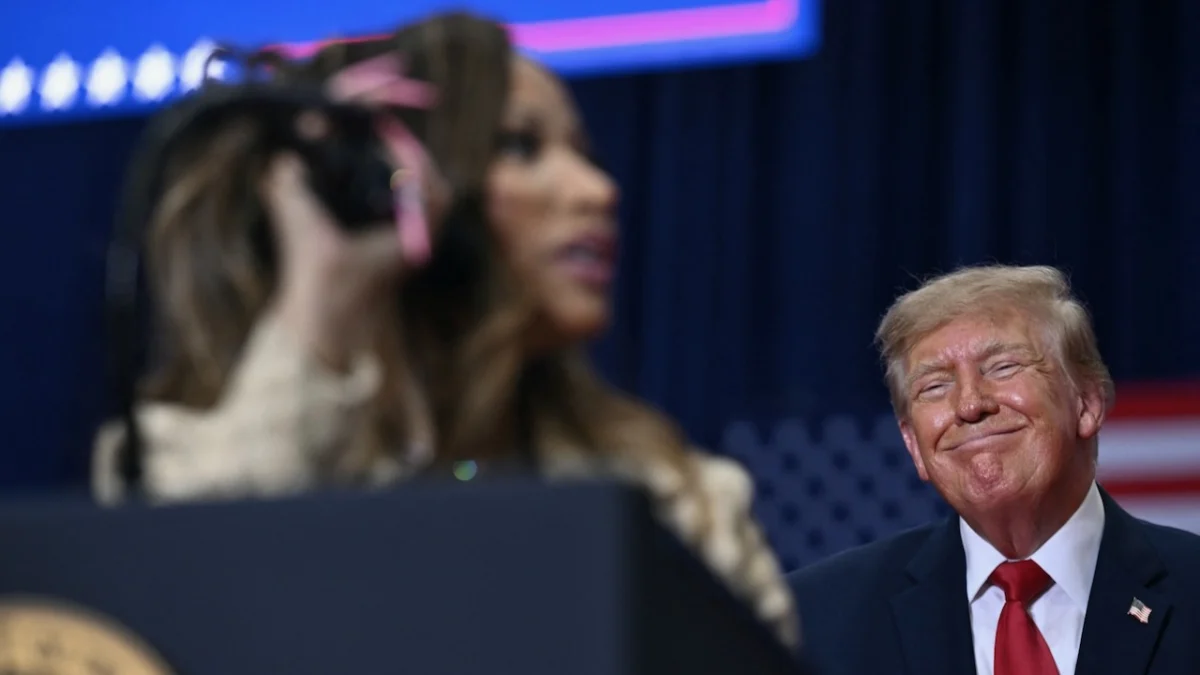
The momentum of this narrative continued into the afternoon during a campaign event in Port Huron, Michigan. Minaj accompanied President Donald Trump to the rally, where she was publicly acknowledged. During his remarks, the President addressed Minaj directly, commenting on her appearance in a manner that drew significant media attention. After inviting her to stand to be recognized by the audience, the President remarked that she had a "beautiful" backside, adding, "That’s hard to miss!" The incident was captured by multiple news outlets and quickly circulated across social media, fueling a debate regarding the appropriateness of the rhetoric versus the administration’s attempt to bridge the gap between celebrity culture and political governance.
Contextualizing the Vacancy
The position of White House Press Secretary is traditionally held by a professional communicator with deep experience in political strategy, crisis management, and media relations. The departure of Katie Zacharia left a void that the administration has struggled to fill amidst a challenging legislative agenda and shifting public polling. Zacharia’s tenure was marked by a series of high-profile confrontations with the White House press corps, ultimately culminating in her resignation following a period of internal instability.
The consideration of an unconventional candidate like Nicki Minaj represents a departure from traditional appointment protocols. However, it aligns with the administration’s long-standing strategy of bypassing traditional media gatekeepers in favor of direct engagement through influencers and cultural figures. By leveraging the massive digital reach of celebrities, the administration aims to reach demographics that are historically disengaged from traditional political discourse.
Comparative Analysis: Celebrity Appointments in Politics
The prospect of a celebrity transition into a formal cabinet or sub-cabinet role is not without historical precedent, though it remains rare for a position as sensitive as the Press Secretary. Historically, the role has been occupied by journalists (such as Sarah Huckabee Sanders or Karine Jean-Pierre) or seasoned political operatives.
When analyzing the implications of this potential appointment, political analysts note that the role requires a profound understanding of international policy, the nuances of the Administrative Procedure Act, and the ability to maintain composure under the intense scrutiny of the daily press briefing. While Minaj possesses significant experience in public relations and brand management—having navigated a complex music career spanning two decades—the shift from entertainment to federal policy advocacy involves a distinct set of regulatory hurdles.
Furthermore, the integration of such a high-profile figure could alter the tone of the daily briefing room. Historically, the Press Secretary serves as the primary bridge between the President and the international press. If the administration proceeds with a non-traditional candidate, it may be signaling a desire to permanently redefine the function of the briefing, prioritizing viral impact and emotional connection over granular policy explanation.
Reactions and Public Discourse
The reaction to the suggestion has been polarized. Supporters of the administration point to the "authenticity" of such an appointment, arguing that the public is tired of traditional "Beltway" communication. For these proponents, a voice like Minaj’s offers a direct, unfiltered connection to a younger, more diverse segment of the electorate.
Conversely, institutionalists and political scholars have expressed concern. The primary argument against such an appointment centers on the gravity of the position. The Press Secretary is responsible for relaying the President’s stance on national security, economic policy, and humanitarian crises. Critics argue that appointing a personality whose primary experience is in the entertainment sector could undermine the credibility of the office. Furthermore, the President’s comments regarding Minaj’s physical appearance during the Michigan rally have sparked criticism from various advocacy groups, who argue that the rhetoric reinforces dated tropes that detract from the professional merit of the candidate being discussed.
Broader Political Implications
The timing of this potential appointment is critical. With midterm election cycles approaching and the administration looking to bolster its support among minority voters, the recruitment of prominent figures from the hip-hop and entertainment community is a strategic move to energize the base.
Statistically, the administration has seen a fluctuation in support among younger demographics over the past 18 months. By incorporating figures who command tens of millions of followers on platforms like Instagram and X (formerly Twitter), the administration can effectively communicate policy initiatives without the filter of traditional news cycles.
However, there are risks associated with this approach. When the spokesperson for the United States government is a polarizing figure, the messaging often becomes secondary to the personality. This can lead to a "media circus" effect, where the substance of a policy debate is overshadowed by the persona of the individual delivering the message. In the case of the White House, where every word is analyzed for its impact on global markets and foreign relations, this could create significant volatility.
The Path Forward
As of late October 2026, the White House has not issued a formal offer or a timeline for the appointment of the new Press Secretary. The comments made by Steven Cheung and President Trump, while highly public, do not constitute a legal confirmation. The vetting process for a federal position of this magnitude involves extensive background checks and, in some cases, security clearances that are rigorous in nature.
Whether the administration is genuinely testing the waters for a serious appointment or utilizing the public association with Minaj as a distraction from current political headwinds remains a subject of intense debate in Washington. As the vacancy remains unfilled, the press corps continues to await a formal nomination that will clarify the administration’s direction for the remainder of its term.
The incident highlights the evolving nature of political communication in the digital age, where the boundary between celebrity influence and governance continues to dissolve. Regardless of the outcome, the episode underscores a broader trend: the prioritization of media visibility and cultural relevance in the selection of key government officials, a trend that is likely to continue as long as social media remains the primary engine of political discourse. For now, the nation remains in a state of speculation, waiting to see if the White House will prioritize institutional stability or cultural disruption in its search for its next voice.