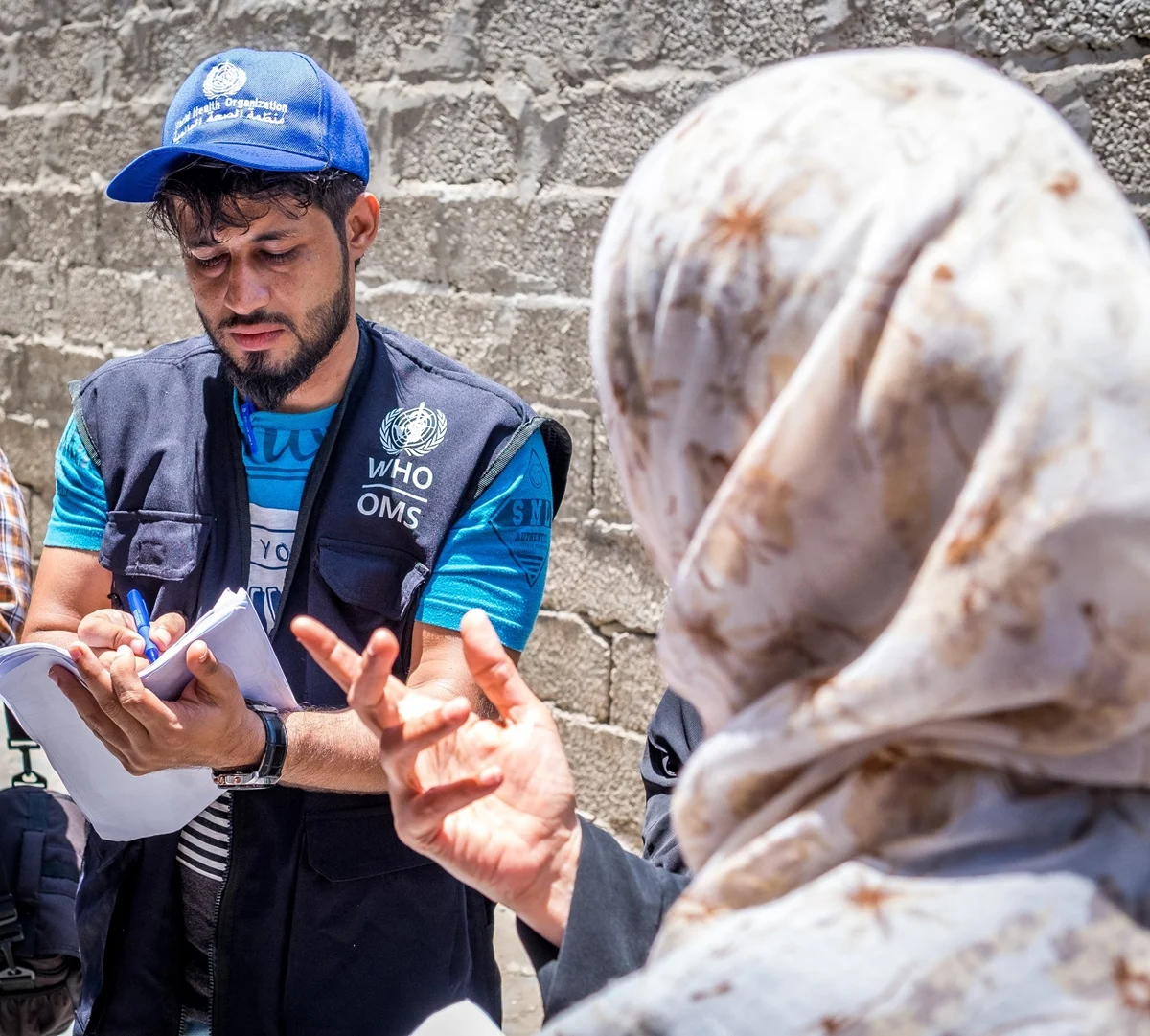
The World Health Organization (WHO) has officially unveiled a groundbreaking initiative aimed at overhauling global health information systems, addressing critical data deficiencies laid bare by the ongoing COVID-19 pandemic. Titled the SCORE for Health Data Technical Package, this comprehensive resource is designed to provide nations worldwide with the necessary tools, standards, and guidance to routinely gather, analyze, and apply reliable health data. Developed in partnership with the Bloomberg Philanthropies Data for Health Initiative, the package represents a unified strategy to help governments establish robust benchmarks, optimize healthcare performance, and direct limited resources where they are most critically needed.
The unveiling of the SCORE package comes at a time when health systems across the globe are under unprecedented strain. The COVID-19 pandemic has ruthlessly exposed systemic vulnerabilities, chief among them being the profound lack of timely, accurate, and disaggregated health data in numerous low- and middle-income countries. Without robust data collection infrastructure and analytical capacity, public health officials struggle to track infection rates, allocate medical supplies, predict epidemiological surges, and implement targeted interventions. By introducing a harmonized set of guidelines, the WHO seeks to bridge this chasm and foster a data-driven culture in public health policymaking.
Background and Context: The Global Data Deficit
For decades, international public health organizations have grappled with incomplete vital statistics and lagging health information systems. According to historical data from the WHO and the World Bank, a significant percentage of deaths globally go unregistered, and causes of death are often undocumented or misclassified. This pervasive data invisibility hinders the formulation of effective national health policies and obscures the true burden of disease.
The publication of the WHO World Health Statistics 2020 report further amplified these concerns, demonstrating that many member states lacked the foundational capacity to monitor basic health indicators. This deficiency not only impairs routine healthcare delivery but also severely compromises international security during biological emergencies. When a novel pathogen emerges, public health authorities rely on rapid, high-quality data to understand transmission dynamics and assess the efficacy of countermeasures. The absence of such data forces decision-makers to operate in the dark, leading to delayed responses, misallocated resources, and preventable loss of life.
The Anatomy of the SCORE Technical Package
The acronym SCORE stands for Survey, Count, Optimize, Review, and Enable. This five-pillar framework encompasses more than 90 universally accepted tools and standards, meticulously curated to strengthen every facet of a national health information system.
- Survey: Encompasses population-based surveys to measure health risks, behaviors, and outcomes that cannot be captured through routine facility reporting.
- Count: Focuses on establishing and maintaining robust civil registration and vital statistics (CRVS) systems, ensuring that every birth and death is accurately recorded and classified by cause.
- Optimize: Involves optimizing health service data from clinics, hospitals, and community health centers to monitor service utilization and quality.
- Review: Emphasizes institutionalizing analytical capacity to review data regularly, assess progress, and inform evidence-based policymaking.
- Enable: Concentrates on the overarching legal, institutional, and technological frameworks required to support sustainable health information systems.
By integrating these elements into a single, cohesive package, the WHO provides governments with a practical roadmap. Rather than navigating a fragmented landscape of conflicting international standards, countries can utilize SCORE to conduct baseline assessments, identify specific vulnerabilities, and systematically upgrade their health data architectures.
Chronology of Development and Strategic Partnerships
The genesis of the SCORE initiative reflects a multi-year collaborative effort between the WHO, member states, academic institutions, and philanthropic organizations. The groundwork was laid following successive global health crises—including the 2014–2016 West African Ebola epidemic—which repeatedly demonstrated that weak health information systems act as force multipliers for infectious disease outbreaks.
As the COVID-19 pandemic paralyzed economies and overwhelmed medical facilities in early 2020, the urgency to finalize and deploy the SCORE package intensified. Recognizing the monumental task ahead, the WHO forged a strategic alliance with Bloomberg Philanthropies through its Data for Health Initiative. This partnership provided the critical financial and technical backing required to transform the conceptual framework into an actionable, field-ready toolkit.
Dr. Tedros Adhanom Ghebreyesus, Director-General of the WHO, emphasized the fundamental philosophy driving the initiative during the launch announcement. "Countries must be able to measure progress to make progress," Dr. Tedros stated. "Particularly during COVID-19, reliable data is the best way to coordinate response efforts and improve health in all areas."
Official Responses and Expert Perspectives
The global public health community has overwhelmingly welcomed the introduction of the SCORE Technical Package, viewing it as a timely and indispensable intervention.
Dr. Kelly Henning, Director of Public Health Programs at Bloomberg Philanthropies, highlighted the practical value of the resource for national governments. "Using data to inform public health priorities and strategies has never been more important," Dr. Henning noted. "The SCORE Technical Package provides country governments around the world with high-quality, essential technical guidance so that countries can strengthen their own data systems. WHO is proud to partner with the Bloomberg Philanthropies Data for Health Initiative to deliver this timely resource to countries."
Echoing these sentiments, Dr. Samira Asma, Assistant Director-General for Data, Analytics and Delivery for Impact at WHO, underscored the moral and operational imperative of immediate action. "We must keep score to save lives," Dr. Asma asserted. "WHO is committed to working with countries and partners to rapidly scale up capacity for data collection and use in order to improve policy and performance. We must act now to invest in statistical systems in countries, respond to this pandemic and meet the SDGs and the Triple Billion targets. Our window of opportunity is closing, and we cannot wait to address data gaps. Data use to address country needs has to be a priority today."
Implications for the Sustainable Development Goals (SDGs)
The successful implementation of the SCORE Technical Package has profound implications for the broader international development agenda, particularly the United Nations Sustainable Development Goals (SDGs) and the WHO’s Triple Billion targets. Achieving universal health coverage (UHC), better protecting populations from health emergencies, and promoting healthier populations all hinge upon rigorous measurement and accountability.
Without granular, disaggregated data, marginalized populations often remain invisible to policymakers. Disaggregated data—broken down by age, gender, socioeconomic status, and geographic location—allows governments to identify health inequities and design targeted interventions. The SCORE package specifically emphasizes the generation of such data, ensuring that vulnerable communities are prioritized in resource allocation and service delivery.
Furthermore, as nations strive to "build back better" in the wake of the COVID-19 pandemic, resilient health information systems are increasingly recognized as non-negotiable components of national security and economic stability. A country equipped with advanced data analytics can detect localized outbreaks before they spiral into national catastrophes, minimizing the need for devastating lockdowns and economic shutdowns.
Implementation Roadmap and Future Releases
The initial rollout of the SCORE Technical Package features a foundational set of documents designed to orient national stakeholders and public health administrators. However, the WHO has confirmed that this launch is merely the first phase of a comprehensive, multi-stage release schedule planned throughout the year.
Later in the year, the organization will introduce the SCORE Assessment Instrument, a diagnostic tool that will enable countries to evaluate their current health information system maturity across the five core pillars. In addition, global, regional, and country-by-country status reports will be published, offering transparent benchmarks and comparative analyses. These forthcoming components will provide governments with the granular insights required to plan, execute, and monitor national and subnational health strategies against established international targets.
Conclusion: A Collaborative Path Forward
The launch of the SCORE for Health Data Technical Package marks a watershed moment in global public health administration. By translating complex statistical standards into accessible, flexible, and actionable tools, the WHO and its partners are empowering nations to take control of their health data destinies.
As the world continues to grapple with the multifaceted challenges of the COVID-19 pandemic and prepares for future biological threats, the message from the global health sector is unequivocal: data is not merely a bureaucratic byproduct of healthcare delivery, but a foundational pillar of human survival and societal well-being. Through sustained international solidarity, information-sharing, and the robust application of frameworks like SCORE, the global community possesses a viable pathway toward more transparent, resilient, and equitable health systems for generations to come.