
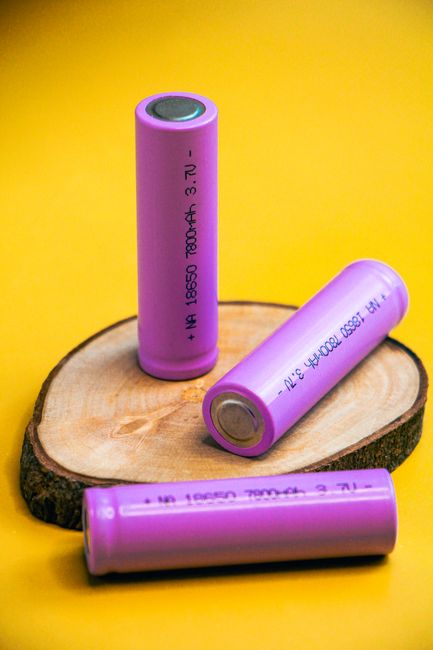
Lithium-Ion Batteries: A Deep Dive into Their Inherent Limitations and Future Outlook
Lithium-ion batteries, the ubiquitous power source for everything from smartphones to electric vehicles, are not without their fundamental limitations. While their energy density and rechargeability have revolutionized portable electronics and transportation, understanding their inherent drawbacks is crucial for continued innovation and responsible adoption. These limitations stem from the very chemistry and materials that define their operation, presenting ongoing challenges for engineers and scientists aiming to improve performance, safety, and sustainability.
One of the most significant inherent limitations of lithium-ion batteries lies in their degradation mechanisms. Over time and with repeated charge-discharge cycles, the electrodes within a lithium-ion battery undergo physical and chemical changes that reduce its capacity and power output. At the anode, typically graphite, lithium plating can occur during rapid charging or at low temperatures. This plating forms metallic lithium dendrites, sharp, needle-like structures that can grow through the electrolyte and separator, potentially leading to internal short circuits and thermal runaway – a dangerous overheating event. Even without dendrite formation, the graphite structure itself can become more disordered, hindering efficient lithium intercalation and deintercalation, thereby reducing the battery’s ability to store and release energy. The Solid Electrolyte Interphase (SEI) layer, a protective film that forms on the anode surface during the initial charging cycles, is another key factor in degradation. While essential for preventing continuous electrolyte decomposition, the SEI layer can grow thicker and become less conductive over time. This increased resistance impedes lithium-ion transport, lowering the battery’s performance and efficiency.
The cathode, often a lithium metal oxide such as lithium cobalt oxide (LCO), lithium nickel manganese cobalt oxide (NMC), or lithium iron phosphate (LFP), also experiences degradation. During charging, lithium ions are extracted from the cathode structure, and during discharging, they are reinserted. Repeated cycling can lead to structural changes within the cathode material, including phase transitions, cation disordering (where cations mix within the crystal lattice), and particle cracking. These alterations compromise the cathode’s ability to host lithium ions and reduce its overall capacity. Furthermore, the electrolyte, typically an organic solvent with dissolved lithium salts, is susceptible to decomposition, especially at elevated temperatures or high voltages. This decomposition can generate gaseous byproducts, leading to cell swelling and further impedance increases. The continuous exposure of electrode materials to the electrolyte, even under optimal conditions, results in parasitic reactions that consume active materials and electrolyte, contributing to the gradual decline in battery performance. This inherent susceptibility to degradation sets a natural limit on the lifespan of lithium-ion batteries, requiring their eventual replacement.
Safety concerns remain a persistent challenge for lithium-ion battery technology, directly linked to their electrochemistry. The high energy density that makes them so attractive also means they store a significant amount of chemical potential energy. Under abnormal operating conditions, such as overcharging, over-discharging, or physical damage, this stored energy can be released rapidly and uncontrollably. As mentioned earlier, thermal runaway is a primary safety hazard. When a lithium-ion battery overheats, a cascade of exothermic reactions can be triggered, leading to rapid temperature increases, gas venting, fire, and even explosion. The organic electrolytes used in most lithium-ion batteries are flammable, exacerbating the fire risk. While sophisticated battery management systems (BMS) are employed to monitor and control charging and discharging to prevent such events, they are not infallible. Manufacturing defects, such as microscopic impurities or misalignments within the cell, can also create internal pathways for short circuits, bypassing the protective measures. The pursuit of higher energy density often involves materials that are inherently less stable, presenting a constant trade-off between performance and safety. This necessitates rigorous testing, stringent quality control, and advanced safety features, adding complexity and cost to the manufacturing process.
The cost of raw materials significantly influences the widespread adoption and affordability of lithium-ion batteries. Lithium itself, while abundant in the Earth’s crust, is not always easily or economically extracted. The primary sources are brine pools and hard rock deposits, both of which involve energy-intensive and environmentally impactful extraction processes. Cobalt, a critical component in many high-performance lithium-ion battery cathodes (like NMC and LCO), is particularly problematic. The vast majority of global cobalt reserves are located in the Democratic Republic of Congo, where mining operations are often associated with significant ethical concerns, including child labor and unsafe working conditions, as well as environmental degradation. The volatile market price of cobalt, influenced by supply-demand dynamics and geopolitical factors, contributes to the overall cost instability of lithium-ion batteries. Nickel is another key cathode material whose price fluctuations can impact battery costs. While lithium iron phosphate (LFP) cathodes avoid cobalt and offer better safety and longevity, they generally have lower energy density, making them less suitable for applications where weight and space are critical. The reliance on these specific, and sometimes scarce or ethically problematic, raw materials presents a fundamental economic and sustainability challenge.
Charging speed limitations are another practical constraint. While charging speeds for lithium-ion batteries have improved dramatically, there are inherent physical and chemical limits to how quickly lithium ions can be inserted into the anode and extracted from the cathode. High charging rates can lead to increased internal resistance, localized heating, and the aforementioned lithium plating at the anode. This plating not only degrades the battery but can also create safety hazards. The rate at which lithium ions can diffuse through the electrode materials and the electrolyte is a bottleneck. Furthermore, the heat generated during fast charging needs to be effectively dissipated to prevent overheating, requiring robust thermal management systems. For applications like electric vehicles, where rapid recharging is essential for user convenience, these limitations translate into longer refueling times compared to internal combustion engine vehicles. While advancements in battery chemistry and cell design are pushing these boundaries, achieving ultra-fast charging without compromising battery health or safety remains a significant engineering challenge.
The environmental impact of production and disposal is a growing concern that cannot be overlooked when discussing the limitations of lithium-ion batteries. The mining of raw materials, as previously discussed, has significant environmental footprints, including water usage, land disruption, and potential for pollution. The manufacturing process for lithium-ion batteries is also energy-intensive, often relying on electricity generated from fossil fuels, thereby contributing to greenhouse gas emissions. Furthermore, the disposal of spent lithium-ion batteries presents a complex waste management challenge. While efforts are underway to improve recycling processes, they are not yet universally efficient or economically viable. Many components of lithium-ion batteries are difficult to separate and recover, and hazardous materials can pose risks if not handled properly. The "urban mining" potential of recovering valuable metals from discarded batteries is significant, but scaling these operations to meet future demand requires substantial investment and technological innovation. The lifecycle impact, from resource extraction to end-of-life management, highlights an area where current lithium-ion technology falls short of true sustainability.
Despite these limitations, research and development in lithium-ion battery technology are relentless, driven by the demand for better energy storage solutions. Innovations in cathode and anode materials are continuously being explored, aiming to improve energy density, cycle life, and safety. Solid-state electrolytes, which replace the flammable liquid electrolyte with a solid material, hold promise for enhanced safety and potentially faster charging, though challenges in manufacturing and ion conductivity remain. Beyond lithium-ion, research into alternative battery chemistries, such as solid-state batteries, sodium-ion batteries, and flow batteries, is gaining momentum. These emerging technologies aim to address specific limitations of lithium-ion batteries, offering potential advantages in terms of cost, safety, resource availability, or performance characteristics for particular applications. The future of energy storage is likely to be a diverse landscape, with different battery technologies optimized for various needs. The inherent limitations of lithium-ion batteries, while significant, are powerful drivers of this ongoing quest for superior energy storage solutions.





Leave a Reply