In the spring of 2024, the University of Wisconsin-Platteville Baraboo Sauk County, affectionately known to locals as "Boo U," officially ceased operations. The closure was not merely a local administrative decision; it was the final act in a rapid, systemic dismantling of the University of Wisconsin’s two-year branch campus network. Over the past three years, the UW system has permanently shuttered eight of its 13 branch campuses, effectively severing a decades-old lifeline that provided affordable, accessible, and high-quality liberal arts education to rural and first-generation students across the state. As these institutions vanish, they leave behind a vacuum that experts warn will create permanent "education deserts," permanently altering the socioeconomic trajectory of rural Wisconsin.
A Chronology of Decline: From Expansion to Consolidation
The decline of the UW branch campuses was neither sudden nor unforeseen. For nearly 60 years, these institutions served as the cornerstone of the "Wisconsin Idea," the Progressive-era philosophy that the boundaries of the university are the boundaries of the state. These campuses were designed to be engines of social mobility, offering an on-ramp for students who could not afford to move to Madison or Milwaukee or who needed the support of a smaller, community-centered environment.
The current crisis traces its roots to a confluence of policy shifts and economic pressures. In 2015, under the administration of then-Governor Scott Walker, the state implemented a series of austerity-driven budget cuts to the UW system, compounded by a long-standing tuition freeze. These measures left the system among the most poorly funded in the nation, forcing individual campuses to rely heavily on enrollment-driven revenue to cover fixed infrastructure and staffing costs.
The death knell for many of these schools was struck in 2017, when the UW Board of Regents approved a sweeping merger that transformed the independent two-year colleges into regional branches of the state’s four-year universities. This move triggered an internal competitive scramble. The smaller, rural branches were forced to compete with their better-resourced, flagship counterparts for a shrinking pool of college-aged students. As demographic shifts led to a smaller high school graduate population in rural areas, the two-year schools saw their enrollment numbers plummet—at the Baraboo campus, for instance, enrollment dropped from over 500 students a decade ago to just 100 in its final year.
The Anatomy of an Education Desert
The consequences of these closures are backed by stark data regarding student behavior. Research led by scholar Nicholas Hillman, a professor at Indiana University and former director of a research lab at UW-Madison, consistently shows that the vast majority of students enroll in institutions within a 20-mile radius of their homes. Proximity is the single most significant predictor of postsecondary enrollment for rural and low-income populations.
When a college closes in a rural county, it creates an "education desert." In these regions, the absence of a local physical campus is not simply a minor inconvenience; it is a structural barrier. Data from across the state indicates that rural student enrollment in the UW system has declined at a rate significantly higher than the state’s overall enrollment trend. This "desertification" means that for many talented students, the dream of higher education is no longer just difficult—it is effectively impossible.
The Shift Toward Vocationalism and the Loss of Liberal Arts
The closure of the campuses coincides with a broader, more ideological shift in the university’s mission. In 2023, former UW President Jay Rothman publicly advocated for a transition away from broad-based liberal arts education toward career-specific, vocational training, particularly at institutions serving low-income student populations. This directive has been mirrored by the elimination of numerous academic programs across the system.
An analysis by student journalists at UW-Madison revealed that of the 82 academic programs cut within the system in recent years, the overwhelming majority were rooted in the humanities and social sciences. Critics, such as Alyssa Ratledge of the research group MDRC, argue that this reflects a utilitarian view of education that prioritizes immediate, narrow "return on investment" over the development of critical thinking and civic engagement.
"Students go to college to explore, to discover who they are, and to gain a foundational understanding of the world," Ratledge notes. "By narrowing the focus strictly to workforce-ready vocational training, we are depriving students of the very tools they need to adapt in a changing economy."

The Human Cost: Case Studies of Resilience and Loss
The impact of these closures is best understood through the experiences of those who relied on these institutions. Alex Stevens, a native of the Upper Peninsula, represents the archetype of the student these colleges were designed to serve. Raised by his grandparents while caring for a disabled mother, Stevens required an educational path that was both geographically accessible and financially viable.
UW-Marinette provided that path. The intimate class sizes and interdisciplinary approach to history allowed him to excel. He transferred to UW-Green Bay after two years with minimal debt and has since become a educator in the very community that provided his start. For Stevens, the campus was not just a building; it was a bridge to a professional life that otherwise would have been blocked by the twin barriers of distance and cost.
"I was rural, poor, and smart," Stevens reflects. "That campus gave me a seat at the table. That avenue is now gone for the next generation of students like me."
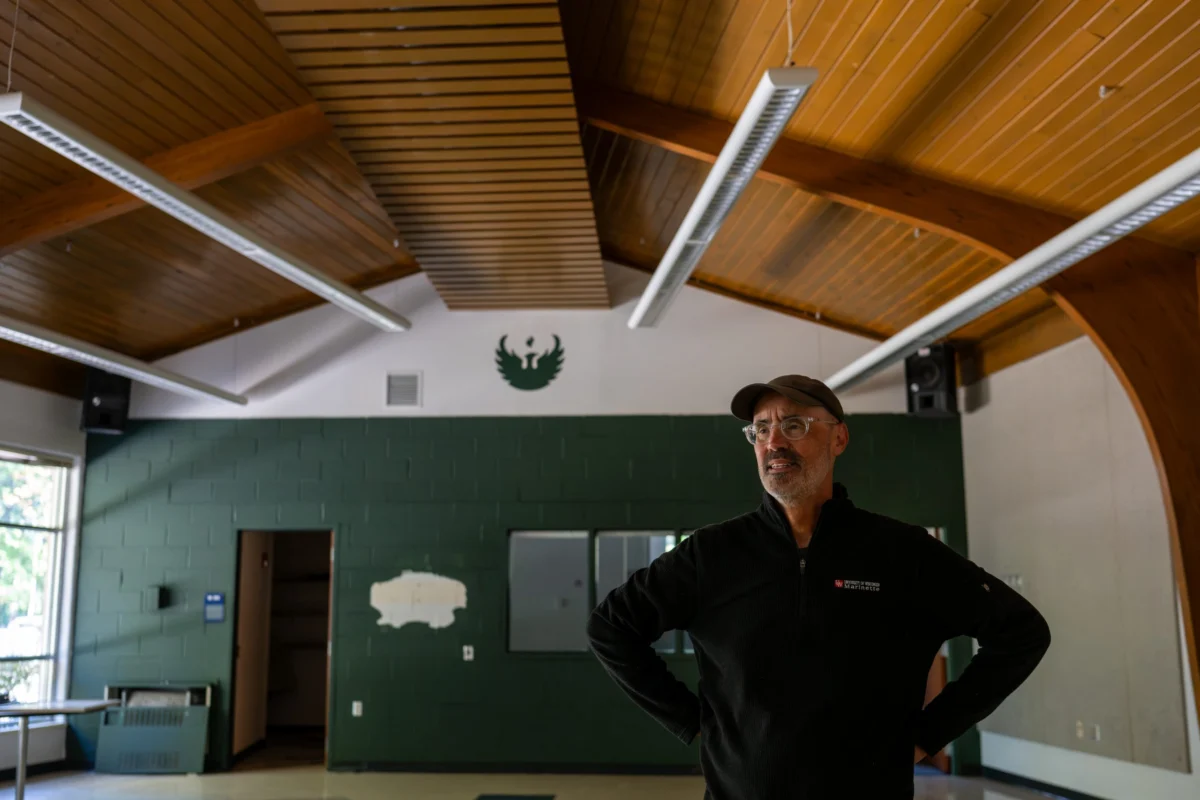
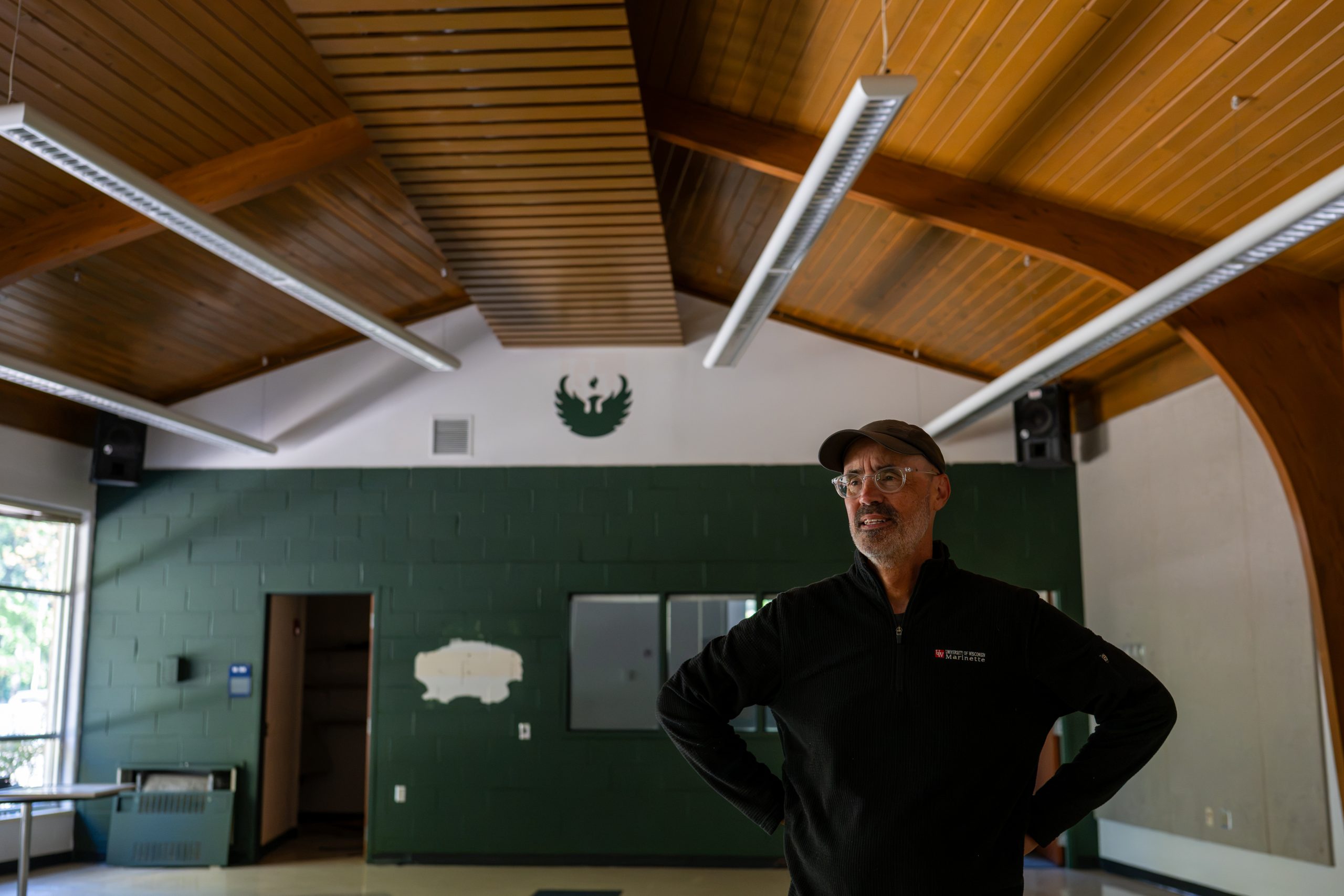
In Marinette, the physical legacy of the college is now largely restricted to the theater arts program, which survives through a precarious mix of private donations and ticket sales. For program director Lauryn Albaugh, the theater is a symbol of what remains when public funding evaporates. However, she serves as one of the last two employees on a campus that is largely mothballed, with maintenance personnel only occasionally visiting the site.
Implications for the Future of Wisconsin
The systemic closure of these campuses raises urgent questions about the future of Wisconsin’s "brain drain" problem. A recent report by the Wisconsin Policy Forum identified that the state suffers from one of the highest rates of young, educated workers leaving for other regions. By limiting access to higher education at the entry level, the state is arguably exacerbating this trend. When rural students are denied the opportunity to begin their academic careers at home, they are less likely to enter the college pipeline at all, thereby reducing the state’s overall talent pool and stifling local economic development.

The loss of these institutions is also a loss for local communities. These campuses were hubs for community theater, continuing education for adults, and public forums. As these buildings are shuttered or repurposed, the communities that once benefited from the "Wisconsin Idea" find themselves isolated from the intellectual and cultural life of the state.
As the state continues to pivot toward a centralized, vocational-focused model, the long-term impact on rural social mobility remains to be seen. However, the early indicators—declining enrollment, the rise of education deserts, and the erosion of the liberal arts tradition—suggest that the state is trading long-term human capital for short-term budget efficiency. The closing of "Boo U" and its counterparts is a definitive chapter in the story of rural America, where the promise of a college degree, once a local reality, is increasingly becoming a luxury accessible only to those with the means to leave home.