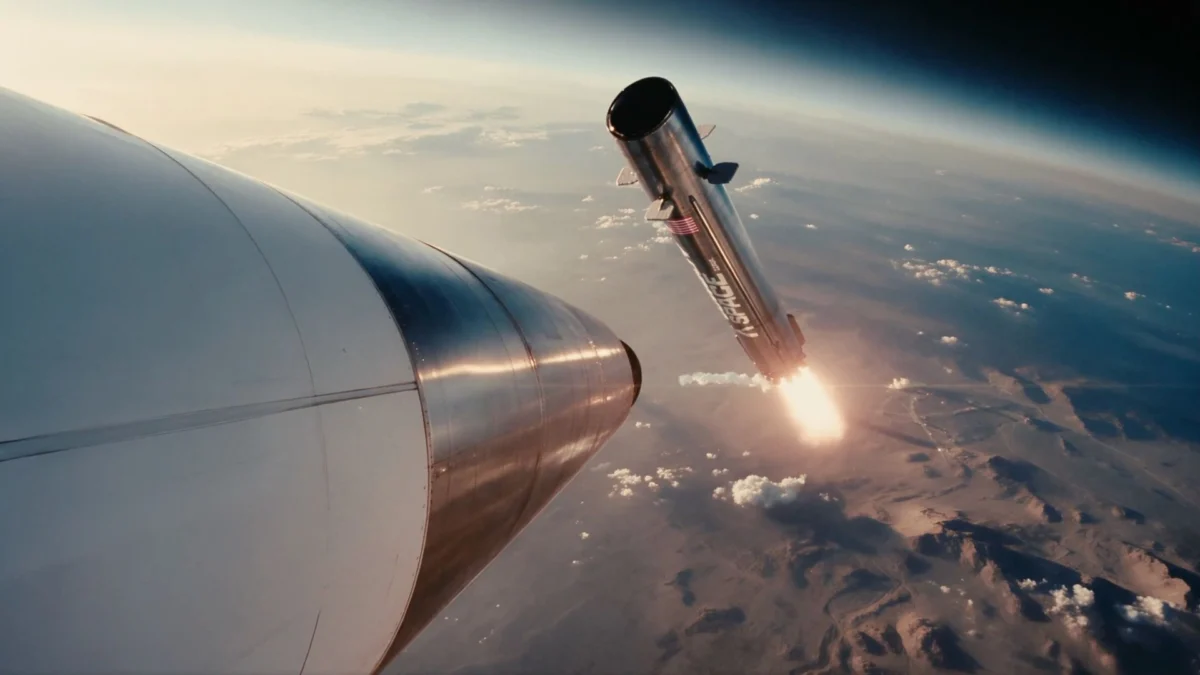
Cowboy Space, the Palo Alto-based aerospace startup led by Robinhood co-founder Baiju Bhatt, has officially pulled back the curtain on its ambitious strategy to redefine space-based infrastructure. During a highly anticipated event held on Monday night, October 26, dubbed "Big Sky Rising," the company introduced its proprietary launch vehicle, the "Big Iron" rocket, and announced a bold plan to deploy a massive constellation of 20,000 AI-powered data center satellites into low Earth orbit (LEO).
This announcement signals a major pivot for the company, formerly known as Aetherflux, which was founded in 2024 with an initial focus on power-beaming technology. By integrating satellite manufacturing with a dedicated, high-cadence launch system, Cowboy Space aims to bypass the limitations of current third-party launch providers, seeking to establish a verticalized infrastructure model that could fundamentally alter the landscape of orbital computing.
The Engineering Vision: A Transformative Rocket System
At the heart of the Cowboy Space strategy is the Big Iron system, a two-stage stainless-steel launch vehicle designed for rapid, frequent access to space. Standing at 282 feet (86 meters) with a diameter of 15.4 feet (4.7 meters), the rocket utilizes the company’s homegrown "Clydesdale" engines. This propulsion system features a nine-engine cluster for the first stage and a single-engine configuration for the upper stage—an architectural nod to the proven success of SpaceX’s Falcon 9 platform.
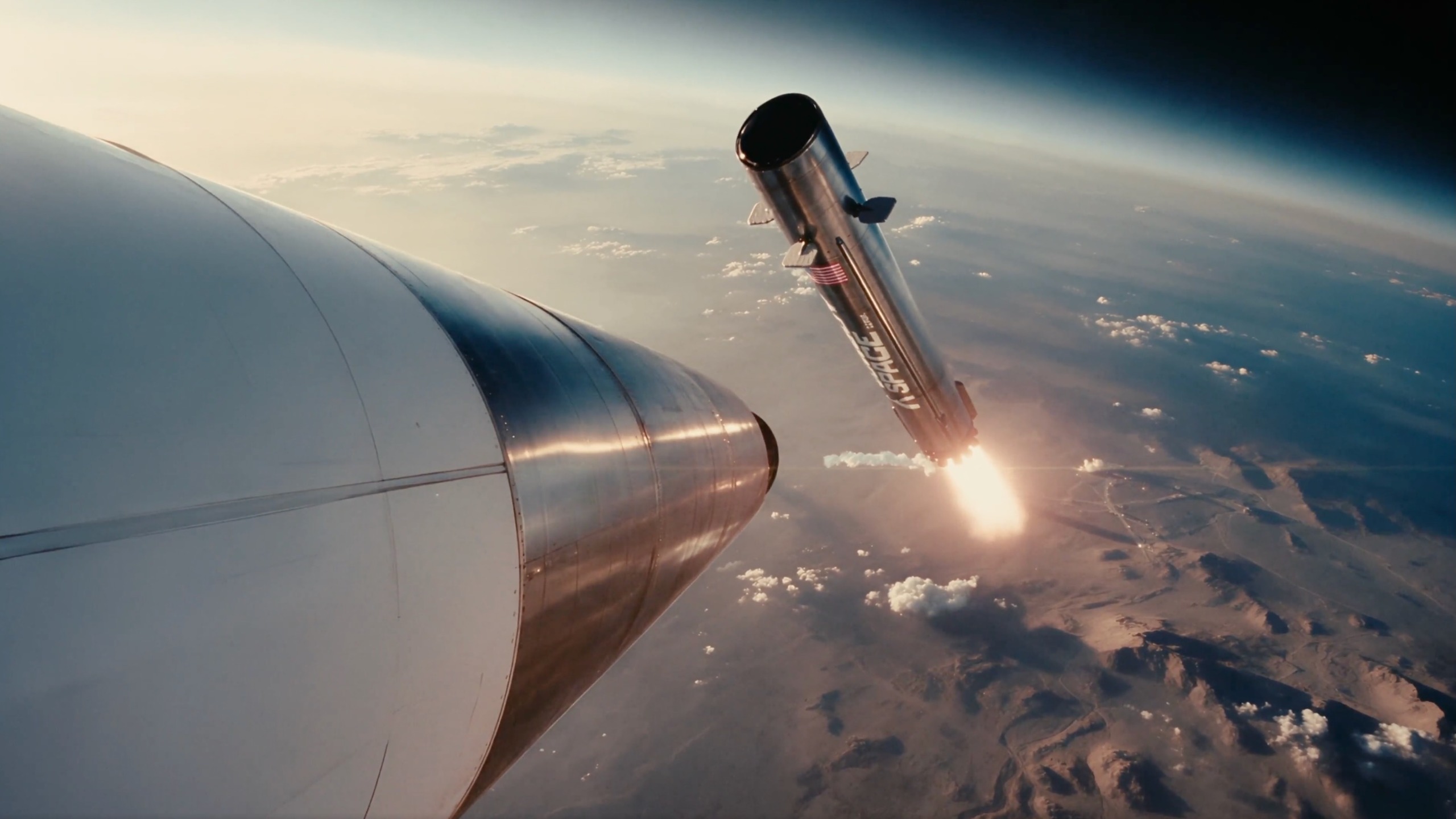
The rocket’s fuel choice, a methalox (liquid oxygen and liquid methane) propellant, aligns the company with the modern industry standard for reusable launch vehicles, including the SpaceX Starship. However, the most distinctive feature of the Big Iron system is its operational lifecycle. Unlike conventional rockets that discard their upper stages as debris or return them for disposal, the Big Iron upper stage is designed to remain in orbit as the satellite itself.
During the launch process, the payload fairing—the protective shell around the satellite—is engineered to serve a secondary, critical function once in orbit: acting as a large-scale radiator to dissipate the immense thermal energy generated by the onboard AI processing units. Once in position, the upper stage unfolds large solar arrays to power five racks of general processing units (GPUs), creating a self-contained, 1-megawatt compute node in space.
The Stampede Constellation: Scaling Orbital Compute
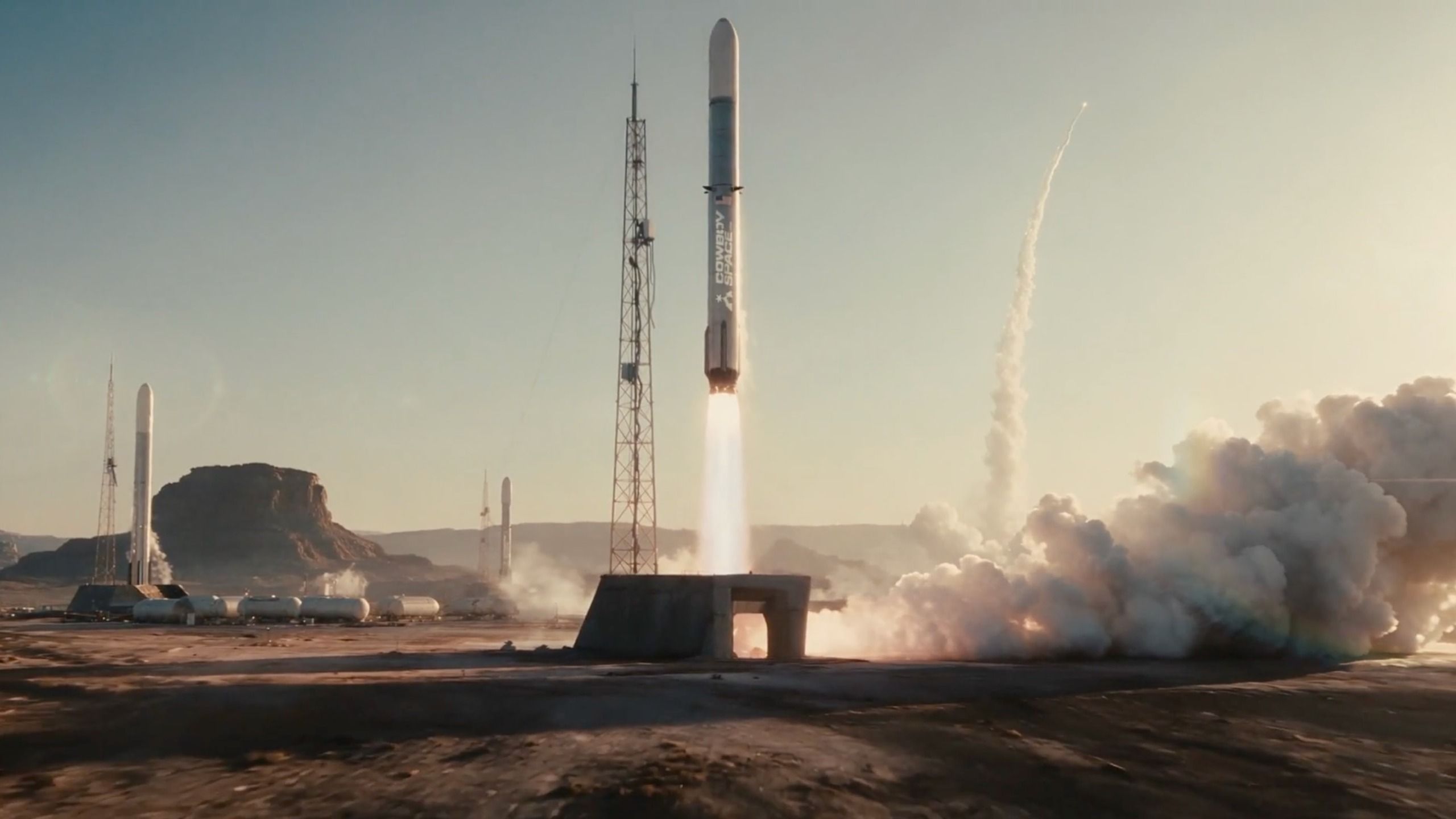
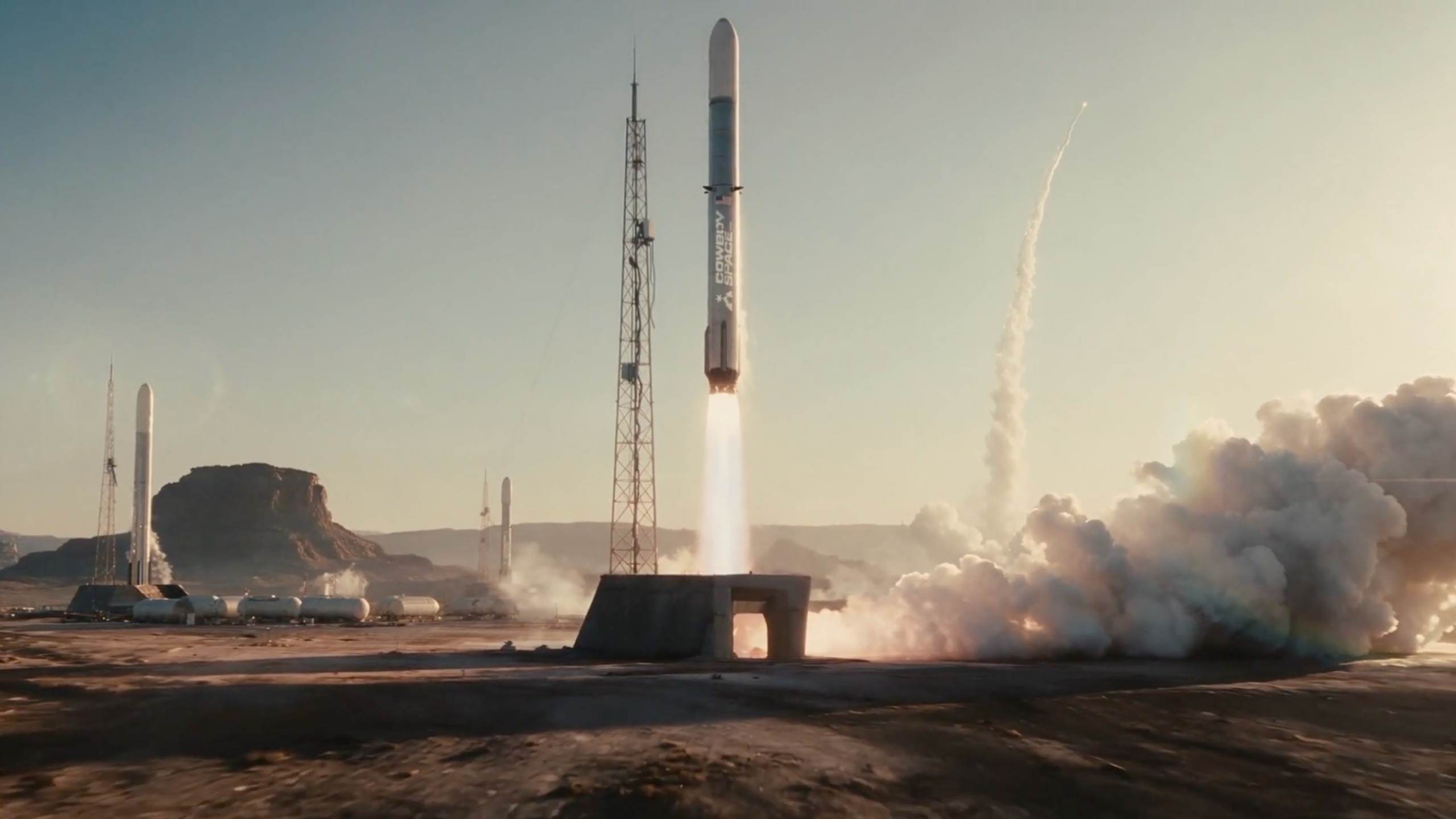
The ultimate objective of this program is the deployment of "Stampede," a 20,000-satellite constellation. To achieve this, Cowboy Space envisions a launch cadence that would be unprecedented in the commercial sector. Because each Big Iron rocket is intended to carry exactly one satellite to orbit, the build-out of the constellation will require 20,000 individual launches. To maintain this network, the company expects to conduct thousands of follow-up launches annually.
To support this volume, Cowboy Space is planning a network of launch complexes, referred to as "Trailheads." Each site is expected to house four active launch mounts. While the company has yet to disclose the geographic locations for these facilities, the infrastructure design suggests a high-throughput, factory-like approach to spaceflight.
Beyond serving its own internal data center needs, the company has confirmed it will provide commercial launch services under the banner "Big Iron Express." By opening its capacity to third-party payloads, Cowboy Space hopes to offset the costs of its massive infrastructure project while solidifying its role as a core logistics provider in the growing space economy.
A Strategic Timeline: From Concept to Reality
The transition from a power-beaming startup to an orbital infrastructure provider has been rapid. The company’s trajectory is marked by several key milestones:
- 2024: Founding of the company under the name Aetherflux, focusing on space-to-Earth energy transmission.
- September 28, 2025: Successful deployment of Reason-1, the company’s first satellite, via a SpaceX Transporter-18 mission. This mission serves as a critical testbed for the optical systems required for high-power data transfer between space and ground stations.
- October 26, 2025: Official announcement of the Big Iron rocket and the Stampede constellation during the "Big Sky Rising" event.
- December 2028 (Projected): Targeted date for the inaugural launch of the Big Iron rocket.
Bhatt acknowledged the aggressive nature of this timeline during his presentation, noting that while the 2028 goal is ambitious, it is essential for an organization aiming to capture the nascent market for orbital AI processing.
Competitive Landscape and Industry Implications
Cowboy Space is entering a space sector increasingly crowded by players seeking to move high-performance computing to orbit. The primary competitor in this space is SpaceX, which has its own plans for an AI-centric "Starmind" constellation. However, there are significant technical differences between the two.
According to data presented at the event, the Cowboy Space "Big Iron" satellites will possess significantly larger compute capabilities than the current designs for Starmind. While a Starmind satellite offers approximately 250 kW of compute power with a 246-foot solar wingspan, the Big Iron platform aims for a full 1 MW, featuring a 433-foot span. This suggests that Cowboy Space is targeting high-intensity, enterprise-grade AI workloads that require substantial power and thermal management—capabilities that current small-satellite platforms struggle to accommodate.
Analysis of the "Space-as-a-Service" Model
The shift toward orbital data centers is driven by the global surge in demand for AI and machine learning compute, coupled with the latency and bandwidth constraints of terrestrial infrastructure. By moving compute closer to the sources of space-based data—such as satellite imagery, weather sensors, and global surveillance networks—companies can process information locally before downlinking only the necessary insights.
However, the Cowboy Space model faces significant regulatory and environmental hurdles. Operating 20,000 satellites requires navigating complex international debris mitigation guidelines and orbital traffic management protocols. Furthermore, the reliance on methalox propulsion and a massive, continuous launch schedule will require rigorous environmental impact assessments and cooperation with national aviation and space authorities.
The company’s focus on power-beaming via the Reason-1 satellite is also a critical component of its long-term viability. Mastering the transmission of power and data through the atmosphere is the "holy grail" for space-based infrastructure. If Cowboy Space can successfully demonstrate that its optical systems can reliably move vast amounts of energy and data, it may solve the most significant technical barrier to scaling orbital data centers.
Official Stance and Future Outlook
During the "Big Sky Rising" event, Bhatt emphasized that the company’s approach is a calculated risk. "It’s a fundamentally novel approach to rocketry in the modern era, in our opinion," he stated. He framed the integration of the rocket’s upper stage as a satellite as a design necessity rather than a gimmick, citing the need for massive, rigid structures to support high-power GPU arrays that would otherwise be difficult to deploy using standard folding mechanisms.
Cowboy Space recently secured $275 million in funding, a testament to investor confidence in the company’s radical, vertically integrated vision. As the company moves from the R&D phase into the heavy engineering required for the Big Iron rocket, the next three years will be decisive. Whether the company can overcome the engineering challenges of a reusable, rocket-to-satellite system while simultaneously managing the logistical nightmare of 20,000 launches remains to be seen.
For now, the aerospace industry is watching closely. If the Stampede constellation reaches even a fraction of its intended scale, it could transform the LEO environment into a high-capacity, space-based server farm, effectively creating a new layer of digital infrastructure that orbits the planet, independent of terrestrial grid constraints or geopolitical boundaries. As of October 2025, Cowboy Space has established itself as one of the most daring, albeit untested, architects of this new, high-altitude industrial age.