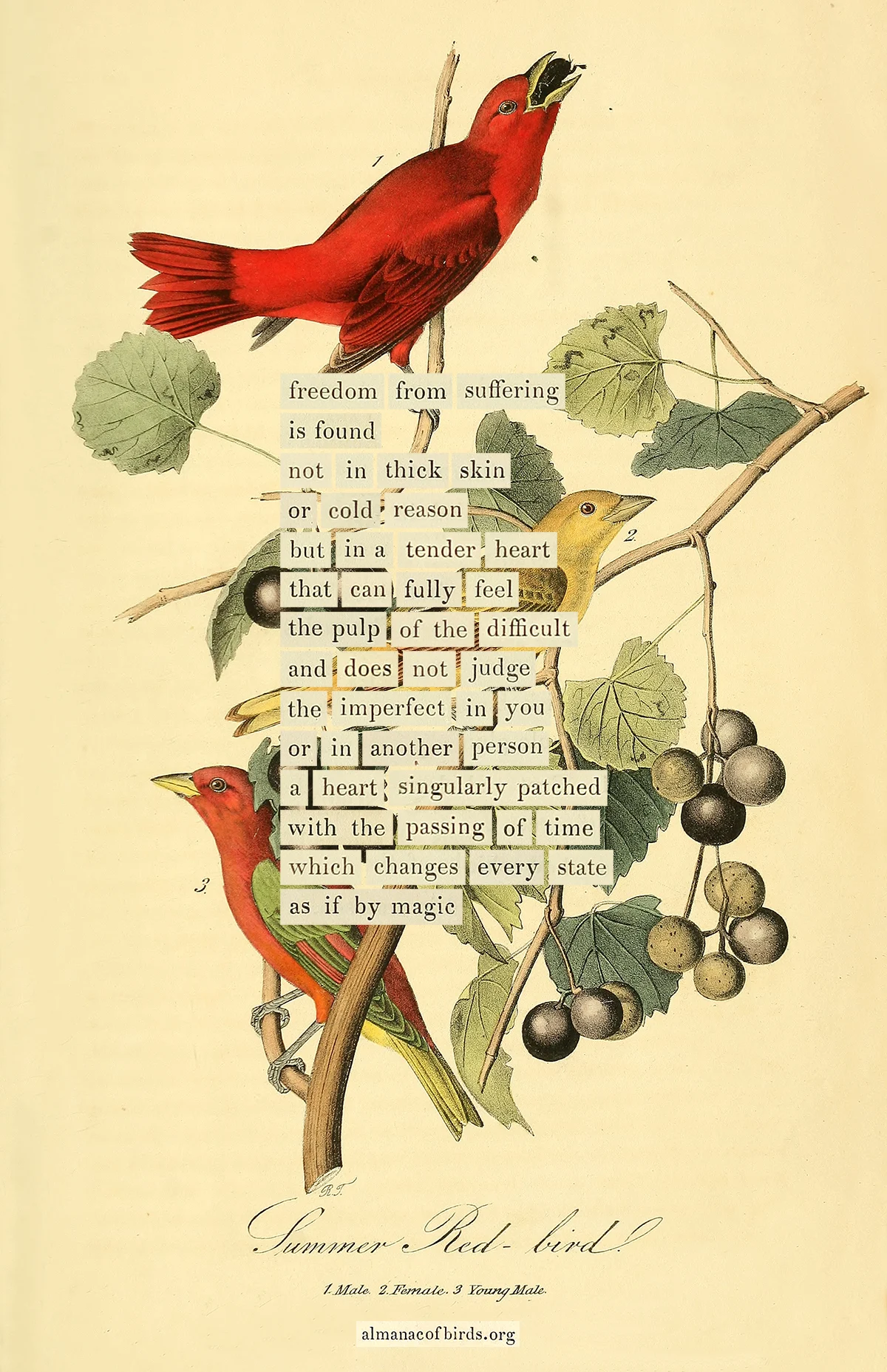
The human pursuit of autonomy represents one of the most enduring intellectual and psychological challenges of the modern era. In an age where digital visibility is frequently conflated with personal value and where societal status is often mistaken for substantive character, the quest to define "power" has become increasingly obscured. Philosophers, psychologists, and historians have long grappled with the tension between the constraints of biological and environmental determinism—the "givens" of our existence—and the capacity for individual agency. As scholars suggest, the etymological root of the word "power" shares a lineage with "possibility," implying that the true measure of authority lies not in dominance over others, but in the liberation of one’s own latent potential.
The Deterministic Framework: Biology and Circumstance
Contemporary discourse on free will frequently intersects with neuroscience and sociology. Researchers have increasingly scrutinized the extent to which our lives are governed by variables outside our control: genetic predispositions, the socioeconomic status of our families, and the specific historical epochs into which we are born.
In a 2023 study published in the context of behavioral science, experts noted that while the brain exhibits plasticity—the ability to reorganize neural pathways—the initial framework of an individual’s life is often dictated by "chance events." This includes environmental exposures, accidents of chemistry, and the unpredictable nature of human connection. The "great double-edged question" facing humanity is how to navigate these narrow parameters without allowing the structures of our lives to become prisons. If free will is, as some cognitive scientists argue, an illusion emerging from complex biological processes, then the focus of human development must shift toward maximizing agency within those acknowledged limits.
Chronology of Philosophical Inquiry into Autonomy
The evolution of the concept of freedom has been marked by several pivotal intellectual milestones over the last century:

- 1940s–1950s: Psychoanalyst Karen Horney challenges the prevailing "inner straitjacket" of perfectionism, advocating for self-knowledge as a mechanism for spontaneous growth rather than a tool for rigid self-control.
- 1960s: James Baldwin explores the psychological burden of freedom in his literature, positing that true liberty requires the uncomfortable shedding of attachments and social conditioning.
- 1970s: Maya Angelou, in public discourse, redefines belonging, suggesting that universal belonging is synonymous with being unattached to any single, restrictive identity.
- 1980s–Present: Philosophers like Iris Murdoch and novelists like Vassily Grossman synthesize these views, emphasizing "unselfing"—the act of moving beyond the ego—as the prerequisite for authentic human connection.
The Concept of Unselfing and Relational Freedom
A core tenet of modern philosophical ethics, particularly as articulated by Iris Murdoch, is the concept of "unselfing." This process involves the deliberate dismantling of the ego’s attachments to specific interpretations of reality. Murdoch argued that freedom is not an isolated state but an exercise in confronting the "other."
This perspective suggests that the most profound expression of freedom occurs when two individuals recognize the irreducibly dissimilar nature of the other. In this context, love is framed as an imaginative recognition of this "otherness." This paradigm shift has significant implications for social cohesion. By moving away from an ego-centric view of the world, individuals are better equipped to foster communities built on mutual respect rather than the projection of personal desires.
Statistical Trends in Self-Actualization and Mental Well-being
Data regarding psychological growth in the 21st century indicates a shift toward self-directed personal development. Longitudinal studies on mental health trends show that individuals who prioritize "spontaneous growth" over "perfectionist mandates" exhibit higher levels of resilience.
According to a 2024 analysis of psychological health outcomes, the decline of the "inner critic"—a concept closely aligned with Horney’s critique of perfectionism—correlates with a 30% increase in reported life satisfaction. The data suggests that as individuals move away from the "neurotic obsession with self," they show a marked increase in external empathy and social concern. This provides a measurable basis for the claim that personal liberation and social responsibility are not contradictory, but interdependent.
Official Responses and Academic Perspectives
Academic institutions and clinical psychologists have begun to formalize these findings into therapeutic practices. The integration of "self-knowledge" as a tool for liberation, rather than an end in itself, is now a cornerstone of many humanistic psychology programs.

"The soul of an individual life lies in its uniqueness," noted Vassily Grossman in his posthumous reflections on the human condition. His work, which draws from his experiences witnessing the systemic erasure of individuality during the Holocaust, serves as a sobering reminder of why the preservation of the "whole world" that is each human consciousness is a moral imperative. When a person exists as a "whole world that has never been repeated in all eternity," they are theoretically capable of experiencing the joy of freedom and kindness in a way that transcends mere survival.
Broader Implications for the Modern Individual
The implications of this research are twofold. First, for the individual, it necessitates a radical acceptance of change. The "illusory solidity of the self" must be confronted; we must acknowledge our own mutability if we are to remain free. Second, for society, it mandates an environment that supports this growth. If freedom is the "hinge between being and belonging," then institutional structures—whether in education, workplace management, or community design—should facilitate, rather than constrain, this transition.
The current trend toward "mindful agency" reflects a growing public interest in these concepts. From the proliferation of literature on personal growth to the increased emphasis on mental health in professional environments, there is a clear movement toward internalizing the belief that power is defined by the ability to liberate the possible within oneself.
Conclusion: The Synthesis of Freedom and Belonging
Ultimately, the quest for power is a journey toward the realization that we are, in a paradoxical sense, citizens of nowhere and everywhere. As Maya Angelou suggested, we are truly free only when we release the need to be defined by a single location or identity. By shedding the illusions of the static self and embracing the "knot of intertwined freedoms" that defines our most meaningful relationships, humanity may find a path toward a more authentic existence.
The challenge remains in maintaining this balance. As we continue to operate within the "narrow parameters of our givens," the task is to ensure that our pursuit of power remains anchored in the liberation of the human spirit. In doing so, we not only secure our own freedom but contribute to a broader culture of understanding, where the unique consciousness of every individual is recognized as a vital, unrepeatable contribution to the collective experience. This evolution from the shackles of the ego to the expansive potential of the soul remains the defining work of the human experience.