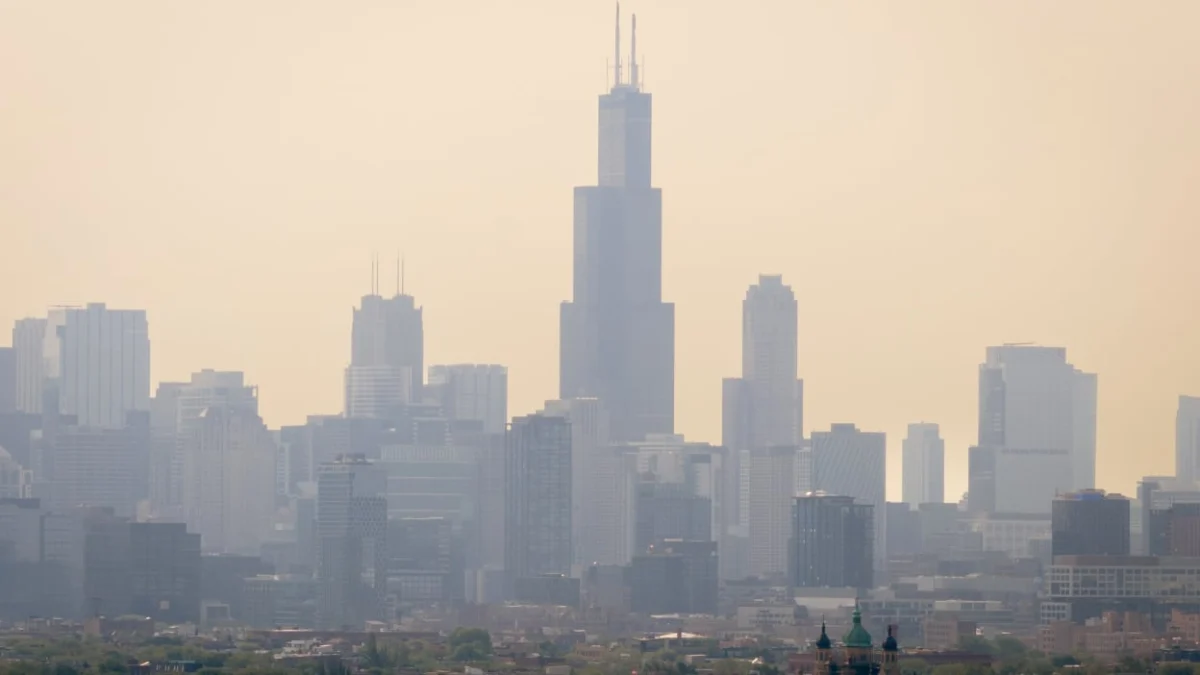
In an era where personal well-being is increasingly prioritized, from fitness trackers to nutritional supplements, the fundamental act of breathing often goes unexamined. However, as the global climate crisis continues to intensify, fueling more frequent and severe wildfire seasons, the quality of the air we inhale—even within our homes—demands critical attention. While the pervasive outdoor smog remains largely beyond individual control, advancements in home technology offer a vital defense: the air purifier. This comprehensive guide, informed by extensive hands-on testing by Mashable writers in their own living spaces, explores the leading air purifiers specifically designed to combat the insidious threat of wildfire smoke, offering a crucial layer of protection for every household.
Understanding the Threat: Wildfire Smoke and Its Health Implications
Wildfire smoke is a complex mixture of gases and fine particles, produced by burning trees, plants, and other materials. Far from being an exclusively outdoor hazard, this particulate matter, alarmingly small—20 to 30 times finer than a human hair—possesses the ability to infiltrate indoor environments through microscopic cracks, poorly sealed windows and doors, and even ventilation systems. Modern air purifiers equipped with advanced sensors frequently monitor indoor air quality, providing real-time data on PM2.5 (particulate matter less than 2.5 micrometers in diameter) levels, offering a stark reminder of the invisible pollutants present.
Beyond wildfire events, indoor air is often compromised by a range of contaminants. Common household activities such as cooking, using cleaning products, and even the presence of pet dander or dust laden with microplastics contribute to a persistent baseline of indoor air pollution. This ongoing challenge underscores the necessity of continuous air purification, regardless of external environmental conditions or individual predispositions to allergies.

Just How Bad is Wildfire Smoke for Our Health?
The health consequences of inhaling wildfire smoke are extensive and impact everyone, not solely those categorized as "sensitive groups." According to the U.S. Centers for Disease Control and Prevention (CDC), repeated exposure can lead to acute symptoms such as breathing difficulties, persistent coughing, wheezing, headaches, and lethargy.
More concerning are the long-term implications. The microscopic nature of smoke particles allows them to penetrate deep into the respiratory system and, critically, enter the bloodstream. Yale Medicine highlights that once in the bloodstream, these particles can access vital organs, including the heart and liver. Prolonged exposure to PM2.5 has been linked to an elevated risk of severe health issues, including certain cancers, heart attacks, and cognitive impairments. Furthermore, particulate matter can compromise the skin barrier and induce oxidative stress, potentially undermining even the most diligent skincare routines.
Certain demographics face heightened risks. Individuals with pre-existing conditions such as asthma, heart disease, or diabetes are particularly vulnerable to severe reactions. Children and pregnant individuals are also identified as high-risk groups due to their developing or compromised physiological systems.
The impact extends to our animal companions as well. The American Veterinary Medical Association (AVMA) advises that if humans can perceive or feel the effects of smoke, pets are likely experiencing them too. Wildfire smoke can cause eye irritation, respiratory distress, and long-term damage to their delicate respiratory systems, especially in pets with existing cardiovascular or respiratory ailments.

The Science of Clean Air: How Air Purifiers Work
The primary mechanism by which air purifiers combat indoor air pollution involves drawing in ambient air and passing it through a multi-stage filtration system. The cornerstone of most high-quality air purifiers is the High-Efficiency Particulate Air (HEPA) filter.
HEPA Filters and Their Efficacy
A true HEPA filter is engineered to capture 99.97% of airborne particles as small as 0.3 microns. This remarkable efficiency is crucial for removing a wide spectrum of invisible pollutants, including wildfire smoke, cigarette smoke, industrial pollution, pollen, dust mites, and pet dander. The EPA attests to the effectiveness of HEPA technology in improving indoor air quality.
Complementary to the HEPA filter are several other filtration stages:
- Pre-filters: These are typically mesh screens with a coarser weave, designed to capture larger particles such as dust, lint, and pet hair. Their role is critical in protecting the more delicate HEPA filter from premature clogging, thereby extending its lifespan and maintaining optimal performance.
- Activated Carbon Filters: These filters are composed of highly porous activated carbon, which excels at adsorbing gases, odors, and volatile organic compounds (VOCs). They are particularly effective at neutralizing smoke odors, cooking smells, and chemical fumes from cleaning products.
- Specialized Filters: Some purifiers offer additional filters tailored for specific pollutants, such as enhanced smoke filters or anti-bacterial layers.
Understanding Particulate Matter (PM) and CADR
When evaluating air purifiers, two key metrics are often cited: Particulate Matter (PM) and Clean Air Delivery Rate (CADR).

- Particulate Matter (PM): As discussed, PM refers to microscopic solid or liquid particles suspended in the air. PM10 (particles up to 10 micrometers in diameter) includes dust, pollen, and mold spores. PM2.5 (particles up to 2.5 micrometers in diameter) is particularly dangerous because its small size allows it to be inhaled deeply into the lungs and enter the bloodstream. To contextualize, a single human hair measures between 50 and 70 microns in diameter, making PM2.5 particles virtually invisible.
- Clean Air Delivery Rate (CADR): This metric, established by the Association of Home Appliance Manufacturers (AHAM), quantifies how quickly an air purifier removes pollutants from a room. Measured in cubic feet per minute (CFM), CADR ratings typically cover smoke, pollen, and dust. A higher CADR indicates faster purification for a given room size. For optimal performance, experts recommend choosing an air purifier with a CADR that is at least two-thirds the square footage of the room it will serve.
The Escalating Wildfire Crisis: A Chronology of Concern
The year 2026 marks another challenging chapter in the ongoing narrative of intensifying wildfire seasons, a direct consequence of global climate change. Over the past decades, regions across North America, Australia, and parts of Europe have witnessed an alarming increase in the frequency, scale, and intensity of wildfires. Historic seasons in California, the Pacific Northwest, and Canadian provinces have become a recurring phenomenon, regularly blanketing vast geographical areas in thick, hazardous smoke, sometimes extending thousands of miles from the ignition source.
This escalating crisis has fundamentally shifted public perception and policy regarding indoor air quality. What was once considered a niche concern for allergy sufferers has evolved into a widespread public health imperative. Governments and public health organizations now routinely issue air quality advisories and provide guidance on mitigating indoor exposure during smoke events. The economic implications are substantial, encompassing healthcare costs for respiratory illnesses, property damage, and significant disruptions to daily life and commerce. The demand for effective indoor air purification solutions has, therefore, surged, reflecting a societal adaptation to a new environmental reality.
Expert Recommendations and Official Guidelines
In response to the growing threat, leading health and environmental agencies consistently advocate for proactive measures to safeguard indoor air quality.
The Environmental Protection Agency (EPA) strongly recommends keeping windows and doors closed during wildfire smoke events. Despite these precautions, infiltration is inevitable, making portable air purifiers a critical tool for reducing harmful indoor particulate matter. The EPA emphasizes the efficacy of true HEPA filters in capturing 99.97% of particles as small as 0.3 microns, including those found in wildfire smoke.

The U.S. Centers for Disease Control and Prevention (CDC) echoes these recommendations, particularly highlighting the vulnerability of children and pregnant individuals. They advise the use of portable air cleaners with HEPA filters as a key strategy to protect these high-risk groups indoors.
Furthermore, specialized certifications, such as the Asthma and Allergy Friendly Certification issued by the Asthma and Allergy Foundation of America (AAFA), provide an additional layer of assurance. Products bearing this certification have undergone rigorous independent testing to demonstrate their ability to reduce allergens and irritants in the air, a valuable indicator for consumers seeking robust purification capabilities against various airborne threats.
Mashable’s Tested Picks: A Comprehensive Guide to Indoor Air Solutions
Our team at Mashable has rigorously tested a selection of leading air purifiers, prioritizing models equipped with true HEPA filters and evaluating them based on their effectiveness against wildfire smoke, filter longevity, room coverage, and operational noise levels. Here are our top recommendations:
Coway Airmega Mighty
Best Overall Performer for Smoke Filtration

For years, Coway has maintained its reputation as an industry leader in air purification, and the Airmega Mighty exemplifies why. This powerhouse unit is capable of purifying a substantial 1,748 square feet and boasts a comprehensive four-stage filtration system. It incorporates a true HEPA filter for ultra-fine particulate capture, an activated carbon filter to neutralize odors, and a pre-filter to trap larger debris, extending the life of the primary HEPA filter. The Airmega Mighty truly distinguishes itself with its optional, upgraded Intense Smoke Filter. While purchased separately, these specialized filters are engineered and third-party tested specifically to tackle harmful pollutants from wildfire smoke. This dual-filtration approach—combining a robust HEPA filter with a dedicated wildfire smoke filter—makes the Coway Airmega Mighty an indispensable investment for individuals with asthma or other respiratory sensitivities living in wildfire-prone regions.
Shark NeverChange Air Purifier Max
Ideal for Large, Open-Concept Spaces with Minimal Maintenance
When seeking extensive purification for open-concept layouts encompassing multiple rooms, the Shark NeverChange Air Purifier Max stands out. Designed to clean areas up to 1,400 square feet, its signature feature is the NeverChange HEPA filter, which can last for an impressive five years before requiring replacement, representing a significant long-term value. The system also includes two easily removable and vacuum-cleanable pre-filters, which prevent larger particles from prematurely clogging the main HEPA filter. The Shark NeverChange Max integrates Shark’s Clean Sense IQ technology, providing real-time air quality analysis as a clear percentage readout and a color-coded indicator. In auto mode, the purifier intelligently adjusts its fan speed to maintain optimal indoor air quality. Our testing revealed this percentage display to be particularly useful, offering immediate feedback on air quality fluctuations, such as those caused by cooking activities in a kitchen with poor ventilation.
Levoit Core 300P
The Best Value for Single Room Purification

The Levoit Core 300P has consistently ranked as one of the most popular air purifiers on major retail platforms like Amazon, and its widespread appeal is easily understood: it delivers exceptional performance at an accessible price point. With nearly 110,000 purchases and overwhelmingly positive five-star reviews, this Levoit HEPA air purifier is an undeniable choice for simple, effective, unbox-and-go purification in a single room, often available for under $100. Several Mashable team members, including Digital Culture Editor Crystal Bell, endorse the Core 300P, praising its compact design relative to its coverage area. Measuring just 14.2 inches tall and under nine inches in diameter, it functions equally well as a floor or tabletop unit and is lightweight enough for easy relocation between rooms as needed.
Shark NeverChange Air Purifier Compact Pro
Excellent for Personal Spaces and Quiet Operation
For smaller environments such as bedrooms, offices, or dorm rooms, the Shark NeverChange Air Purifier Compact Pro offers an ideal solution. Its aesthetically pleasing, almost robotic design, available in several attractive colorways, is a welcome addition to any personal space. Engineered to filter air in rooms up to 250 square feet, this model shares the Max version’s advantage of a HEPA filter that lasts up to five years, translating into considerable long-term savings on replacement filters. The Compact Pro also features Shark’s CleanSense IQ display, which provides air quality readings as a precise percentage, a feature preferred by our testers over simpler color-coded systems. During testing, the Compact Pro proved remarkably quiet, often requiring a check to confirm it was running, making it perfect for nightstands. Its only minor drawback is the absence of a dedicated carrying handle, making transfers between locations a slight inconvenience.
Dreame FP10 (FurCatcher)
The Ultimate Solution for Pet Owners

Pet owners understand the unique challenge of maintaining clean air amidst constant shedding. Pet fur can rapidly clog traditional HEPA filters, severely impeding their ability to effectively filter even microscopic particulate matter. The Dreame FP10 addresses this directly with its innovative Furcatch roller system, which actively cleans its own filter. As pet hair is drawn into the unit, a built-in "ChomChom" mechanism flicks back and forth to dislodge hair from the filter, preserving optimal airflow. The HEPA filter itself rotates within the cylindrical unit, ensuring 360-degree filtration. Our testing revealed that the FP10’s air quality tracker within its companion app consistently showed no loss of effectiveness over several months, a testament to the system’s ability to manage pet hair, and Dreame claims the filter can last up to two years. Its subtle white noise output, even in "Pet Purify" mode, is tolerable, making it suitable for living rooms. Thoughtfully designed for pet households, its flat, canvas top can support up to 33 pounds, and its bottom-heavy construction prevents accidental tipping, acknowledging that cats, in particular, often seek out elevated perching spots.
Levoit Sprout Air Purifier
Best Multi-Functional Air Purifier for Nurseries and Children’s Rooms
The Levoit Sprout Air Purifier introduces a suite of "cool" features typically reserved for children’s products, yet its utility extends to any adult bedroom. This innovative device combines a powerful air purifier with a built-in nightlight and a speaker that plays white noise—a dream combination for parents. Given that children are particularly susceptible to the adverse effects of wildfire smoke, and both the CDC and EPA recommend portable air cleaners for their safety, the Sprout’s four-filter system (a three-stage pre-filter and a HEPA filter) is invaluable. A significant advantage of the Levoit Sprout is its superior air quality metrics and sophisticated app. Unlike many purifiers that offer basic color-coded or percentage readouts, the Sprout provides real-time data on CO2 levels, Total Volatile Organic Compounds (TVOCs), PM 1.0, PM 2.5, and PM10, along with room temperature and humidity charts. The app allows for comprehensive control over the nightlight’s brightness and color warmth, selection from five pre-set white noise options, and scheduling. While clearly designed for nurseries, its features—such as a gentle nightlight for late-night trips or calming ocean sounds—offer undeniable benefits for adults too.
Blueair ComfortPure 3-in-1 (T10i)
Premium Multi-Functional Purifier with Smart Home Integration

For those seeking an air purifier that offers year-round utility beyond wildfire season, the Blueair ComfortPure 3-in-1 presents a compelling option. Functioning as an air purifier, fan, and heater, this unit consistently delivers air with 99.97% of particles removed, including smoke, across all modes. During testing, its thoughtful design details, such as a convenient carrying handle and a magnetic closure system for filter access, were highly appreciated. The Blueair app enhances the user experience, offering a wealth of features, control options, and even a geofencing function that can activate the purifier when you are 15 minutes from home. The app also tracks outdoor air quality, providing valuable context for indoor purification decisions. Aesthetically, the Blueair ComfortPure earns high marks for its modern and minimalist design, allowing it to seamlessly integrate into contemporary home decor.
LG PuriCare AeroTower Air Purifier
Stylish, Certified, and Fast-Acting for Comprehensive Coverage
While functionality is paramount, the LG PuriCare AeroTower Air Purifier proves that superior performance can coexist with elegant design. Its sleek, tower-like silhouette not only adds a modern aesthetic to any room but also occupies minimal floor space. In terms of air purification, LG delivers significant advantages. The unit features a pre-filter for larger particles, followed by a NanoFiber True HEPA Filter, which LG states captures 99.97% of particulate matter, including smoke. An activated carbon deodorizer filter efficiently removes unwanted odors, such as cooking smells. A standout feature is its Asthma and Allergy Friendly certification from the Asthma and Allergy Foundation of America, a rare endorsement that underscores its robust filtration capabilities. In a typical 185-square-foot room, the PuriCare AeroTower achieves four complete air changes per hour, purifying the air in just 15 minutes—reassuring performance during periods of elevated wildfire smoke. The intuitive LCD display, included remote control, and integration with LG’s ThinQ App offer comprehensive control and access to real-time air quality, temperature, and humidity data. Furthermore, its ability to heat a room with 140-degree oscillation ensures its usefulness extends far beyond just air purification, making it a versatile appliance for all seasons.
Choosing the Right Air Purifier: Key Considerations
Selecting the ideal air purifier involves more than just picking a popular model. Several factors should guide your decision to ensure optimal protection and satisfaction:

- Room Size and CADR: Match the purifier’s recommended coverage area and CADR rating to the specific room you intend to purify. An undersized unit will struggle to effectively clean the air in a larger space.
- Filter Type and Longevity: Prioritize models with true HEPA filters. Consider the presence of activated carbon filters for odor removal and pre-filters to extend the life of the HEPA filter. Evaluate the replacement frequency and cost of filters, as some brands offer longer-lasting solutions.
- Noise Level: Air purifiers often run continuously, so a quiet operation is essential, especially for bedrooms or offices. Look for models that specify low decibel levels on their lowest fan settings.
- Smart Features and AQI Sensors: Real-time air quality monitoring (PM2.5, VOCs, etc.), auto mode functionality, app control, and smart home integration enhance convenience and effectiveness.
- Specific Needs: If you have pets, look for models designed to handle pet dander and hair. For nurseries, multi-functional units with nightlights and white noise can be advantageous. Individuals with severe allergies or asthma should seek out certified models.
Beyond the Purifier: Complementary Indoor Air Strategies
While air purifiers are a powerful defense, they are most effective when integrated into a broader strategy for maintaining healthy indoor air quality:
- Seal Your Home: During smoke events, ensure windows and doors are tightly closed. Consider weatherstripping and sealing cracks to minimize smoke infiltration.
- Avoid Indoor Pollutants: Refrain from burning candles, using fireplaces, or smoking indoors, as these activities generate additional particulate matter. Minimize the use of aerosol sprays and strong cleaning chemicals.
- Regular Cleaning: Dusting with a damp cloth and vacuuming with a HEPA-filtered vacuum cleaner can help reduce settled particulate matter that can become airborne.
- HVAC Filters: Ensure your home’s HVAC system uses high-efficiency filters (MERV 13 or higher) and replace them regularly.
Conclusion
As wildfire seasons become an increasingly prominent fixture of our global climate, the ability to control and purify the air within our homes has transitioned from a luxury to a necessity. The comprehensive testing and analysis presented here underscore the critical role of advanced air purifiers in safeguarding health against the invisible threats of smoke and other indoor pollutants. By understanding the science of air purification, recognizing the health implications of poor air quality, and selecting the right device tailored to specific needs, individuals can proactively create healthier, safer indoor environments for themselves, their families, and their pets. Investing in a high-quality air purifier is not merely a purchase; it is an essential component of modern home health management, ensuring that the fundamental act of breathing remains a source of vitality, not a cause for concern.