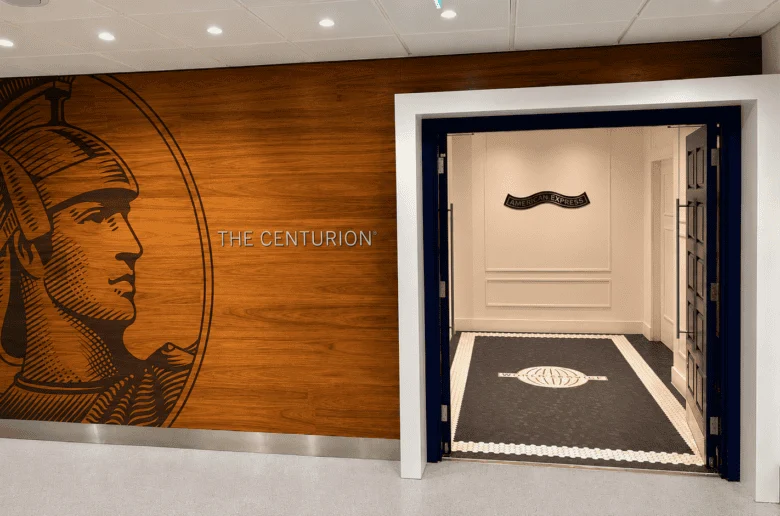
The American Express Centurion Lounge at London Heathrow Airport (LHR) Terminal 3 represents a significant pillar in the financial giant’s global strategy to capture the loyalty of high-net-worth travelers. Since its inauguration in October 2021, the facility has served as the first proprietary Centurion Lounge in Europe, marking a departure from the brand’s previous reliance on third-party lounge partnerships in the region. As international travel volumes at Heathrow return to and exceed pre-pandemic levels, the lounge’s operational efficiency, guest policies, and value proposition have come under increased scrutiny from both industry analysts and frequent flyers.
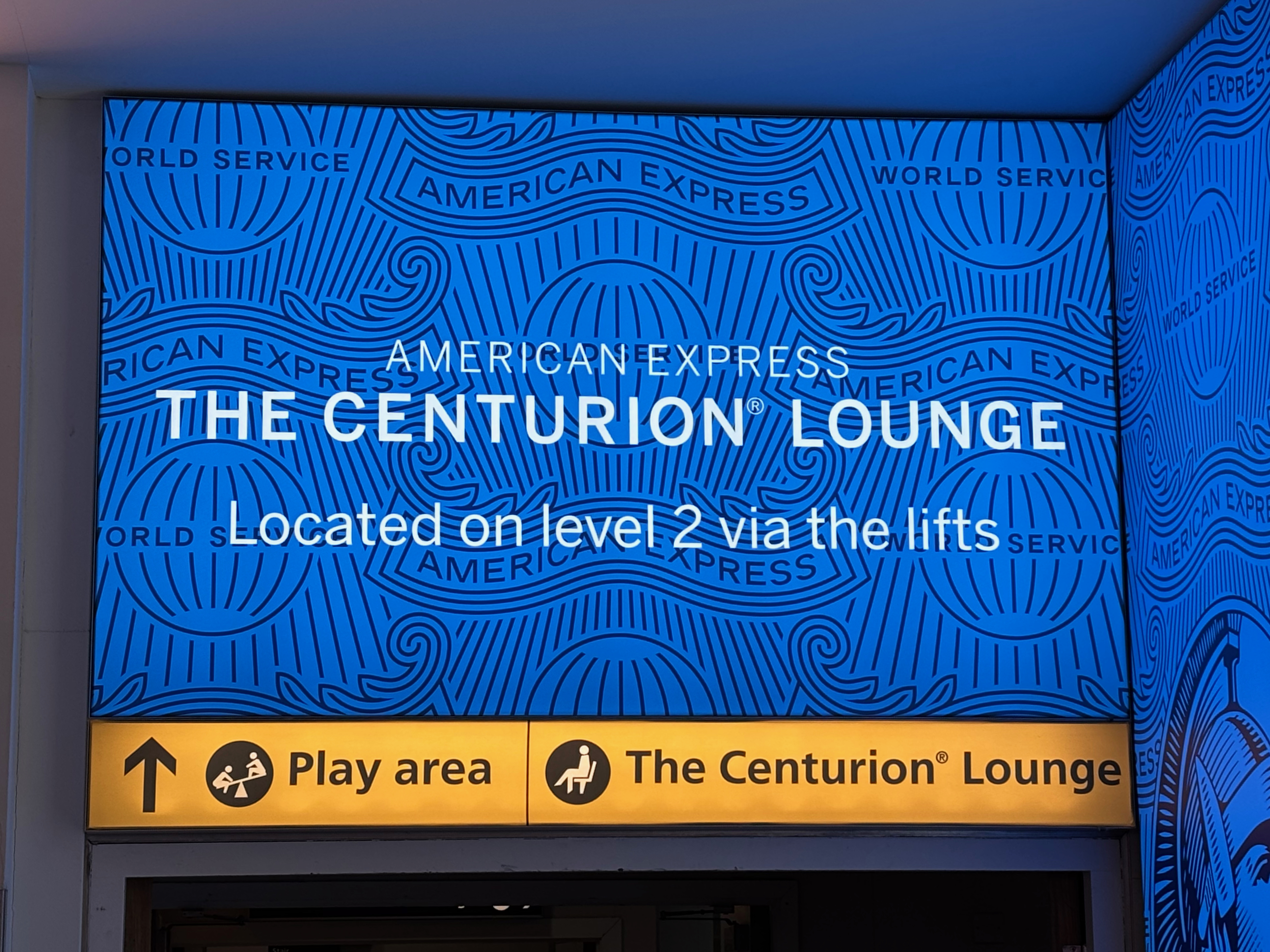
Located in the post-security departures area of Terminal 3, specifically on Level 2 in Area A, the lounge occupies a strategic position within one of the world’s busiest aviation hubs. Terminal 3 is a critical node for long-haul carriers, including Virgin Atlantic, Delta Air Lines, Cathay Pacific, and Emirates, making it a high-traffic zone for the exact demographic American Express seeks to retain: the premium international traveler.
Strategic Significance and Historical Context
The opening of the London Heathrow location was a landmark event for American Express’s Global Lounge Collection. Prior to 2021, the Centurion brand was largely a domestic U.S. phenomenon, with locations in major hubs like New York (JFK), Dallas/Fort Worth (DFW), and San Francisco (SFO). By establishing a 7,000-square-foot footprint in London, American Express signaled its intent to compete directly with airline-operated lounges and independent providers like the No1 Lounge group and Priority Pass networks.
The timing of the lounge’s debut was noteworthy. Launching during the recovery phase of the COVID-19 pandemic, the facility was designed with modern travel sensibilities in mind, including a focus on hygiene, personal space, and high-speed connectivity. However, as global travel surged in 2023 and 2024, the lounge has faced the same challenge plaguing many premium spaces: overcrowding. The facility is currently open daily from 5:30 a.m. to 9:00 p.m., catering to the wave of morning transatlantic departures and evening long-haul flights to Asia and the Middle East.
Operational Realities: The Waitlist and Capacity Management
Recent operational data and traveler reports indicate that the "walk-in" experience at the Heathrow Centurion Lounge is becoming increasingly rare during peak hours. To manage the influx of Card Members, American Express has implemented a digital waitlist system. Upon arrival, if the lounge has reached its fire-code capacity, staff members stationed at the Level 1 entrance collect passenger contact information. Travelers are then notified via SMS when space becomes available.
During mid-morning peaks—typically around 10:00 a.m. to 11:30 a.m.—wait times have been documented to average between 20 and 40 minutes. This systemic delay has forced travelers to adjust their airport chronologies, often utilizing the wait time to visit duty-free retailers or other airport amenities. While the waitlist ensures that the interior of the lounge does not become unsustainably congested, it introduces a layer of friction that some critics argue detracts from the "seamless" luxury experience promised by the Platinum and Centurion card tiers.

Design, Amenities, and Interior Architecture
The Heathrow Centurion Lounge is characterized by a "broken-plan" layout rather than a singular cavernous hall. This design choice uses various rooms and partitions to create distinct zones for dining, working, and relaxation. The aesthetic adheres to the global Centurion brand standards—utilizing deep blues, warm wood tones, and local cultural accents—but adds a "British touch" through its curated art and menu.
Key amenities include:
- The Buffet and Dining Area: Featuring a menu often curated by renowned chefs, the food service emphasizes Mediterranean-influenced cuisine with local sourcing.
- The Full-Service Bar: A central feature of the lounge, offering a wide array of spirits, wines, and specialty cocktails. The bar is often cited as the lounge’s most visually impressive feature.
- Wellness and Hygiene: The facility includes high-end shower suites and restrooms stocked with premium toiletries, a critical feature for passengers connecting from long-haul flights.
- Workspaces: Dedicated nooks and high-speed Wi-Fi cater to the business traveler, though the high density of leisure travelers during holiday periods can impact the "quiet" nature of these zones.
While the design is objectively high-end, industry analysts note that it no longer stands "head and shoulders" above the competition. The recent renovations of the Virgin Atlantic Clubhouse and the presence of the Cathay Pacific First and Business Class lounges in the same terminal provide stiff competition, often offering more expansive views or more exclusive dining options.
The Financial Barrier: Evolving Access and Membership Tiers
The value proposition of the Centurion Lounge is inextricably linked to the American Express Platinum and Centurion Card membership fees. In the United States, the Platinum Card carries an annual fee of $695, while the "additional" Platinum Card—which grants the holder their own lounge access—costs $195 per year.
A major shift in policy occurred in February 2023, when American Express tightened guest access rules. Previously, Platinum Card Members could bring two guests free of charge. Under the new regulations, cardholders must spend at least $75,000 annually on their card to maintain complimentary guest privileges. Those who do not meet this threshold are required to pay a guest fee (currently $50 for adults and $30 for children).
This policy change has had a dual effect: it has slightly mitigated the overcrowding issues seen in 2022, but it has also increased the popularity of the $195 "additional" card for spouses and family members. By issuing an additional card, a household can bypass the $50-per-visit guest fee, a strategy that many frequent flyers have adopted to maintain the utility of the lounge network.
Competitive Landscape: The Proliferation of Terminal 3 Lounges
London Heathrow Terminal 3 is perhaps the most "lounge-dense" environment in the United Kingdom. This creates a unique ecosystem where the Centurion Lounge must compete not just for space, but for the traveler’s time.
- Priority Pass Options: The No1 Lounge and the Club Aspire Lounge provide accessible alternatives for those without premium credit cards. These lounges, while often crowded, offer a baseline of comfort that reduces the relative exclusivity of the Centurion brand.
- Airline Lounges: For those with airline status (Oneworld Emerald or Sapphire), the Cathay Pacific and Qantas lounges in Terminal 3 are frequently cited as superior in terms of food quality and tranquility.
- The Virgin Atlantic Clubhouse: Often considered the gold standard of Terminal 3, the Clubhouse offers a level of "flair" and expansive space that the Centurion Lounge, with its lack of natural light in many sections, struggles to match.
Broader Industry Implications: The "Lounge War" and Future Trends
The experience at the Heathrow Centurion Lounge is a microcosm of the broader "Lounge War" currently being waged between American Express, Chase, and Capital One. As credit card issuers move away from simple cash-back rewards toward "lifestyle ecosystems," the airport lounge has become the physical manifestation of a digital brand.
Chase has responded with its "Sapphire Lounge by The Club" network, and Capital One has opened highly-rated lounges in Dallas and Washington D.C. This competition is driving a cycle of constant improvement. What was considered "exceptional" in 2021—such as a full-service bar and shower suites—is now considered the "standard" for a premium lounge in 2024.
Furthermore, the "democratization" of premium travel means that more passengers than ever hold cards that grant lounge access. This has led to a paradoxical situation where the very benefit meant to provide an escape from the "chaos" of the terminal often becomes a source of stress due to waitlists and capacity limits.
Conclusion and Future Outlook
The American Express Centurion Lounge at London Heathrow Terminal 3 remains a top-tier option for travelers, particularly those who have optimized their membership through additional cards to avoid guest fees. It provides a reliable, high-quality environment that is significantly better than the general terminal gates. However, it is no longer an undisputed leader in the space.
For American Express, the challenge moving forward will be maintaining the "premium" feel of the Heathrow location in the face of persistent demand. As other terminals at Heathrow undergo renovation and as competitors launch their own proprietary spaces, the Centurion Lounge will need to rely on more than just brand recognition. It will need to innovate in its service delivery—perhaps through more advanced pre-booking systems or further localized exclusive experiences—to ensure that it remains a destination rather than just a waiting room. For the traveler, the advice remains clear: the lounge is a valuable asset, but in a terminal as rich with options as LHR T3, it is wise to have a "Plan B" should the waitlist exceed one’s pre-flight window.