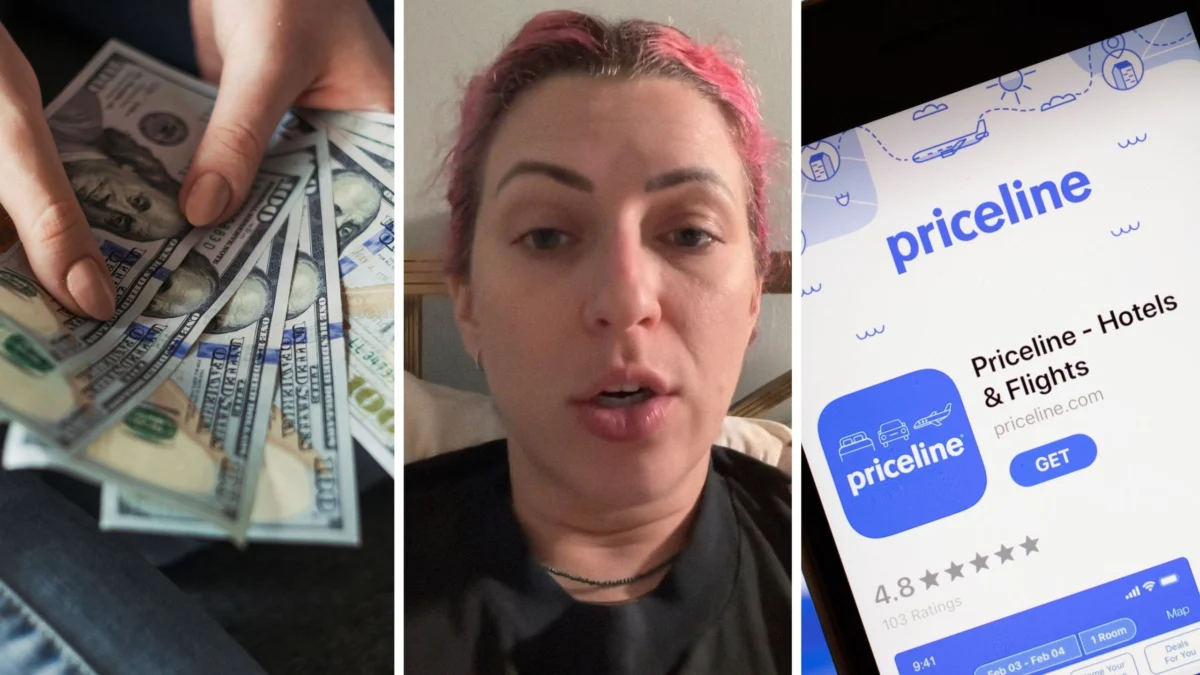
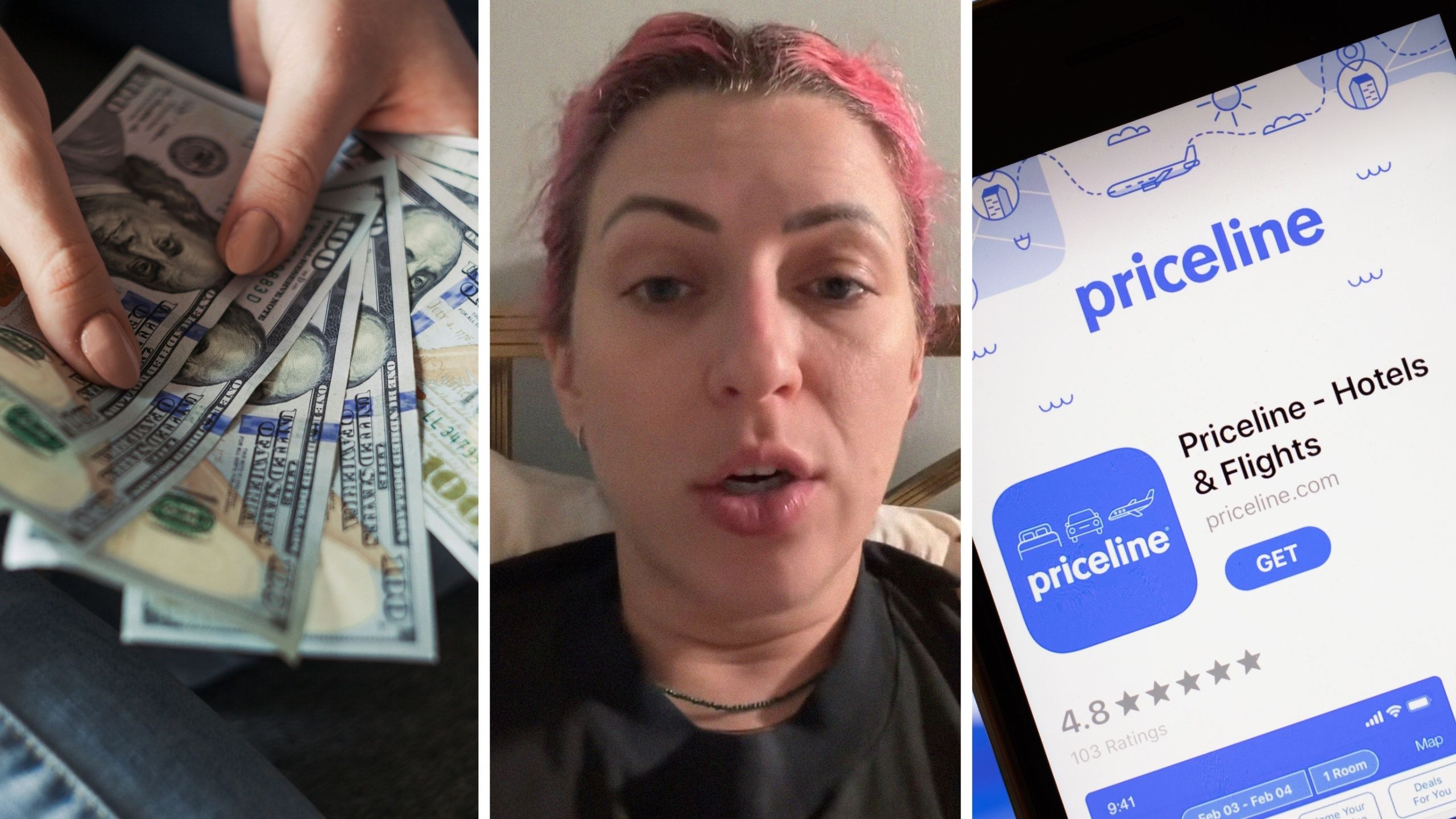
In an era where travelers are increasingly looking for ways to circumvent the high costs of hospitality, a former employee of the online travel agency Priceline has sparked significant interest by sharing a method to identify anonymous hotel listings. Ariel, a New Orleans-based content creator who previously worked for the company until a 2024 layoff, utilized the social media platform TikTok to disclose what she characterizes as a "hack" for the site’s Express Deals. This revelation comes at a time when consumer interest in "opaque pricing"—a strategy where the identity of a service provider is hidden until after a non-refundable purchase is made—is reaching new heights due to inflationary pressures on the travel industry.
Priceline’s Express Deals are a cornerstone of the company’s business model, offering discounts that can reach up to 60% off standard retail rates. The trade-off for these deep discounts is the lack of transparency; customers are provided with the hotel’s star rating, general neighborhood, and amenities, but the specific name of the property is withheld until the transaction is finalized. According to the viral video, which has amassed hundreds of thousands of views, this lack of transparency can be bypassed through a combination of digital tools and platform-specific maneuvers.
The Mechanics of the Express Deal Strategy
The primary strategy disclosed by Ariel involves the use of visual data. While Priceline attempts to keep the specific hotel name a mystery, the platform often displays photos of the actual rooms or properties to give customers an idea of what they are purchasing. Ariel suggests that travelers take a screenshot of the room photo provided in the Express Deal listing and perform a reverse image search using tools such as Google Lens. Because hotels typically use the same marketing photography across multiple booking platforms and their own official websites, a reverse image search can often link the "anonymous" room photo directly to the hotel’s public identity.
Furthermore, the former employee emphasized that the pricing structure is not uniform across all devices. She noted that the most competitive rates are generally reserved for users of the Priceline mobile application rather than the desktop website. This tiered pricing strategy is common in the travel industry, as companies seek to drive engagement on their proprietary apps, which offer higher data-collection potential and better long-term customer retention.
The rationale behind hiding the hotel’s name, as Ariel explained, is rooted in "price parity" agreements and brand protection. High-end hotels are often reluctant to publicly display significantly discounted rates on their own websites or public-facing search engines, as doing so could devalue their brand or anger customers who paid full price. Opaque booking allows these properties to sell "distressed inventory"—rooms that would otherwise remain empty—without officially lowering their public-market price point.
Historical Context and the Evolution of Opaque Booking
To understand the significance of this "hack," it is necessary to examine the history of Priceline and the broader online travel agency (OTA) market. Founded in the late 1990s, Priceline originally gained fame for its "Name Your Own Price" model, which allowed travelers to bid on hotel rooms and airfare. This model was the ultimate form of opaque booking, requiring customers to commit to a price before knowing if a hotel would even accept it.
Over time, consumer preferences shifted toward more immediate results and a slightly higher degree of certainty. In 2016, Priceline officially phased out the "Name Your Own Price" bidding system for hotel rooms, replacing it with the Express Deals model. This shift reflected a broader industry trend toward "semi-opaque" bookings, where the customer is given enough data points (neighborhood, star rating, user review scores) to make an educated guess, even if the brand name remains hidden.
The rise of social media "travel hackers" has turned this system into a game of digital cat-and-mouse. As users share tips on how to unmask these deals, companies like Priceline and its competitors, such as Hotwire (which offers "Hot Rates"), must constantly update their algorithms and display methods to protect the interests of their hotel partners.
Industry Data and Economic Implications
The hospitality industry relies heavily on OTAs to manage occupancy rates. According to industry reports from 2023, the global online travel market is valued at over $500 billion, with a significant portion of revenue generated by the "Big Three": Booking Holdings (which owns Priceline), Expedia Group, and Airbnb. Within this ecosystem, opaque bookings serve as a critical safety valve for hotel revenue management.
Data suggests that on any given night, approximately 30% to 40% of hotel rooms in major metropolitan areas remain unoccupied. For a 400-room hotel, even a 10% vacancy rate represents significant lost revenue. By offloading these rooms through Express Deals at a 40% to 60% discount, hotels can cover their marginal costs and potentially earn additional revenue through on-site spending, such as dining, parking, and resort fees.
However, the "hack" described by Ariel threatens the delicate balance of this system. If a significant percentage of consumers can identify the hotel before booking, the "opaque" nature of the deal disappears. This could lead to "rate cannibalization," where customers who were willing to pay full price instead opt for the discounted mystery deal because they have confirmed the hotel’s identity.
Consumer Feedback and the Reliability of Digital Tools
While the reverse image search method is popular, it is not without its flaws. In response to the viral TikTok, several users and travel experts noted that Priceline has begun to adapt. Some listings now use generic stock photography or "representative" images that do not depict the actual property being booked. In these cases, a reverse image search would lead to a stock photo database rather than a specific hotel website.
Alternative methods have emerged within the traveler community to supplement the image search. One popular technique involves cross-referencing the number of reviews and the specific "verified guest" rating shown on the Express Deal with the standard listings on the site. For example, if an Express Deal shows a 4.5-star rating with exactly 384 reviews in the "Midtown" neighborhood, a traveler can filter standard search results for those same parameters to find the matching property.
Third-party developers have also entered the fray. Tools such as "TripChipper," a Chrome extension mentioned in online travel forums, use algorithms to compare the data points of mystery deals against known hotel databases. These tools aim to automate the process that Ariel described, providing users with a "certainty percentage" regarding the identity of the hotel.
Risks and Policy Considerations
Despite the potential for savings, travel experts urge caution when utilizing these strategies. The most significant risk is the non-refundable nature of Express Deals. Priceline’s terms and conditions explicitly state that these bookings cannot be changed, cancelled, or refunded under almost any circumstances. If a traveler uses a "hack" to identify a hotel but makes an error in their deduction, they are legally obligated to pay for the room they receive.
Furthermore, there is the issue of "room type" variability. Even if a traveler correctly identifies the hotel, the Express Deal often guarantees only "room for [X] guests," which could result in a less desirable room location, a smaller bed configuration, or a room without a view. Some Yelp and Trustpilot reviewers have noted that they felt "de-prioritized" by hotel staff because they booked through a deep-discount opaque channel.
The Broader Impact on the Travel Landscape
The viral nature of Ariel’s disclosure highlights a growing tension between corporate pricing strategies and consumer transparency. As travelers become more tech-savvy, the traditional barriers used by the travel industry to segment the market are beginning to erode.
From a broader perspective, this trend reflects the "democratization of data" in the travel sector. Information that was once the exclusive domain of travel agents and industry insiders is now accessible to anyone with a smartphone and an internet connection. While this empowers the consumer, it also forces service providers to find new ways to differentiate their offerings.
Neither Priceline nor its parent company, Booking Holdings, has issued an official statement regarding the viral video or the specific "hack" mentioned. Historically, these companies have maintained that their opaque deals provide a valuable service to both price-sensitive consumers and hotels looking to manage inventory. As of mid-2024, the Express Deal feature remains a prominent fixture on the Priceline platform, though the company continues to refine its interface to balance transparency with the needs of its hospitality partners.
For the modern traveler, the takeaway is clear: while significant discounts are available, they require a level of digital due diligence. The "hack" shared by a former insider provides a glimpse into the hidden mechanics of the travel industry, but it also serves as a reminder that in the world of high-stakes travel booking, the burden of accuracy remains firmly with the consumer.