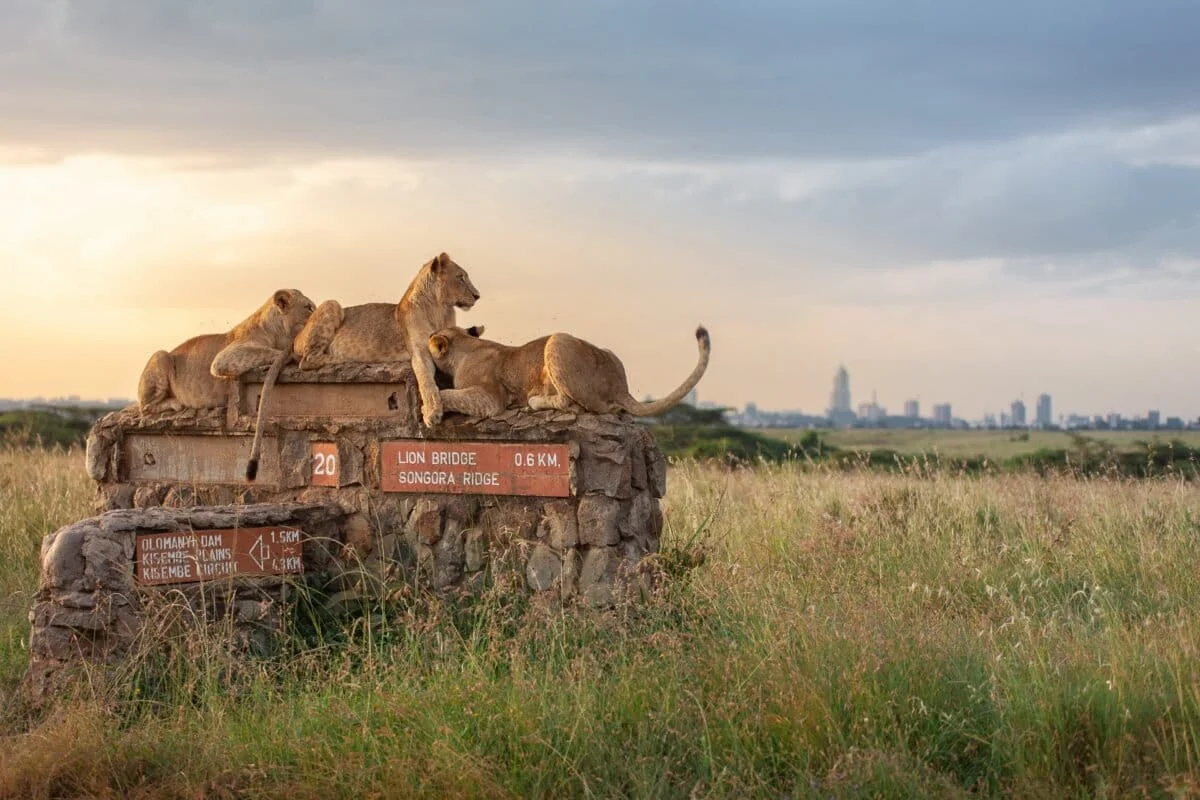
The ongoing legal and environmental battle over the future of the Nairobi National Park (NNP) has reached a critical juncture following allegations of harassment and obstruction directed at conservationists by the Kenya Wildlife Service (KWS). At the heart of the dispute is a contentious government proposal to relocate and upgrade the Nairobi Animal Orphanage, a move that would see a significant portion of the protected park land converted into a modern facility integrated with the proposed Bomas International Conference Complex (BICC). While the state defends the project as a necessary modernization of conservation infrastructure, environmental groups warn that the development poses an existential threat to one of the world’s most unique ecological assets.
The conflict intensified during a court-ordered site visit on July 16, 2024. The Environment and Land Court in Nairobi had previously directed its deputy registrar, Vincent Kiplagat, to conduct a physical inspection of the site in the presence of all litigating parties. The objective was to produce an independent report for the court regarding the scope and potential impact of the proposed construction. However, representatives from Save the Nairobi National Park (SaveNNP), a prominent non-governmental organization, reported that they were initially denied entry by KWS personnel despite the judicial directive.
According to a statement released by SaveNNP and JustAct, another Nairobi-based advocacy group, KWS rangers allegedly employed "threats and intimidation" to prevent activists and certain media members from observing the inspection. The groups accused the KWS of attempting to "control the narrative" and ensure that the concerns of the Kenyan public remained unheard by judicial officers during the site visit. While KWS spokesperson Duncan Wanyama later denied these claims, stating that rangers were merely enforcing "standard protocols" and that no intentional obstruction occurred, the incident has fueled public distrust regarding the transparency of the development project.
The Scope of the Proposed Development
The proposed project involves the carving out of between 76 and 89 acres within the boundaries of Nairobi National Park. This land is slated for the construction of a high-capacity wildlife rescue and rehabilitation center, which the KWS asserts will replace the aging Nairobi Animal Orphanage, established in 1964. The new facility is designed to include a state-of-the-art wildlife hospital, enhanced visitor amenities, and expanded enclosures.
However, it is the scale of the ancillary infrastructure that has drawn the sharpest criticism. Plans for the site include a parking facility capable of accommodating 1,300 vehicles, a feature that conservationists argue is fundamentally incompatible with the park’s status as a protected wilderness area. The designated area for construction includes a portion of indigenous forest and serves as a vital habitat for various species, most notably the critically endangered black rhino. Kenya has made significant strides in black rhino conservation, with the national population growing to over 900 individuals, but experts warn that the fragmentation of habitat within the NNP—often referred to as the "Green Jewel" of the capital—could reverse these gains.
A Chronology of the Dispute
The current legal face-off is the culmination of months of mounting tension between the executive branch and civil society.
- Early 2024: The Kenyan government unveils plans for the Bomas International Conference Complex (BICC). The project is framed as a strategic investment to boost "MICE" (Meetings, Incentives, Conferences, and Exhibitions) tourism, positioning Nairobi as a premier global hub for international summits.
- May 2024: Detailed plans emerge showing the expansion of the BICC into the Nairobi National Park, specifically targeting the area occupied by the Animal Orphanage and adjacent forest land.
- June 2024: Public outcry intensifies. On June 25, during a peaceful protest against the project, several high-profile figures were detained, including Kenya’s former Chief Justice David Maraga. His arrest drew immediate condemnation from the Law Society of Kenya (LSK), which termed the move an assault on civic space and a violation of constitutional rights regarding the protection of national heritage.
- July 6, 2024: A citizen-driven legal petition, signed by over 4,600 Kenyans, is filed in the Environment and Land Court. The petition seeks to halt the construction until a full environmental impact assessment (EIA) is scrutinized and the legality of the land use change is determined.
- July 16, 2024: The court-ordered site visit occurs, marred by allegations of activist harassment and KWS obstruction.
Official Justification and Economic Arguments
The Kenya Wildlife Service and the Ministry of Tourism have remained steadfast in their support of the project. KWS Director General Erastus Kanja has emphasized that the existing Animal Orphanage is no longer fit for purpose, citing aging infrastructure and limited space for modern veterinary care. The proposed upgrades, he argues, will significantly improve the capacity for wildlife rescue and rehabilitation.
Furthermore, Kanja noted that the new facility would provide a "semi-wild" environment, facilitating the reintroduction of rescued animals into the wild—a process that is currently difficult within the confined spaces of the 1964 facility. From an economic perspective, the government estimates that the construction and operation of the new complex will create approximately 500 direct jobs and stimulate the local economy through increased tourism revenue and international conference bookings.

Supporters of the project argue that conservation must evolve to meet the needs of a growing urban population. They posit that by integrating the park more closely with high-end tourism infrastructure like the BICC, the government can secure the long-term financial viability of the KWS, which relies heavily on park fees to fund its anti-poaching and conservation efforts across the country.
Environmental and Ecological Concerns
Despite the government’s assurances, the conservation community remains unconvinced. The primary concern is the precedent that such a project sets for the encroachment of protected areas. Nairobi National Park is unique globally as the only national park located within the precincts of a capital city. Its proximity to urban development has already subjected it to numerous pressures, including the construction of the Standard Gauge Railway (SGR) and the Southern Bypass highway, both of which required significant land concessions from the park.
Ecologists point out that the 89 acres targeted for the new orphanage and parking lot are not "empty" land. They constitute a critical buffer zone and a portion of the indigenous forest that helps regulate the local climate and provides a sanctuary for shy species. The introduction of 1,300 vehicles daily would bring unprecedented levels of noise, light, and air pollution into the heart of the park, potentially disrupting the migratory and breeding patterns of lions, leopards, and the sensitive black rhino.
"National heritage sites are not state property to barter behind closed doors," the Law Society of Kenya stated in its critique of the project. This sentiment is echoed by SaveNNP, which argues that the "upgrades" are a smokescreen for the commercialization of public land. The group maintains that any wildlife hospital or research center should be built on existing degraded land rather than clearing indigenous forests.
Legal and Societal Implications
The case currently before the Environment and Land Court is seen as a litmus test for the strength of Kenya’s environmental laws, specifically the Environmental Management and Co-ordination Act (EMCA). Under Kenyan law, major projects in protected areas require a rigorous Environmental and Social Impact Assessment (ESIA) and extensive public participation. Petitioners argue that the public participation process for the BICC expansion was either non-existent or deeply flawed, failing to account for the widespread opposition from the scientific and local communities.
The arrest of former Chief Justice David Maraga added a layer of political gravity to the situation. Maraga, known for his independence and his 2017 ruling that nullified a presidential election, has become a symbol of the "rule of law" in Kenya. His involvement in the protests suggests that the opposition to the park development is not merely an environmental issue but a broader struggle over governance, transparency, and the protection of public assets from executive overreach.
Looking Ahead: The Future of the "Green Jewel"
As the court awaits the report from the deputy registrar, the fate of the Nairobi National Park hangs in the balance. If the court allows the construction to proceed, it could signal a shift in policy where economic development and "modernization" take precedence over the strict preservation of wilderness areas. Conversely, a ruling in favor of the petitioners would be a landmark victory for conservationists and a reaffirmation of the constitutional right to a clean and healthy environment.
The international community is also watching closely. Nairobi serves as the global headquarters for the United Nations Environment Programme (UNEP), and the degradation of its own national park would send a conflicting message to the world about Kenya’s commitment to biodiversity.
For now, the gates of the Nairobi National Park remain a site of contention. While KWS rangers continue their patrols and lions roam within sight of the city’s skyscrapers, the legal battle in the courtrooms will determine whether the "Green Jewel" remains a sanctuary for wildlife or becomes a backdrop for a concrete conference complex. The tension between the need for modern infrastructure and the duty to protect an irreplaceable natural heritage remains the defining challenge for Kenya’s capital in the 21st century.