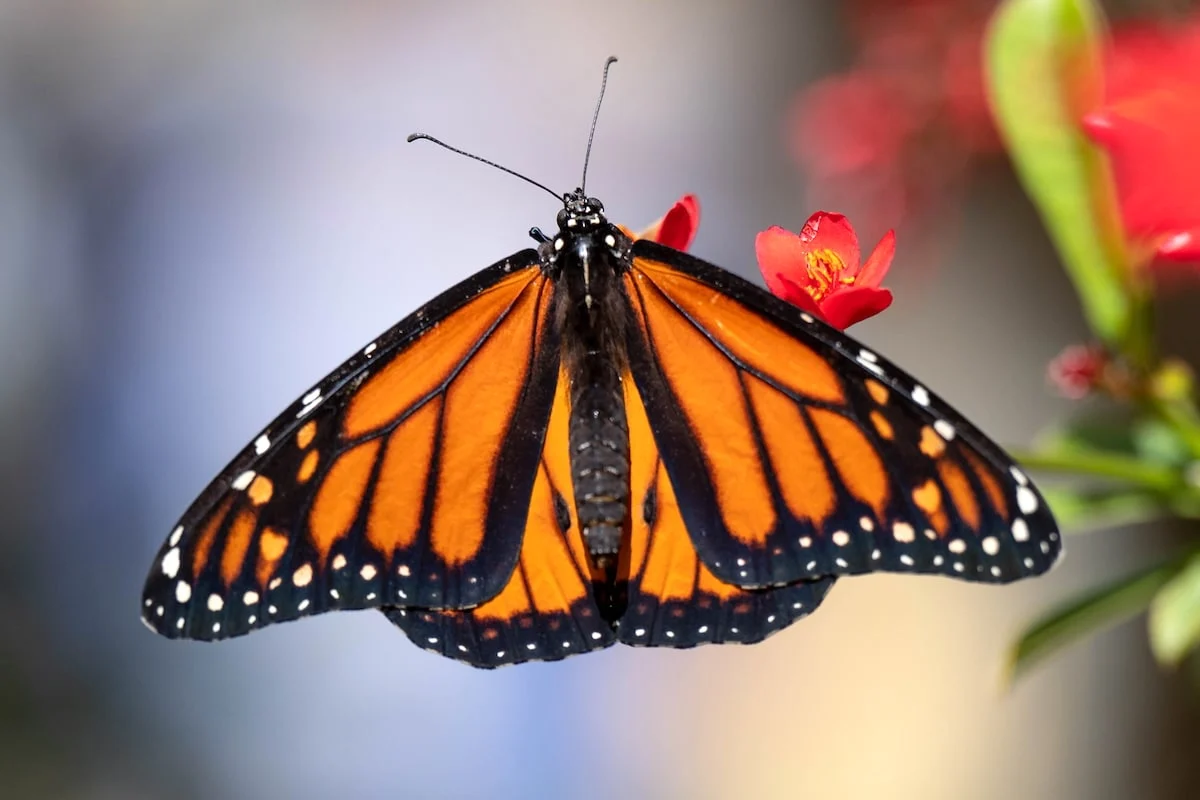
In a significant development for lepidopterology and environmental conservation, a peer-reviewed study has formally identified a "cocktail" of neurotoxic pesticides as the probable cause behind a catastrophic mass mortality event involving Western monarch butterflies in early 2024. The research, published in the journal Environmental Toxicology and Chemistry, provides a forensic analysis of a die-off that occurred at the Pacific Grove Monarch Sanctuary, a critical overwintering site on the California coast. By utilizing advanced chemical detection methods, scientists have linked the sudden collapse of these localized clusters to a lethal concentration of insecticides, herbicides, and fungicides, highlighting the extreme vulnerability of the species during its most sensitive life stages.
The investigation began in January 2024, when naturalists and researchers discovered hundreds of dead and moribund monarch butterflies littering the ground at the sanctuary. The location, often referred to as "Butterfly Town, USA," has historically served as a vital refuge where monarchs congregate to survive the winter months. The sight of hundreds of butterflies exhibiting signs of neurological distress—such as tremors, inability to fly, and paralysis—prompted an immediate scientific inquiry led by the Xerces Society for Invertebrate Conservation and academic partners.
Forensic Analysis of the 2024 Die-Off
To determine the exact cause of death, researchers collected samples from the Pacific Grove site and subjected them to rigorous testing using liquid and gas chromatography paired with mass spectrometry. This high-sensitivity approach allowed the team to detect chemical residues at the parts-per-billion level. The results were startling: the butterflies were not exposed to a single toxin, but rather a complex mixture of 15 different man-made chemicals.
On average, each butterfly tested contained residues from seven different pesticides. The most concerning findings involved three specific pyrethroid insecticides: bifenthrin, cypermethrin, and permethrin. These chemicals are synthetic versions of natural compounds found in chrysanthemums, but they are engineered to be far more stable and potent. They function as neurotoxins, overstimulating the nervous systems of insects and leading to rapid paralysis and death.
According to the study, bifenthrin and cypermethrin were present in every single sample tested. Permethrin was found in all but two. Crucially, the concentrations of these pyrethroids were found at or near levels known to be lethal to monarch butterflies. Staci Cibotti, the lead author of the study and a pesticide risk prevention specialist at the Xerces Society, noted that while the specific geographic source of the chemicals—whether from a nearby agricultural application or urban residential use—could not be pinpointed by Monterey County officials, the high levels detected leave little doubt regarding their role in the mortality event.
A Timeline of Decline and the 2024 Crisis
The 2024 mass die-off is not an isolated incident but a symptom of a decades-long downward trend for the Western monarch population. To understand the gravity of the recent findings, it is necessary to examine the chronological collapse of the species:
- The 1980s: Western monarch populations were estimated to be in the millions, with vibrant clusters spanning the California coastline from Mendocino to San Diego.
- The Late 1990s and 2000s: Habitat loss, climate change, and the increasing use of glyphosate-tolerant crops (which reduced the availability of milkweed, the monarch’s sole host plant) began to erode population numbers.
- 2020-2021: The population hit a "quasi-extinction" threshold, with the annual Western Monarch Count recording fewer than 2,000 individuals across the entire state of California.
- 2022-2023: A slight rebound was observed, offering hope to conservationists, though numbers remained far below historical norms.
- January 2024: The mass die-off at Pacific Grove occurs, coinciding with a year where the overall population dropped to its second-lowest recorded level.
- 2025: The most recent data from the Western Monarch Count revealed a devastating total of just 9,119 overwintering individuals, a figure that underscores the fragility of the remaining population.
The Western monarch butterfly has declined by approximately 95% since the 1980s. This precipitous drop led the International Union for Conservation of Nature (IUCN) to list the migratory monarch as endangered. Furthermore, data cited by the U.S. Fish and Wildlife Service suggests a 99% probability that the Western monarch population will face total extinction by the year 2080 if current trends are not reversed.
The Intersection of Agriculture and Urban Drift
The Pacific Grove incident highlights a unique challenge in monarch conservation: the overlap of overwintering sites with human activity. Western monarchs spend their winters in groves of eucalyptus, Monterey cypress, and Monterey pine trees along the Pacific coast. However, these groves are often situated adjacent to residential neighborhoods, golf courses, and agricultural fields.
Pesticide "drift" occurs when chemicals applied in one area are carried by wind or moisture into non-target zones. Because monarchs huddle in large, dense clusters during the winter to conserve heat, a single localized "cloud" of pesticide drift can impact a significant percentage of the local population simultaneously.

The study’s findings regarding the presence of 15 different chemicals suggest a cumulative impact known as the "cocktail effect." While a single pesticide at a sub-lethal dose might not kill a butterfly, the interaction of multiple insecticides, fungicides, and herbicides can weaken the insect’s immune system, disrupt its navigational abilities, and ultimately lead to death when combined. This is particularly dangerous during migration and overwintering, periods when the butterflies are already physically stressed and have limited energy reserves.
Expert Statements and Institutional Reactions
The publication of the study has prompted a call for urgent policy shifts. Emily May, a co-author of the study and the agricultural conservation lead at the Xerces Society, emphasized that protecting these insects requires a move beyond simple awareness.
"Protecting monarchs from pesticides will require both public education and policy change," May stated. "We are committed to working with communities and decision-makers to ensure that overwintering sites are healthy refuges for these butterflies."
Following the release of the report, the Xerces Society and other conservation groups have proposed a multi-tiered framework for prevention:
- Pesticide-Free Buffer Zones: Establishing mandatory no-spray zones around documented overwintering sites, particularly during the months of October through March.
- Public Education: Informing homeowners and landscapers in coastal communities about the risks of pyrethroids, which are commonly used for structural pest control (such as treating for ants or spiders) and garden maintenance.
- Enhanced Monitoring: Implementing more frequent air and water quality testing near sensitive habitats to detect chemical drift before mass die-offs occur.
- Regulatory Reform: Urging the Environmental Protection Agency (EPA) and state regulators to consider the cumulative impact of multiple pesticides on non-target pollinators during the chemical registration process.
In an updated statement, lead author Staci Cibotti clarified that this is not merely a California problem. She pointed to a similar event in North Dakota in September 2020, where hundreds of monarchs were killed following an aerial mosquito control spray during their migration. "Because migration and overwintering are particularly sensitive phases of the monarch’s migratory cycle, reducing pesticide exposure during these windows is critical," Cibotti explained.
Broader Ecological Implications and the Path Forward
The mass die-off of monarchs serves as a "canary in the coal mine" for the broader state of invertebrate biodiversity. Insects form the base of the food web and are essential for the pollination of both wild plants and agricultural crops. The fact that an endangered species is being subjected to lethal doses of chemicals in a designated "sanctuary" raises profound questions about the efficacy of current environmental protections.
The scientific consensus emerging from the Pacific Grove study suggests that habitat restoration—such as planting milkweed and nectar-rich flowers—is insufficient if those habitats remain contaminated by persistent neurotoxins. Conservation efforts must now adopt a more holistic approach that integrates habitat creation with aggressive pesticide risk mitigation.
The 2024 die-off has also sparked a debate regarding the legal status of the monarch. While the species is listed as endangered by international bodies, it has yet to receive full protection under the United States Endangered Species Act (ESA), though it is currently a candidate species. Advocacy groups argue that the Pacific Grove data provides the "clear evidence" necessary to fast-track federal protections, which would provide more significant legal leverage to regulate pesticide use in critical habitats.
As the 2025 season progresses, the focus remains on the surviving 9,119 individuals. For a population that once numbered in the millions, every butterfly is now vital to the genetic diversity and eventual recovery of the species. The findings from Environmental Toxicology and Chemistry serve as a stark reminder that in the absence of stringent chemical management, even the most storied and beloved migrations in the natural world remain at risk of a silent, human-induced end.