
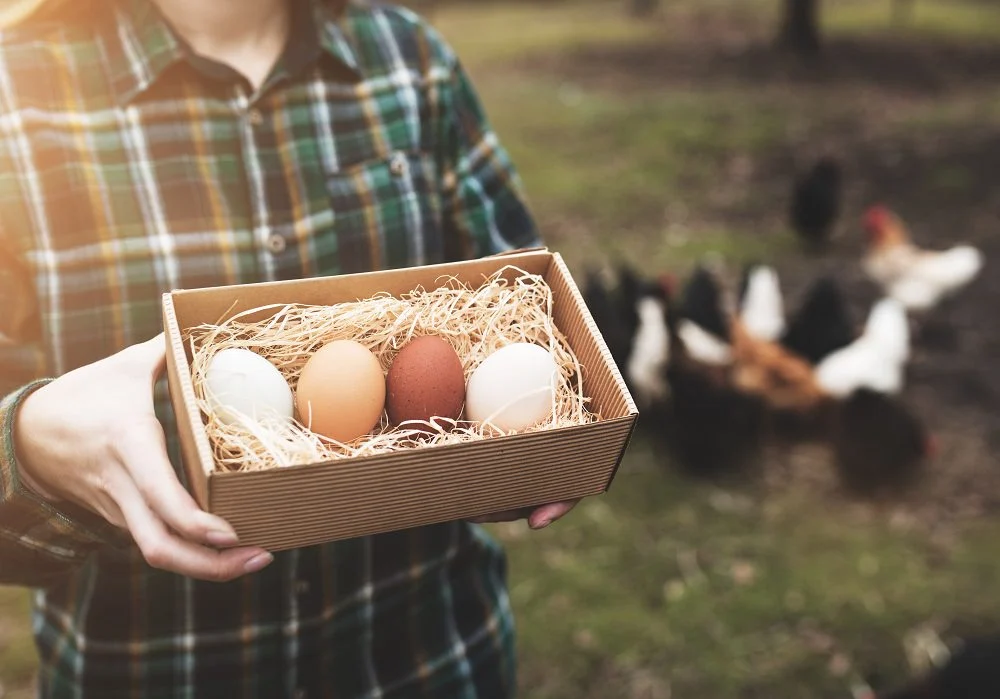
The American landscape of backyard egg production has undergone a radical transformation between the spring of 2025 and mid-2026, shifting from a pandemic-era frenzy driven by record-breaking grocery prices to a more cautious, risk-aware phase. In March 2025, retail prices for a dozen Grade A eggs reached an eye-watering peak of roughly $6.22, a surge that prompted millions of Americans to seek self-sufficiency in their own backyards. By June 2026, however, the market had cooled significantly, with national averages dropping to $2.14 per dozen. This rapid market correction has forced prospective and current flock owners to reevaluate the financial and health-related realities of keeping live poultry in residential areas.
The boom was largely a reaction to the persistent and devastating presence of Highly Pathogenic Avian Influenza (HPAI). Since the initial outbreak in February 2022, HPAI has decimated commercial and backyard populations alike, affecting more than 166 million birds across the United States. As commercial supply chains struggled to recover from mass culling events, the scarcity of eggs led to a 32.2% price spike in 2022, followed by subsequent increases of 8.5% in 2024 and 21.9% in 2025. During this period, the allure of the backyard coop was undeniable; the American Pet Products Association estimated that the number of households keeping chickens surged to 11 million by early 2025, nearly doubling the 5.8 million recorded in 2018.
However, the supply-demand arithmetic has shifted. As of the first quarter of 2026, USDA data indicates a lower frequency of new HPAI detections compared to the previous year. With the stabilization of commercial production, retail egg prices in May 2026 were 35.2% lower than they were just twelve months prior. For the first-time chicken owner, this creates a challenging economic environment: the primary incentive for entering the market—cost savings—has largely evaporated.
The Financial Reality of Modern Flocks
For those considering a backyard setup, it is essential to distinguish between a hedge against food inflation and a hedge against food supply chain disruption. A six-hen flock is a significant capital investment. Startup costs, including the coop, run, fencing, and the birds themselves, typically range from $500 to $2,000. Ongoing maintenance—covering feed, bedding, grit, and supplements—can add another $250 to $600 annually.
When comparing these costs to current retail prices, the financial return is modest at best. A typical hen in her peak years (the first two of her life) will produce between 180 and 250 eggs annually. At current average prices of $2.14 per dozen, a six-hen flock provides an output worth between $190 and $270 per year. Even at the higher price point of cage-free or organic store-bought eggs, which average around $2.65 per dozen, the output value reaches at most $330. Given that these figures rarely account for unexpected veterinary bills, predator-proofing repairs, or the costs associated with the birds’ non-productive later years, it is clear that backyard chickens are not a viable "money-saving" venture under current market conditions.
The Rising Public Health Stakes
While the economic incentive for keeping chickens has declined, the biological risks associated with backyard poultry have gained increased scrutiny from federal health agencies. The H5N1 virus, commonly known as bird flu, has crossed the species barrier, resulting in two deaths among U.S. backyard flock owners since 2024. The CDC maintains that the risk to the general public remains low, but for those directly handling poultry, especially sick or dead birds, the threat is tangible.
Equally concerning is the persistent threat of Salmonella. As of late July 2026, the CDC is actively investigating eight separate multistate outbreaks linked to backyard poultry. These outbreaks have sickened 814 people across 44 states, with 201 hospitalizations and one fatality reported. Crucially, children under five represent a quarter of these cases. Investigations have traced these strains to hatcheries and agricultural retail stores, where the bacteria can be found in shipping containers and even on the birds themselves, which often appear perfectly healthy while shedding the pathogen.
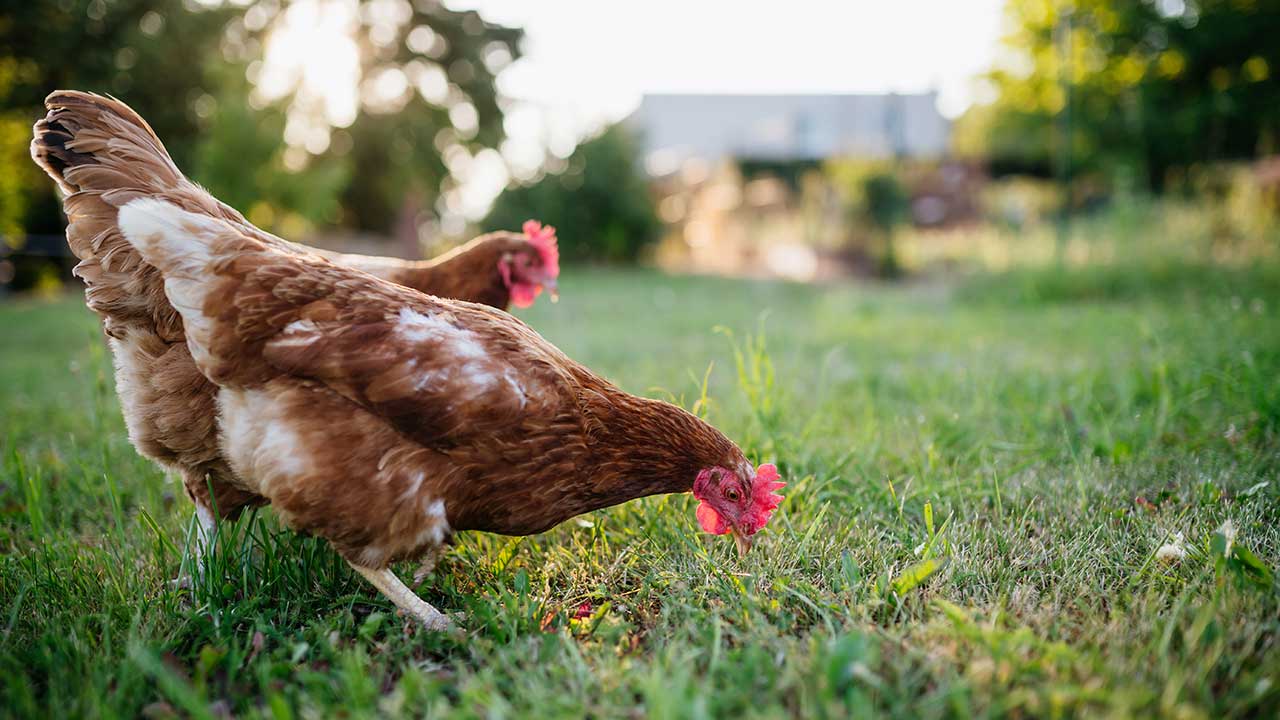
The CDC’s 2026 survey of 638 flock owners revealed a concerning "knowledge gap." While 94% of respondents were aware of avian influenza, a significant portion remained unfamiliar with the specific biosecurity protocols required to prevent human infection. The data suggests a direct correlation between knowledge of the disease and the utilization of personal protective equipment (PPE). Consequently, public health officials are emphasizing the "Defend the Flock" initiative, which encourages basic but vital practices: keeping separate footwear for the coop, washing hands immediately after contact, and keeping poultry out of the house.
Navigating Local Ordinances and Regulations
Before embarking on a backyard poultry project, prospective owners must navigate a complex web of municipal codes and homeowners association (HOA) covenants. Regulations are not static; many cities have adjusted their ordinances in response to the recent boom in popularity. Common restrictions include:
- Flock Limits: Most municipalities restrict residential flocks to between four and eight hens.
- Prohibition of Roosters: Almost all residential zones forbid roosters due to noise concerns.
- Setback Requirements: Coops must typically be placed 10 to 25 feet from property lines and sometimes significantly further from neighboring dwellings.
- Operational Bans: Many jurisdictions explicitly prohibit on-site slaughter and the sale of eggs to the public.
It is critical for owners to verify current local laws, as several states have recently introduced legislation that overrides older, more restrictive municipal bans. Relying on outdated information can lead to fines or the mandatory removal of a flock.
Environmental Considerations: Beyond the "Green" Myth
For years, the backyard movement was fueled by the belief that home-raised eggs were inherently more environmentally sustainable than commercial counterparts. Recent life-cycle assessments have challenged this notion. Because backyard hens are fed grain-based commercial rations—often at a less efficient conversion rate than large-scale industrial operations—the carbon footprint per egg can actually be higher in a backyard setting.
Eggs are already among the most sustainable animal proteins available, with a carbon footprint significantly lower than beef or pork. The true environmental value of a backyard flock does not lie in carbon reduction, but rather in the reduction of food waste. Chickens are highly effective at converting kitchen scraps and garden refuse into high-quality protein, which diverts organic material from landfills. When viewed through the lens of household sustainability rather than industrial-scale metrics, the backyard flock serves as a small-scale closed-loop system, provided it is managed responsibly.
Recommendations for the Responsible Keeper
For those who decide to move forward with a backyard flock, the primary focus must be on long-term stewardship rather than short-term gain. The USDA and the CDC recommend a structured approach to ensure the health of both the humans and the birds:
- Preparation: Before purchasing chicks, research local zoning laws and establish a relationship with a veterinarian who has experience with avian medicine.
- Biosecurity: Maintain a "closed" flock if possible, minimizing contact with wild birds and keeping the coop area strictly partitioned from the rest of the household.
- Monitoring: Owners should be vigilant for signs of distress, including lethargy, respiratory issues, or a sudden drop in egg production. Any suspected HPAI cases should be reported immediately to the state veterinarian or the USDA’s dedicated hotline (1-866-536-7593).
- Hygiene: Treat every chicken interaction as a potential exposure to pathogens. This means rigorous hand-washing and the use of dedicated clothing that does not enter the main living areas of the home.
The current economic climate serves as a reality check for the backyard poultry trend. The "egg-price bubble" has burst, and with it, the financial justification for casual ownership. However, for those who value the educational experience, the connection to food production, and the potential for recycling household waste, the practice remains a rewarding endeavor. Success in 2026 requires more than just a coop and a few chicks; it requires a commitment to biosecurity, an understanding of municipal limitations, and an acceptance that the primary dividend of a backyard flock is the satisfaction of self-sufficiency, not the mitigation of grocery costs. As the industry moves into the latter half of the decade, the focus is clearly shifting from quantity to quality, prioritizing the health of the birds and the safety of the families who keep them.










Leave a Reply