
The international travel and aviation sectors experienced a week of significant developments, marked by major connectivity enhancements, competitive loyalty program launches, and strategic cabin modernizations. Industry stakeholders rolled out several initiatives aimed at capturing recovering demand and elevating the passenger experience across global networks. Key announcements ranged from high-speed in-flight broadband upgrades to the inauguration of high-profile airport lounges in Europe and the Middle East. Meanwhile, major hotel conglomerates initiated their respective global marketing campaigns to secure bookings for the upcoming travel seasons.
Connectivity and In-Flight Technology Enhancements
The transformation of commercial aviation connectivity took a major step forward this week as Viasat implemented a comprehensive upgrade to its in-flight Wi-Fi infrastructure. The enhancement is designed to deliver fiber-optic-like speeds to commercial aircraft, addressing long-standing passenger complaints regarding latency, bandwidth limitations, and streaming capabilities at cruising altitudes.
Background Context:
In-flight connectivity has transitioned from an auxiliary perk to a critical business and leisure requirement over the past decade. Satellite operators have increasingly shifted from geostationary (GEO) satellites to mixed constellations involving Low Earth Orbit (LEO) and High-Throughput Satellites (HTS) to ensure seamless global coverage, even over oceanic routes and remote polar regions.
Timeline and Chronology:
The rollout began earlier this week with software deployments and network optimization across partner airline fleets equipped with Viasat terminals. Airlines utilizing the enhanced service anticipate full passenger-facing availability by the end of the current quarter, pending final regulatory sign-offs for specific regional airspaces.
Official Responses and Statements:
Representatives for participating carriers noted that passenger demand for reliable, high-speed streaming and virtual private network (VPN) access has doubled year-over-year. Industry analysts project that airlines offering complimentary or tiered high-speed Wi-Fi will secure a distinct competitive advantage in corporate travel procurement contracts.
Implications:
The broader adoption of high-throughput satellite technology signals the end of metered, low-speed in-flight data packages. As airlines increasingly rely on ancillary revenues derived from digital services, robust connectivity infrastructure lays the groundwork for advanced IoT (Internet of Things) applications inside the cabin, predictive maintenance data transmission, and enhanced operational efficiency for flight crews.
Hospitality Loyalty Programs Launch Global Promotions
In the lodging sector, two of the world’s largest hotel groups, Hilton Honors and IHG One Rewards, officially opened registration for their respective global promotions. These initiatives are engineered to incentivize member bookings during shoulder travel seasons and reward frequent stays across their diverse portfolios of luxury, lifestyle, and select-service properties.
Supporting Data:
- Hilton Honors’ new promotion offers tiered bonus points per stay, targeting business and leisure travelers alike.
- IHG One Rewards introduced a structured multiplier system, allowing members to accelerate their earnings based on the frequency of brand-hopping within the portfolio.
- Historical data from similar campaigns indicates a 15% to 25% surge in direct bookings during the initial launch window.
Chronology of Loyalty Strategies:
Hotel operators historically deploy global promotions quarterly to smooth out occupancy valleys. Registration for these specific campaigns opened simultaneously across digital channels, signaling a coordinated effort by major hospitality brands to capture forward-looking bookings for the summer and autumn travel windows.
Industry Analysis:
Loyalty program monetization has become a primary profit driver for hospitality groups. By incentivizing members to concentrate their travel spend within a single ecosystem, brands gather valuable consumer data while securing guaranteed baseline occupancy. Analysts suggest these promotions will intensify competition for corporate travel accounts, particularly as companies scrutinize travel budgets amid fluctuating macroeconomic conditions.
Airport Lounge Network Expansions and Redesigns
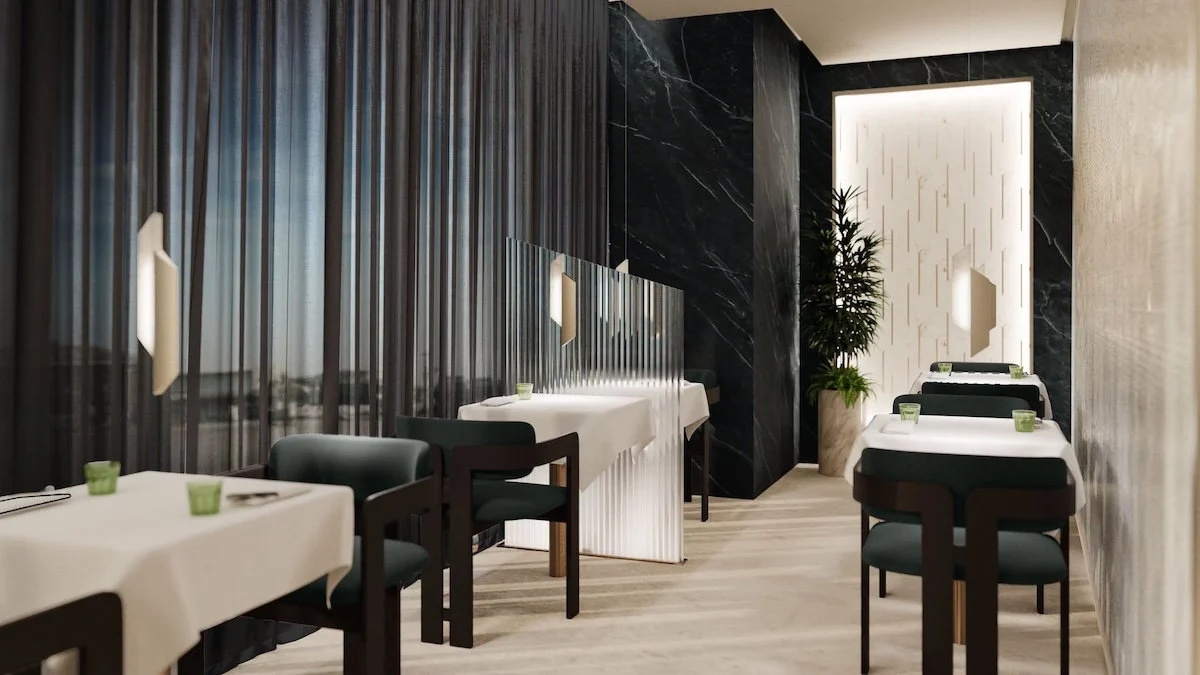
Airport infrastructure witnessed noteworthy expansions this week, headlined by the official opening of a new American Express Centurion Lounge at Amsterdam Airport Schiphol (AMS), alongside Etihad Airways’ unveiling of an entirely reimagined lounge concept.
Main Facts of the Schiphol Opening:
The new Centurion Lounge at Amsterdam Schiphol provides eligible cardmembers with a regional sanctuary featuring locally inspired architectural design, sustainably sourced dining options, and dedicated workspaces. Schiphol serves as a critical European hub, making the location a strategic addition to the proprietary lounge network.
Etihad Airways Lounge Concept:
Etihad Airways formally revealed its new lounge architecture, designed to reflect modern Emirati hospitality while optimizing passenger flow. The concept emphasizes modular seating zones, private dining spaces, and wellness-focused amenities tailored to long-haul transit passengers.
Background and Context:
Airport lounges have evolved from exclusive waiting areas into crucial brand-differentiation tools for premium airlines and financial institutions. With global premium cabin demand remaining robust, operators are investing heavily in proprietary lounges to alleviate terminal overcrowding and elevate the pre-flight experience.
Chronology:
Planning and construction for the Amsterdam Centurion Lounge spanned nearly two years, navigating stringent European regulatory frameworks and airport capacity constraints. Simultaneously, Etihad’s lounge concept enters the implementation phase, with initial rollouts scheduled for key international gateways over the next 18 months.
Implications:
The proliferation of premium lounges reflects a bifurcated travel market where airlines and financial institutions cater aggressively to high-yielding consumers. However, industry observers note that rising lounge visitation rates have introduced capacity challenges, prompting operators to implement stricter access policies and invest in larger footprint facilities.
Cabin Upgrades and Fleet Modernization
Middle Eastern carrier flydubai outlined a comprehensive cabin upgrade program for its Boeing 737 fleet, signaling an ongoing commitment to product harmonization across its regional network.
Supporting Data and Fleet Details:
- The retrofit program encompasses both Boeing 737-800 and Boeing 737 MAX aircraft.
- Upgrades include newly designed lie-flat business class suites on select aircraft, ergonomic economy seating, and state-of-the-art inflight entertainment (IFE) screens supplied by leading avionics manufacturers.
- The airline aims to modernize dozens of aircraft over the next three years without severely disrupting active flight schedules.
Chronology:
Engineering teams finalized interior layouts and procurement contracts over the past several months. The physical retrofit work is slated to commence at flydubai’s primary maintenance base, with the first modernized aircraft expected to re-enter commercial service ahead of the peak winter travel season.
Official Statements and Strategic Rationale:
flydubai executives emphasized that the cabin refresh is designed to bridge the gap between regional single-aisle operations and widebody long-haul travel standards. As the carrier expands deeper into European, Central Asian, and African markets, offering a uniform premium product has become essential for capturing connecting traffic from partner networks.
Broader Impact and Market Implications
The convergence of technology upgrades, loyalty program incentives, and physical infrastructure investments highlights a mature travel industry actively optimizing every touchpoint of the passenger journey.
Economic and Operational Analysis:
- Capital Expenditure: Airlines and hospitality groups are deploying substantial capital reserves toward product differentiation, betting that discerning consumers will prioritize superior hardware, connectivity, and loyalty rewards.
- Supply Chain Dynamics: Timelines for cabin retrofits and lounge completions continue to face headwinds from global supply chain constraints, making precise project management a critical operational differentiator.
- Consumer Trends: Travelers are exhibiting a clear preference for seamless digital integration—from booking through loyalty apps to high-speed in-flight connectivity—coupled with physical spaces that prioritize wellness and localized design.
As the industry moves past the disruptions of previous years, these strategic investments underscore a forward-looking focus on long-term sustainability, customer retention, and service excellence across the global aviation and hospitality landscapes.







Leave a Reply