
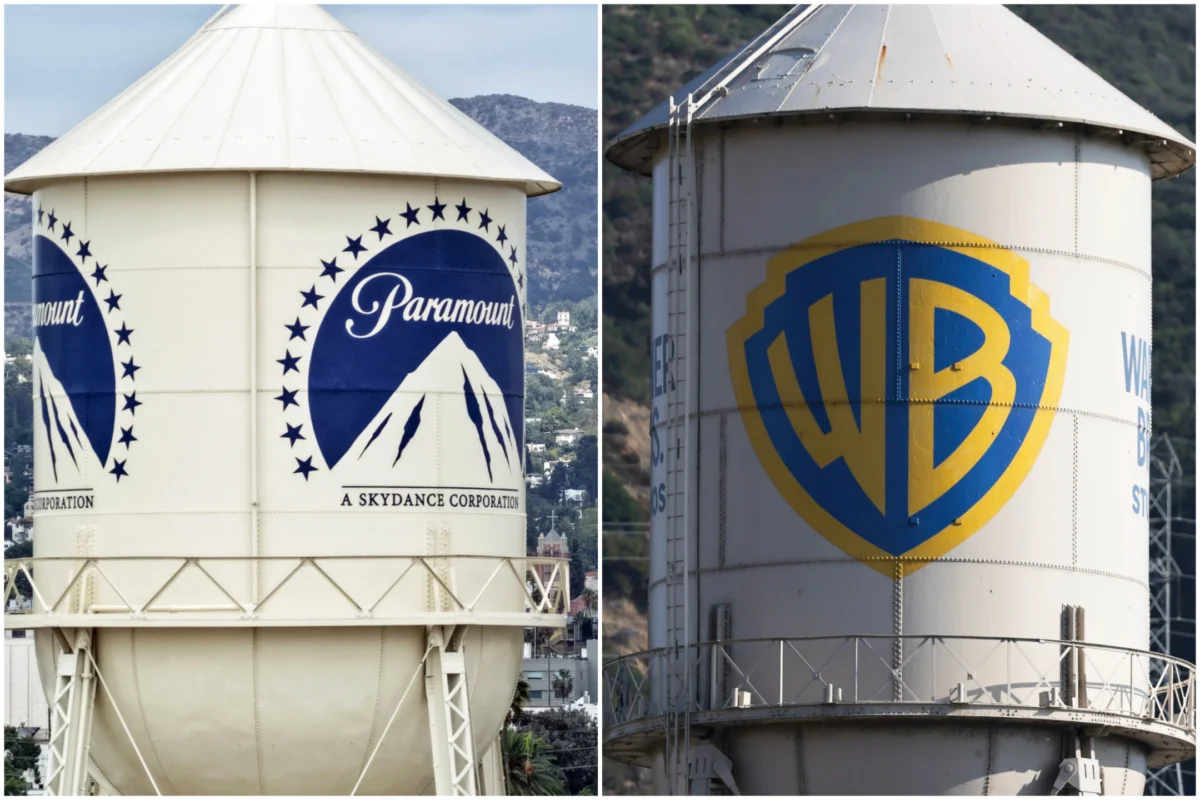
The landscape of American media is poised for a seismic shift as the $111 billion merger between Paramount Global and Warner Bros. Discovery (WBD) enters its final, high-stakes phase. While the transaction has yet to receive its final stamp of approval, the momentum behind the deal has accelerated significantly, with Paramount actively positioning its corporate structure to facilitate the transition. This massive consolidation, which seeks to unify two of the most storied names in Hollywood, represents one of the most significant realignments in the history of the entertainment industry, aimed at creating a powerhouse capable of competing with global streaming giants and tech-integrated media conglomerates.
A Strategic Relocation: The Shift to the NYSE
In a definitive move signaling preparation for the merger’s conclusion, Paramount announced in an SEC filing on Friday that its board of directors has authorized the voluntary withdrawal of its Class B common stock from the Nasdaq Global Select Market. Currently trading under the ticker symbol "PSKY," the stock is slated to transition to the New York Stock Exchange (NYSE).
The logistics of this move are precise. The company anticipates that trading on Nasdaq will cease at the close of market operations on or about October 5, with trading on the NYSE scheduled to commence at market open on or about October 6. This migration is often viewed by market analysts as a strategic alignment for large-cap media entities, providing a broader platform for institutional visibility as the company prepares to enter a new chapter of its corporate existence.
The Contingency of the Warrant Distribution
Central to the shareholder experience in this merger is the issuance of warrants, which provide current stakeholders with the opportunity to purchase shares of Class B common stock in the post-merger entity. Paramount has designated October 5 as the record date for this distribution. Under the proposed structure, these warrants allow eligible holders to participate in the equity upside, mirroring terms provided to the primary backers of the deal: David Ellison, his father Larry Ellison, and Gerry Cardinale, the head of RedBird Capital Partners.
However, the distribution of these warrants is strictly contingent upon the formal closing of the Warner Bros. Discovery acquisition. Paramount has exercised caution in its messaging, explicitly noting that the merger remains subject to various closing conditions. Should legal or regulatory developments delay the process, the company reserves the right to postpone or cancel the record and issue dates entirely. This delicate balancing act underscores the volatility inherent in a transaction of this magnitude.
Navigating the Regulatory Minefield
The path to this $111 billion union has been fraught with legal challenges, most notably from state-level antitrust regulators. The most significant recent milestone occurred this week, when Paramount reached a settlement with a coalition of 12 Democratic state attorneys general who had previously filed an antitrust lawsuit to block the deal.
The settlement represents a major breakthrough, though it is not yet absolute. The presiding judge is currently conducting a thorough review of the proposed terms. The process has been complicated by a request from Sen. Cory Booker (D-N.J.), who has urged the court to initiate an independent review of the proposed consent decree. The judge has mandated that all involved parties submit formal responses by September 28, a deadline that will likely determine whether the final legal obstacles are cleared or if the merger will face further judicial delays.
The Financial Clock: The Ticking Fee
Time is a costly commodity in this transaction. Starting October 1, Paramount is obligated to begin accruing a "ticking fee"—a financial penalty amounting to $7 million per day—payable to Warner Bros. Discovery shareholders. This mechanism is designed to incentivize the swift completion of the deal and serves as a tangible representation of the pressure Paramount’s leadership faces to finalize the transaction without further interruption. The accumulation of this fee adds millions to the total cost of the merger with every passing day, highlighting the urgency felt by the boards of both companies.
Projections and Equity Mechanics
The proposed warrant structure is highly technical, designed to maintain equity balance during the transition. Paramount expects to issue approximately 470 million warrants on October 5. Notably, the Paramount Global 401(k) Plan and the Paramount Global Master Trust will receive shares of Class B common stock directly, rather than participating in the warrant distribution.
If issued, each warrant entitles the holder to purchase one share of Class B common stock. The exercise price will be determined by the volume-weighted average price over a 20-day period ending three business days prior to the merger’s close. To protect both the company and the shareholders, the exercise price is subject to a "collar," with a floor of $12.00 and a ceiling of $16.02 per share. This ensures that even in periods of high market volatility, the conversion mechanism remains within a predictable and stable range.
Industry Context and Strategic Implications
The merger of Paramount and Warner Bros. Discovery is a direct response to the "streaming wars" and the erosion of traditional linear television revenue. By combining Paramount’s deep library of intellectual property—including the CBS network, Nickelodeon, and the Paramount Pictures studio—with Warner Bros. Discovery’s extensive portfolio, which includes HBO, CNN, and the Warner Bros. studio, the new entity aims to achieve massive economies of scale.
Analysts point to three primary drivers for this consolidation:
- Content Efficiency: The ability to consolidate production infrastructure and reduce redundant spending across two major studios.
- Streaming Dominance: The creation of a singular, massive platform that can offer a broader library, potentially increasing subscriber retention and reducing churn in a saturated market.
- Advertising Synergy: Combining the advertising reach of the combined networks provides a more attractive proposition for major brands and agencies in an increasingly fragmented digital advertising space.
However, the merger also faces significant risks. The combined debt load of the two companies will be substantial, requiring aggressive cost-cutting measures and a potential restructuring of legacy assets. Furthermore, the integration of distinct corporate cultures—Paramount’s long-standing Hollywood heritage and Warner Bros. Discovery’s recent experience with rapid integration—will be a significant test for the leadership team headed by David Ellison.
A Timeline of Recent Developments
- September 25: Paramount board formally decides to transfer stock listing from Nasdaq to the NYSE, signaling operational readiness.
- Late September: Settlement reached with 12 state attorneys general to resolve antitrust concerns.
- September 28: Deadline for parties to respond to Sen. Cory Booker’s call for an independent review of the consent decree.
- October 1: Commencement of the $7-million-per-day "ticking fee" payable to WBD shareholders.
- October 5: Expected final day of trading on Nasdaq; record date for warrant distribution.
- October 6: Anticipated first day of trading on the NYSE.
- October 13: Expected date for the commencement of trading for warrants.
Conclusion: The Road Ahead
As the industry watches the developments unfolding in the courtroom and on the trading floor, the Paramount-WBD merger stands as a bellwether for the future of media. The successful navigation of these final hurdles will define the trajectory of the combined entity for the next decade. While the parties involved are clearly preparing for a closing, the inherent uncertainties—ranging from judicial review to market conditions—mean that the final act of this $111 billion drama has yet to be written. For now, stakeholders and industry observers remain in a state of high anticipation, awaiting the definitive word that the deal has officially crossed the finish line.









Leave a Reply